
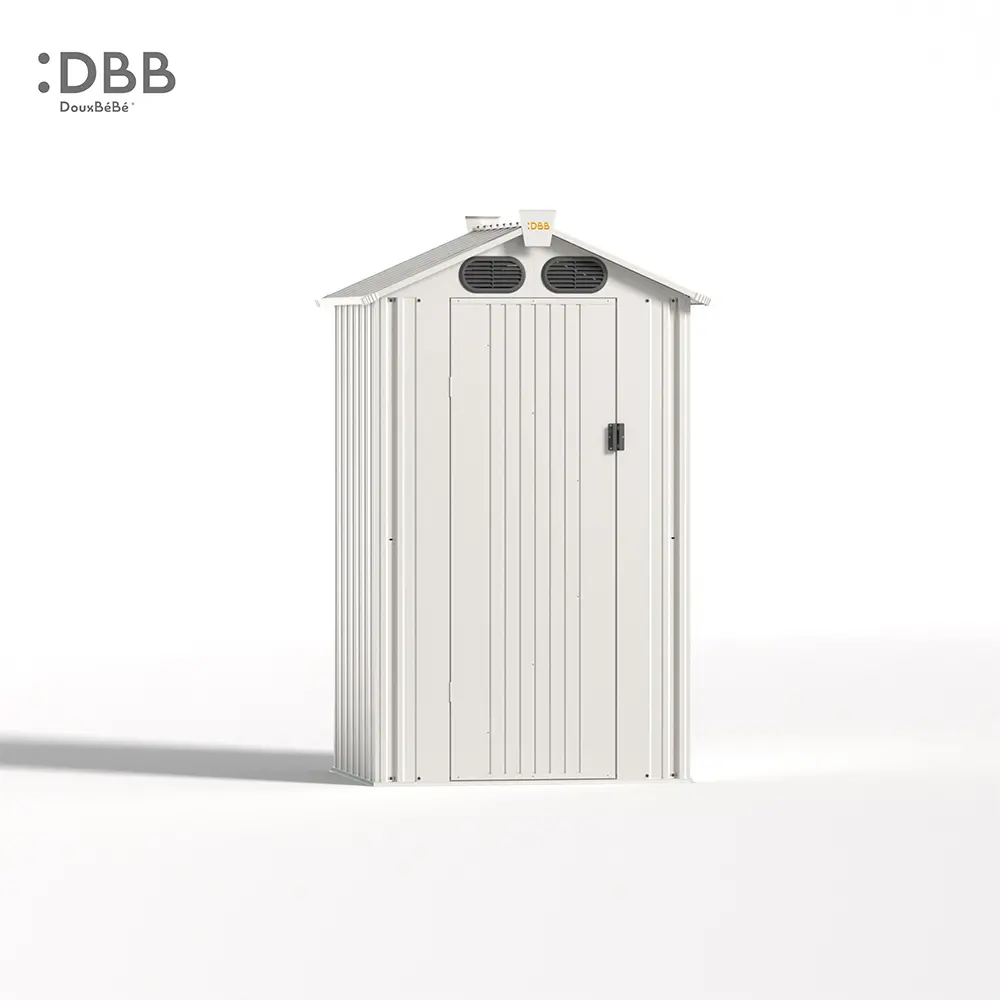
We help retailers, brands, importers and distributors develop smarter outdoor storage products — from market insight and product design to engineering validation and launch support.
Packaging Engineering
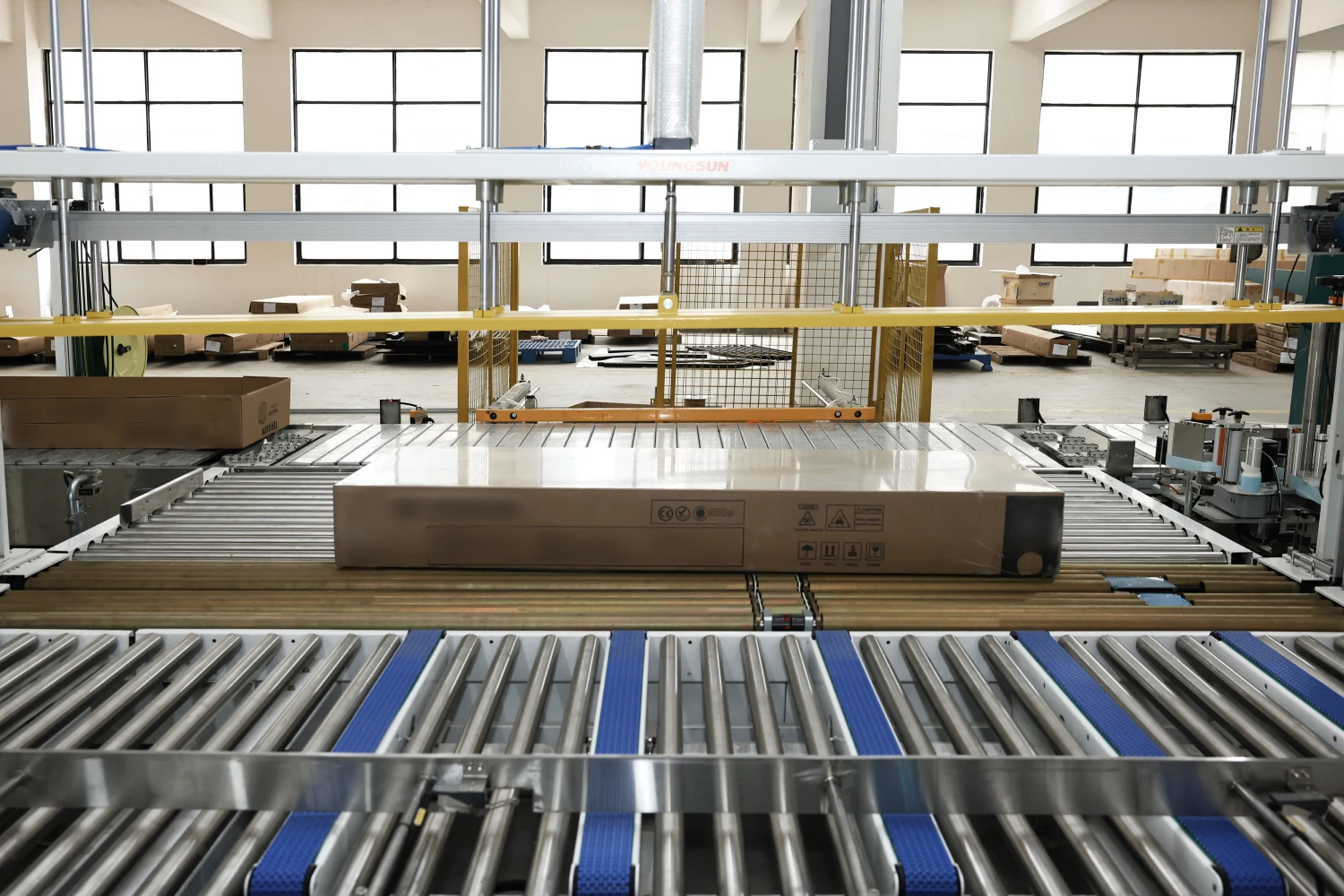
E-commerce Packaging
ISTA 3A Drop Test
ISTA Procedure 3A is a general simulation test: rather than checking a single drop, it reproduces the full sequence of hazards a parcel meets between our line and the customer’s door — climate, vibration, shock and impact.
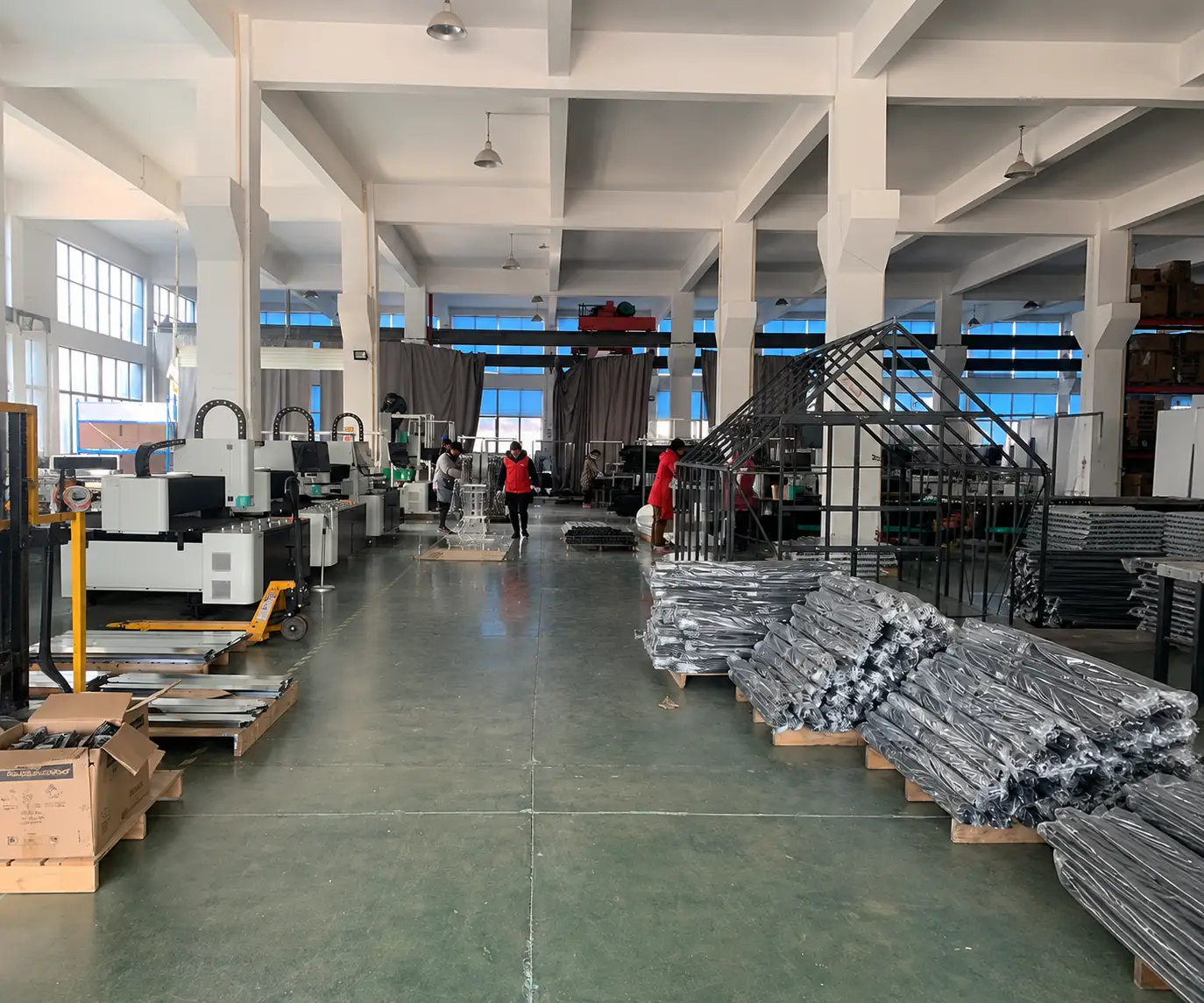
DiBiBi ISTA 3A Standard
Parcel delivery system, 70 kg (150 lb) or less
80k+
SKUs tested to date
1—3 %
Transit damage rate after redesign
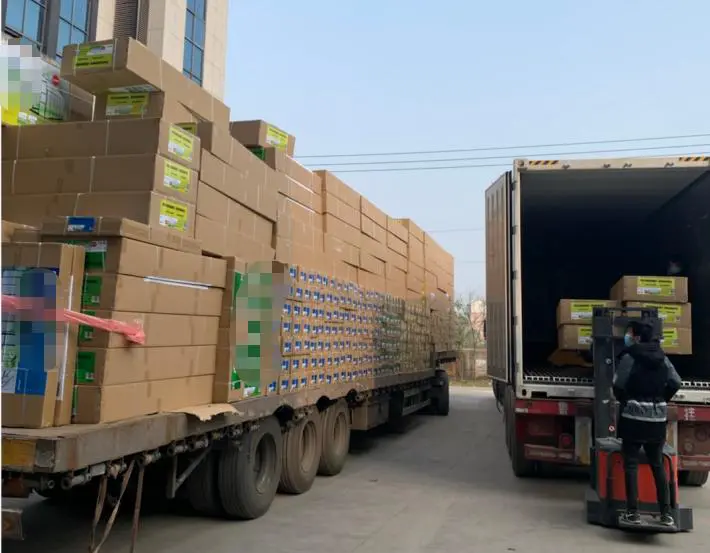
Pallet Loading
Carton Optimization
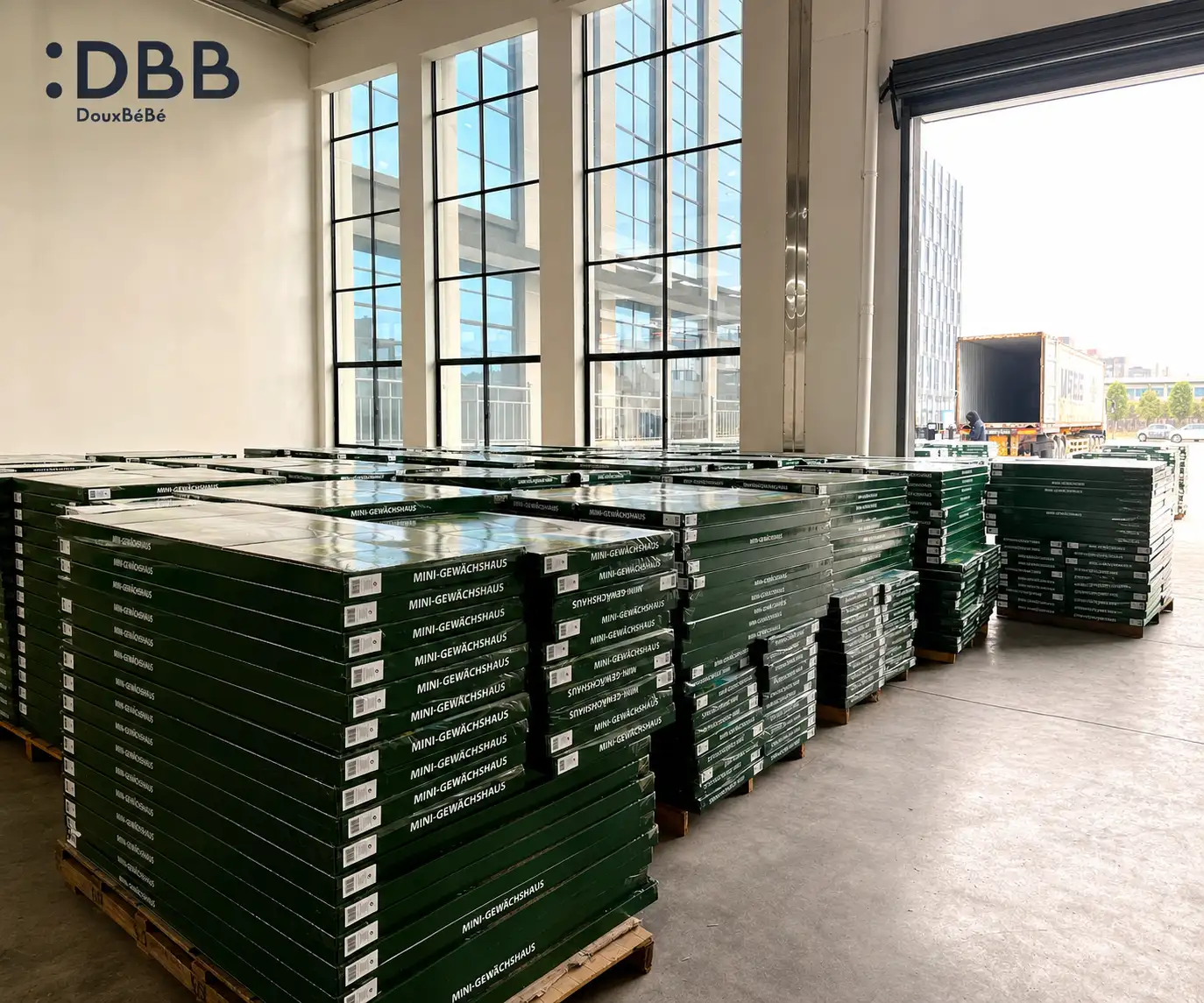
Carton optimization is the quietest saving in the whole chain and usually the largest. A carton that is 30 mm too tall in every direction costs nothing on its own — multiplied across a container, it removes an entire layer of product and adds a shipment to the year.
Our engineers rebuild the carton around the product rather than fitting the product into a standard box: nesting components, rotating long profiles, moving fixings into the void that already exists, and selecting board grade by the real stacking load rather than by habit.
Void Reduction
Cut empty space inside the carton so freight pays for product, not for air.
Higher Fill Rate
More sellable units per container at the same freight cost per box.
Right Board Grade
Strength calculated for stack height and sea humidity — no collapse, no over-spec.
Lower Packaging Tax
Less material placed on the EU market means a lower producer-responsibility fee.
Container Loading
Container space is bought whether it is used or not. Before a single carton is moved, we produce a load plan that states exactly how the shipment fills the box — how many pallets, in which orientation, in which order, and where the weight sits.
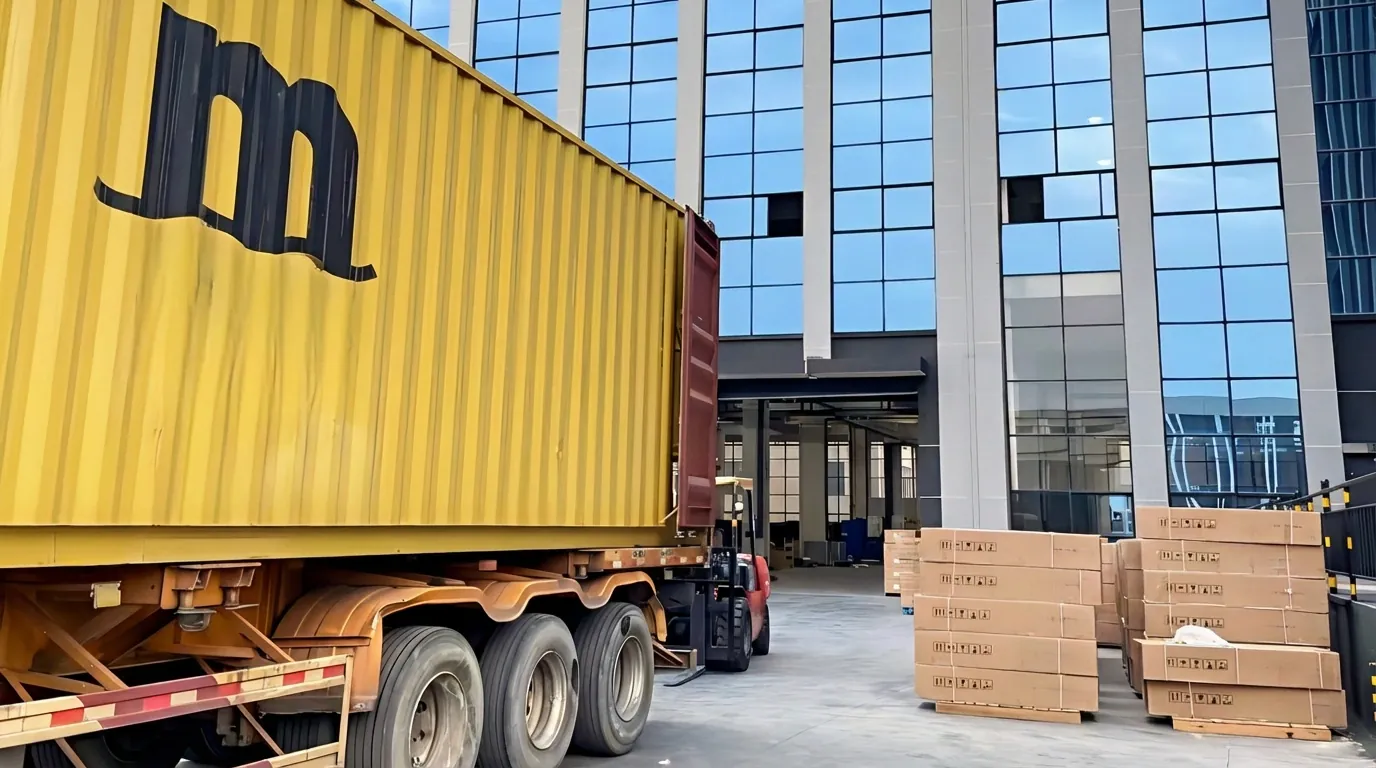
What the Load Plan Tells You Before the Container is Sealed
Compare Floor-Loaded with Palletised Plans
In DiBiBi, our range is heavy by design. Squeezing in a few more cartons by floor-loading saves a little freight, then hands the customer a container that takes a crew most of a shift to strip by hand. We plan the load around the total cost of getting goods onto the customer’s racking — not around the container alone.Here’s a preview of what your website’s text will look like by default. You can also adjust the typography of most elements separately. Note that the Font Size setting affects all the sizes defined in “rem” units, that is, almost all areas of your site.
Replacement Parts Labeling
Every part carries its own name. Most after-sales cost is not the part. It is the time spent working out which part. When a customer calls about a missing bracket, the whole chain — retailer, distributor, our service team — is guessing until someone can name the component, especially the outdoor structures.
So we label at component level. Every bagged part, profile and fixing set carries a printed part number that matches the exploded diagram in the manual exactly.
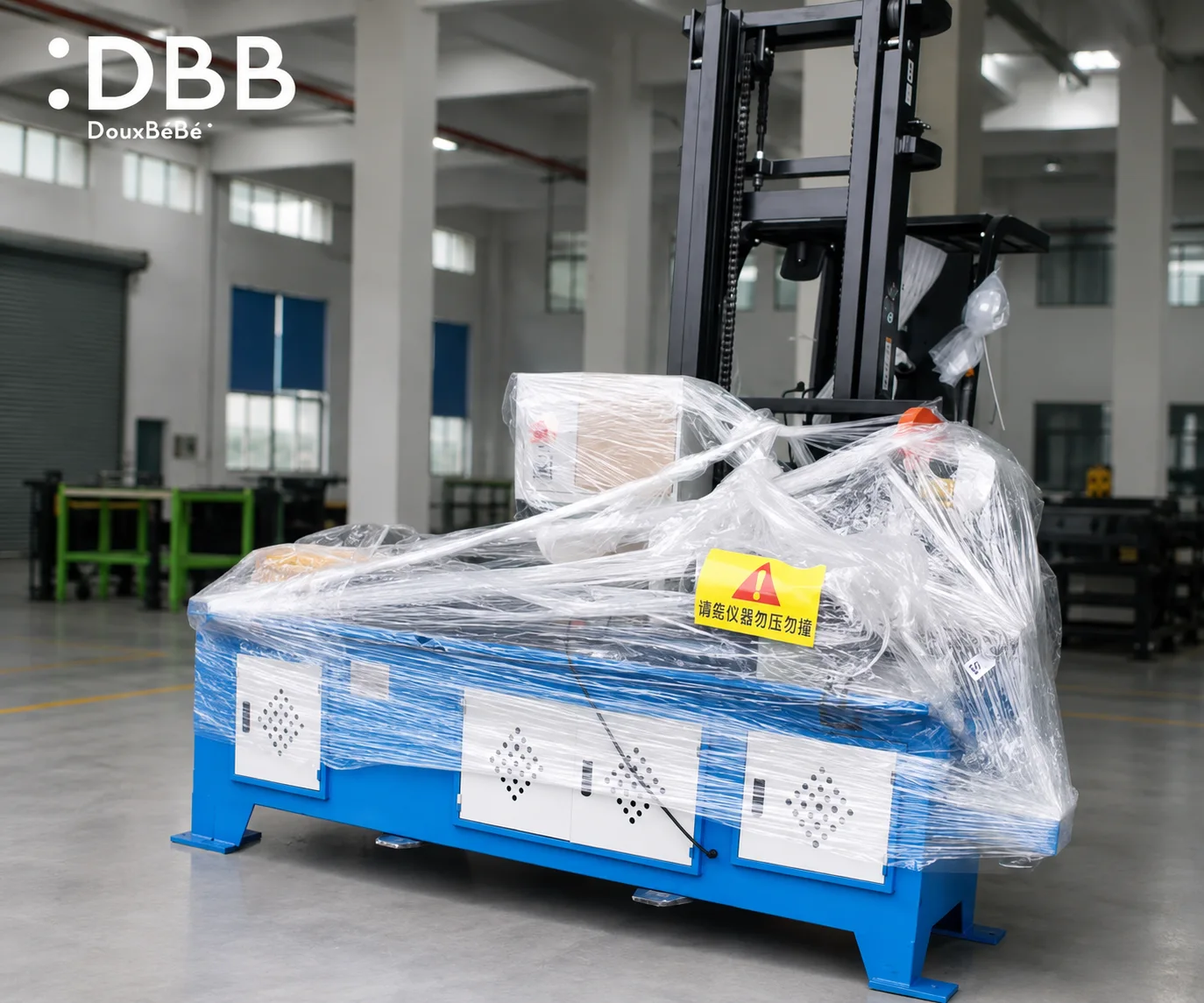
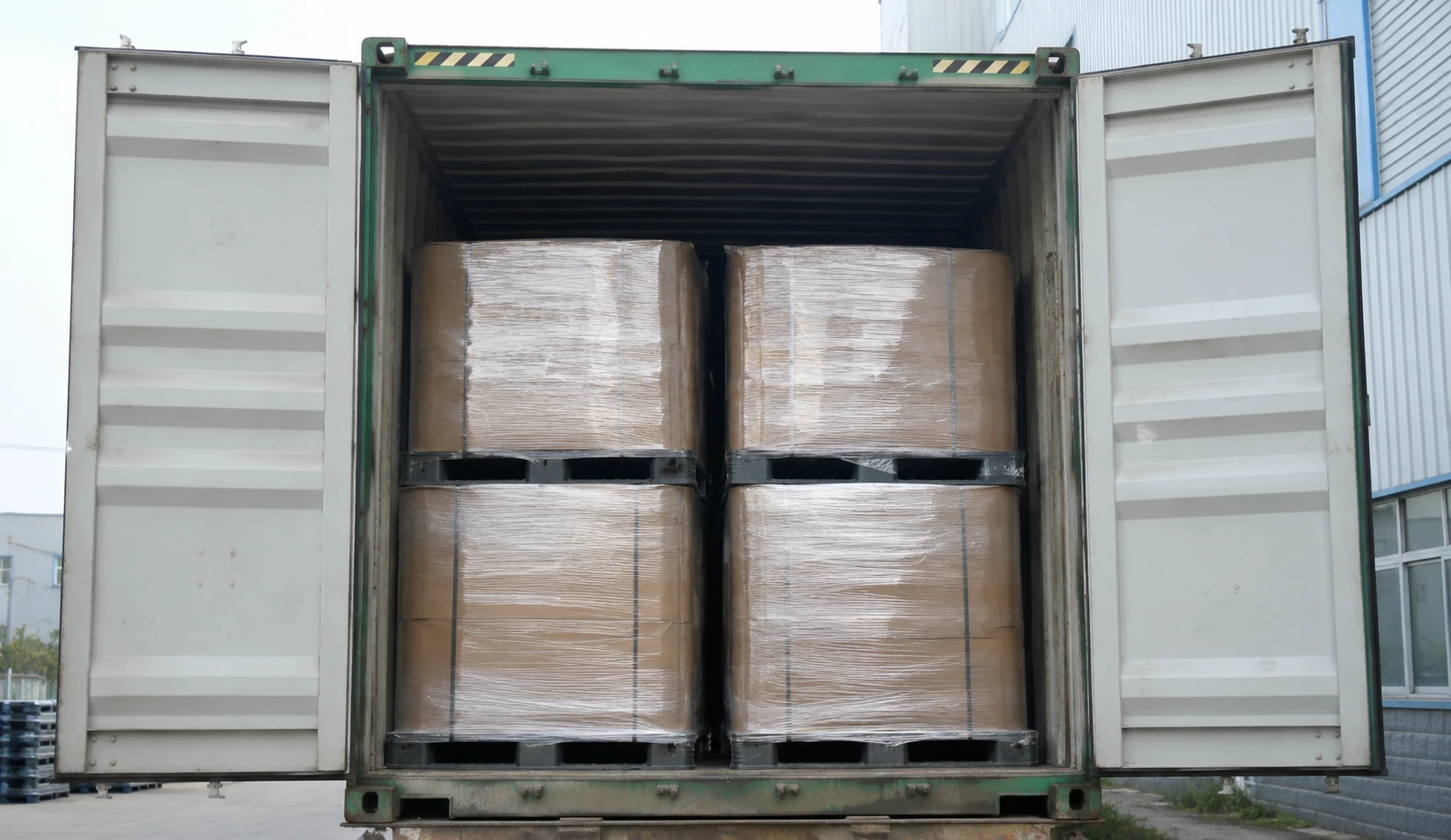
Packing & Loading Instructions
By the time a container reaches a port, the freight is already paid and fixed. The cost still moving is labour — the crew hired to strip the container, and the equipment hired to help them.
Barcode / SKU / Private Label
Goods that arrive with the wrong label have to be re-labelled by hand before they can be booked in — which puts the cost straight back into the receiving warehouse. We print what your system expects, at origin, so the pallet scans clean on arrival.
Plan the container before you book it
Send us your order or product portfolio, destination details, and intended route to market. DiBiBi will assess the shipment requirements and develop a comprehensive packaging and load optimisation specification.