

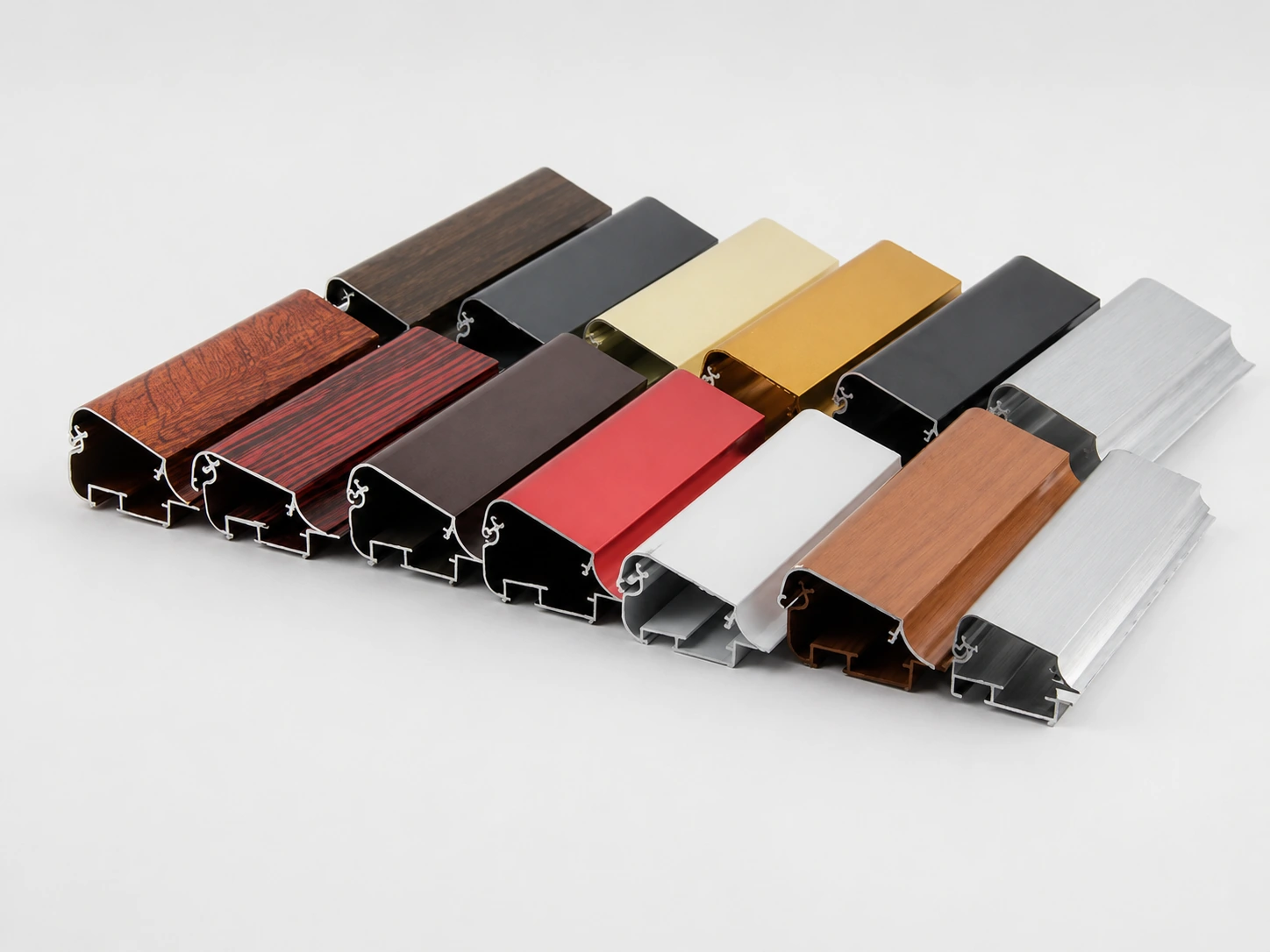
OEM partners, private-label brands, importers, distributors, e-commerce sellers and DIY retail chains — each with its own MOQ, tooling and lead-time terms.
Buyer case
OEM Partner: Re-Engineering a Shed to Fit Limits
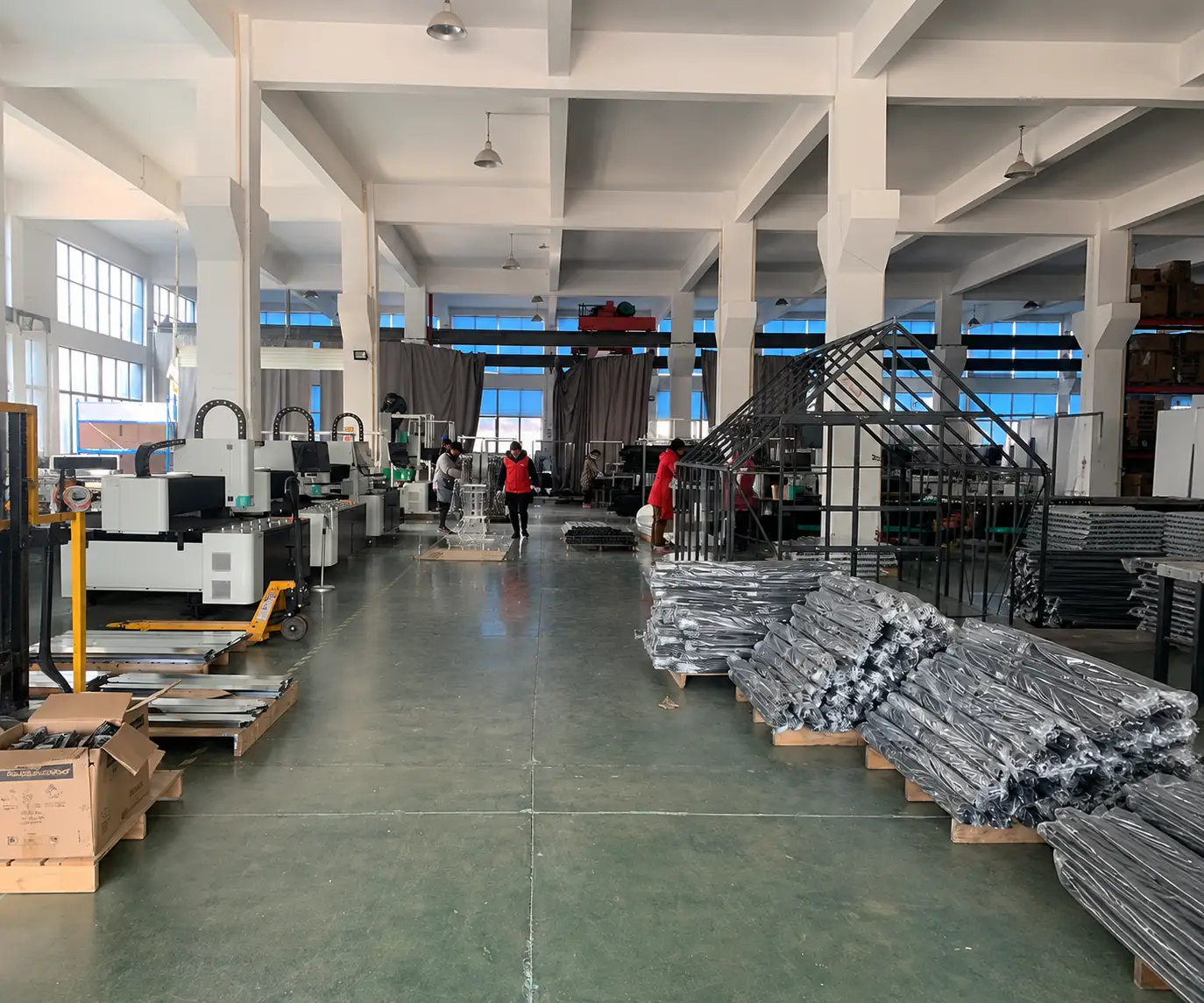
Profile
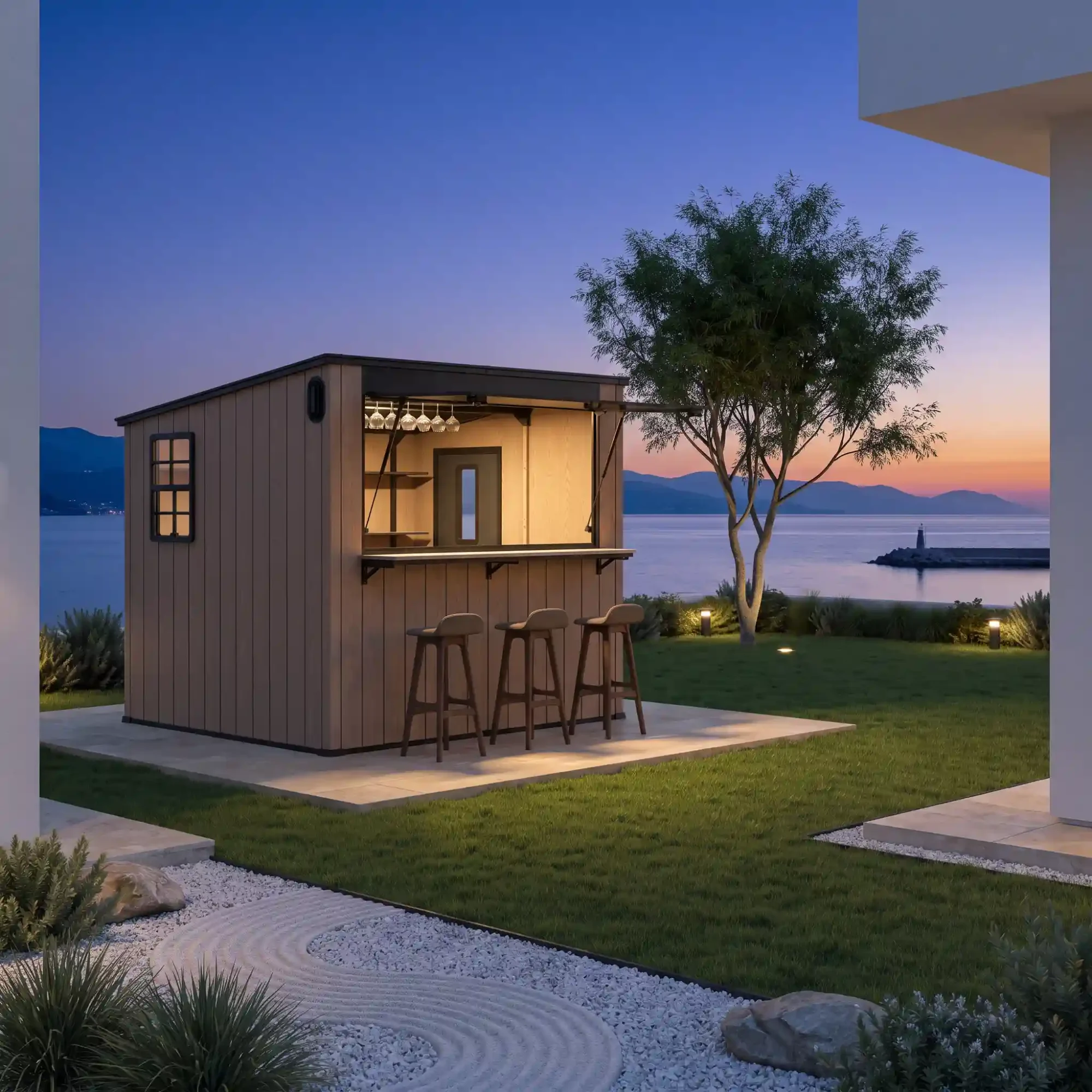
A European distributor sourcing outdoor storage products for its regional market. What it needed was not a catalogue supplier but an OEM partner able to adapt an existing product to the constraints of its own logistics and warehouse intake process.
Situation
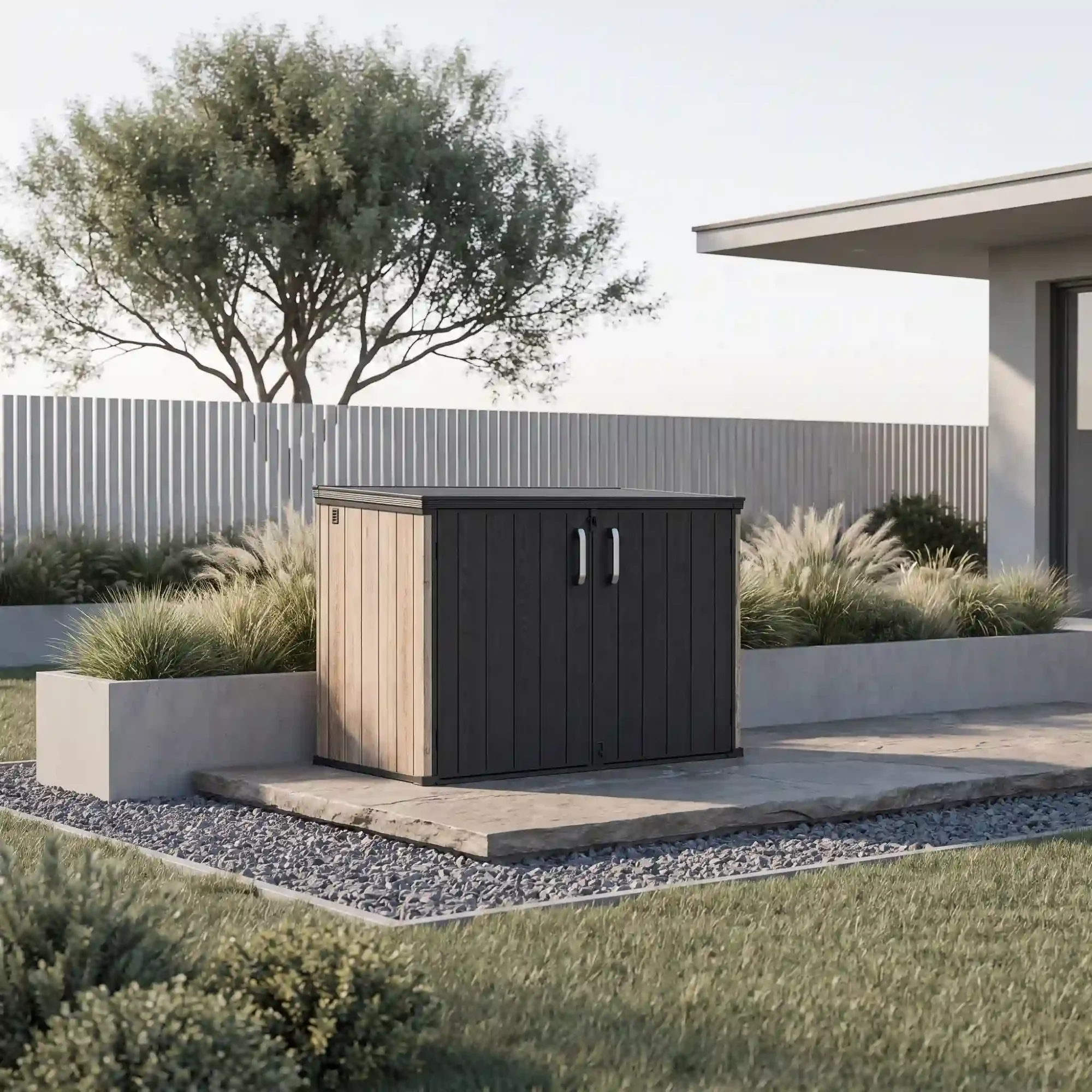
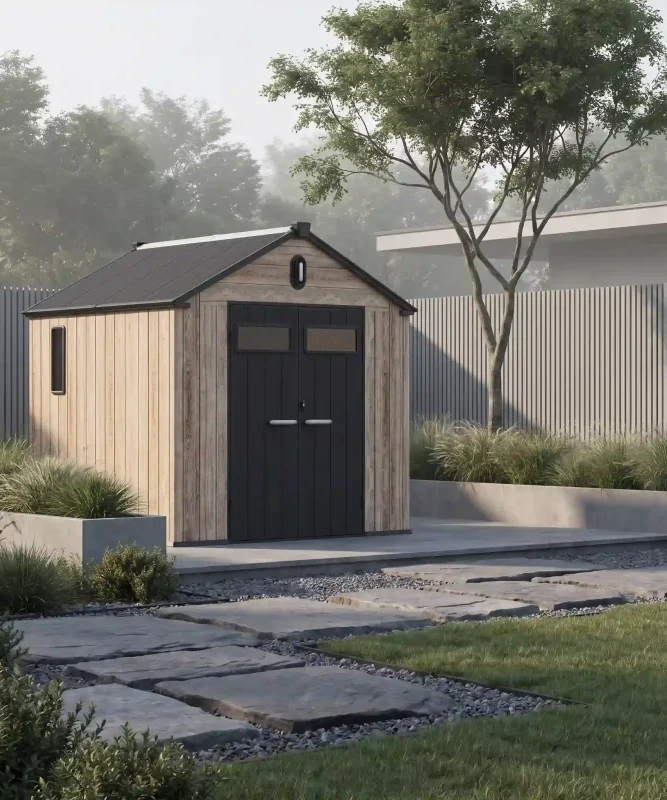
The distributor had chosen an outdoor shed for an upcoming order. During pre-production review, the team discovered that the product’s original height pushed the export carton past the maximum carton height its designated warehouse would accept.
Left unresolved, the mismatch would have surfaced at the receiving dock — delayed intake, forced repacking, and extra handling or storage charges.
Trimming the height alone was not a workable answer. The shed still had to deliver the drainage and structural performance it was designed for. That made engineering capability, not just manufacturing capacity, the deciding requirement.
DiBiBi Solution
DiBiBi routed the project to its 60-person R&D team. Working from the product structure, the carton dimensions, and the customer’s stated receiving limit, the team produced a revised design that took 20 cm off the shed’s overall height.
The change brought the export carton inside the warehouse’s height ceiling while leaving the shed’s drainage and structural functions intact.
The revised solution reached the customer for review within 10 working days. Once both sides signed off on the new specifications, the order moved into production scheduling.
Customer Benefits
Our customer’s shipment was received cleanly at its designated warehouse, the revised carton falling within the height ceiling that had threatened to hold it at the dock. With no repacking, no special handling, and no non-standard storage to pay for, the added warehousing costs the mismatch would have triggered never materialised — and the shed itself arrived with its drainage and structural performance fully intact, 20 cm shorter but no less capable.
The schedule held as well. Because the redesign was completed and submitted within 10 working days, production scheduling began the moment the customer approved the new specifications, leaving the original plan essentially undisturbed. More broadly, the project showed what the customer had been looking for in an OEM partner: a manufacturer willing to reshape a product around a specific logistics constraint rather than confine the customer to whatever the standard model happened to be.