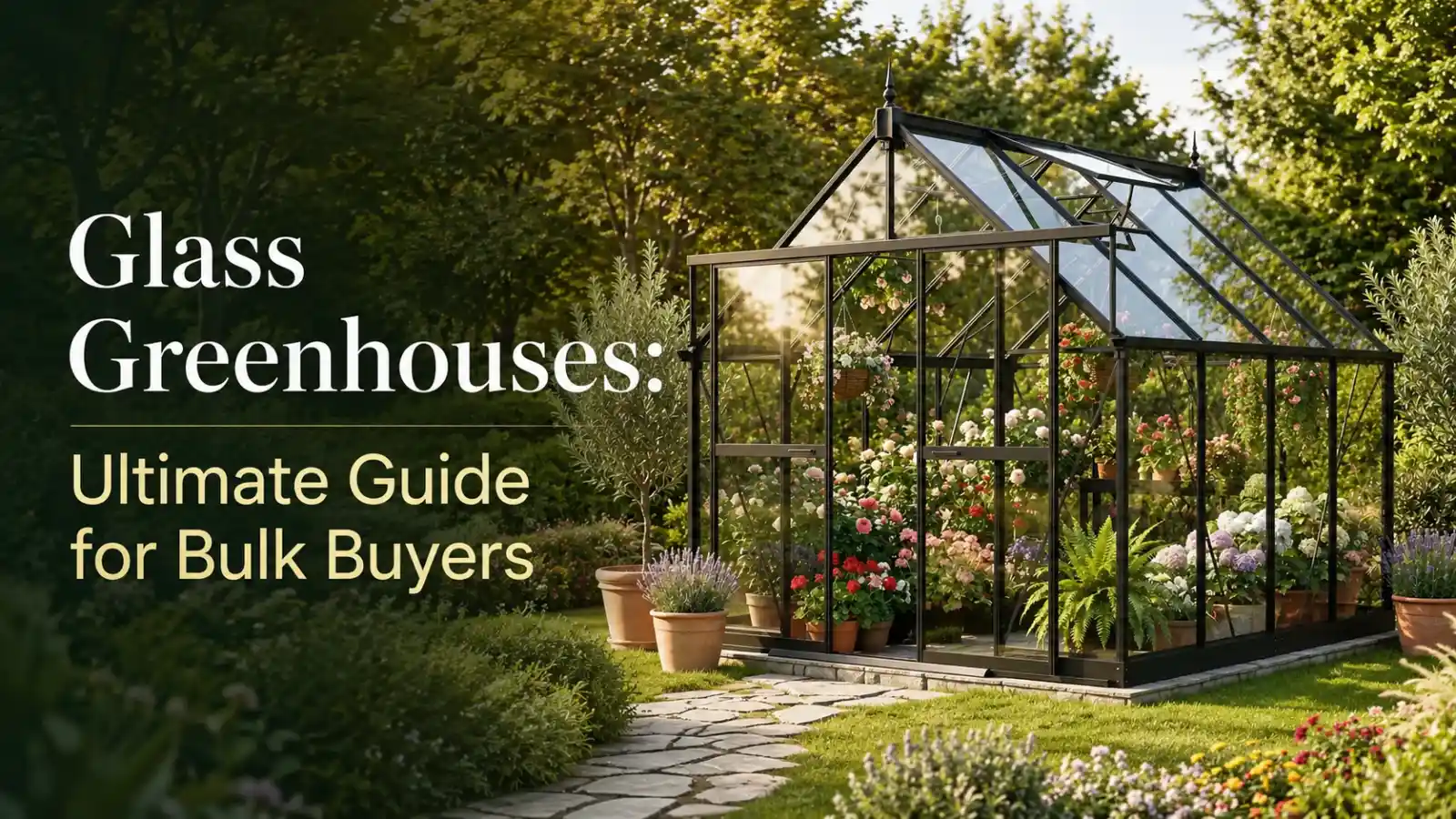
Glass greenhouses can anchor a premium garden range, but two quotes for the same footprint may contain different glass, frames, anchors, packaging and replacement parts. Compare the complete saleable kit and its delivered cost, not only the unit price.
This guide gives importers, retailers and private-label buyers a model-specific RFQ method, a quotation comparison table and an export-packaging review. Performance and loading figures must be verified for the exact configuration offered.
Why Are Glass Greenhouses Still Popular in the Garden Market?
Glass has a clear, traditional appearance that can suit a premium garden range. It also creates breakage and replacement costs that buyers should include in the landed-cost calculation.
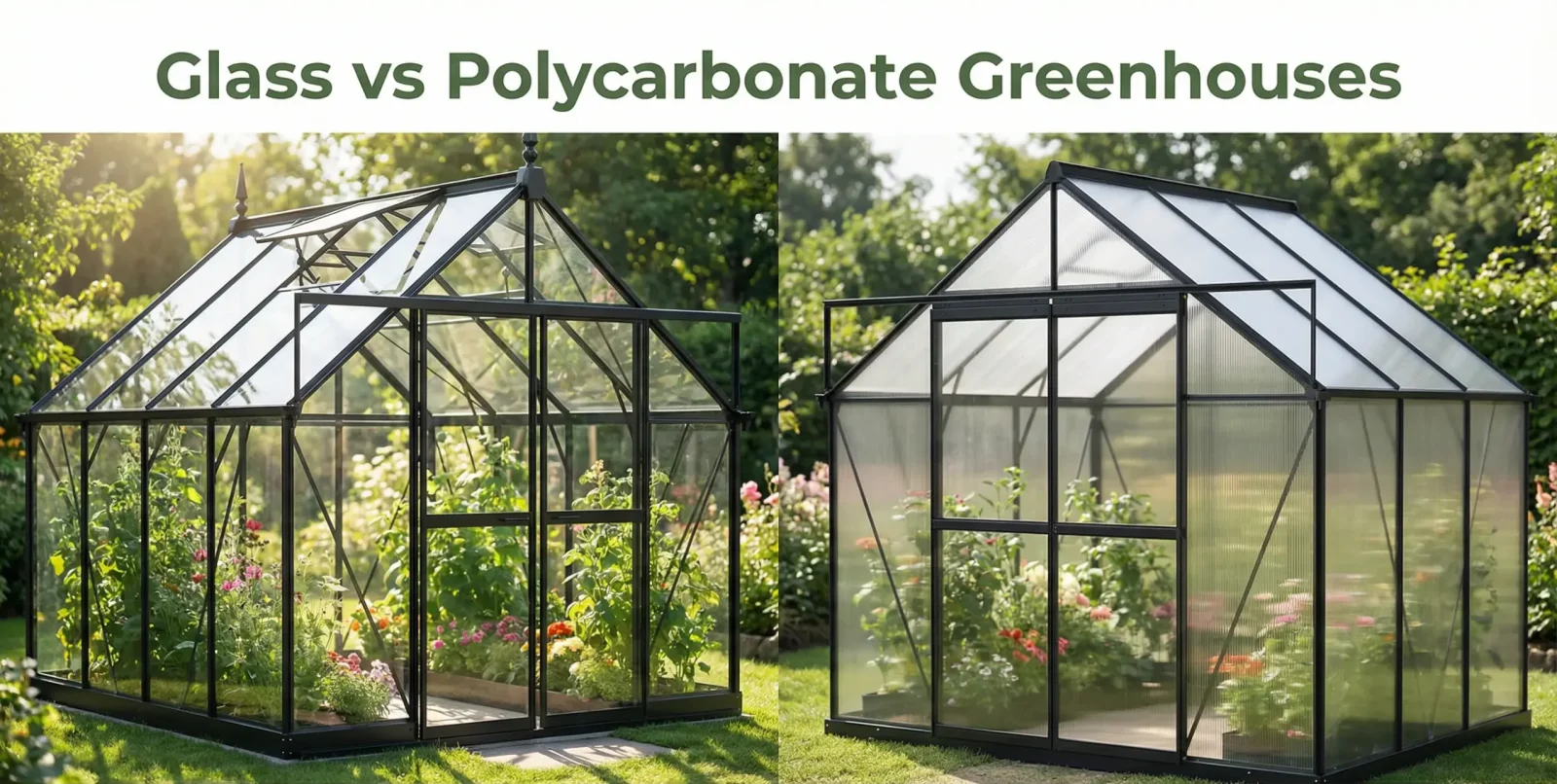
Glass Greenhouse vs Polycarbonate Greenhouse: What Importers Should Compare?
Covering choice affects retail positioning, package design and spare-parts planning. Compare the actual panel specifications offered for the target market.
| Factor | Glass Greenhouse | Polycarbonate Greenhouse |
|---|---|---|
| Appearance | Clear, traditional look | Varies by panel type and finish |
| Light and insulation | Depend on the exact glass specification | Depend on solid or multi-wall construction |
| Shipping | Glass can break; protective packaging matters | Generally lighter and more impact resistant |
| Replacement | Request exact pane codes and lead times | Request exact panel codes and lead times |
Do not assume either covering has the same light, insulation or impact performance across every model. Check the supplied specifications and destination requirements.
Glass Greenhouse Specifications to Check Before Bulk Ordering
Before placing a bulk order, importers should move beyond product photos and review the following technical details.
Frame Material
For an aluminum frame, request the alloy and temper, profile cross-section drawings, wall thickness at specified points, surface finish and fastener specification. Check the sample against the drawings, including joints, door tracks and glazing channels. A headline frame thickness without a profile drawing does not describe the assembled structure.
Glass Type and Thickness
Ask each supplier for a panel schedule listing glass type, nominal thickness, edge treatment, cut size of every pane and quantity per size. The schedule should distinguish roof and wall panes. Request the fixing method too: clips, gaskets, channels or other retainers, their material and placement, and how the pane edges are supported.
Match each pane code to the assembly drawing and replacement-parts list. For every replacement pane, confirm its code, exact size, glass type, thickness, edge finish, price, minimum order and lead time. Require written approval if the supplier changes the sampled specification.
Size Range
Ask for a dimensioned drawing of each size, including external footprint, eave and ridge heights, door opening and pane schedule. Choose a focused first range based on customer demand and warehouse space, then verify whether each size needs different glass packages, anchors or loading quantities.
Doors, Vents, and Accessories
Record the door type and clear opening; handles, locks, rollers and stops; and the number, position and opening method of roof vents and windows. Check whether automatic openers, gutters, seals, base rails, anchors and installation hardware are included. A base frame is not a foundation: obtain an anchoring drawing for the required supporting surface.
Wind Load and Snow Load
Request a model-specific test report or engineering calculation for the proposed size, glass, frame, openings and base. It should state the test or calculation basis, design assumptions, load direction and limitations. Check the specified foundation, anchor type, size, spacing and substrate, and ask whether doors and vents must be closed for the stated performance.
The supplier should identify every offered model covered by the document. Do not apply one load figure to other sizes, configurations or anchoring conditions. Check destination and retailer requirements before accepting a performance claim.
Compare Two Glass Greenhouse Quotations on the Same Basis
Send both suppliers the same target market, size, quantity, delivery term and private-label brief. For each row, mark included, optional with price, or excluded in Supplier A’s and Supplier B’s offers. Leave unanswered fields visible until the supplier provides evidence.
| Product specification | Is it included in the quote? | Documents the supplier should provide | Risk the buyer should verify |
|---|---|---|---|
| Glass: type, thickness, edge finish, pane sizes and fixings | All roof and wall panes, clips and seals; replacement panes priced? | Panel schedule, glazing detail, relevant glass record and replacement codes | Different roof glass, unspecified edges or no matching spare pane |
| Aluminum profiles: alloy, section, wall thickness, finish and connectors | All profiles, connectors, fasteners and finish? | Profile drawings, BOM, finish specification and sample inspection | Thin or substituted sections; missing connectors |
| Doors and windows: dimensions and hardware | Handles, rollers, locks, stops and seals? | Assembly drawing, hardware BOM and operation record | Quoted opening differs from retail listing; hard-to-replace hardware |
| Ventilation: count, position and opener | Manual or automatic opener and installation parts? | Roof plan, vent schedule, opener specification and manual | Missing opener; performance claim assumes vents closed |
| Base and anchoring: rails, anchors and substrate | Base frame and anchors; foundation work separate? | Base and anchor drawings, installation instructions | Base rails supplied without a suitable anchor solution |
| Export packaging: glass, profiles and hardware by package code | Cartons, rigid support, separators, pallets or crates and labels? | Package specification, carton register, dimensions, weights and actual packing photos | Breakage, scratches, missing hardware or oversized cartons |
| Spares and claims: pane and hardware codes | Starter spares, replacement cost and freight? | Spare-parts list, warranty and damage-claim procedure | Unavailable pane, unclear claim period or freight payer |
| Container loading: packed sets for this SKU mix | Securing materials, mixed-SKU handling and loading photos? | Package register, container loading plan and weight record | Quantity based only on product size or CBM, without safe stacking |
Then normalize currency, Incoterm, MOQ, tooling, sample cost, packaging cost, spare-parts allowance and lead time. Compare the delivered cost per complete, saleable kit. A practical estimate is kit price + excluded components + packaging + freight + expected replacement and claim cost. Keep uncertain costs separate.
MOQ, Lead Time, and Container Loading: What to Ask Your Supplier
Request MOQ and sample, production and repeat-order lead times by model and branding option. Ask whether sizes can be mixed in one container, which spare parts are included, and how late-season replenishment is handled. Confirm any cost and lead-time change caused by private-label cartons, manuals or labels.
Container quantity must come from the final packed dimensions and gross weights for the actual SKU mix. Check the door opening, handling space, floor loading, stack limits and weight distribution. Recalculate the loading plan after any packaging change; a generic “units per 40HQ” figure does not cover every model.
OEM and Private Label Options for Glass Greenhouse Buyers
Ask which changes DBB can quote for the specific model: logo placement, frame color, carton art, barcode and SKU labels, manual language, accessory set and spare-parts kit. Request the MOQ, tooling or artwork charge, sample approval date and lead time for each change. Keep the approved artwork, manual revision and carton label with the product specification so the retail listing matches the delivered kit.
Packaging and Shipping Risks Bulk Buyers Should Check
Ask for a packing register for one complete greenhouse kit. Each glass carton or crate should show its box number, pane codes, pane count, net and gross weight, outside dimensions, handling direction and stacking limit. The same identifiers should appear on the panel schedule, carton labels, packing list and assembly manual. Record where frames, hardware, seals and spare panes are packed so a receiving team can reconcile a complete kit.
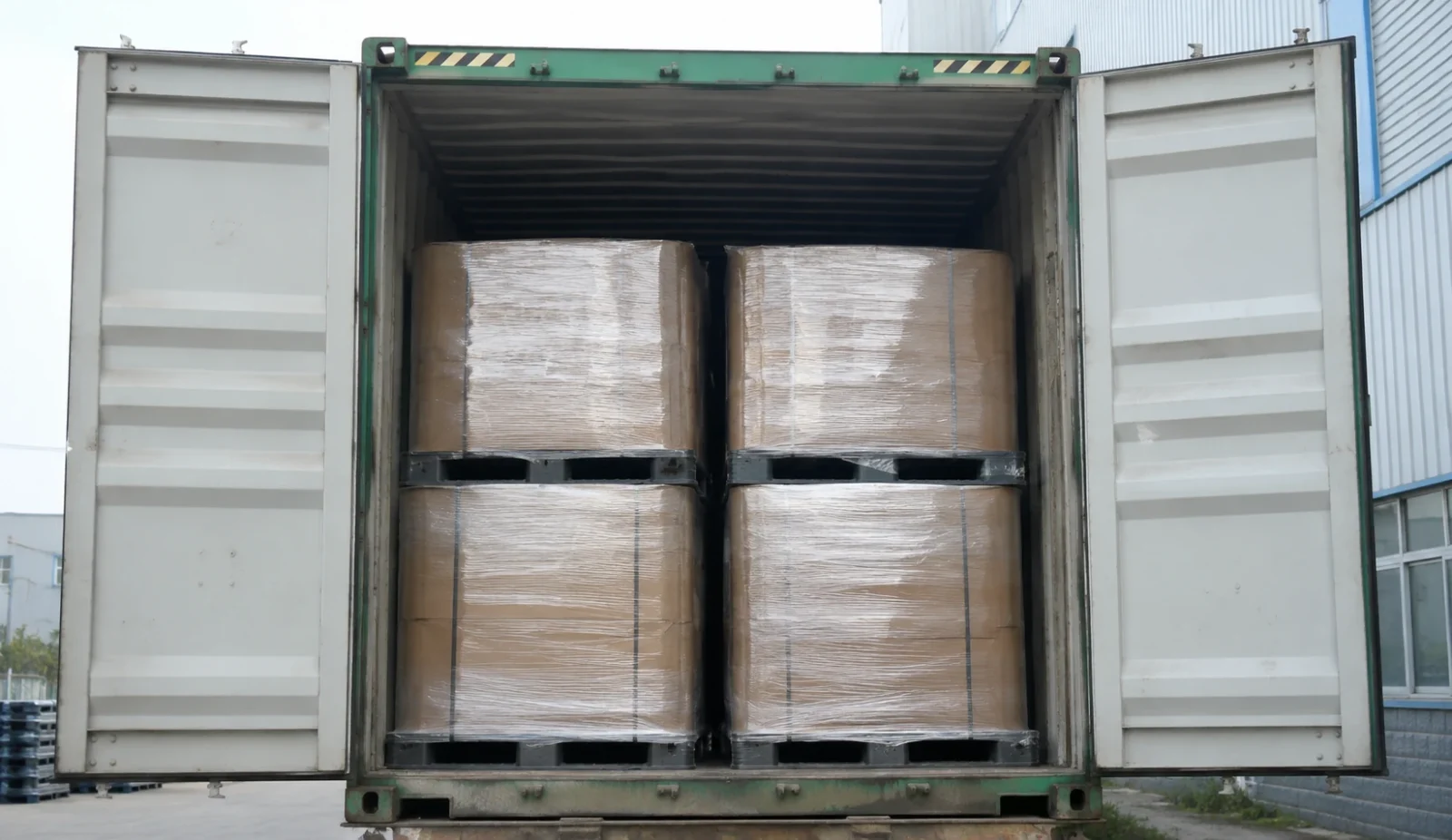
Review the separators and rigid support between panes, edge and corner protection, and how movement or pressure on glass is prevented. Request photos of the actual proposed glass package open and closed, with labels visible, and pre-loading and in-container photos showing restraint. A generic outdoor-products pallet photo does not establish how this glass greenhouse is packed.
Agree a breakage procedure before shipment. At receipt, photograph the container seal and damaged package, record box and pane codes, count intact and broken panes against the packing list, and retain damaged materials for the claim. The purchase order should state the claim period, who supplies replacement panes, who pays replacement freight and the target dispatch time.
Illustrative record format, not a DBB shipment: GH-A / Glass 1 of 3 / panels R01–R06 / six panes / gross weight to be measured. Ask DBB for an actual model code, approved glass schedule, packing register, glass-package photos and loading record before treating a case study as evidence.
Quality and Market Documents to Approve
Give the supplier the target country, sales channel and required labeling or safety criteria before final pricing. Match every test report or certificate to the offered model, configuration, issuing body, date and scope. A company-level certificate does not establish the performance of a particular greenhouse.
Approve a physical or documented pre-production sample against the BOM. Useful inspection records include glass and profile measurements, edge and finish checks, a trial fit of doors and vents, hardware counts, package inspection and a pre-shipment carton-count and loading record. Set acceptance criteria in the purchase order.
Final Checklist Before Placing a Bulk Order
Before a bulk glass greenhouse order, the full purchasing picture should be reviewed. Here is a final checklist for bulk buyers before ordering glass greenhouses.
- Confirm the target market and retail channel.
- Choose the suitable glass type and frame material.
- Review product size, carton size, and packaging dimensions.
- Check MOQ and container loading quantity.
- Confirm spare parts and replacement policy.
- Review installation manual and product labeling.
- Request samples, pre-production photos, or inspection details.
- Confirm lead time before the garden retail peak season.
- Clarify OEM or private-label requirements before production.
Why B2B Buyers choose DBB?
DBB is a trusted greenhouse supplier with 15 years of experience in outdoor structure manufacturing. We support OEM/ODM projects for greenhouse brands, retailers, importers, and distributors. With reliable product lines, strict quality control, export packaging experience, and flexible customization options, DBB helps buyers reduce sourcing risks before placing bulk orders. If you are looking for a long-term outdoor structure partner, contact us to discuss your project. Request a quote today!
FAQ About Buying Glass Greenhouses in Bulk
How do I know two quotations cover the same product?
Compare the same model dimensions and every row in the table. Get written prices for excluded items and use the same delivery term and order quantity.
What if a replacement pane breaks after delivery?
Order by pane code and confirm size, glass type, thickness, edge finish, price and lead time. Agree the claim evidence and replacement freight payer before shipment.
Can one wind or snow figure cover every size?
Only when the supporting document explicitly covers those sizes and configurations under the stated installation and anchoring conditions.
How should a private-label buyer start an RFQ?
Send the target market, size, forecast quantity, branding files, required manuals and labels, packaging requirements, delivery term and target date. Ask for a model-specific document pack and completed quotation table.
Conclusion
A useful glass greenhouse quotation identifies the exact kit and shows how it will be packed, loaded, installed and supported after delivery. Use the comparison table to expose omissions, then approve a model-specific sample and document pack before production. Ask DBB for a quote.