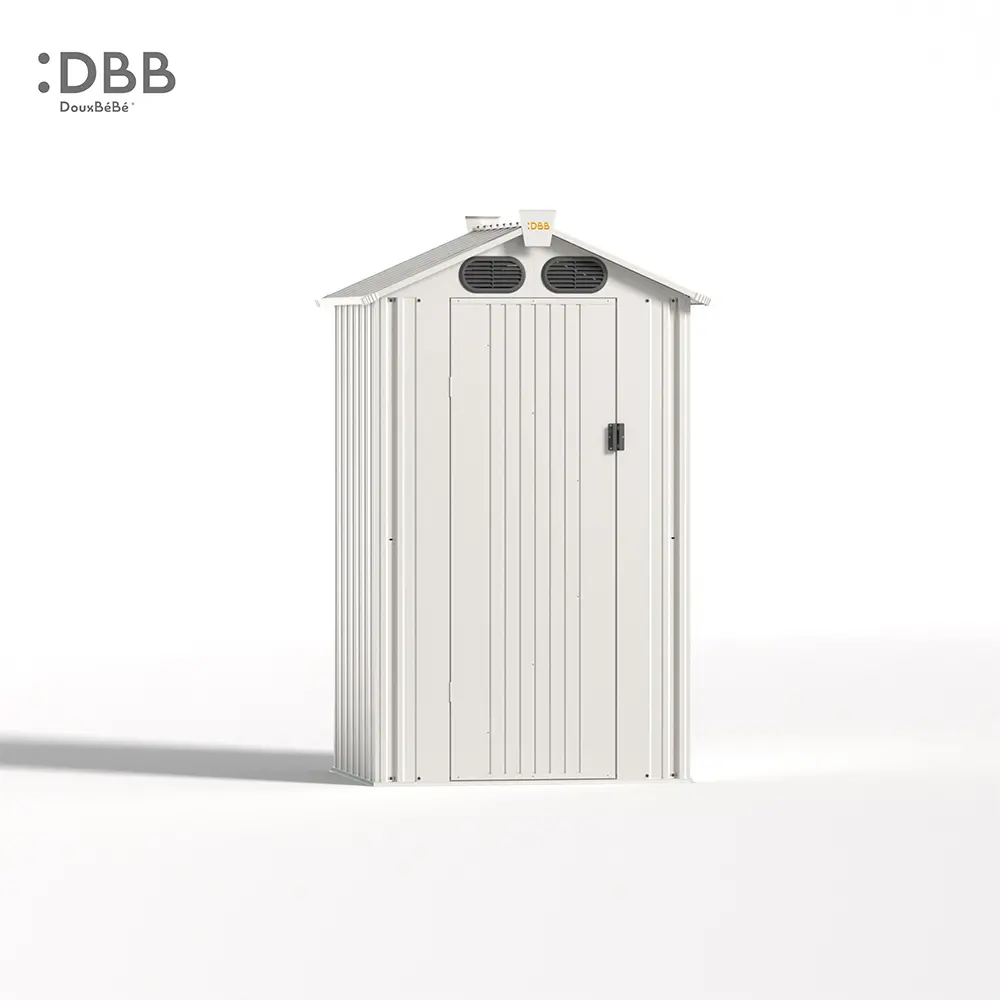
Choosing the right shed starts with intended use instead of comparing prices. The best option depends on your shed sizes, site, local rules, foundation, access, ventilation and future storage needs. This guide explains what to check before you order a storage shed, workshop, garden shed or occupied outbuilding.
Quick answer: List what you need to store, compare shed sizes, measure the largest item and its route to the site, check local permit rules, review the shed foundation, compare the complete installed cost, and decide whether you need smart shed features to solve a real problem.
1. Decide what the shed needs to do
The purpose of buying a shed determines its overall design and configuration. Therefore, the first thing to do is write down what you will store now and what you may add over the next few years.
Storage shed: A storage shed may hold garden tools, bicycles, seasonal items or a lawn mower. Plan shelves, hooks and a clear route to the door before the floor fills up. For mower storage, check the unobstructed door opening, threshold height, floor capacity and whether a shed ramp is compatible with the model.
Workshop or hobby shed: A workshop needs more than floor area. Allow room around benches and tools, plan task lighting, and check the floor-load rating. Dust, heat, moisture and electrical work should be considered before installation.
Garden or potting shed: A garden shed benefits from daylight and opening windows, but wet soil, watering and plant material increase moisture. Drainage, airflow and a washable or suitably protected floor matter more than decorative features.
Office, gym or occupied outbuilding: An occupied shed requires additional planning for insulation, temperature control, lighting, electrical service, internet access and emergency egress where applicable. Check local building and energy requirements before treating an outbuilding as a regularly occupied room.
2. What size shed do you need?
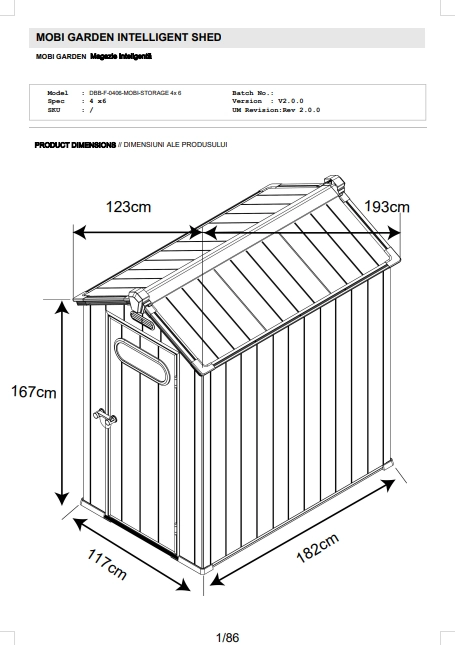
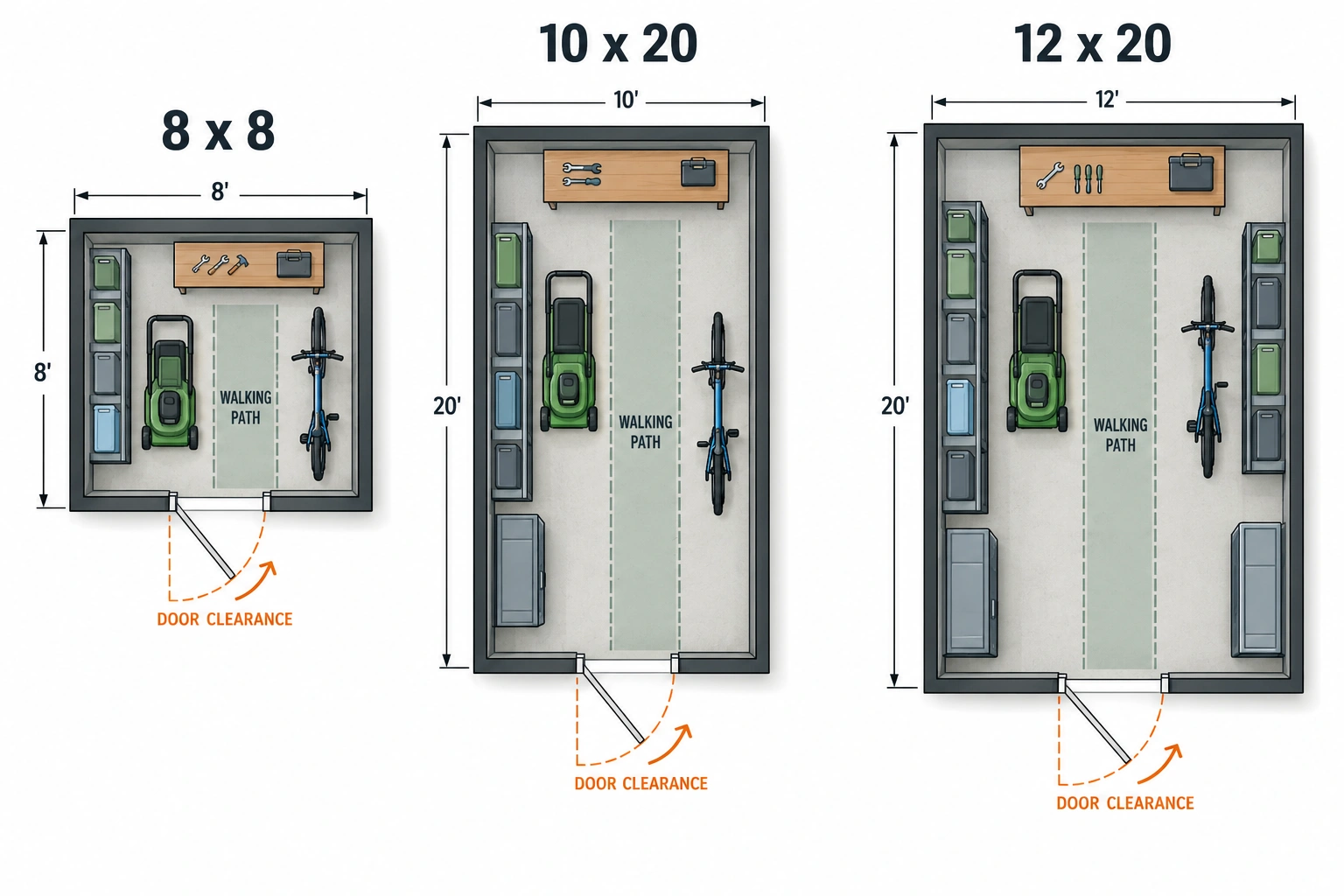
Shed sizes describe the footprint, but usable capacity also depends on wall height, roof shape, door clearance, interior framing and the space needed to walk around stored items. Measure the largest item and the full delivery route through gates, paths and doors. Mark the proposed footprint on the ground. Place cardboard boxes or tape where shelves, a workbench and large equipment will go. This simple test often reveals that the advertised exterior dimensions do not provide the clear interior space you expected.
- Small shed: An 8×8 storage shed or 6×10 shed may suit hand tools, bicycles and seasonal storage. Check the door opening before assuming a mower or other wheeled equipment will fit.
- Medium shed: An 8×16 shed or 12×16 shed can provide room for equipment, shelving and a workbench, but the layout depends on door position and interior wall height. Compare the usable floor area rather than the footprint alone.
- Large shed: A 10×20 shed, 12×20 shed, 20×10 shed or 12×24 shed needs more site access, a more substantial base and careful delivery planning. Larger structures may also trigger additional permit, height or setback requirements.
- Two-story shed height and access: A two-story shed can add storage vertically, but stairs, headroom, ventilation, emergency access and maximum height all affect suitability. Measure the highest point of the roof and verify local rules before ordering.
Leave room for door swing, a clear walking path, shelving and future equipment. Measure the full exterior, including roof overhangs, and keep enough clearance for inspection and maintenance.
3. Where should you put the shed?
Choose a level, stable area with good drainage. A shed in a low spot can collect water around its base, while roof runoff can wash out an unprotected edge. Avoid locations directly beneath branches that could fall or drop heavy debris.
Consider sunlight, shade and access. Full sun may overheat an occupied shed; a damp, shaded corner can slow drying and encourage condensation. Leave enough clearance around the walls for airflow, inspection and repairs.
For a lean to shed, confirm that the slope drains safely and that the wall or structure beside it can tolerate the arrangement. Do not block vents, windows, gutters or maintenance access. Also check property boundaries, setbacks, neighboring properties, delivery access and overhead obstructions.
4. Do you need a shed permit?
Permit requirements depend on location, size, height, placement and intended use. Electrical work and an occupied outbuilding can introduce additional requirements.
Before buying, contact the local building department and review HOA rules. Ask about setbacks, drainage, anchoring, electrical work and whether the proposed use changes the approval path. Do not rely on a generic size threshold found online. One edition of California’s building code, for example, includes an exemption for certain one-story storage sheds up to 120 square feet, but that is not a nationwide rule; local amendments and the currently adopted code control.
5. Which shed material is right for your site?
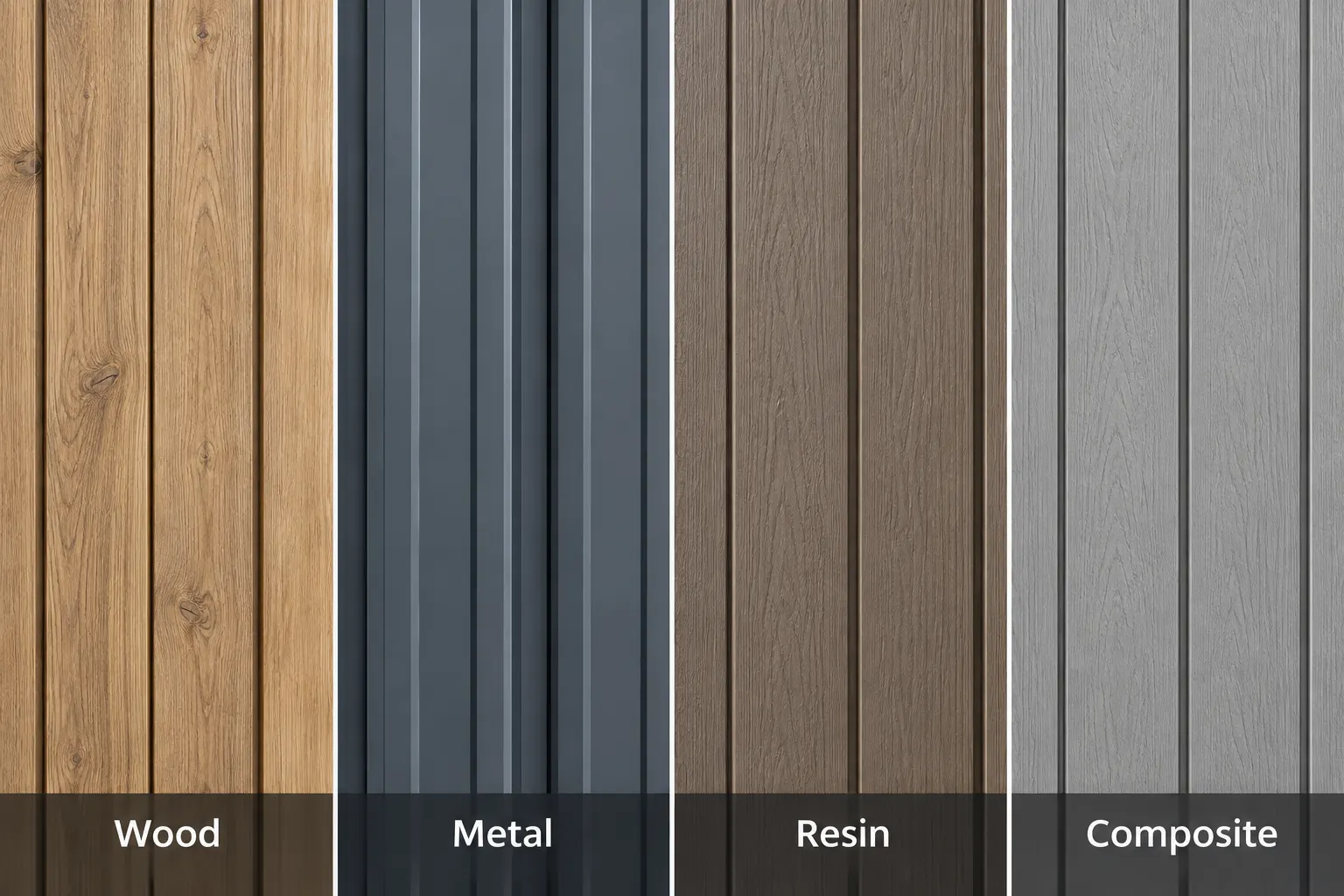
There is no universally best shed material. Compare the exact frame, cladding, roof, warranty, maintenance requirements and weather limits against your climate and intended use.
| Material | What to compare | Questions to ask |
|---|---|---|
| Wood | Frame size, cladding thickness, finish and roof details | What treatment or repainting is required? Which parts are exposed to moisture? |
| Metal | Corrosion protection, panel construction and ventilation | How does the design manage condensation and water entry? |
| Plastic or resin | Panel rigidity, UV claims, frame and anchoring | What are the wind, snow and floor-load limits? |
| Vinyl or composite | Core construction, finish, repair options and warranty | Which parts are structural and which can be replaced? |
Wood provides a traditional appearance and is easy to customize, but it needs protection appropriate to the product and site. Metal sheds can be low maintenance, but temperature changes and condensation deserve attention. Plastic or resin sheds are generally easy to clean, but rigidity, UV resistance, anchoring and load limits vary.
For wood construction, compare overlap, shiplap and tongue-and-groove cladding for fit, thickness, finish and maintenance. The cladding profile alone does not determine wall strength; compare the complete wall and frame specification.
6. Which shed roof style is best?
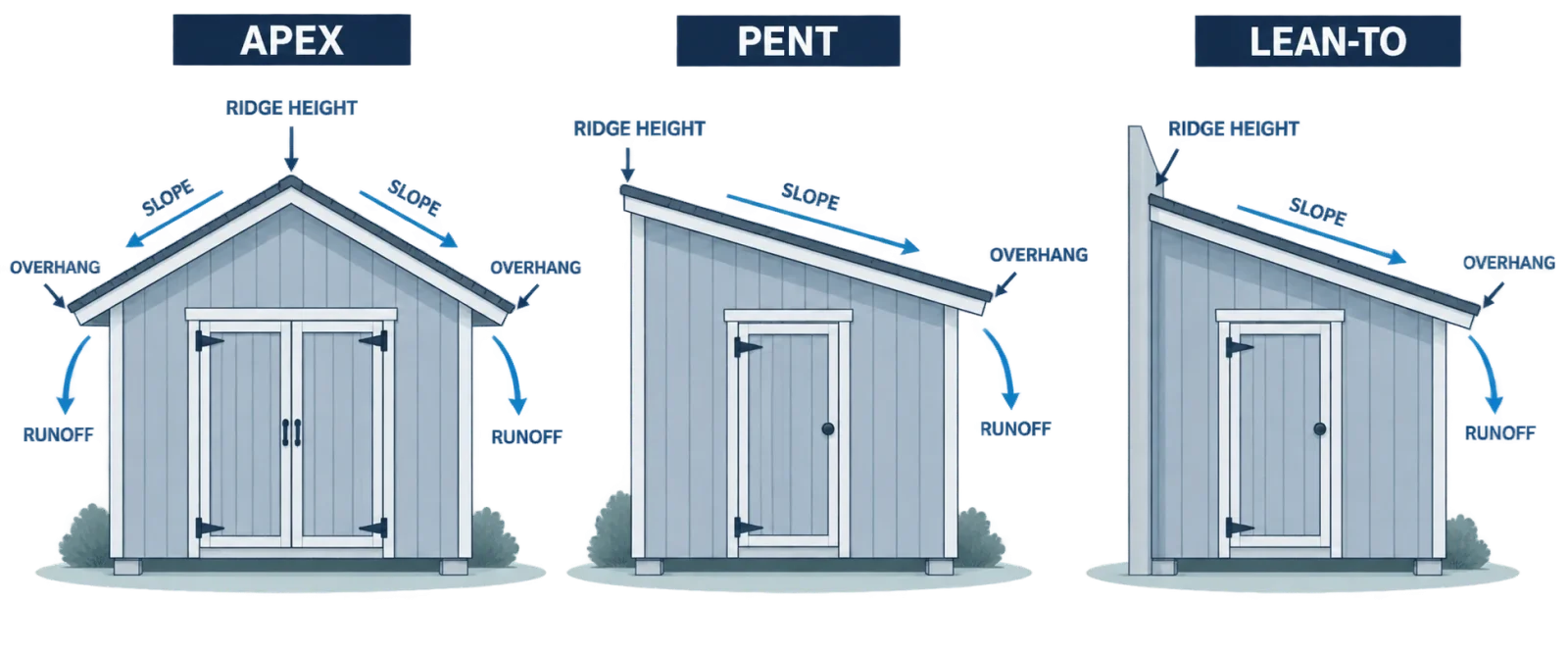
A shed roof affects headroom, drainage, total height and placement. An apex roof has a central ridge and more height at the middle. A pent or lean-to roof slopes in one direction and can fit beside a wall when runoff and maintenance access are planned correctly.
| Roof style | Best fit | What to check |
|---|---|---|
| Gable or apex roof | General storage, workshops and sheds where central headroom is useful | Ridge height, total permitted height, runoff direction and roof ventilation |
| Pent roof | Narrow sites or sheds placed beside a wall | Slope, wall clearance, drainage and maintenance access |
| Lean-to roof | A compact shed beside an existing structure | Whether the adjacent structure can tolerate the arrangement and where water will drain |
Compare the highest point, overhangs, runoff path, roof covering and compatibility with the site. Check permitted height at the highest point, not just the wall height.
Felt, shingles, metal and rubber or EPDM coverings have different costs, installation methods and maintenance requirements. Confirm whether the covering is included, how it attaches and whether it is suitable for the shed structure.
7. Shed doors: what should you choose?
Choose a shed door around the largest item you will move through it, not around the empty floor. Compare the clear opening, door swing, hinges, latch, threshold and security.
Hinged vs. sliding doors: Hinged double doors can provide a wide opening for equipment. Sliding doors save swing space but need a straight, properly supported track and enough wall clearance. Compare the actual unobstructed opening rather than the panel size.
Door width, thresholds and shed ramps: A shed ramp can make mower, cart and bicycle access easier. The ramp must match the clear opening, remain stable and provide a manageable transition over the threshold. Also confirm the structural opening, headroom, weather sealing and installation requirements before treating it as a standard shed feature.
Locks, latches and hinges: For valuable tools or bicycles, check the shed door locks, shed door latch and shed door hinges. A good lock cannot compensate for weak hinges, a thin door or inadequate anchoring. Look for reinforced hinge mounts, a latch that resists forced movement and a frame that can accept the chosen lock.
8. Shed windows: do you need them?
Shed windows bring in daylight and may improve airflow when they open. They can also make contents visible and create another location that needs sealing and security.
Compare window placement, glazing, opening hardware, security and maintenance. A windowless design may be better for basic storage. Skylights can provide daylight without a wall opening where the model supports them; verify how they are sealed and maintained.
9. What type of shed floor do you need?
A shed with a floor can be convenient, but the floor still needs to support the equipment you plan to store. Compare the stated load capacity and ask whether heavy items need extra support.
Shed flooring may use timber, resin, composite or another system. Compare feel, moisture exposure, cleanability, replacement options and compatibility with the foundation. Do not assume that a floor included with a kit is suitable for a workshop, heavy mower or concentrated equipment load.
10. What type of shed base or foundation is best?
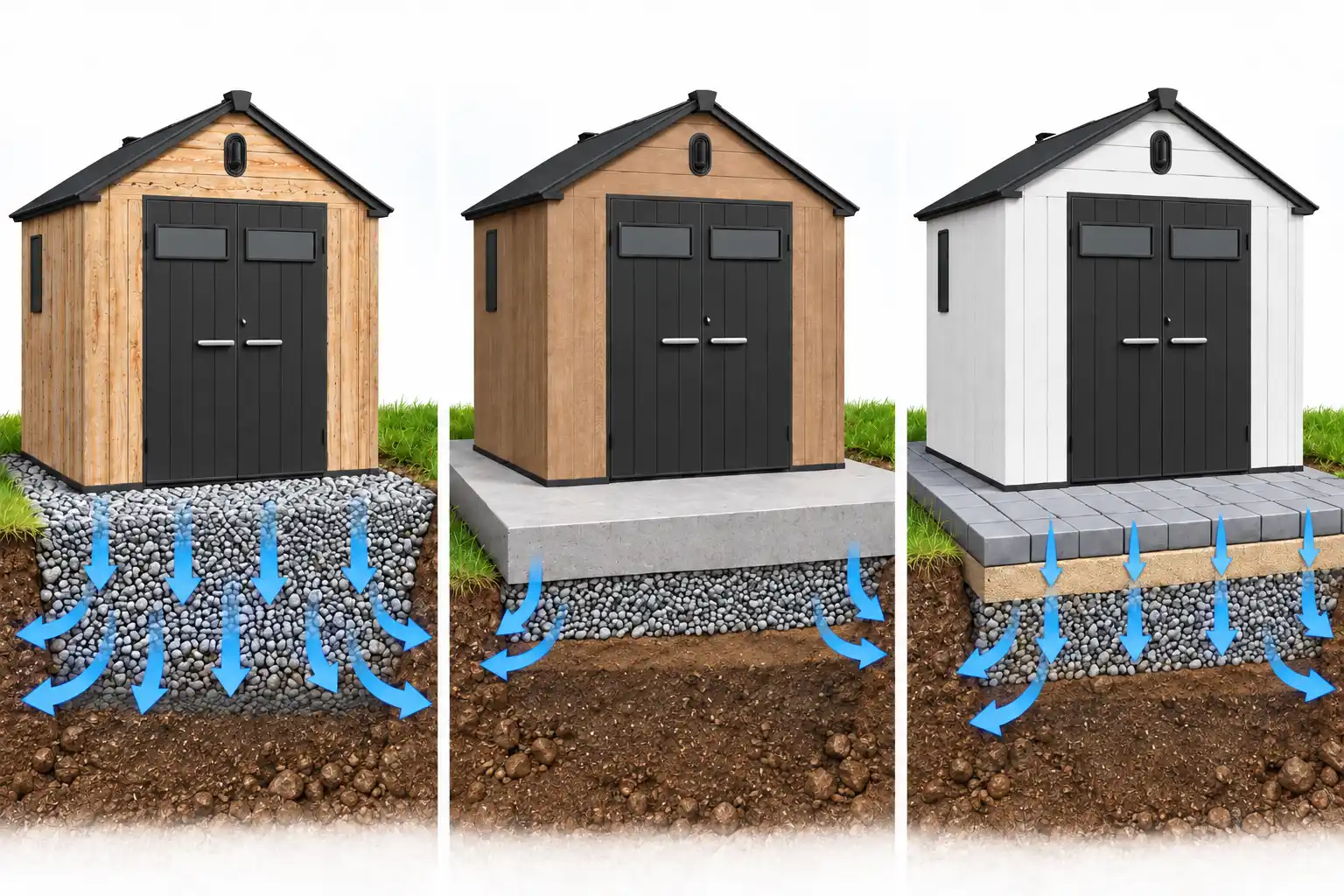
A shed foundation should be level, stable, well drained and compatible with the exact shed. Options include a compacted gravel base, concrete slab, concrete pavers, timber foundation or modular base. Soil, slope, load, climate and shed design all affect the choice.
Compacted gravel foundation: This type of base can provide good drainage for many storage sheds when the site is properly excavated, edged, filled and compacted. Confirm the aggregate type, depth, compaction method and exact footprint in the shed instructions.
Concrete slab foundation: A concrete slab foundation for a shed can provide continuous support, but site access, runoff, curing time, dimensions, reinforcement and anchor details must be planned. Follow the manufacturer’s requirements rather than copying a generic slab thickness.
Pavers, timber and modular bases: Pavers may work where the shed design permits discrete supports and the surface remains level. Timber or modular systems can provide clearance and adjustability, but moisture exposure, anchoring and replacement must be considered.
The U.S. Department of Energy explains that water management includes drainage, bulk water control and preventing vulnerable materials from remaining in direct ground contact. Those principles support careful site preparation, but the shed manufacturer’s foundation and anchoring instructions control the model-specific installation.
11. DIY shed or professional installation?
A DIY shed can reduce labor costs, but assembly still requires time, tools, a level base and help with large panels. Read the instructions before purchase and confirm what is included.
A pre-built or professionally installed shed may cost more but can simplify assembly, delivery and alignment. Compare whether the quote includes the foundation, floor, roofing, anchoring, unloading and cleanup.
Delivery access matters. Check gate width, turning space, unloading distance, overhead obstructions and whether the installer will prepare the site.
12. How much should a shed cost?
Compare total installed cost, not just the purchase price. Include the shed, foundation, delivery, unloading, installation, flooring, roof covering, anchoring, permits, lighting, electrical work, insulation and interior fit-out.
Review the exact model’s warranty, exclusions and maintenance requirements. Ask what weather exposure, assembly conditions and anchoring are required to keep coverage valid. Compare each quote with the same checklist so that a lower headline price does not hide missing components.
Use one comparison table for every quote. Enter the actual amount or write included, not included or quote required so each supplier is measured against the same scope.
| Cost item | Quote A | Quote B | Quote C | Notes to verify |
|---|---|---|---|---|
| Shed structure and material | Model, dimensions, wall and roof specification | |||
| Floor or flooring system | Included floor, load rating and finish | |||
| Roof covering | Felt, shingles, metal or EPDM; installation included? | |||
| Foundation or shed base | Gravel, concrete, pavers, timber or modular system | |||
| Anchoring and site preparation | Excavation, leveling, anchors and drainage | |||
| Delivery and unloading | Access limits, distance and equipment charges | |||
| Assembly or professional installation | Labor, alignment, cleanup and exclusions | |||
| Doors, windows and ramp | Clear opening, glazing, threshold and compatibility | |||
| Lighting, power or solar system | Equipment, wiring, batteries and permits | |||
| Insulation, ventilation or humidity control | Materials, installation and operating requirements | |||
| Permits, taxes and fees | Local approvals and inspection costs | |||
| Total installed cost | Use the same inclusions in every column |
13. Shed ventilation: why does it matter?
Shed ventilation helps manage heat and moisture. A shed vent can support passive airflow when placed and protected appropriately. Consider high and low vent placement, insect screening, rain protection and whether the vent reduces security or weather resistance. Open windows may help when outside conditions support drying, but ventilation is not universally helpful during hot, humid or rainy conditions.
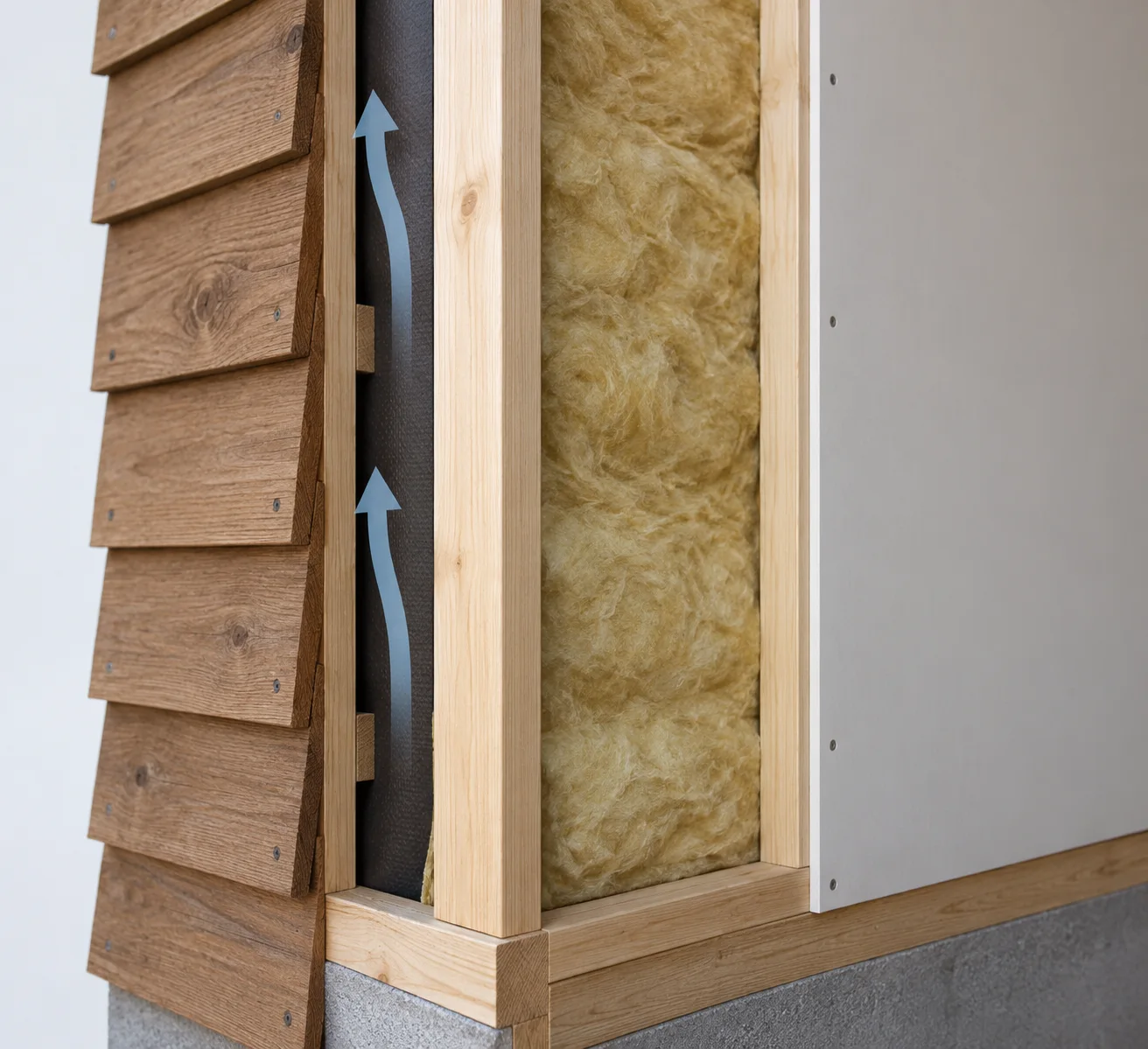
Condensation forms when moist air reaches a surface cold enough for water vapor to condense. Identify the source first: rain entry, wet tools, soil, plant moisture or humid air. Then improve drainage and drying, keep stored items off walls and floors, and use vents or windows when appropriate.
The DOE describes bulk water, capillary movement, air-carried moisture and vapor diffusion as different moisture paths. That framework helps explain why sealing one leak may not solve a damp shed. Use shed-specific instructions for details. Read the DOE moisture-flow overview.
14. Does your shed need insulation?
An insulated shed may be worthwhile when people spend time inside or when temperature-sensitive items need protection. Treat the walls, roof, floor, air leakage and moisture management as one system.
Insulation alone will not prevent overheating or condensation. For an office or workshop, plan ventilation and heating or cooling alongside insulation. The DOE notes that heat and moisture behavior depends on climate and construction assembly; residential wall guidance should not be copied as a prescriptive shed retrofit. Review the DOE heat-flow guidance.
15. Shed lighting and power options
A single light may be enough for occasional access, while a workshop needs task lighting over benches and walkways. Solar-powered lights can work where the panel receives enough sunlight and the battery can cover the required operating time. Check panel position, battery capacity, weather rating and winter performance.
A properly sized solar setup can power shed lights, sensors and small devices when the panel, charge controller, battery and expected load are planned together. Running large tools, heating or cooling would require a substantially larger system.
For permanent wiring, outlets or heating, plan the service before installation. Confirm permit, grounding, weather protection and inspection requirements with the local authority having jurisdiction, and use a qualified electrician.
16. Smart Shed Features Worth Considering
Smart shed features are most useful when they make the space easier to use, more comfortable or simpler to monitor. Consider these options based on how you use the shed:
Motion-activated lighting: Lights that turn on when someone enters can make access easier after dark. Check detection range, activation time, power requirements and whether they work without an internet connection.
Temperature and humidity monitoring: Sensors can alert you to conditions that may affect comfort or stored items. If you also need heating, cooling or dehumidification, check the power supply, drainage needs and weather ratings for that equipment.
Solar power: A solar setup can support lighting, sensors and other small loads where grid power is difficult to install. Compare panel position, battery capacity, winter performance and total connected load.
Smart locks and access control: A keypad, app-enabled lock or electronic latch can help manage access. Check for a manual override, battery backup and operation if the phone, Wi-Fi or power supply is unavailable. The lock should be fitted to a sturdy door on a properly anchored shed.
Smart-home integration: Connecting compatible lights, sensors or locks to your home system can bring their status and alerts into one place. Verify device compatibility, Wi-Fi coverage and what still works offline.
Mobile app monitoring: An app may let you check conditions, receive alerts and change settings remotely. Review subscription fees, notification options and account security before choosing a system.
Choose only the features that match the shed’s use, and make sure the roof, foundation, drainage, ventilation and basic access are reliable first.
17. Shed organization and maintenance
Good shed organization keeps the floor available for large items and makes leaks or pests easier to notice. Useful shed organization ideas include wall-mounted hooks, shelves, a tool board, labeled bins and a dedicated charging area. Keep heavy items low, leave a clear path to the door and avoid blocking vents.
Inspect the roof, doors, windows, base and anchors at least annually and after severe weather. Clear leaves around the walls, clean vents and check for loose fasteners, corrosion, cracks or pooling water. Follow the manufacturer’s care instructions for the material and finish.
Shed buying checklist
- Define the main use and list the items to store.
- Measure the largest item, clear door opening and delivery route.
- Compare shed sizes using usable interior dimensions, not footprint alone.
- Check permits, setbacks and HOA rules before ordering.
- Compare the frame, material, shed roof, doors, windows and warranty.
- Confirm whether flooring, roofing, anchoring and accessories are included.
- Choose a level, well-drained shed foundation or base suited to the model.
- Plan shed ventilation, security, lighting and storage before filling the shed.
- Decide whether motion-activated lighting, temperature or humidity monitoring, solar power, smart locks, smart-home integration or mobile app monitoring solves a specific problem before adding it.
- Budget for delivery, installation, electrical work and maintenance.
- Keep the product manual, warranty and approved assembly details.
If you have further questions about buying suitable garden sheds, feel free to contact us.
Frequently asked questions
What size shed should I buy?
Measure your largest items and leave room for shelves, access and future needs. Compare interior usable dimensions, clear door opening and exterior footprint before choosing among shed sizes.
Does a shed need a foundation?
Most sheds need a firm, level base suited to their design and local ground conditions. Follow the manufacturer’s instructions and check whether the structure must be anchored.
Does a shed need ventilation?
Ventilation can help manage moisture and heat, but the amount and type depend on the climate, shed material and what you store or do inside. Fix water entry and drainage problems first.
Can a shed run on solar power?
Solar can often power shed lights, sensors or small devices when the panel and battery are sized for the load and available sunlight. Larger tools or heating may need a different power plan.
Do I need a permit for a shed?
It depends on local rules, shed size and height, placement and use. Confirm requirements with the local building department and HOA before ordering.