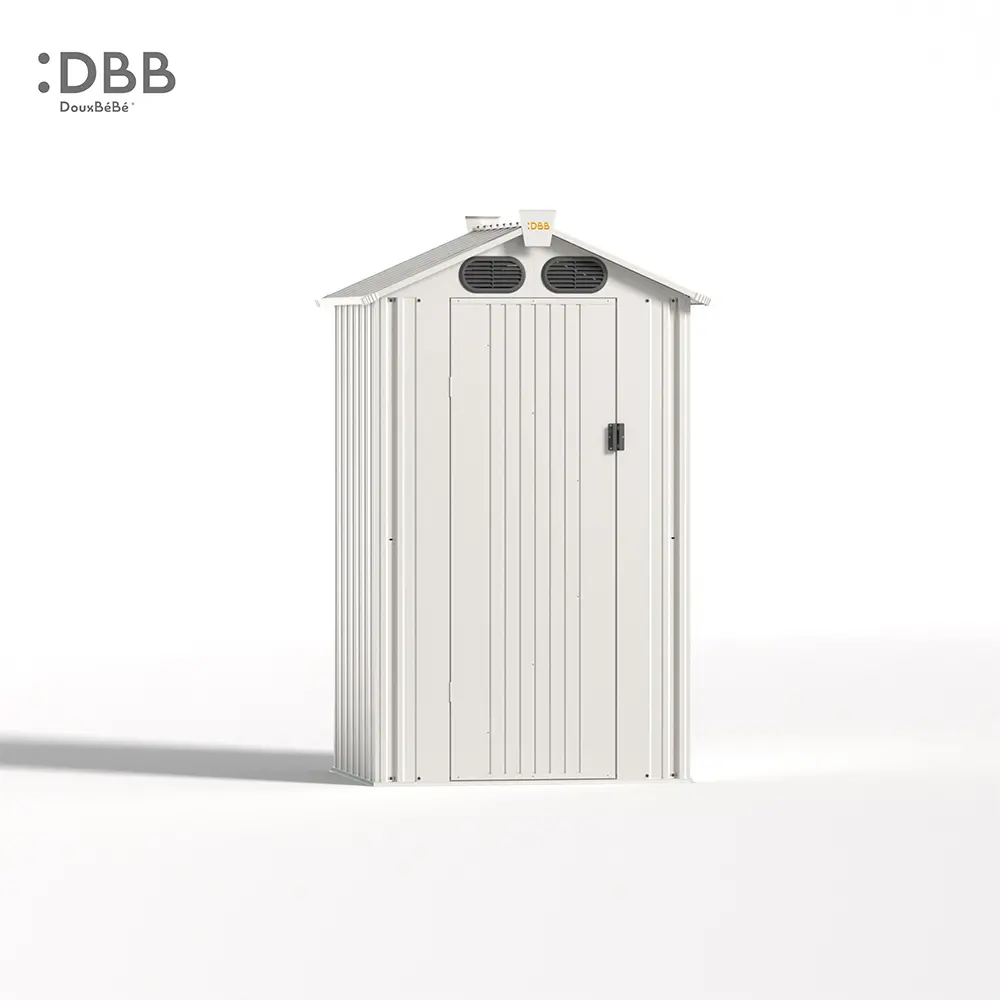
End buyers often choose wooden sheds for long-term use. However, wood is more expensive and difficult to relocate when they want to redesign their backyard or patio. That’s why they turn to resin sheds instead.
Wholesale resin sheds are entering a mature market where the easiest sales have already been made. Around 62% of UK households and 61% of Dutch households already own a shed or garden house. Growth has slowed to about 4.5% a year in Europe, against 7.1 to 7.2% globally. It means most of what’s left to sell is a replacement or a second structure for a new use, not a first purchase.
In this slower-growth environment, wholesale buyers need to evaluate supplier orders with more caution. To help them make informed purchasing decisions, this guide breaks down what actually separates a shed that keeps reordering from one that sits in a warehouse.
TL;DR
Resin sheds remain one of the steadiest categories in outdoor storage, and end buyers keep coming back to them. This guide covers what retailers of any size, from private brands to supermarket chains, should know before sourcing resin sheds in bulk: why working directly with a manufacturer beats going through a sourcing agent, what separates stable resin from cheap resin, how fabrication method affects design flexibility, and what actually determines a shed’s real-world performance.
Find a Manufacturer, Not a Sourcing Agent
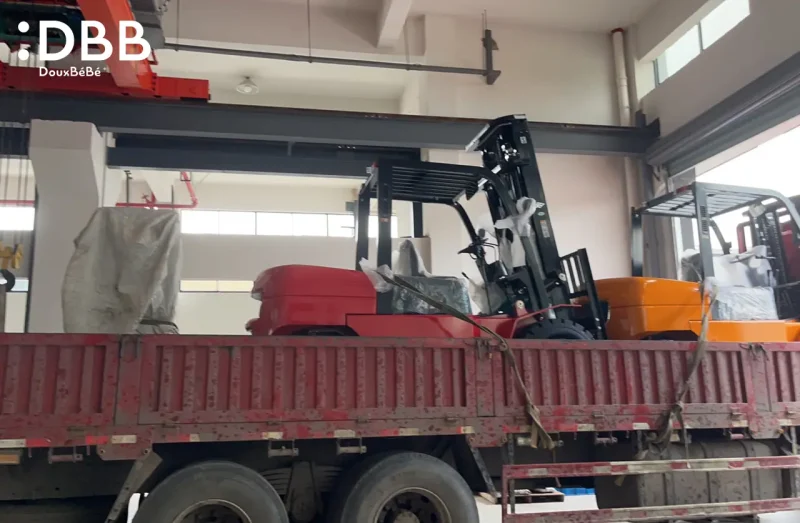
A sourcing agent finds you a factory. A manufacturer is the factory. That difference matters more once you’re past your first order.
Working directly with the manufacturer gives you access to in-house engineers who can adjust a mold, a wall panel, or a door mechanism to match what your customers are actually asking for, not just what’s already in a catalog.
You can also arrange a factory audit, tour the production line, and speak directly with the team about its quality-control processes. Direct communication also removes an extra layer of markup and reduces delays: every change request that goes through an agent adds a round trip, and every round trip adds weeks.
Resin Materials for Wholesale Sheds
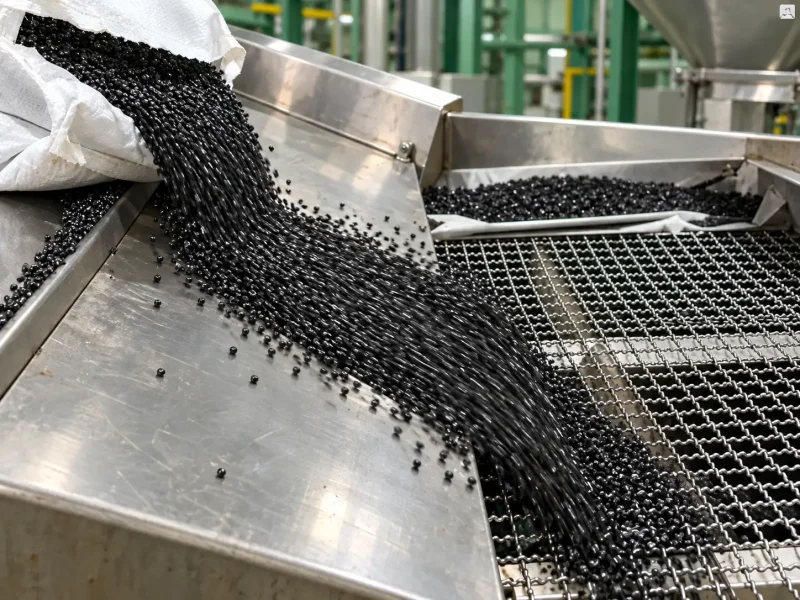
PP (polypropylene): A thermoplastic resin known for chemical resistance, fatigue resistance, and a relatively low density compared to other plastics used in outdoor structures.
HDPE: A thermoplastic resin known for impact resistance and moisture resistance, commonly used in outdoor and storage products as an alternative to PP.
DiBiBi builds sheds from polypropylene (PP) rather than HDPE. Once properly stabilized, PP holds up better under sustained UV and heat exposure. Its lower density also keeps shipping weight down, so shipping cost is down.
Recycled Content Rate
Buyers sourcing wholesale sheds in eco-friendly materials should ask their supplier about this directly, since how much recycled content goes into the granules varies from factory to factory. In DiBiBi, we scrap left over from sampling and other production waste gets fed back into the mix. The recycled share is kept between 25% and 35%. Above that range, the color may shift, and the panel’s performance may suffer.
Resin Fabrication Methods and Their Effects
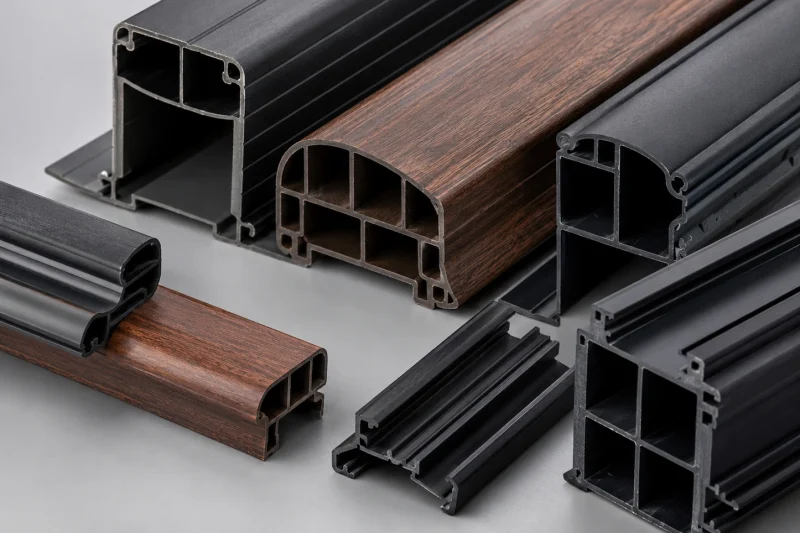
Resin granules become shed parts through several methods. Most shed suppliers uses injection and extrusion, blow molding used for a few parts as well.
Injection molding costs more. A mold has a 3D cavity and a core. Together, they shape the whole product in one step, including its thickness and small details. After taking several rounds of sample testing, and once the mold is finalized, the steel is already cut to that shape. Getting it right takes several rounds of sample testing, and once the mold is finalized, the steel is already cut to that shape: one design means one mold. Ask for a new roof line or a new window design, and the manufacturer has to cut a new mold from scratch.
Extrusion works differently. Its die is like a flat plate with a fixed opening. Plastic is pushed through the opening to make a long, continuous strip. The strip has the same shape from one end to the other, like a wall panel or a window frame piece. Because the die is simple, it is cheaper and easier to make and adjust than an injection mold.
Resin Building Performance
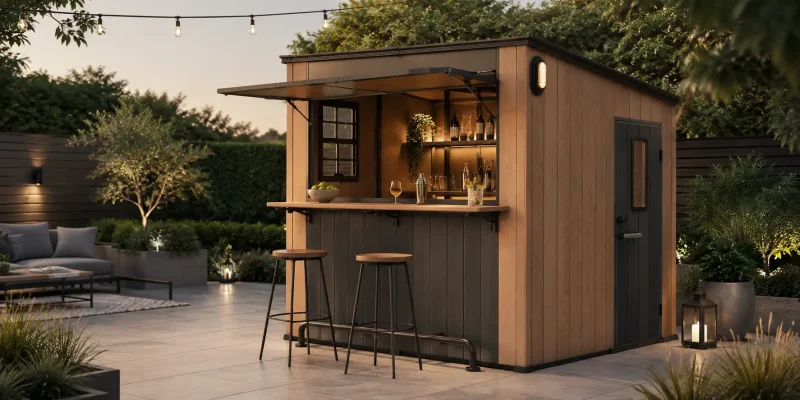
A resin shed sells on its quality and function. End buyers want more from it than a good look: they want to know what it can stand up to and what they can use it for.
Retailers or dealers should consider four key performance factors when selecting resin sheds.
Thermal Insulation
In hot desert climates, summer temperatures can exceed 100°F. Customers may worry that the panels will soften, warp, or weaken in extreme heat. Retailers should therefore check both the resin formula and the wall construction with the factory.
Double-wall construction improves thermal performance. The space between the inner and outer walls traps still air, which slows heat transfer into the shed. Panel thickness is also useful for comparison, but the complete wall construction is more important than thickness alone. Some sheds use 12 mm panels, while some DiBiBi models use 16 mm panels.
What also matters on the spec sheet is the heat deflection temperature of the compound and the wall construction. A double-wall panel traps a layer of still air between the outer and inner skin, and still air is what slows the transfer of outside heat into the storage space. At least 12mm, or 16mm like DiBiBi.
The inside of a closed shed will still become hot in direct sunlight. Retailers should check whether the shed includes vented windows or other ventilation features. Color options also matter. Lighter colors absorb less heat in high latitude with hot climate, while warmer colors may be more attractive in cooler seasons.
Electricity Convenience
Modern sheds are used for more than basic storage. They are needed to install lights, power outlets or air conditioners.
Resin has one clear advantage here. It is a non-conductor, so the structure itself does not need bonding and grounding the way a steel shed does, especially in wet environments. However, all wiring and electrical equipment must still meet local grounding and safety requirements.
Cable installation can be a challenge because resin sheds do not have timber studs for securing wires. A well-designed shed should include conduit channels, cable openings, or reinforced areas that can be drilled without weakening the panel loads.
Ask your supplier what the shed offers in this respect before you list it. Local electrical rules still govern the final connection, and that is the owner’s electrician’s job, but a shed designed with a cable route is far easier for a retail customer to say yes to.
Water Drainage
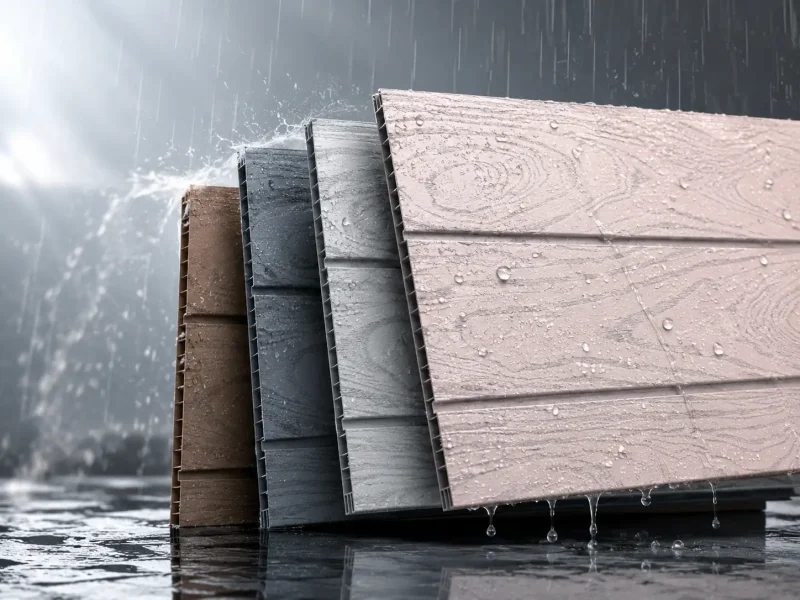
Purchase sheds with a drainage design, both outside and in.
On the outside, it starts with the roof. A gable or pent roof has an angle that lets rain run off naturally. Choose sheds with drainage gutters on both sides, so the water is carried away from the walls.
On the inside, it comes down to water resistance. Water gets in through three places: the roof, the panel joints, and the floor line. A pitched roof with overlapping panels and a sealed ridge handles the first
One of our distributors told us the base is where most of their complaints come from. A resin floor pan with a raised lip keeps standing water out, but only if the shed sits on a level, well-drained base. Ask the supplier whether they provide detailed instructions for building a DIY base, or offer floor accessories.
Lifespan
Ask the manufacturer whether they have tested shed products with these standards below to add more trust worthy:
- UV test: Ask for the UV test report to see how the panels hold their strength and color in long sun exposure.
- Wind test: 80 mph is the standard number
- Snow load: Look for a rating of around 100 kg/m²
- Corrosion solution: Resin doesn’t rust, so ask how the metal shed parts and screws are protected.
Shed Size Selection
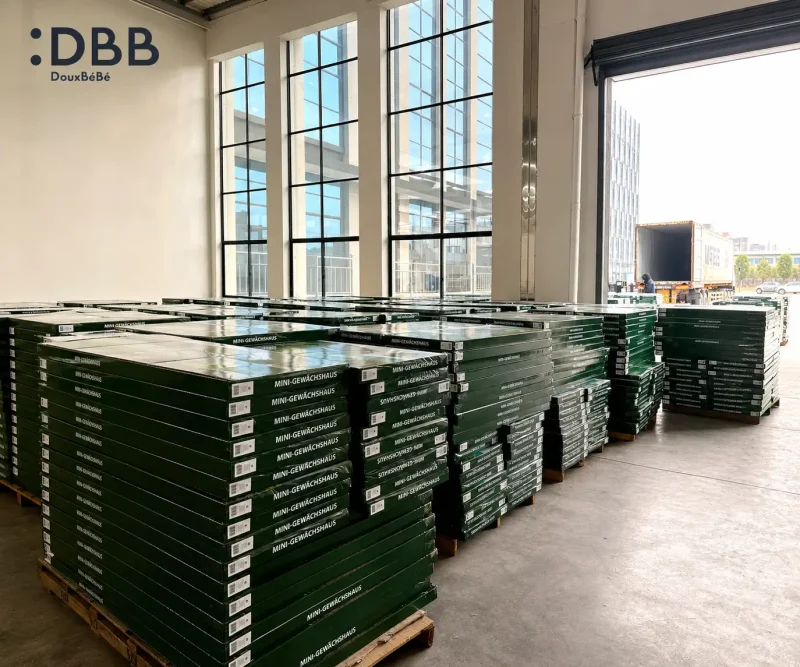
Choosing the right shed size involves more than meeting end users’ storage needs and weather-resistance requirements. For wholesale buyers sourcing sheds in bulk, several additional factors must be considered:
- Packaging regulations
- Port restrictions
- Carton design
- Delivery efficiency
- Labor costs for manually unloading packages
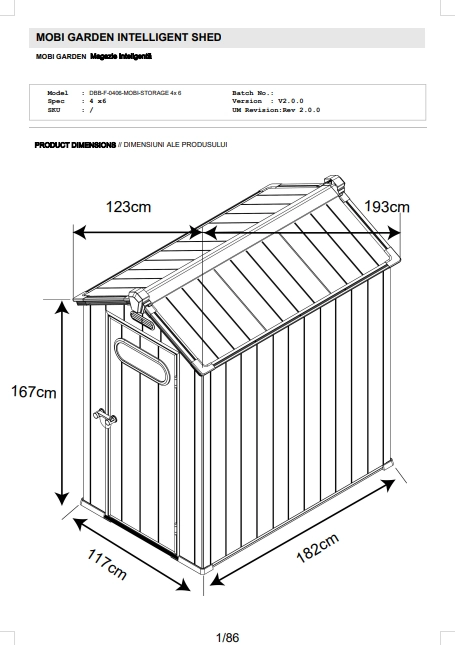
DiBiBi recommends proven, popular shed sizes such as 10 × 8 ft for versatile everyday use, 6 × 4 ft for basic garden storage, and 12 × 10 ft for larger backyards. Customized sizes are also available to meet specific market requirements.