













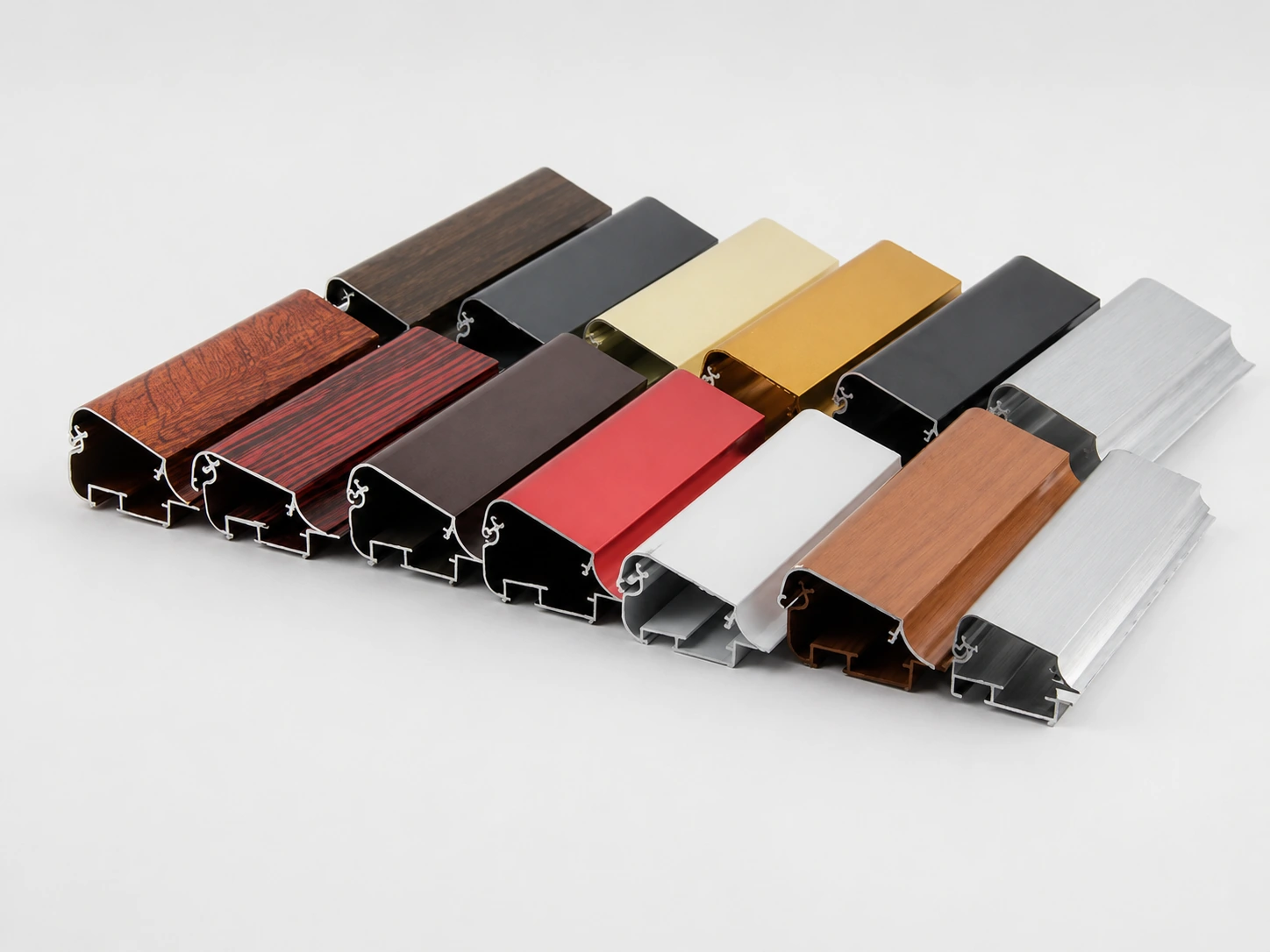
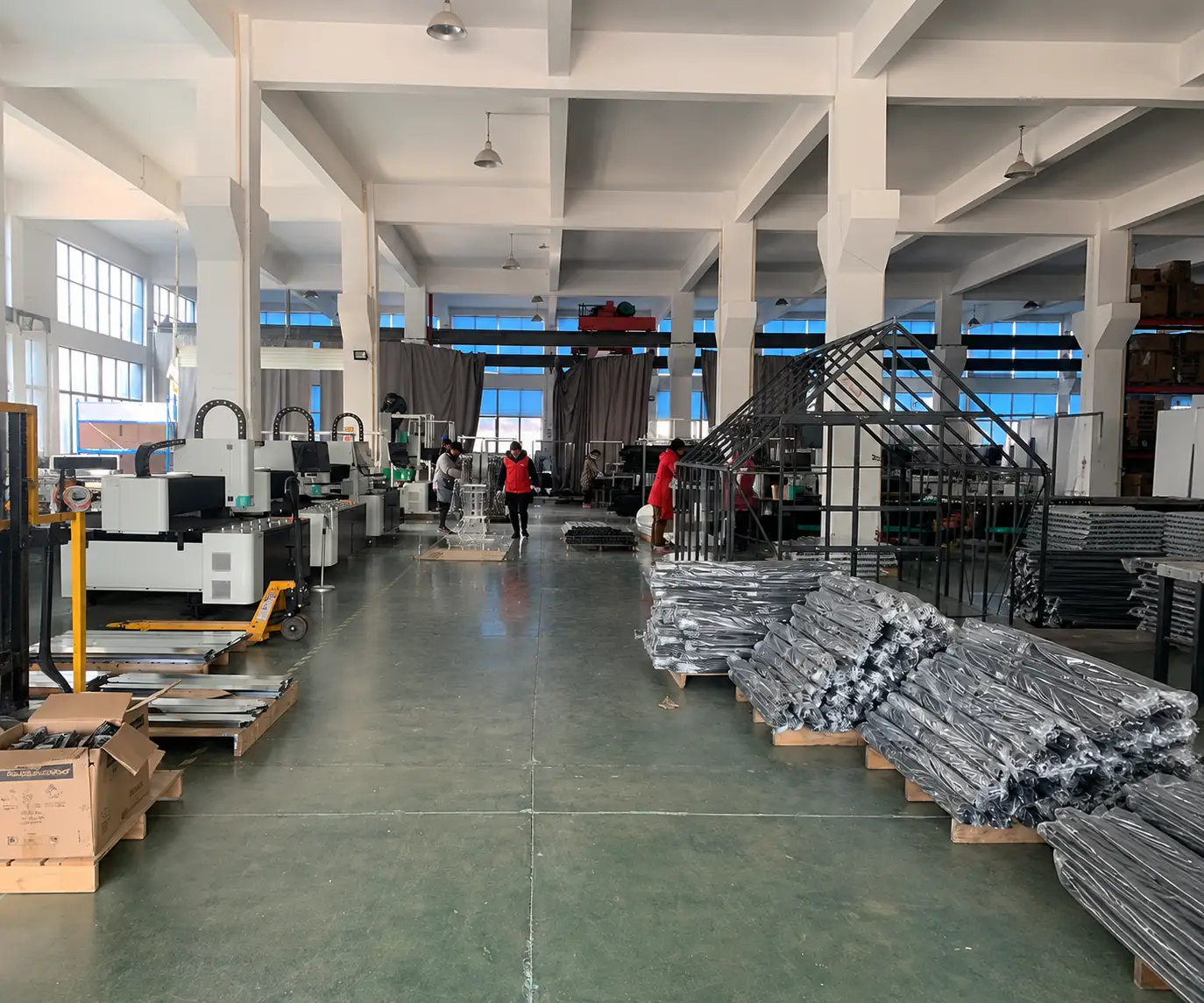
OEM partners, private-label brands, importers, distributors, e-commerce sellers and DIY retail chains — each with its own MOQ, tooling and lead-time terms.
Buyer case
Retail-Ready Packaging for a 600-Unit Shed Order
600 resin sheds repacked into retail-ready carton sets. Extra handling costs fell 15%, with six more sets per container.
Profile
A retail customer ordered 600 resin sheds across three size configurations for distribution through its retail network.
The project required more than conventional export packaging. The sheds needed to remain protected during ocean transportation while also meeting the receiving, storage and handling requirements of e-commerce fulfilment centres and third-party warehouses.
Because several shed components exceeded standard parcel-handling dimensions, the original packaging arrangement could have resulted in additional oversize shipping and handling charges. DiBiBi therefore reviewed how the components were divided, protected and arranged within the cartons.
Based on the customer’s delivery model, the revised solution reduced potential additional shipping and handling costs by approximately 15% while meeting the required warehouse storage and handling standards.
The customer’s identity, sales channels and commercial information remain confidential.
Situation
A refabricated resin shed contains wall, floor and roof panels, metal reinforcement, doors, hardware and installation accessories. Depending on the size and structure of the model, these components may be too large, heavy or vulnerable to damage to be packed safely in a single carton.
Dividing each shed into several cartons made the individual packages easier to handle, but introduced several operational risks. Hardware and small connectors could be lost during transportation or unpacking. And the Inefficient carton dimensions could reduce the number of complete sets loaded into a container. Packaging therefore had to be treated as part of the complete distribution system—not simply as protection for the ocean shipment.
DiBiBi Solution
DiBiBi began by looking beyond the export carton itself. The customer was distributing the sheds through retail, so the packaging had to work at every stage after arrival — container unloading, warehouse receiving, inventory storage, last-mile delivery and final installation.
A package that survived ocean freight could still create problems if it exceeded warehouse handling limits, attracted additional shipping charges, or made complete shed sets difficult to identify.
Rebuilding the carton sets around the product
Our team reviewed all three shed configurations individually. Wall and roof panels, metal reinforcement, doors, hardware and parts differed in size, weight and susceptibility to damage, making a single packing arrangement unsuitable for the entire order.
DiBiBi reorganized the components into coordinated carton sets, separating heavy structural parts from exposed resin surfaces and containing smaller hardware so that it could not move or become lost in transit.
Making the set identifiable as one unit
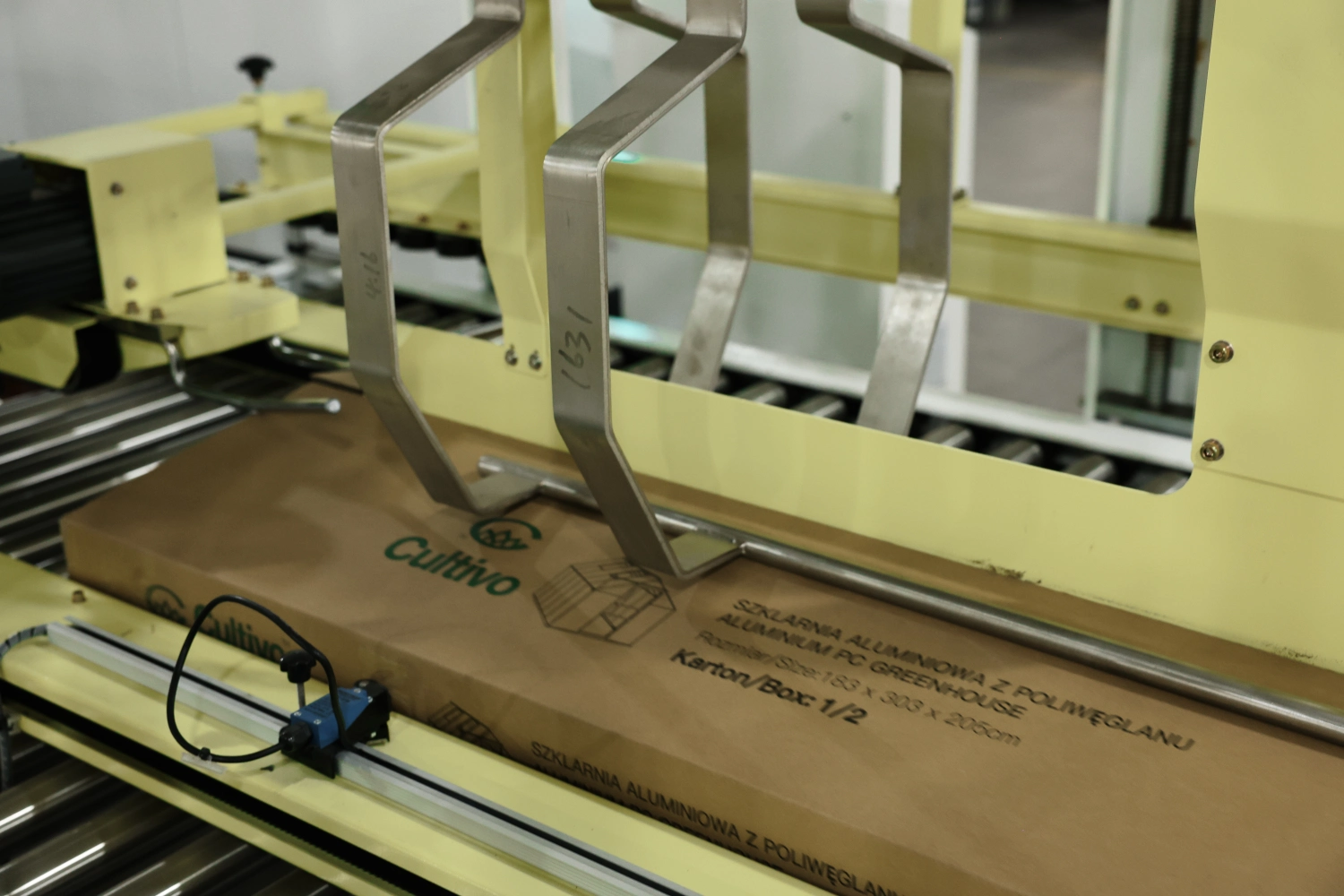
Every shed still consisted of several cartons, but the warehouse needed to receive and manage it based on its requirements. Each carton was therefore assigned a clear position within the set, using identification such as “Carton 2 of 4.” Product references, carton counts and handling information allowed warehouse teams to confirm that a complete shed had been received before it entered inventory or was released for delivery.
The carton arrangement was also planned around the installation sequence. Where possible, components used during the same stage of assembly were packed together.
Once the component arrangement had been established, DiBiBi reviewed the loading footprint. The original proposal used a packaged width of approximately 93–95 cm. Instead of simply trying to make every carton smaller, the team examined how the complete carton set would be positioned inside the container, and designed a protective foam block system to secure and cushion the components within the revised layout.
Customer Benefits
The final packaging solution treated all cartons belonging to one shed as a coordinated retail unit rather than as unrelated shipping boxes.
The completed program delivered:
- A packaging system adapted to three shed configurations.
- Clear identification of complete multi-carton sets.
- Better separation of structural parts and damage-sensitive panels.
- More secure hardware and accessory containment.
- Easier parcel handling and last-mile distribution.
- A carton sequence supporting unpacking and installation.
- Compliance with the customer’s warehouse storage and handling requirements.
- An estimated 15% reduction in potential additional shipping and handling charges.
- Six additional complete shed sets per container compared with the original proposal.
DiBiBi develops packaging specifications alongside the product and loading plan to help our customer move sheds efficiently from factory loading through container shipment, warehouse receiving and final delivery — arriving at each stage as a complete, correctly identified, installation-ready set.