
.:DBB R&D
Turning Engineering Ideas into Products.
DBB’s product development process brings together material selection, structural engineering, prototypes and manufacturing requirements. We translate product goals into practical engineering and production decisions.

Engineering starts with the product requirements.
Design and engineering challenges differ across outdoor sheds, garden structures and the materials used to make them.
Material
Surface design, process compatibility, component geometry and requirements for outdoor use.
Structures
Structural requirements, joining methods, roof and wall configurations and assembly sequence.
Product functionality
Doors, access, storage, accessories and model-specific features that affect both use and production.
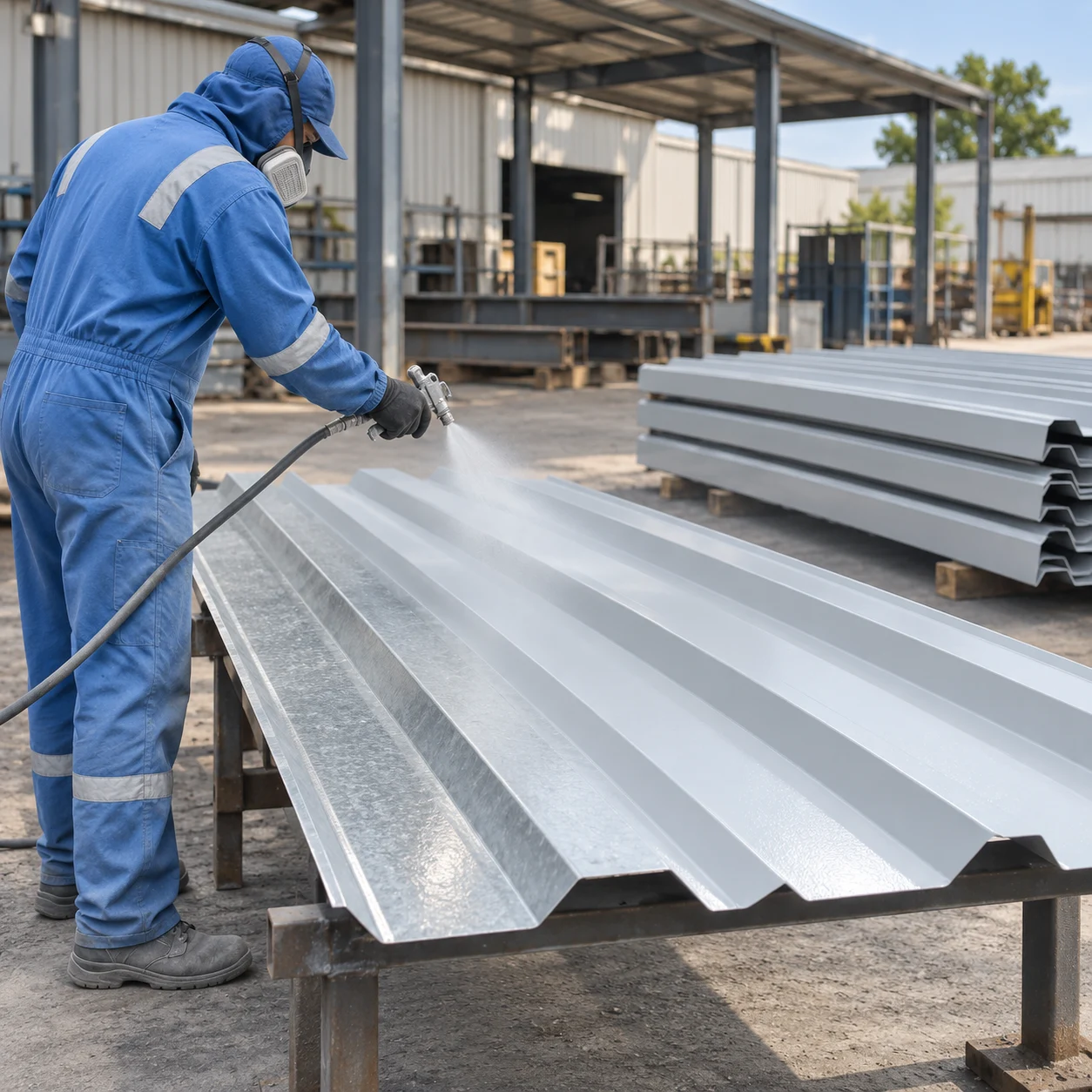
Engineering Decisions Work Together.
For a modular outdoor storage system, panel texture, door configuration, component interfaces and prototype dimensions must be considered together. Material selection, finish consistency, assembly and packaging also influence how the product is developed.
Our approach connects these decisions early, helping align product requirements with manufacturing considerations.
From brief to production handover.
The following steps outline our intended development process across teams. Project milestones and test methods are defined for each product program.
01 Brief
Buyer objectives, target market, intended use and constraints.
02 Engineering
Decisions on materials, structure, appearance and functionality.
03 Prototype
Physical samples and component-fit evaluation.
04 Evaluation
Relevant checks, revisions and documented decisions.
05 Trial production
Process readiness and manufacturing work instructions.
06 Release
Approved specifications and handover to production.
Engineering remains connected to manufacturing.
Structural engineers, tooling and process teams work with manufacturing, quality and packaging colleagues throughout product development. Together, they develop and evaluate product specifications.
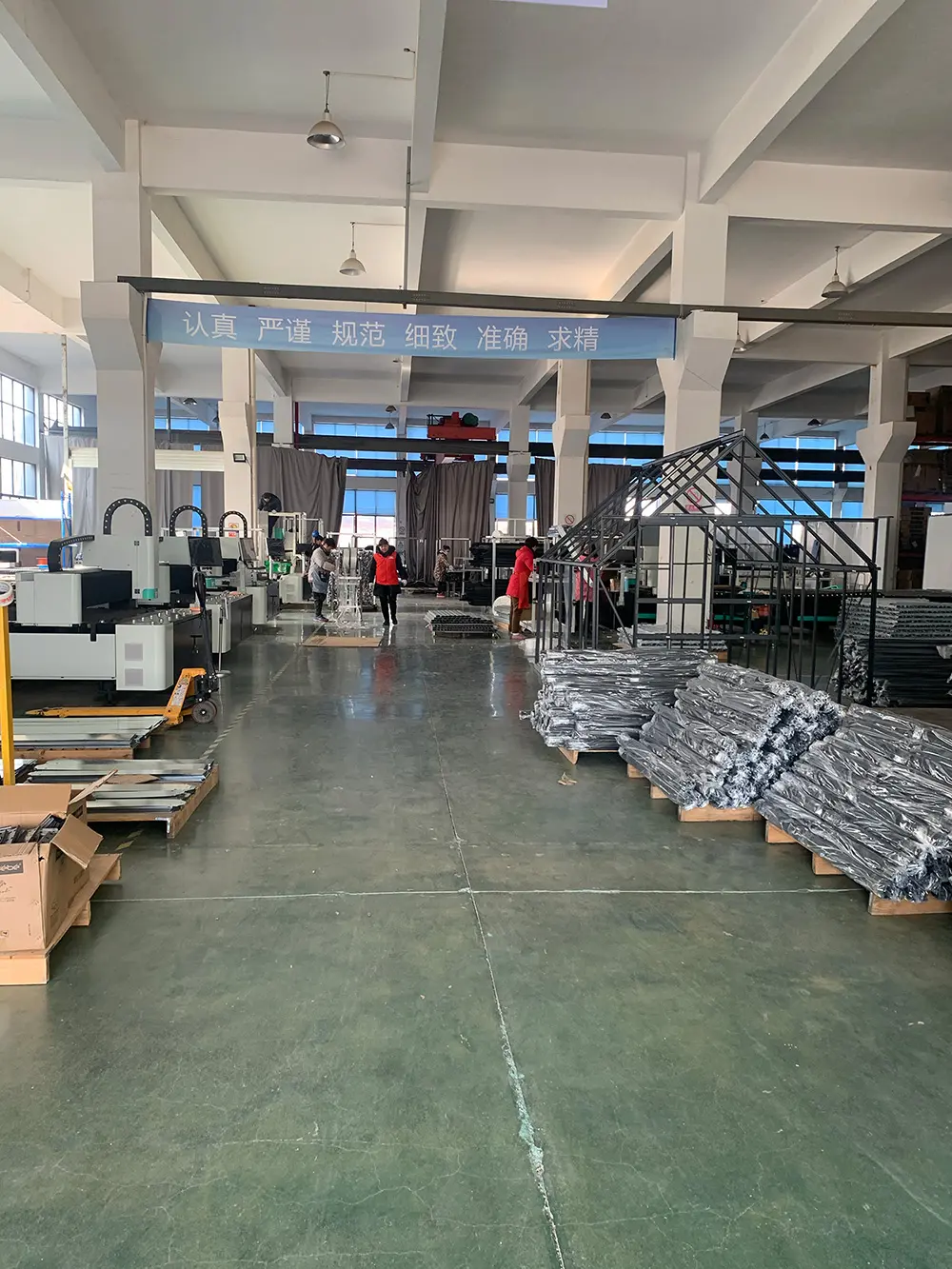
Product Evaluation, Backed by Clear Criteria.
Depending on project requirements, evaluation may include dimensional inspections, assembly trials, component testing and other product-specific assessments. Each evaluation is considered within a defined scope, taking into account the product model, version, materials, test methods and applicable conditions.
Evaluation Scope:
Identify the specific prototype, product model, version, material or component being assessed.
Testing Methods:
Define the relevant test methods, acceptance criteria and responsible teams, where applicable.
Result Interpretation:
Distinguish verified findings from design targets, expected performance and claims that have not yet been validated.
Discuss your engineering requirements.
Learn about our engineering, manufacturing and business teams, and view available positions.