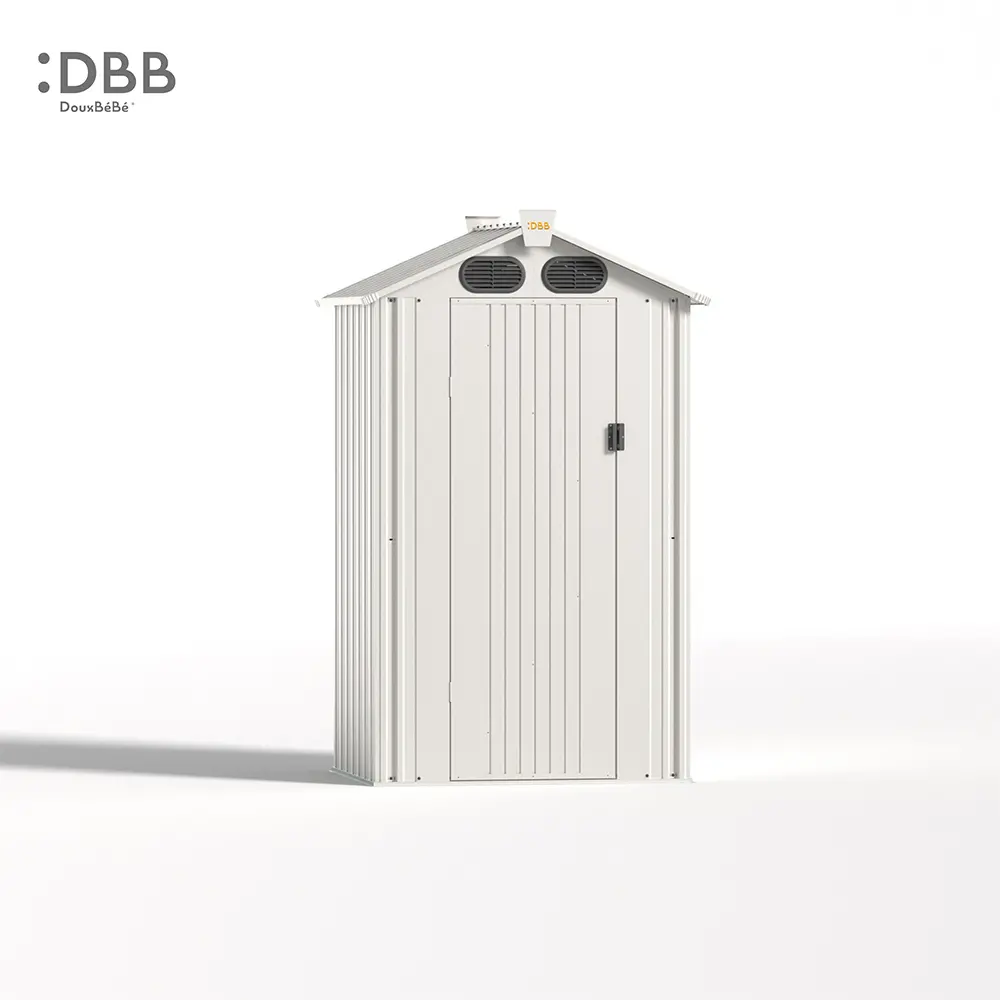
A gazebo can transform an ordinary backyard into a comfortable space for outdoor dining, entertaining, or relaxing in the shade. But before choosing a size or design, there’s one important decision to make: hardtop vs. soft top gazebo—which is better for your needs?
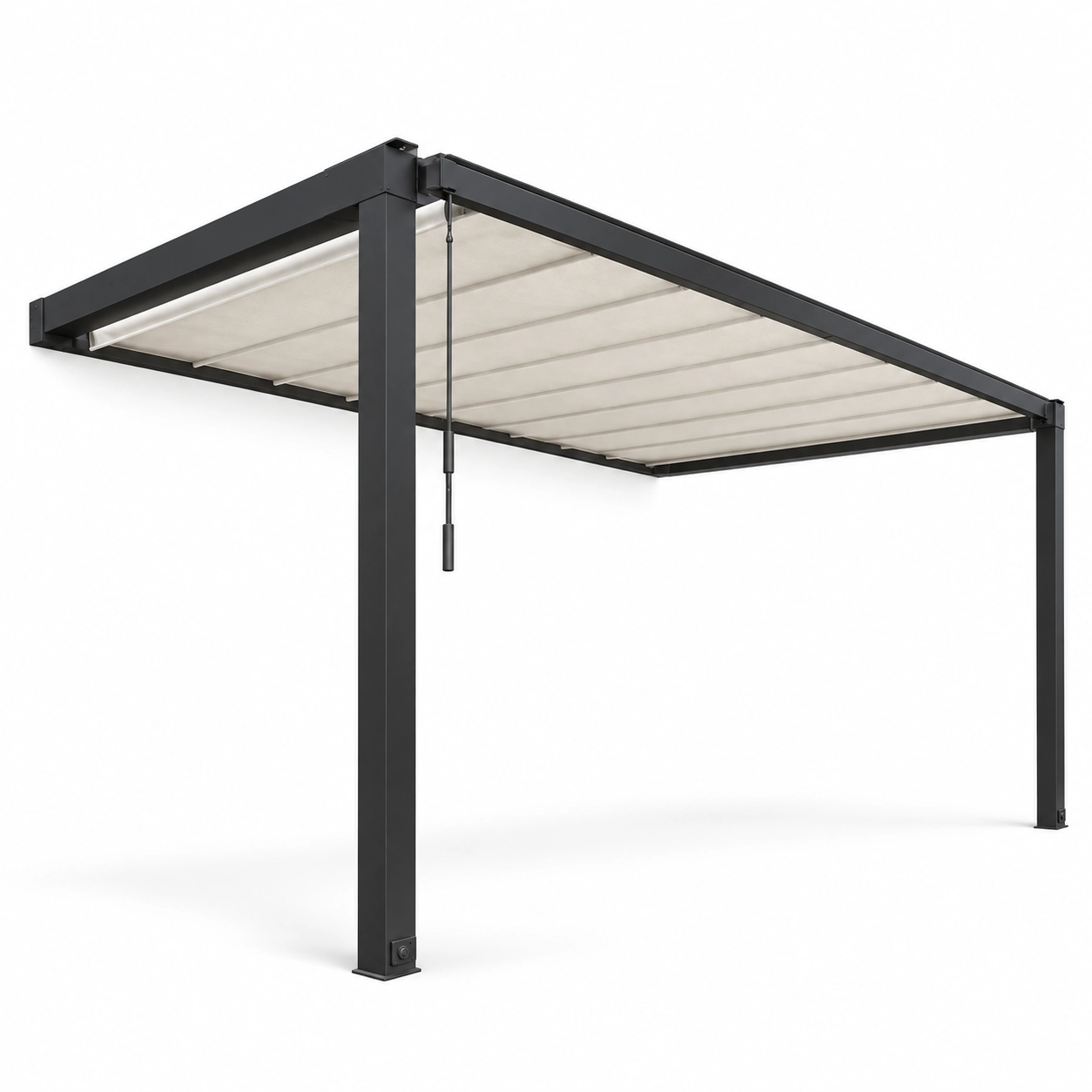
The biggest difference is the roof. A hardtop gazebo features rigid panels, usually made from steel, aluminum, or polycarbonate. A soft top gazebo uses a flexible fabric canopy, typically made from polyester or similar outdoor textiles. That single distinction affects everything from durability and weather protection to price, installation, and maintenance.
Neither option is automatically better. Hardtop gazebos generally suit homeowners seeking a long-term outdoor structure, while soft top models are ideal for affordable, flexible, seasonal shade. This guide explains the advantages, drawbacks, and practical considerations of both so you can make a confident choice.
Roof type is only one part of planning; the gazebo size must also allow for furniture and circulation.
Hardtop vs. Soft Top Gazebo: Quick Comparison
If you’re short on time, this table summarizes the main differences.
| Feature | Hardtop Gazebo | Soft Top Gazebo |
|---|---|---|
| Roof material | Rigid metal or polycarbonate panels | Polyester or other outdoor fabric |
| Typical use | Long-term, semi-permanent installation | Seasonal or occasional use |
| Upfront cost | Generally higher | Generally lower |
| Durability | Usually longer-lasting | Canopy wears faster and may need replacing |
| Rain protection | Typically more dependable | Varies by fabric, seams, and roof tension |
| Wind resistance | Depends on engineered rating and anchoring | Usually requires earlier removal in severe weather |
| Snow | Only if the model has a suitable snow-load rating | Usually remove canopy before snow |
| Installation | More parts, weight, and assembly time | Often faster and easier |
| Portability | Limited after installation | Easier to relocate or store |
| Maintenance | Inspect panels, finish, fasteners, and drainage | Clean, dry, tension, store, and replace fabric |
| Best for | Regular backyard living and long-term value | Events, renters, and budget-friendly summer shade |
Bottom line: Choose a hardtop gazebo for a more permanent outdoor living area. Choose a soft top gazebo if affordability, easy setup, and seasonal flexibility matter most.
What Is a Hardtop Gazebo?
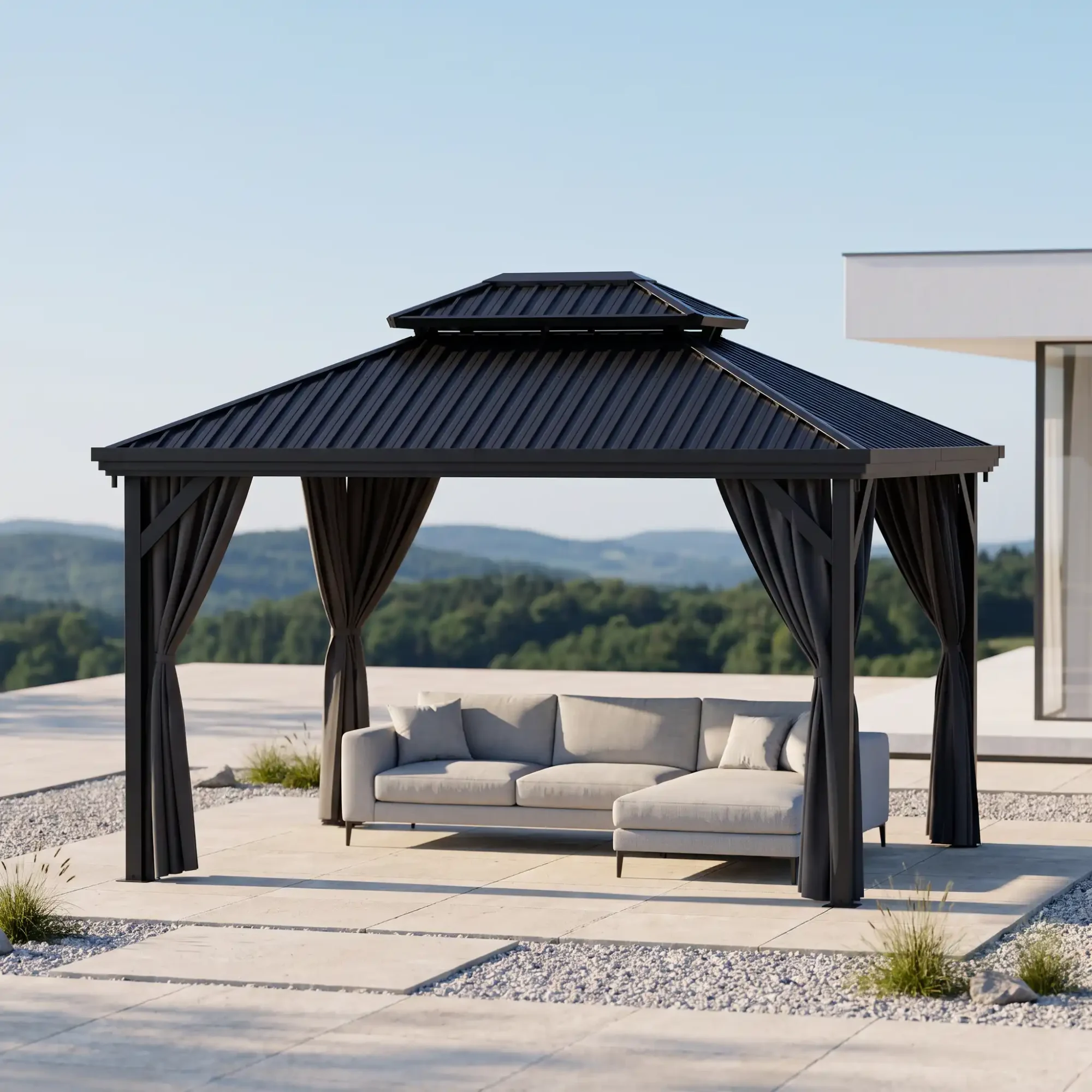
A hardtop gazebo is a freestanding outdoor shelter with a solid, rigid roof supported by posts and a structural frame. Common roofing materials include galvanized steel, aluminum, and polycarbonate. Frames are often built from powder-coated aluminum or steel, although some premium structures use wood.
Because the roof is rigid, hardtop gazebos are generally better suited to repeated exposure to sunshine and rain than fabric-roof models. Many are designed to remain assembled throughout the year, provided they are properly anchored and used within the manufacturer’s weather ratings.
Hardtop gazebos often come with decorative curtains, mosquito netting, or integrated hanging hooks. Their more substantial appearance can also help a patio feel like a defined outdoor room.
Advantages of a Hardtop Gazebo
- Greater long-term durability: Quality rigid roofing is less vulnerable to fabric tearing, stretching, and fading.
- More dependable rain coverage: Properly installed panels shed water without the sagging associated with loose fabric.
- Permanent backyard appeal: A solid roof creates a polished, architectural appearance.
- Less seasonal handling: You generally don’t need to remove and reinstall a fabric canopy every year.
- Potentially better long-term value: Higher initial costs may be offset by fewer canopy replacements.
Disadvantages of a Hardtop Gazebo
Hardtop gazebos cost more upfront, are heavier to transport, and generally take longer to assemble. They also require a suitable base and secure anchoring. A rigid roof does not make a gazebo storm-proof: wind uplift and snow loads remain serious concerns, especially when the structure is installed incorrectly or used beyond its rated limits.
What Is a Soft Top Gazebo?
A soft top gazebo features a fabric canopy stretched over a metal or sometimes wood frame. Polyester is common, often with coatings intended to improve water resistance and UV performance. Some styles feature double-tier vented roofs that allow airflow, while others use simple single-canopy designs.
Soft top gazebos range from lightweight pop-up shelters for gatherings to larger, more decorative patio models. Their main appeal is convenience: they typically cost less, weigh less, and are easier to move or take down when not needed.
Advantages of a Soft Top Gazebo
- Budget-friendly purchase: Many fabric-roof gazebos cost substantially less than comparable rigid-roof models.
- Convenient setup: Lightweight components can reduce assembly time and effort.
- Seasonal flexibility: Remove the canopy, dismantle the structure, or relocate it as needed.
- Wide variety of styles: Fabric colors and roof shapes make it easy to match temporary outdoor décor.
- Practical for occasional gatherings: An excellent choice for parties, weekend lounging, and summer events.
Disadvantages of a Soft Top Gazebo
Fabric canopies can fade, stretch, tear, or become damaged by prolonged sun and wind exposure. Some are water-resistant rather than fully waterproof, meaning heavy or sustained rainfall may lead to leaking or pooling. A soft top also usually requires seasonal removal and dry storage, and replacement canopies add ongoing expense.
7 Key Differences Between Hardtop and Soft Top Gazebos
Understanding the roof materials is a good starting point, but the real differences become clear when you consider everyday use.
1. Durability and Lifespan
When comparing hardtop vs. soft top gazebo durability, a well-built hardtop generally has the advantage. Rigid metal and polycarbonate roofs are designed for longer exposure to outdoor conditions. Their frames and finishes still need inspection, but the roof usually will not need replacing as frequently as fabric.
Soft top frames may remain serviceable for years, while the canopy itself is often the first component to wear out. Its lifespan depends on fabric quality, UV exposure, wind, cleaning, and storage habits. Instead of relying on a universal lifespan claim, check warranties for the roof and frame separately, plus the availability of replacement parts.
2. Weather Resistance: Rain, Wind, and Snow
Weather protection is one of the most important considerations when choosing a gazebo.
Rain: Hardtop roofs typically provide more consistent rain shelter, although joints, panel connections, and drainage design still matter. Soft top canopies may handle light rain well, but water can collect where fabric sags or where roof tension is uneven.
Wind: Both gazebo types need appropriate anchoring. While some hardtop models have higher published wind ratings, those ratings only apply under specified installation conditions. Soft top canopies are generally more vulnerable to flapping and tearing. Follow the manufacturer’s instructions for removing the canopy or dismantling the gazebo ahead of severe weather.
Snow: Never assume a hardtop gazebo can safely support snow simply because its roof is solid. Only use it in snowy conditions if the manufacturer provides a suitable snow-load rating, and follow its snow-removal guidance. Most soft top canopies should be removed before snowfall.
3. Purchase Price and Long-Term Cost
A soft top gazebo typically wins on initial affordability. It’s a straightforward way to add shade without making a large investment. A hardtop gazebo usually costs more because of its roof panels, stronger structural components, heavier packaging, and more demanding installation.
However, purchase price is only part of the equation. A fair comparison should include anchoring materials, site preparation, installation labor, cleaning supplies, replacement canopies, and potential repairs.
If you’ll use your gazebo a few weekends each summer, paying extra for a hardtop may not make financial sense. If you want a covered dining or lounge area for many years, a durable hardtop may provide better value over time.
4. Installation and Assembly
Hardtop gazebo assembly often involves building the frame, installing multiple roof panels, aligning components, and anchoring the finished structure to a suitable surface. Expect a more involved project and check the manufacturer’s recommended number of installers.
Soft top models are usually quicker to assemble. Pop-up versions can be especially convenient, though larger decorative models may still require substantial setup. Whatever the design, measure the site carefully and ensure the foundation is level.
Do not assume that patio pavers, deck boards, or simple ground stakes will support every gazebo. Use the manufacturer’s specified anchoring method and confirm that your base can carry the required loads.
5. Maintenance Requirements
A hardtop gazebo typically needs periodic cleaning, drainage checks, fastener inspections, and attention to scratches or corrosion on metal components. Polycarbonate panels may require specific non-abrasive cleaning products to prevent surface damage.
A soft top gazebo requires more fabric-related care. Remove leaves and debris, keep the canopy properly tensioned, treat stains according to its care label, and allow the material to dry completely before storing it. Inspect seams and attachment points for early signs of wear.
In general, hardtops require less seasonal disassembly, while soft tops require more hands-on fabric care.
6. Appearance and Backyard Design
A hardtop gazebo creates a more permanent visual feature. Its strong rooflines can complement contemporary patios, outdoor kitchens, and dedicated dining areas. Neutral metal finishes also tend to coordinate well with many backyard furniture collections.
A soft top gazebo usually creates a lighter, more casual atmosphere. Fabric roof colors and draped side panels can feel particularly inviting for garden parties or relaxed summer spaces.
Neither aesthetic is universally superior. Choose a structure that complements your home’s architecture, garden layout, and intended use.
7. Portability and Storage
A hardtop gazebo is generally intended to remain in one position after assembly and anchoring. Moving it later may require considerable dismantling and reinstallation.
A soft top gazebo is the more practical option when flexibility matters. It may be moved between spaces or packed away outside the main outdoor season. However, remember that not every soft top gazebo is a compact pop-up design; larger models can still be bulky to store.
Which Gazebo Is Best for Your Backyard?
The right choice depends more on how you plan to use your outdoor space than on which gazebo looks better in product photos.
Choose a hardtop gazebo if:
- You want a dedicated outdoor dining or seating space.
- You expect to use your patio frequently across multiple seasons.
- You prefer solid roofing and a more substantial appearance.
- You have a suitable permanent location and anchoring surface.
- You are comfortable spending more upfront for potential long-term value.
Choose a soft top gazebo if:
- You need affordable shade for summer gatherings.
- You expect to move, store, or take down the structure.
- You rent your home or prefer fewer permanent changes.
- You primarily use your outdoor space in mild weather.
- You value fast setup over year-round convenience.
For small backyards, either can work. Focus on the gazebo’s actual post spacing, entrance clearance, and usable covered area rather than its advertised roof dimensions alone.
What to Check Before Buying Any Gazebo
Before placing an order, review these practical details to avoid expensive surprises.
- Roof and frame materials: Confirm what each component is made of, including protective coatings and corrosion-resistant hardware.
- Weather ratings: Look for model-specific wind and snow-load information instead of broad marketing claims.
- Anchoring instructions: Verify that your concrete patio, deck, or other foundation is compatible with the required hardware.
- Dimensions and clearance: Measure post-to-post spacing, roof overhang, overall height, and space for furniture.
- Accessories: Check whether curtains, mosquito netting, hooks, or drainage accessories are included or sold separately.
- Replacement parts and warranty: Confirm which components are covered and whether fabric canopies or roof panels can be purchased later.
- Local requirements: Check applicable permit, setback, homeowners’ association, or property rules before installing a semi-permanent structure.
These checks are particularly valuable when comparing similarly priced gazebos: construction quality and installation requirements can matter more than headline size.
Frequently Asked Questions
Are hardtop gazebos better than soft top gazebos?
Hardtop gazebos are generally better for long-term installations, frequent use, and more dependable rain shelter. Soft top gazebos are better for affordable, portable, or seasonal shade. The best option depends on your climate, budget, installation space, and how often you plan to use the gazebo.
Can a soft top gazebo stay up all year?
Some manufacturers allow extended outdoor use in mild conditions, but many soft top gazebos are intended for seasonal use. Fabric can be damaged by strong winds, snow, and prolonged exposure. Follow your model’s instructions, especially for winter storage and severe weather.
Are hardtop gazebos waterproof?
Hardtop roofs generally provide strong rain protection, but not every gazebo is completely watertight. Roof joints, ventilation openings, drainage, wind-driven rain, and assembly quality can affect performance. Review the manufacturer’s water-resistance information and installation guidance.
Do hardtop gazebos require concrete?
Not always. Some models permit installation on properly engineered decks or other suitable foundations. However, many require secure structural anchoring, and not all deck surfaces or patios are adequate. Follow the product’s installation manual and seek professional advice when the base is uncertain.
Which gazebo is easier to maintain?
Hardtop gazebos typically involve less seasonal handling because they have no removable fabric roof. Soft top gazebos often require canopy cleaning, tension checks, dry storage, and eventual fabric replacement. Both require regular safety inspections and cleaning.
Is a hardtop gazebo worth the extra money?
It can be if you plan to use it frequently for years and have a suitable permanent installation area. Its longer-lasting roof can reduce the need for fabric replacements. For occasional summer events, however, a lower-cost soft top gazebo may deliver better practical value.
Final Verdict: Hardtop or Soft Top Gazebo?
In the hardtop vs. soft top gazebo debate, the winning option is the one that matches your lifestyle. A hardtop gazebo is an excellent choice for homeowners who want a lasting backyard feature, dependable shelter, and a more permanent outdoor living area. A soft top gazebo makes more sense for buyers who prioritize affordability, convenient setup, and flexible seasonal use.
Before making a final decision, compare the actual roof material, model-specific weather limits, anchoring requirements, warranty, and total cost of ownership. The right gazebo should do more than look attractive—it should fit your space, support your outdoor plans, and perform safely in the conditions where you live.