A backyard should be more than an outdoor space you use only when the weather is perfect. With the right shelter, a patio or garden can become a comfortable place for dining, relaxing, and entertaining through much of the year. One increasingly popular option is the hardtop gazebo, a durable outdoor structure designed to provide dependable shade and protection from the elements.
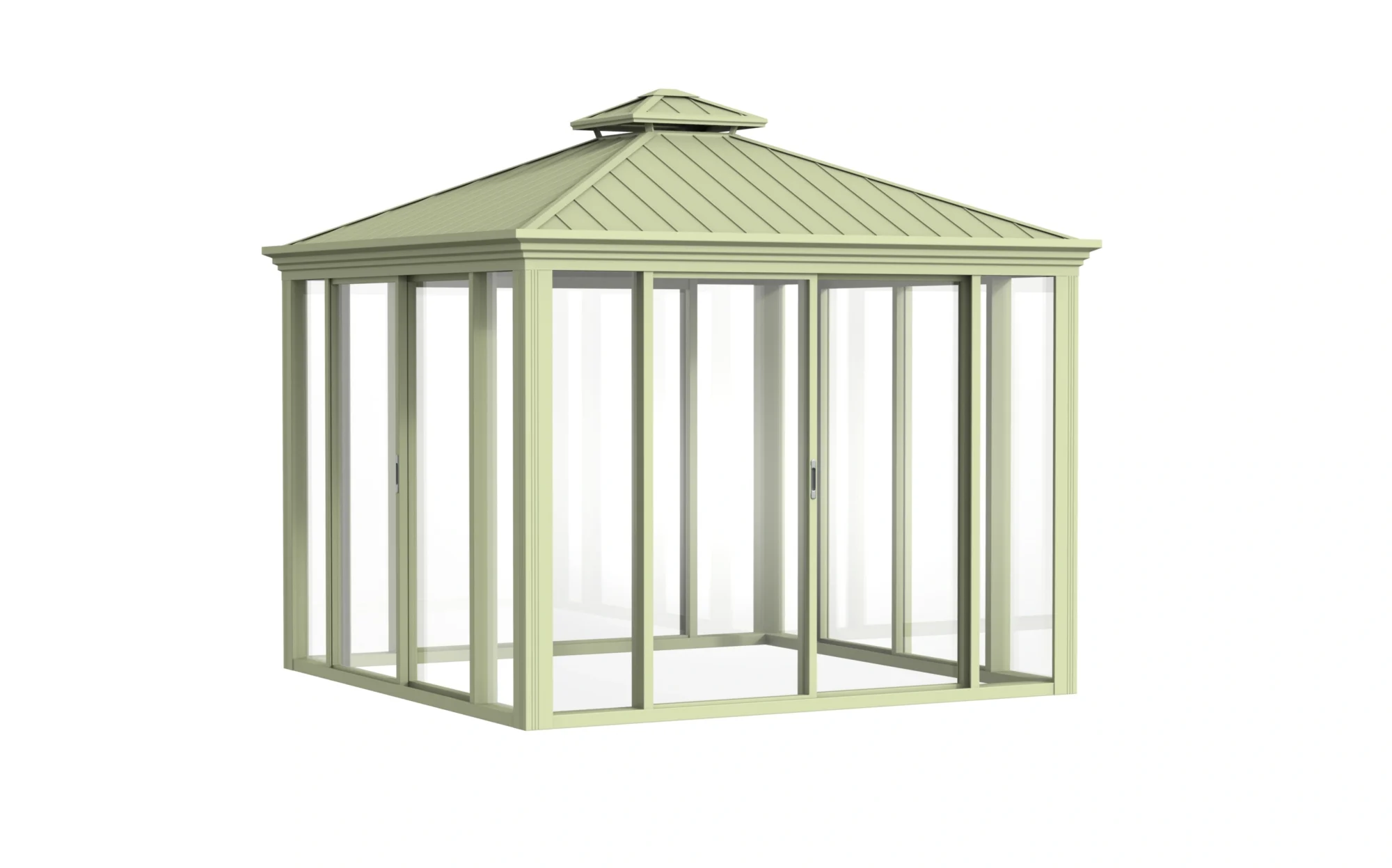
But what is a hardtop gazebo, and how does it differ from a traditional fabric-canopy gazebo? This guide explains its construction, common materials, useful features, and practical advantages. You will also learn how to compare models, plan an installation, and care for your gazebo over time.
What Is a Hardtop Gazebo?
A hardtop gazebo is a freestanding or, in some designs, wall-attached outdoor shelter with a rigid roof rather than a removable fabric canopy. The roof is commonly made from galvanized steel, aluminum, or polycarbonate panels and is supported by a sturdy frame. Many residential models have four posts, while larger structures may use six or more.
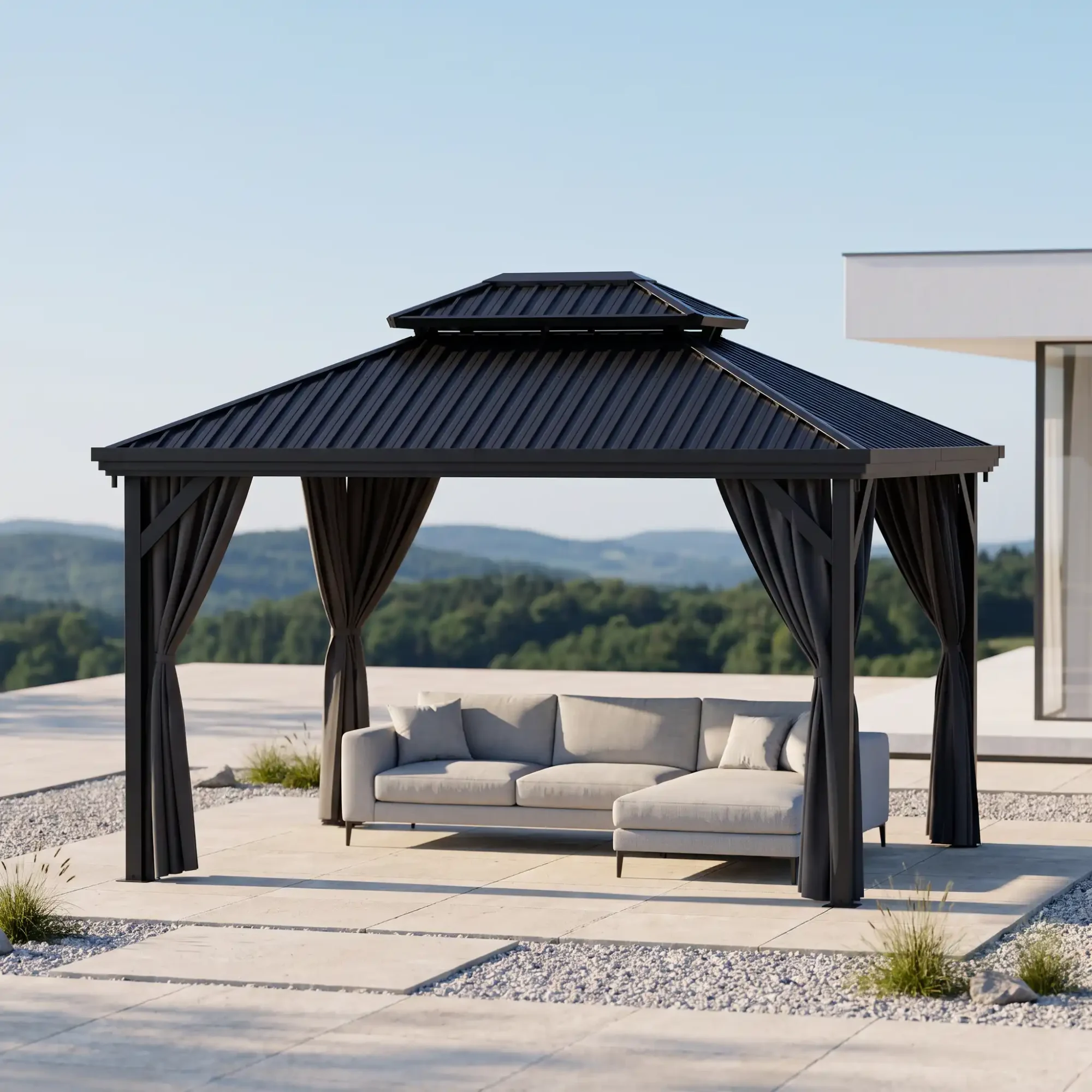
Unlike a temporary pop-up shelter, a hardtop gazebo is typically intended for long-term placement. It creates a defined outdoor living area above a deck, patio, garden seating area, or hot tub. Depending on the model, its sides may remain open or accommodate mosquito netting, privacy curtains, or screens.
The word hardtop describes the roof, not necessarily the posts. For example, a gazebo with an aluminum frame and steel roof is a hardtop gazebo, as is a wooden gazebo with a rigid shingle roof.
What Materials Are Hardtop Gazebos Made Of?
Material selection influences appearance, maintenance, weight, weather resistance, and cost. When comparing hardtop gazebo materials, assess the roof and frame separately rather than assuming every metal gazebo performs the same way.
1. Galvanized Steel Roofs
Galvanized steel roofing is a common choice for homeowners who prefer an opaque, substantial roof. A zinc coating helps protect the steel against corrosion, and many panels also have a painted or powder-coated finish.
Advantages:
- Creates deep shade by blocking direct sunlight.
- Provides a solid barrier against rainfall when properly assembled.
- Offers a durable, traditional roof appearance.
- Can support demanding weather conditions when the complete gazebo is engineered and rated for them.
Considerations: Steel roofs may sound louder during rain or hail, and exposed scratches should be repaired to reduce corrosion. A metal roof alone does not establish a safe snow or wind rating; always check the specifications of the complete structure.
2. Aluminum Roofs and Frames
Aluminum gazebo components are popular because it is relatively lightweight and naturally corrosion resistant. It does not rust like ordinary carbon steel, making it attractive for humid areas or homeowners seeking simpler upkeep.
Aluminum frames are often powder-coated to provide color and additional surface protection. Some gazebos use aluminum for both the frame and roof; others pair aluminum posts with steel or polycarbonate roofing.
Advantages: Low maintenance, easier handling than comparable heavy steel components, and a sleek contemporary look.
Considerations: Aluminum components vary in thickness and design. A lightweight frame is not automatically stronger or weaker than a steel one; engineering, connections, anchoring, and the manufacturer’s published ratings matter.
3. Polycarbonate Roof Panels
Polycarbonate gazebo panels are made from a tough, lightweight plastic used in many patio shelters. Depending on the product, panels may be clear, tinted, or translucent. They can admit daylight while reducing direct exposure to ultraviolet radiation when manufactured with appropriate UV-protective layers.
Advantages:
- Allows a brighter, more open feeling beneath the roof.
- Weighs less than many metal roofing systems.
- Offers good impact resistance compared with ordinary glass.
- Works well for dining areas where natural light is desirable.
Considerations: Polycarbonate may scratch, discolor, or age with prolonged exposure if its protective coating is inadequate. Verify UV specifications, panel thickness, and replacement-panel availability. It can also allow more solar heat into the seating area than an opaque roof.
Key Features of a Hardtop Gazebo
A well-designed gazebo offers more than a solid roof. The following features can affect comfort and everyday usability.
Double-Tier or Vented Roof Design
Some models include a raised roof section or integrated vents that allow warm air to escape. Ventilation may make the space feel more comfortable in summer, although effectiveness varies with wind, roof geometry, and whether curtains are closed. Check that vents are designed to manage rain as well as airflow.
Built-In Gutters and Drainage
Roof channels or gutters help direct rainwater toward designated outlets rather than allowing it to spill randomly around the seating area. Drainage design matters especially near outdoor kitchens and frequently used entrances. Keep channels free of leaves and debris to prevent overflow.
Mosquito Netting and Privacy Curtains
Many hardtop gazebos with curtains feature tracks or rails for optional fabric panels. Mesh netting helps reduce insects, while curtains add privacy and reduce wind-driven drafts. These accessories are not necessarily waterproof or rated for strong winds, so secure or remove them according to product guidance.
Anchoring and Reinforced Connections
A permanent outdoor shelter should have mounting plates, compatible fasteners, and a clearly documented anchoring method. Correct anchoring helps resist uplift and movement. The appropriate solution depends on whether the gazebo sits on concrete, a structurally suitable deck, or another engineered base. Never assume that its weight alone will keep it secure.
Hooks, Lighting, and Accessories
Some units include ceiling hooks, shelves, or mounting provisions for lights and fans. These details make the gazebo easier to personalize, but follow the manufacturer’s load limits. Electrical installations should use outdoor-rated equipment and comply with applicable local electrical requirements.
Top Advantages of a Hardtop Gazebo
1. Durable, Long-Term Outdoor Shelter
The biggest appeal of a permanent hardtop gazebo is its rigid construction. Unlike fabric canopies that can stretch, tear, or degrade after repeated exposure, solid roofing generally offers a more substantial long-term solution. Service life still depends on materials, installation quality, climate, and maintenance.
2. Reliable Shade and Rain Protection
A properly installed rigid roof can provide consistent overhead shade and shelter during ordinary rain. An opaque metal roof blocks direct sunlight, while suitably rated polycarbonate panels offer an alternative for those who want filtered natural light. Open sides remain exposed to blowing rain, so a gazebo should not be treated as a fully enclosed room.
3. More Opportunities to Enjoy the Outdoors
Having a dedicated sheltered area makes it easier to plan family meals, read outside, or entertain friends without depending on perfectly clear skies. With comfortable seating, suitable lighting, and seasonal accessories, the gazebo can extend how often your outdoor space gets used.
4. Attractive Backyard Design
Hardtop gazebos create a strong visual focal point. Minimal black aluminum designs suit modern patios, while wood-framed structures feel at home in traditional gardens. Choosing a style that complements your home’s exterior can make the overall landscape look more cohesive.
5. Less Frequent Canopy Replacement
Fabric-roof gazebos often need canopy cleaning, seasonal storage, or replacement as the textile ages. A rigid roof avoids routine fabric-canopy replacement, although owners still need to clean roof panels, inspect joints, maintain finishes, and keep drainage clear.
6. Flexible Outdoor Uses
A hardtop gazebo can be configured for several purposes: an outdoor dining area, conversation lounge, garden workspace, or sheltered hot tub. If placing one above a grill or fire feature, follow equipment clearances, ventilation rules, and the gazebo manufacturer’s instructions; many gazebos are not approved for open flames beneath the roof.
Hardtop Gazebo vs. Soft-Top Gazebo
Both styles are useful, but they solve different problems. A hardtop gazebo vs. soft-top gazebo comparison helps clarify the trade-offs before purchasing.
| Feature | Hardtop Gazebo | Soft-Top Gazebo |
|---|---|---|
| Roof | Rigid metal, polycarbonate, or similar material | Fabric canopy |
| Typical use | Long-term outdoor placement | Seasonal or occasional use |
| Initial cost | Usually higher | Usually lower |
| Setup | More components and planning | Often quicker and simpler |
| Portability | Generally limited | Often easier to move or store |
| Maintenance | Roof and frame inspections, cleaning | Fabric care and potential canopy replacement |
| Weather capability | Model-specific wind and snow ratings may be available | Often more limited; check instructions |
| Appearance | Architectural and substantial | Lightweight and casual |
Choose a hardtop gazebo if you want a defined outdoor living space that remains in place for years. A soft-top model may be more practical for occasional gatherings, tight budgets, or households that need to move the shelter frequently.
How to Choose the Best Hardtop Gazebo
The best hardtop gazebo is the one that fits your site, climate, and intended use—not simply the largest or most expensive model.
Measure the Available Space
Popular nominal sizes include 10 × 10, 10 × 12, 12 × 12, and 12 × 16 feet. Measure the entire installation area, including roof overhangs, access paths, door swings, and space for furniture. Check the actual distance between posts: roof dimensions and usable interior space are not always identical.
For a dining setup, allow space to pull chairs out comfortably. For a lounge, consider traffic flow, side-table placement, and whether curtains need room to hang.
Match the Roof to Your Climate
For sunny locations, an opaque metal roof may provide the shade you want. For darker patios, translucent polycarbonate can preserve daylight. In snowy or windy regions, prioritize published design limits for the complete assembly and verify the required anchoring method. A hardtop gazebo is not automatically safe in severe weather just because it has a metal roof.
Check the Frame and Finish
Look for details such as corrosion-resistant hardware, well-designed corner connections, adequately supported roof panels, and consistent protective coatings. Coastal exposure and de-icing salts can accelerate corrosion of certain metals and fasteners, so material compatibility and maintenance guidance are especially important.
Consider Assembly and Total Cost
Factor in the price of the gazebo, delivery, tools, site preparation, anchoring, labor, and any optional curtains or screens. Many kits require multiple people to assemble safely. Review the installation manual before ordering to confirm that the project suits your site and capabilities.
Review Warranty and Replacement Parts
A clear warranty is useful, but read what it actually covers. Ask whether roof panels, curtains, brackets, and fasteners are available separately. Accessible replacement parts can make a substantial difference to long-term ownership costs.
How to Maintain a Hardtop Gazebo
Although often marketed as low maintenance, a hardtop gazebo still benefits from routine attention. A simple care plan can help protect its appearance and function.
- Clean the roof and frame: Use mild soap, water, and non-abrasive tools suitable for the finish. Avoid harsh chemicals unless approved by the manufacturer.
- Inspect fasteners and joints: Check periodically for looseness, damaged parts, or movement, especially after storms.
- Clear gutters and drainage: Remove leaves and debris to reduce standing water and overflow.
- Watch for corrosion or coating damage: Address scratches and rust according to the product’s repair guidance.
- Care for curtains and screens: Clean, dry, and store removable textiles as directed.
- Manage snow safely: Follow the gazebo’s specified snow-load limits and snow-removal instructions. Never climb onto the roof or stand beneath an overloaded or visibly damaged structure.
Inspect the gazebo after severe weather and stop using it if posts, anchors, or roof panels appear compromised.
Frequently Asked Questions About Hardtop Gazebos
Are hardtop gazebos waterproof?
Most correctly installed solid-roof models are designed to shed rain, but waterproof performance depends on panel joints, seals, drainage, and wind conditions. Open sides can admit wind-driven rain, and not every model is marketed as completely watertight. Check the manufacturer’s specific claims.
Can a hardtop gazebo stay up all year?
Many are designed for year-round placement, provided they are properly installed and appropriate for local conditions. Always follow published wind, snow, and maintenance requirements; severe weather can exceed a model’s limits.
Is an aluminum hardtop gazebo better than a steel one?
Neither is universally better. Aluminum resists rust and is comparatively lightweight, while steel can provide high structural strength when properly engineered and protected. Compare complete gazebo specifications rather than judging performance from material alone.
Does a hardtop gazebo need to be anchored?
Yes, permanent gazebos generally require secure anchoring as specified by their manufacturer. The correct hardware and foundation depend on the structure, surface, and site conditions. Do not rely only on the gazebo’s weight.
Final Thoughts: Is a Hardtop Gazebo Worth It?
For homeowners seeking a lasting outdoor retreat, a hardtop gazebo can be a worthwhile investment. It combines a rigid, weather-shedding roof with a defined space for relaxing, entertaining, or dining. Options range from bright polycarbonate-roof designs to opaque galvanized-steel models with aluminum frames, curtains, and built-in drainage.
The right choice comes down to fit and performance. Compare materials, usable dimensions, weather ratings, anchor requirements, and maintenance expectations before buying. With thoughtful selection and proper installation, a hardtop gazebo can turn an ordinary backyard into a more functional and inviting outdoor living area.
Suggested SEO image alt text: “Modern aluminum hardtop gazebo with a solid roof, outdoor seating, and privacy curtains on a landscaped backyard patio.”
Suggested internal links: Hardtop gazebo buying guide; gazebo size guide; hardtop vs. soft-top gazebo comparison; outdoor gazebo installation tips.
Research references: