
MARKET INTELLIGENCE
Market insight that informs product decisions.
We examine how consumers use outdoor products, what retail channels require and how product categories are evolving before making development decisions.
Three product directions under active evaluation.
We distinguish observed product examples, market research and hypotheses. A competitor product alone does not establish a market-wide trend.
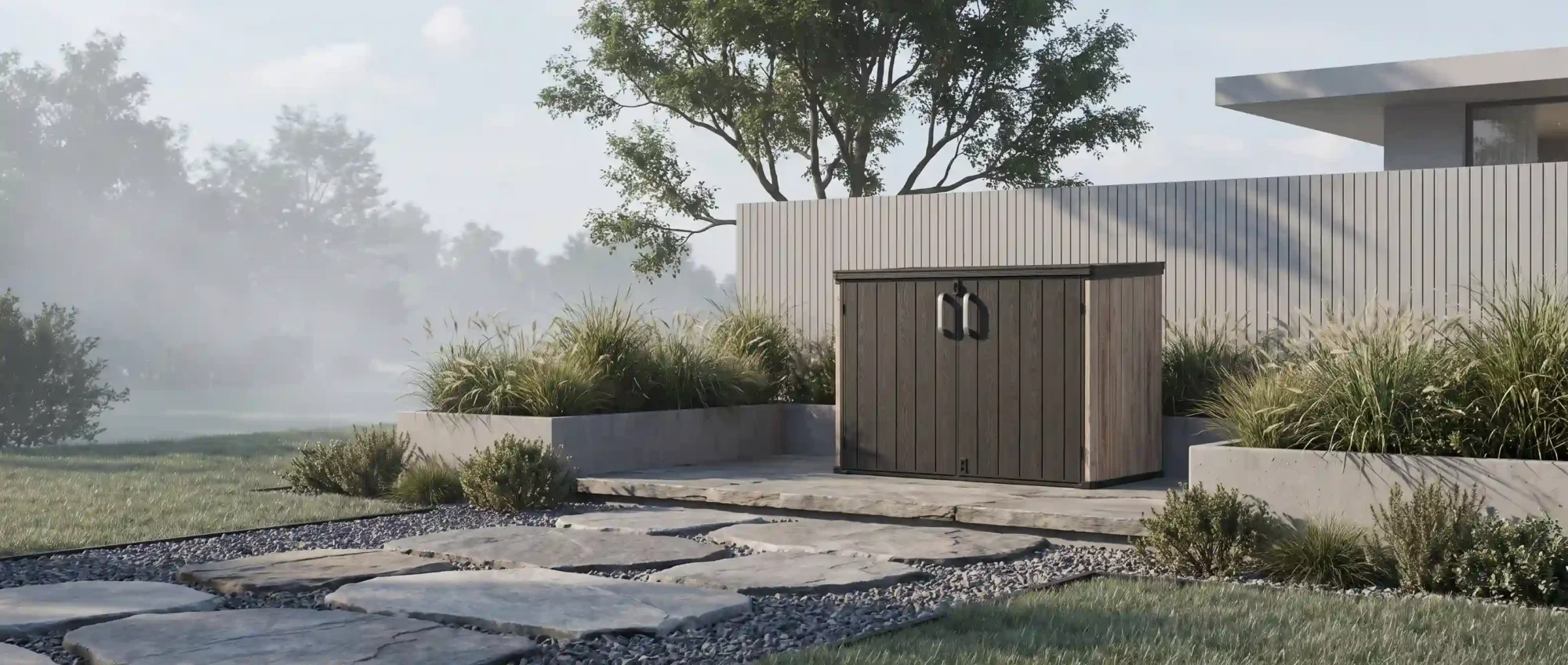
DIRECTION 01
Garden-integrated design
Assess the role of architectural appearance, surface finishes and coordinated garden settings in product selection
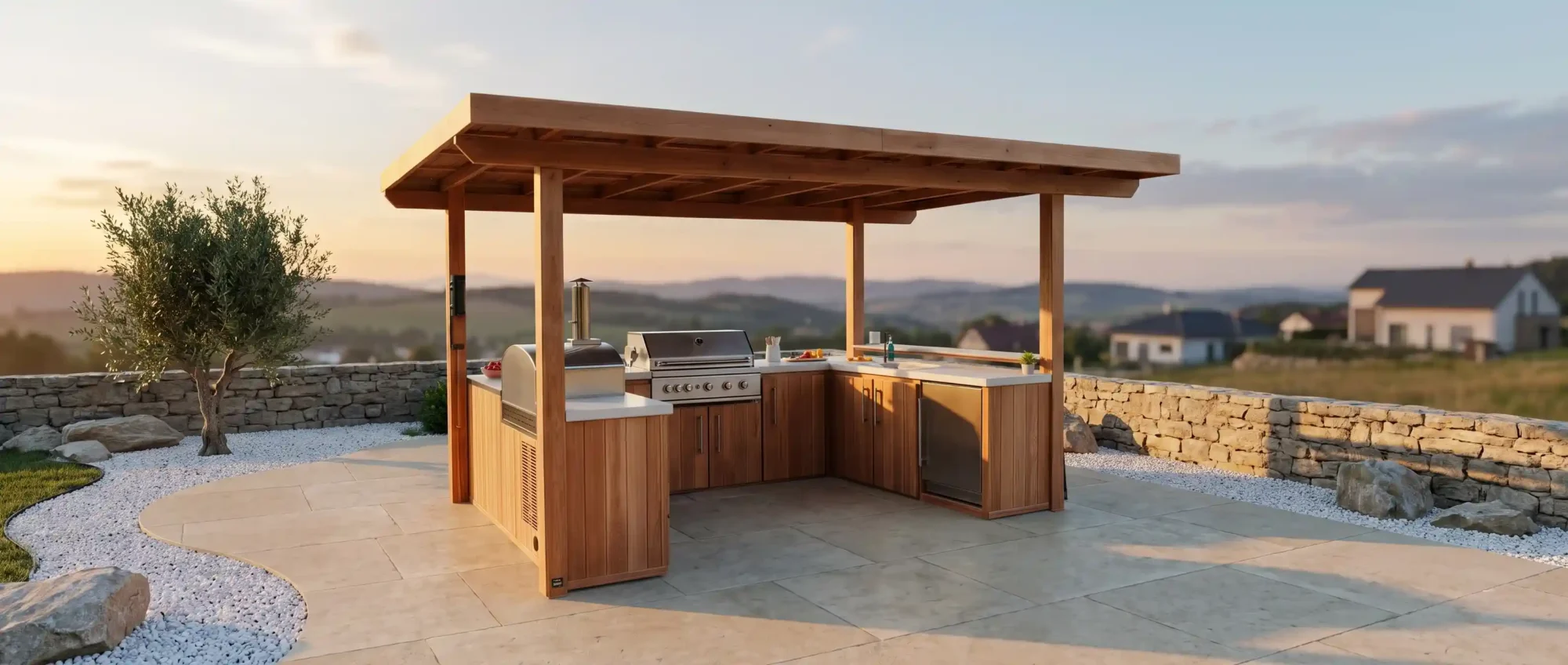
DIRECTION 02
Multi-purpose structures
Explore uses beyond storage: serving, entertaining, hobbies and shelter—with appropriate structural and regulatory boundaries.
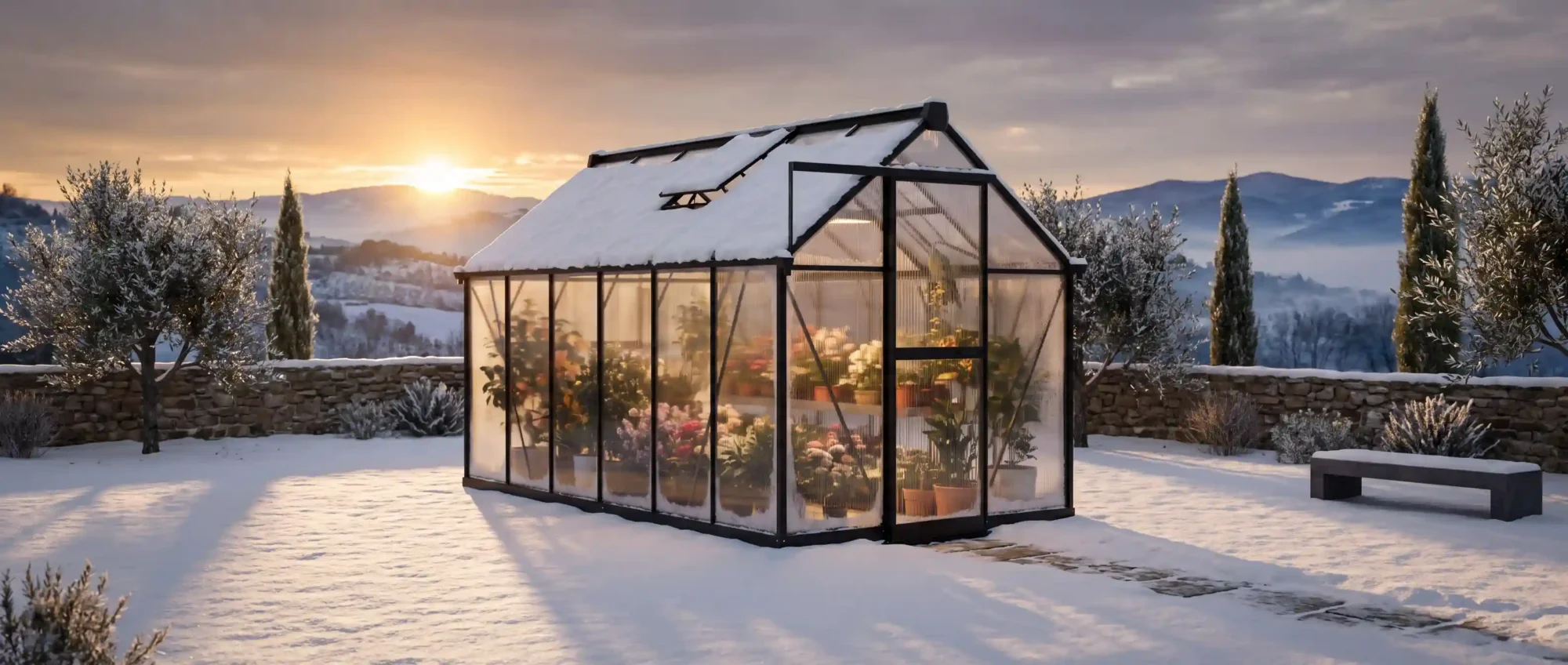
DIRECTION 03
Smart functionality
Evaluate whether sensors, ventilation and lighting solve meaningful user problems at an acceptable total cost.
Every Product Category Requires a Different Market Perspective.
Category research must consider actual buyer use, product differentiation and channel economics.
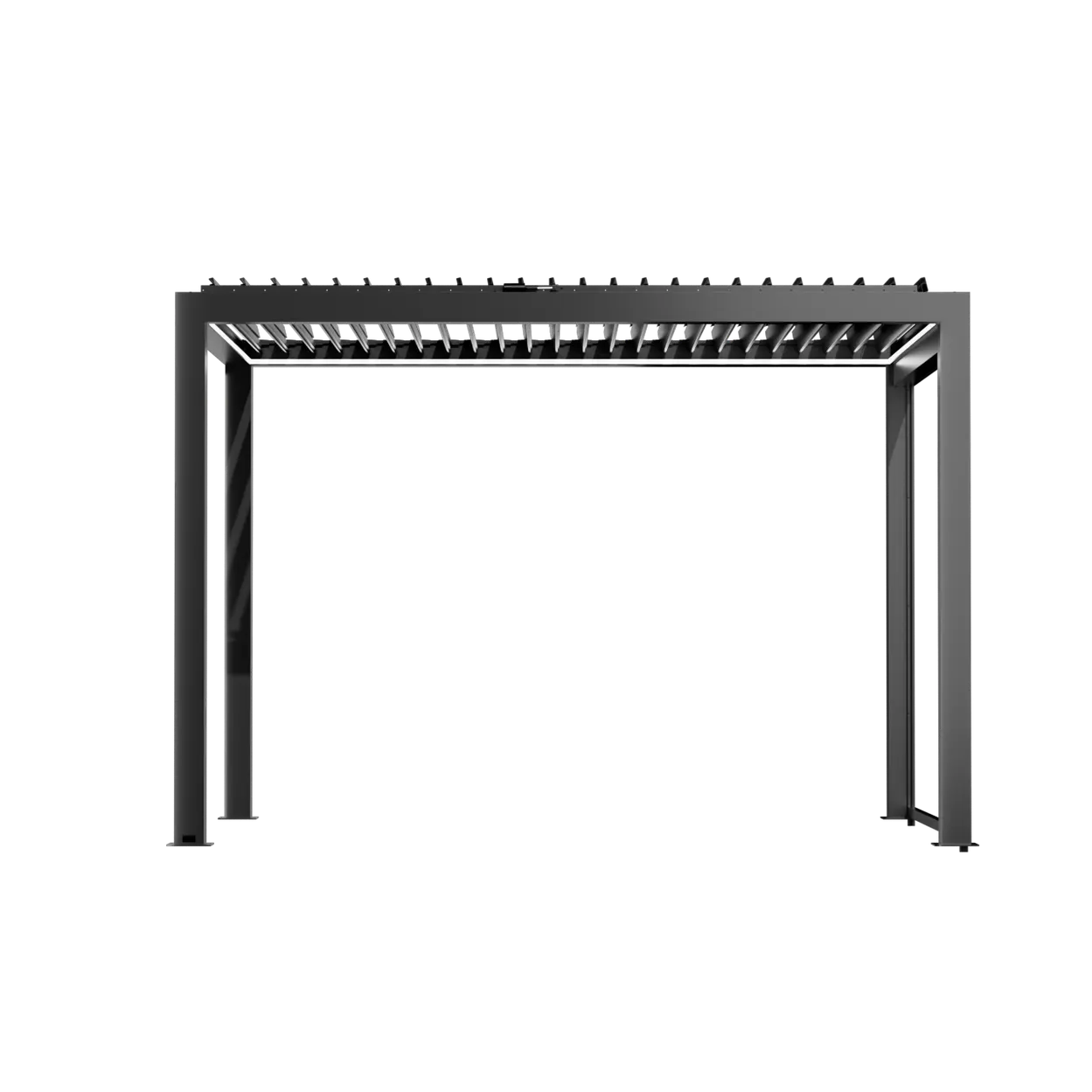
SPACES & APPLICATIONS
Outdoor living structures
What combinations of shelter, serving and storage deserve product-development investment?
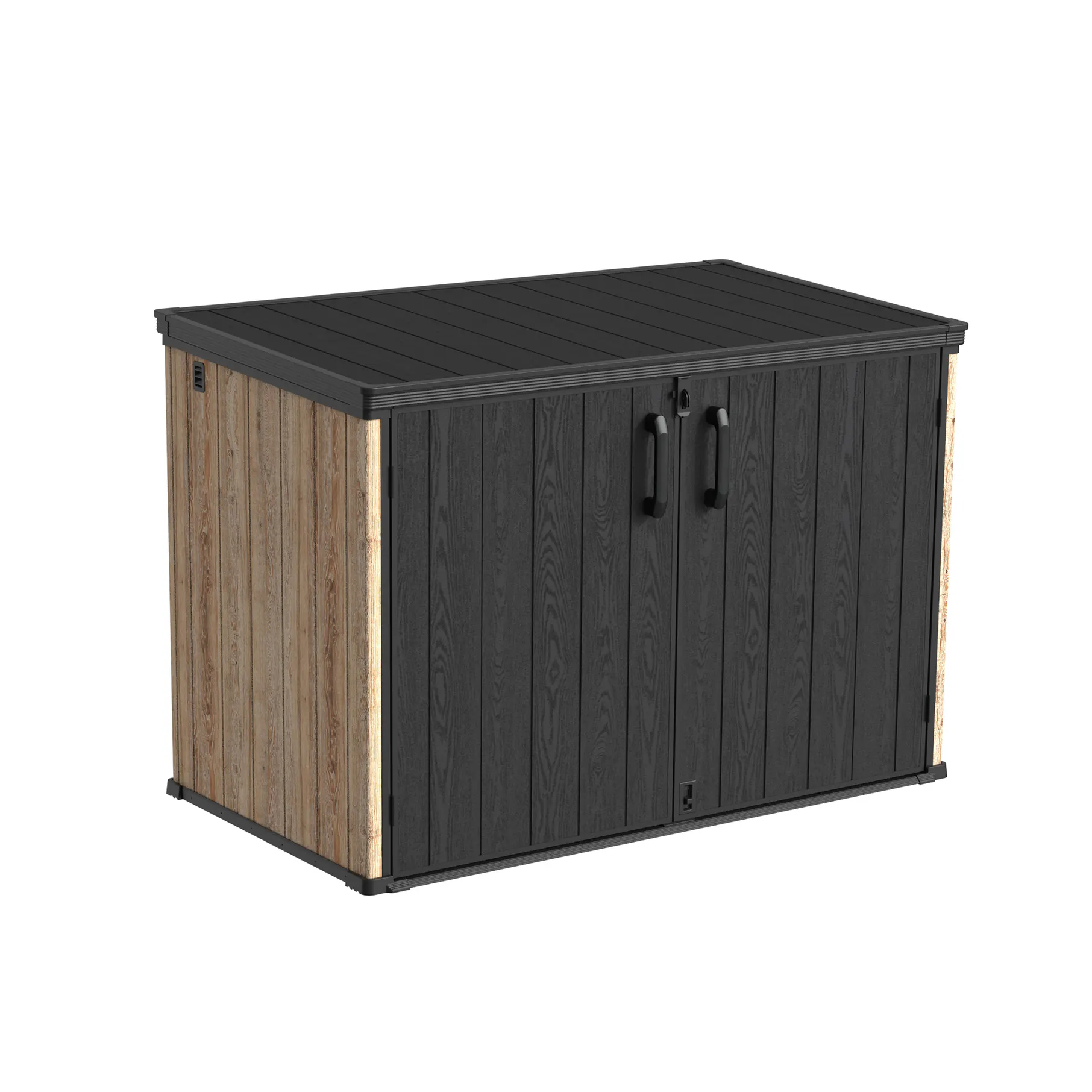
OUTDOOR STORAGE
Style + function + retail fit
Which visible differences influence product selection?
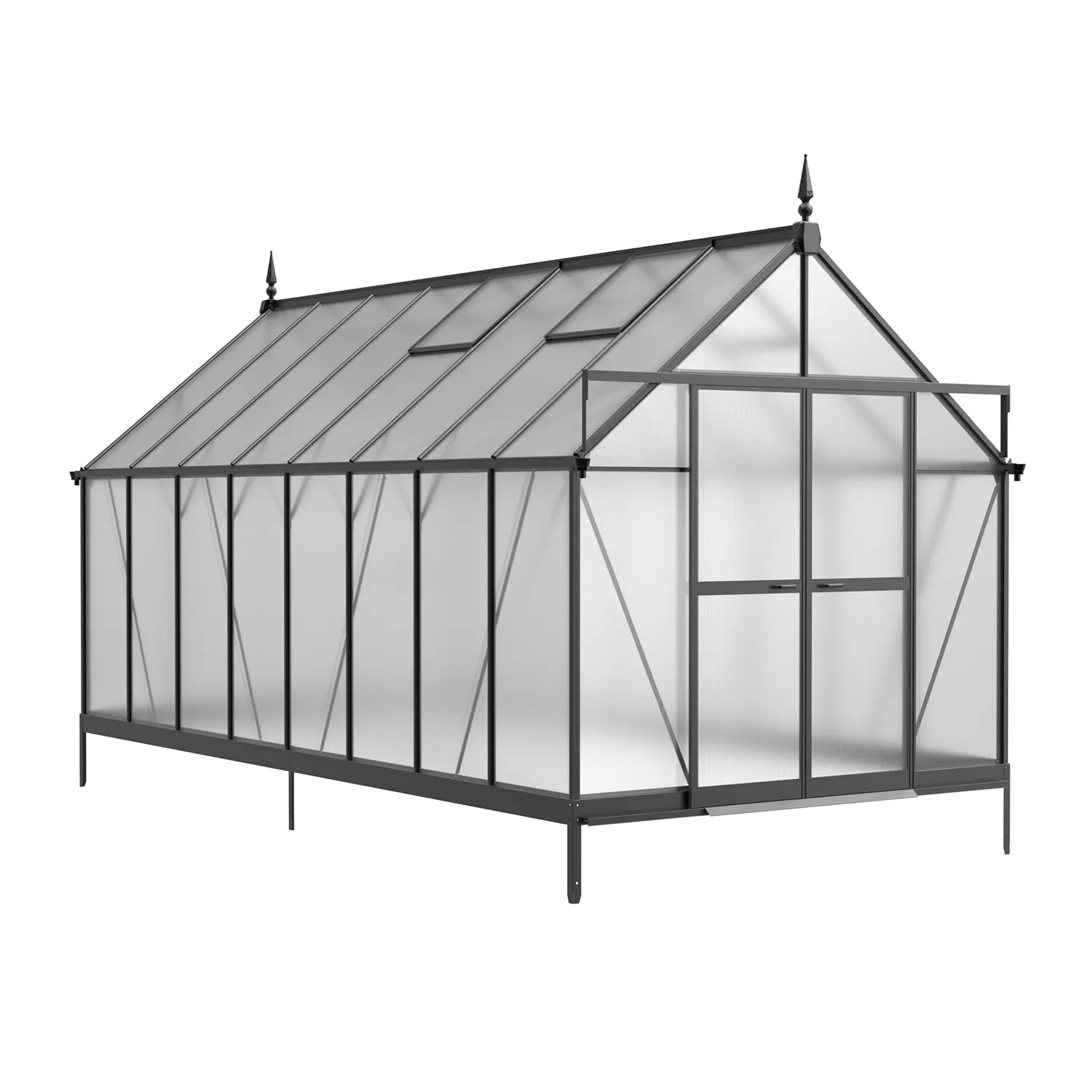
GREENHOUSES
Growing needs
Which attributes matter: price, light, ventilation, assembly or aesthetics?
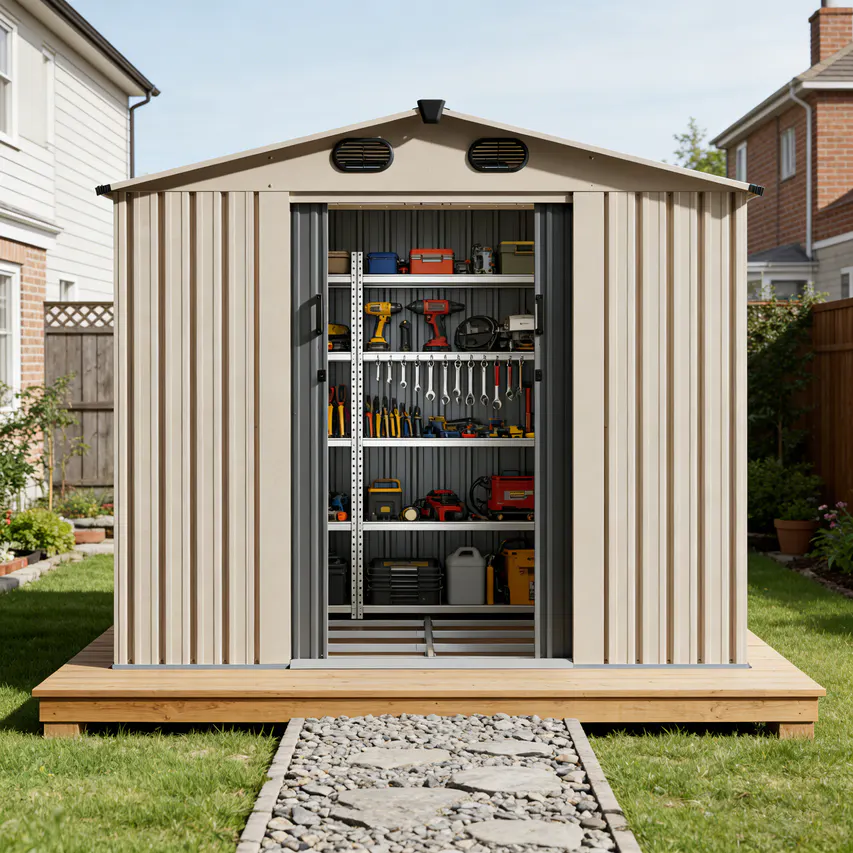
Product Requirements Vary Across Sales Channels.
Our understanding of channel requirements is validated against buyer specifications, operating costs and real-world commercial conditions.
01 / ONLINE SALES
Transport economics affect the product decision.
Package size, damage exposure, online visual presentation, installation expectations and returns should influence product requirements.
Carton size
Assembly
Delivery
After-sales
02 / PHYSICAL DISPLAY
The product must look right in the garden.
Display appearance, finish options, access and in-store storytelling affect how buyers evaluate garden center assortments.
Display area
Design
Finish options
Usability
03 / CHAIN RETAIL
A scalable assortment requires operational consistency.
Product family architecture, price positioning, pallet efficiency, instructions, spares and service are important discussion points with chain buyers.
SKU architecture
Pallet efficiency
Manuals
Service
What external research actually shows.
Independent market signals inform DBB’s product hypotheses. They do not, by themselves, prove demand for any particular DBB product.
US / 2026 · HOUZZ SURVEY
83%
Seating and lounge areas in outdoor renovations
According to Houzz’s 2026 U.S. Outdoor Trends Study, 83% of surveyed outdoor renovation projects included a lounge or seating area, while 48% included an outdoor cooking area.
Houzz, June 2, 2026; survey population is renovating homeowners, not all US households.
UK / 2023 · FOREST GARDEN
2,000
Shed owners surveyed about how they use their garden buildings
Forest Garden reported that 8% nationally would use sheds as bars and 6% as home gyms, supporting investigation of non-storage applications—not a forecast of category growth.
Forest Garden, September 19, 2023; detailed survey methodology was not published.
DBB implication: Investigate architectural storage finishes, entertainment-oriented structures, and channel-specific configurations before scaling development.
How we turn signals into product decisions.
Identify the category, target market, customer type, price band and product decision the research will inform.
Record source names, dates, product models, relevant channels and how the information was obtained.
Evaluate alternative explanations, contrary evidence, important unknowns and bias risks.
Specify the design decision, engineering question or experiment that follows. Review findings as new evidence emerges.
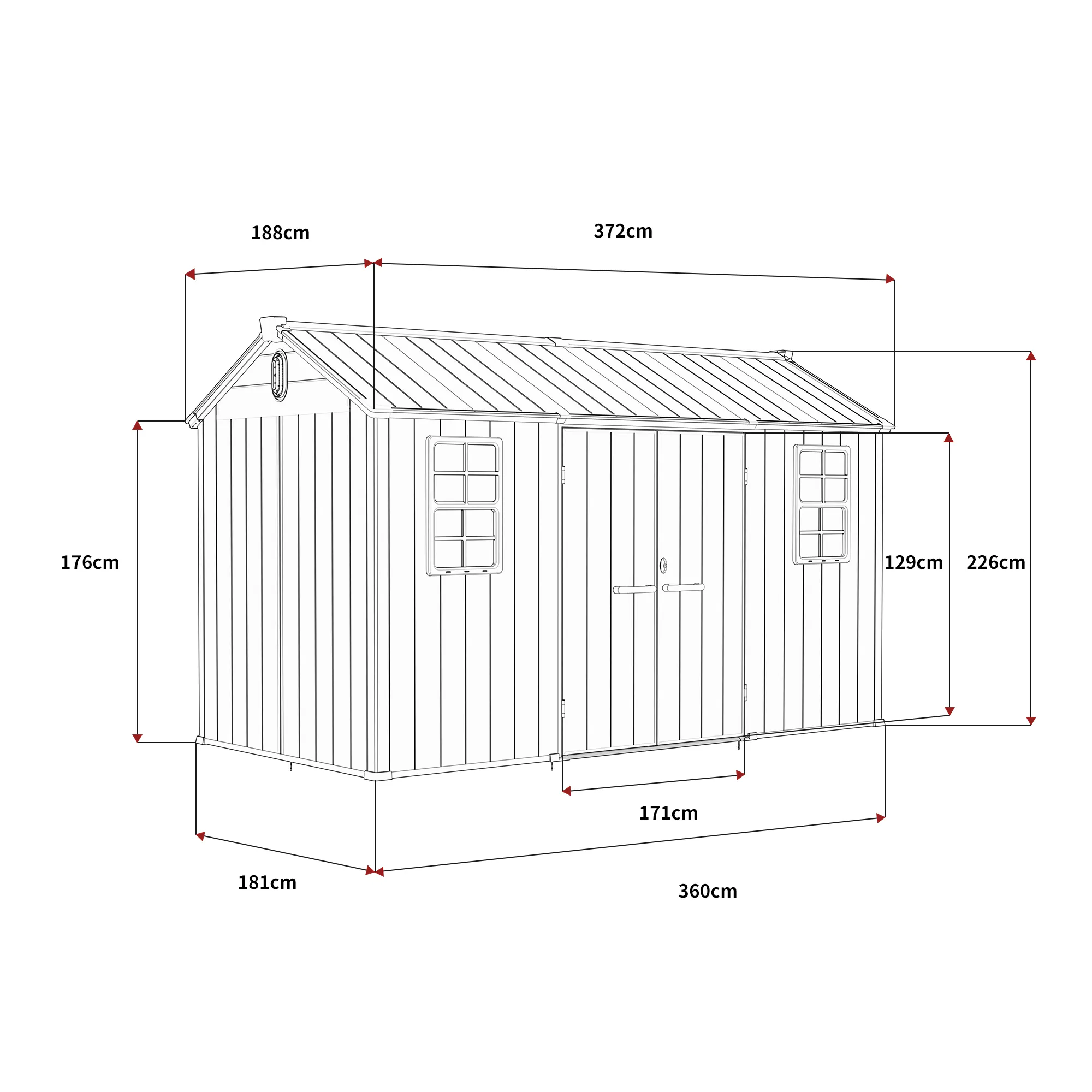
Have a product category opportunity to explore?
Explore how DBB connects design questions, product platforms and engineering development.