Custom Aluminum Pergolas: Sizes, Colors, Designs, and Options
A well-designed outdoor space should feel like a natural extension of your home. Whether you want a shaded patio for family meals, an elegant poolside retreat, or a comfortable area for entertaining guests, custom aluminum pergolas offer a flexible way to transform an ordinary backyard into a functional outdoor living area.
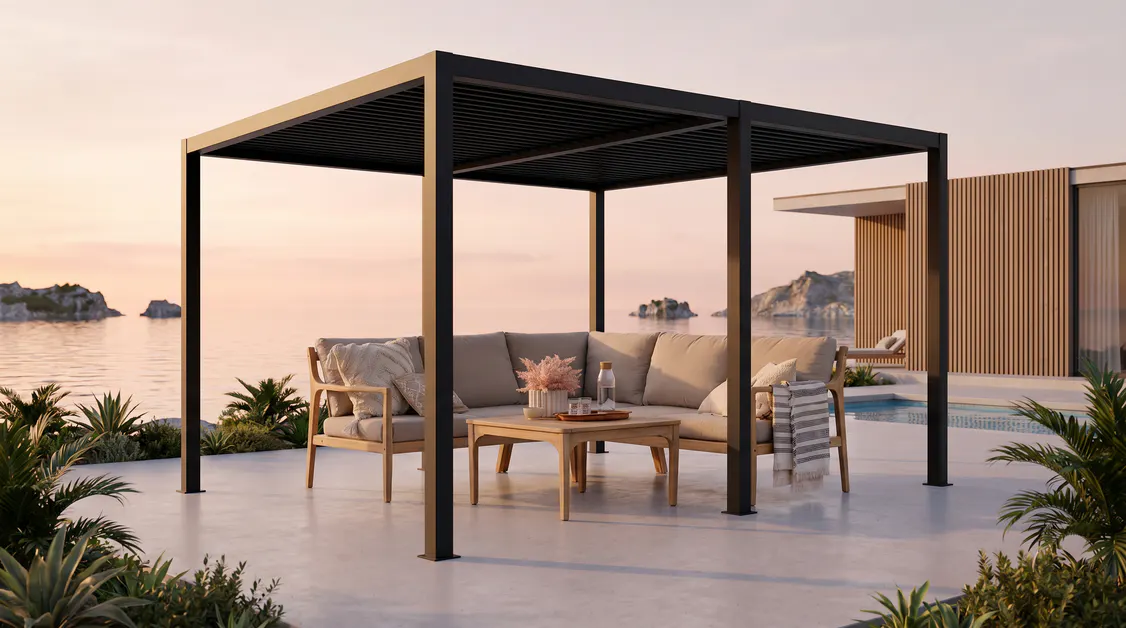
Unlike one-size-fits-all structures, a custom aluminum pergola can be tailored to your property’s dimensions, architectural style, preferred color, and everyday needs. From compact patio covers to expansive motorized louvered systems, the design possibilities are substantial.
This guide explores the most important choices involved in customizing an aluminum pergola, including sizes, colors, roof types, layouts, accessories, and installation considerations. It will help you plan a structure that looks attractive and performs well for years to come.
Why Choose a Custom Aluminum Pergola?
Aluminum has become a popular material for contemporary outdoor structures because it combines a clean appearance with relatively low maintenance. For homeowners who want more control over the final result, customization adds another major advantage.
Durability and Low Maintenance
Aluminum does not rot like untreated wood, and it does not require routine staining. With a suitable exterior-grade finish, an aluminum pergola can resist corrosion and everyday weather exposure. Maintenance generally involves cleaning the frame, checking drainage channels, and following the manufacturer’s instructions for moving components.
Performance still depends on the alloy, finish, hardware, local climate, and proper installation. In coastal regions, for example, ask the supplier about finish specifications and corrosion-resistant fasteners.
Design Flexibility
Custom manufacturing allows you to adapt the frame dimensions, post placement, roofing system, and visual details to your outdoor space. This is especially valuable when the patio is irregularly shaped or when an off-the-shelf pergola would interfere with doors, windows, pathways, or landscaping.
A Consistent Architectural Look
A modern aluminum pergola can complement many building styles. Slim profiles and dark finishes suit contemporary homes, while warm neutrals and restrained detailing can work well with traditional architecture. Matching the pergola to existing window frames, fencing, or exterior cladding helps create a coordinated appearance.
Custom Aluminum Pergola Sizes: Finding the Right Fit
One of the first decisions is determining the correct pergola size. A structure should accommodate your intended furniture and activities while leaving enough room for comfortable movement.
Common Pergola Dimensions
The following dimensions are illustrative starting points, not universal manufacturer specifications:
| Approximate Size | Typical Application | Planning Considerations |
|---|---|---|
| 10 × 10 ft (3 × 3 m) | Small patio or lounge area | Works for compact seating arrangements |
| 10 × 13 ft (3 × 4 m) | Outdoor dining | Allow room to pull chairs away from the table |
| 12 × 16 ft (3.7 × 4.9 m) | Family entertaining | Can accommodate dining or a larger lounge setup |
| 13 × 20 ft (4 × 6.1 m) | Spacious terrace | Consider furniture zones and column locations |
| Custom multi-bay layout | Commercial or large residential space | May require additional posts, beams, and engineering |
The right dimensions depend on furniture footprint, circulation, building setbacks, and the structural limits of the selected system. Larger spans may require stronger beams or intermediate supports.
Measure More Than the Patio
Before requesting a quote, record the usable width and depth of the area, the height of adjacent doors and windows, and any obstacles such as gutters, lighting, garden beds, or HVAC equipment. Check for changes in ground level and identify where rainwater should discharge.
Pergola height is just as important as its footprint. The finished clearance should feel open while accommodating roof mechanisms and any suspended fixtures. Your supplier or installer can recommend suitable heights based on the system and local conditions.
Standard Sizes vs. Fully Custom Dimensions
Standard-size aluminum pergolas can be convenient when the site matches a common configuration. Fully custom dimensions are useful when you need a precise fit, unusual post spacing, or a structure integrated into a building facade. Ask whether the manufacturer can adapt dimensions in small increments and how design changes affect price and lead time.
Aluminum Pergola Colors and Finishes
Color strongly influences how a pergola relates to your home, paving, and landscape. Many aluminum pergola manufacturers offer powder-coated finishes, although available palettes differ by brand and model.
Popular Aluminum Pergola Colors
Matte black: A striking option for modern homes, particularly when paired with large windows, concrete, or light-colored stone.
Anthracite or charcoal gray: A versatile choice that offers a contemporary appearance without the contrast of pure black.
White: Creates a light, airy feeling and can suit coastal-inspired patios, bright terraces, and traditional exteriors.
Bronze and warm gray: Helpful for blending with natural stone, timber decking, or earth-toned exterior walls.
Wood-look finishes: Certain systems offer wood-effect surface treatments that provide a warmer appearance without using timber for the primary frame.
Choosing the Right Finish
Request physical finish samples whenever possible. Colors can look different in direct sunlight, shade, and evening light. Also ask about coating quality, expected color retention, warranty terms, and recommended cleaning methods.
If your home is near saltwater or exposed to harsh weather, specify the environment when obtaining a quotation. A supplier should be able to explain whether its coating and hardware are appropriate for the installation site.
Custom Aluminum Pergola Designs
Pergola design is not only about appearance. Roof configuration and structural layout determine how much shade, ventilation, and weather protection the space can provide.
1. Freestanding Aluminum Pergolas
A freestanding aluminum pergola stands independently of the house, making it suitable for a garden seating area, poolside space, or separate outdoor dining zone. It can become a focal point in the landscape and may allow greater flexibility in orientation.
Freestanding systems require an appropriate foundation and secure anchoring. The footing design should account for the pergola’s dimensions, soil conditions, and local wind demands.
2. Attached Aluminum Pergolas
An attached aluminum pergola connects to an existing building, often covering a patio directly outside the living room or kitchen. This layout can create an inviting transition between indoor and outdoor spaces.
Attaching a pergola requires careful assessment of the wall structure, waterproofing, flashing, drainage, and connection details. Not every exterior wall is suitable for supporting a pergola without additional engineering.
3. Louvered Aluminum Pergolas
A louvered aluminum pergola has adjustable roof slats that change how much sunlight and airflow enter the area. When opened, the louvers can admit daylight and ventilation; when closed, some systems are designed to direct rainwater toward integrated gutters.
However, weather resistance varies by manufacturer. A closed louvered roof should not automatically be assumed to be completely waterproof, especially during wind-driven rain. Ask for the system’s tested performance and operating limitations.
4. Fixed-Roof Aluminum Pergolas
Fixed-roof structures use a stationary roof system, which may incorporate insulated panels, polycarbonate, or other manufacturer-approved materials. They can provide more consistent shade and may suit homeowners who do not need adjustable overhead coverage.
Material choice affects daylight transmission, heat buildup, acoustics, and maintenance. Compare samples and technical specifications before deciding.
5. Minimalist and Multi-Bay Designs
Minimalist pergolas emphasize simple lines, integrated drainage, and concealed hardware where possible. Larger outdoor spaces may benefit from multi-bay systems that divide dining, lounging, and kitchen areas while maintaining a cohesive aesthetic.
A modular arrangement can be particularly useful when a single large span is impractical. Structural feasibility should guide the final configuration.
Customization Options That Make a Pergola More Functional
The most appealing custom aluminum pergolas are designed around the way people actually use their outdoor spaces. The following upgrades can improve comfort and convenience.
Motorized Louvers and Smart Controls
Motorized louvers let you adjust roof angles using a remote control, wall switch, or compatible smart-home interface. Some manufacturers offer rain, wind, or sun sensors that automate certain responses.
Confirm what the automation actually does, whether a manual override is available, and what happens during a power outage. Sensor support and smart-home compatibility are product-specific.
Integrated LED Lighting
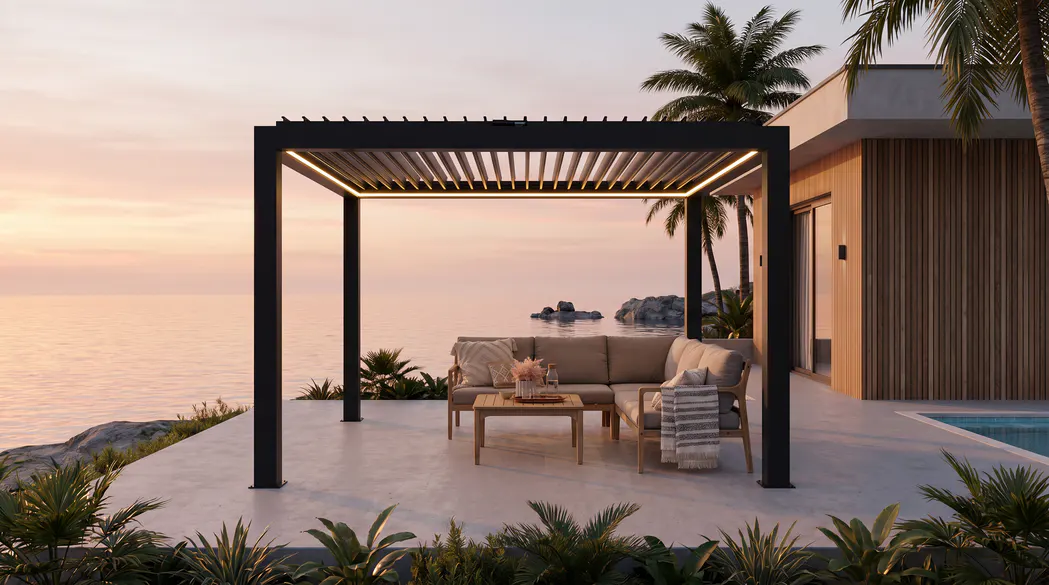
Built-in LED strips, spotlights, or perimeter lighting help extend use into the evening. Dimmable or color-temperature-adjustable options allow you to change the atmosphere from bright dining light to softer ambient illumination.
Electrical work should be performed according to applicable codes, using fixtures rated for the intended outdoor environment.
Retractable Side Screens
Retractable screens can add shade, reduce glare, and offer privacy. Mesh fabrics may improve comfort in breezy conditions, but they should not be treated as structural wind barriers. Confirm their wind ratings and whether they need to be retracted during severe weather.
Sliding Glass Panels and Privacy Walls
Glass sliding panels, decorative slats, or solid side panels can create a more enclosed outdoor room. These additions may change ventilation, building-code requirements, and structural loads, so they should be considered early in the design process.
Heating, Fans, and Other Accessories
Depending on the system, optional accessories may include outdoor-rated heaters, ceiling fans, speakers, and power outlets. Plan electrical supply routes and mounting points in advance. Always verify that the frame can safely support the selected equipment.
How to Choose the Best Pergola for Your Outdoor Space
A successful design begins with intended use, not simply selecting a product from a catalog.
Consider Your Main Activities
For outdoor dining, prioritize sufficient coverage above the table and room for chairs. For lounging, focus on comfortable shade throughout the day. A poolside pergola may benefit from adjustable louvers, corrosion-conscious specifications, and easy-clean finishes.
If you intend to host guests frequently, consider whether lighting, screens, or multiple zones would enhance the experience.
Study Sun, Wind, and Rain
Observe when the patio receives direct sunlight and how shadows shift during the day. The building’s orientation, nearby trees, and neighboring structures all affect your ideal pergola placement.
In windy or snowy areas, request project-specific structural information. Wind and snow-load requirements can affect maximum span, mounting details, roof operation, and permitted accessories.
Balance Features With Budget
The cost of a custom aluminum pergola depends on dimensions, structural requirements, roof type, finish, automation, accessories, installation complexity, and location. An adjustable motorized roof with screens and lighting generally involves more components than a simple fixed-roof structure.
For an accurate comparison, ask suppliers to itemize the frame, roof mechanism, finishes, drainage, electrical features, foundations, installation, and warranty coverage. Avoid comparing headline prices unless the specifications are equivalent.
Custom Aluminum Pergola Installation: What to Expect
Even a premium pergola requires proper site preparation and installation to perform as intended.
Site survey: The installer assesses dimensions, levels, access, wall conditions if applicable, and existing drainage.
Design and engineering: The manufacturer or qualified professional confirms layout, post positions, structural design, anchoring, and compliance requirements.
Permits and approvals: Depending on jurisdiction, size, placement, and intended use, a pergola may need planning permission, a building permit, or other approvals. Check with the relevant local authority before ordering.
Foundation preparation: Suitable footings, concrete pads, or verified structural substrates are prepared to carry the required loads.
Assembly and commissioning: The frame and roof are installed, drainage is checked, and motorized components are tested. The installer should explain the operation, cleaning, and maintenance schedule.
Ask whether your quotation includes delivery, access equipment, electrical work, foundations, waste removal, and final commissioning. These items are not always included in the base pergola price.
How to Maintain a Custom Aluminum Pergola
Although aluminum pergolas are relatively easy to care for, basic maintenance helps preserve their appearance and operation.
Wash powder-coated surfaces with water and a mild, manufacturer-approved cleaner. Remove leaves and debris from gutters and drainage outlets. Inspect visible fasteners, seals, screens, and moving mechanisms according to the product manual.
Avoid abrasive cleaners or unapproved pressure-washing methods that could damage the finish. For motorized systems, follow the manufacturer’s guidance on lubrication, sensor testing, and seasonal operation. Arrange a professional inspection if you notice loose connections, unusual noises, drainage problems, or damage after severe weather.
Frequently Asked Questions About Custom Aluminum Pergolas
Can an aluminum pergola be made to any size?
Many manufacturers offer made-to-measure dimensions, but every pergola system has engineering limits. Maximum spans, roof-module sizes, heights, and post spacing depend on the frame design, roof type, and site-specific loads.
What is the most popular color for a modern aluminum pergola?
Black and dark gray are common contemporary choices, while white and warmer neutrals also work well. The best color is the one that complements your home’s exterior and the surrounding landscape.
Are custom aluminum pergolas waterproof?
Not necessarily. Some fixed-roof and closed-louver systems are designed to shed rain through integrated drainage, but performance varies. Request the manufacturer’s rain-resistance specifications and understand any limitations in wind-driven weather.
Are motorized aluminum pergolas worth it?
A motorized system can be worthwhile if you frequently adjust shade and ventilation or want convenient control of a large roof. Consider the initial cost, electrical requirements, maintenance needs, and warranty before purchasing.
How long does a custom aluminum pergola last?
Service life depends on design quality, materials, finish, exposure, installation, and maintenance. Ask suppliers about coating warranties, replacement-part availability, and service support rather than relying on a universal lifespan estimate.
Can I install an aluminum pergola myself?
Some smaller kits are designed for homeowner assembly. Larger custom structures, wall-attached systems, and motorized models often benefit from professional installation, especially where engineering, foundations, permits, or electrical work are involved.
Final Thoughts: Design a Pergola Around Your Lifestyle
Custom aluminum pergolas bring together adaptable dimensions, contemporary aesthetics, and practical outdoor comfort. By choosing the right size, coordinating the finish with your home, selecting a suitable roof design, and planning accessories from the beginning, you can create an outdoor space that supports your everyday routine.
Start with accurate site measurements and a clear list of priorities. Then compare manufacturers based on structural specifications, customization capabilities, weather performance, warranty coverage, and installation support—not just appearance or price.
Ready to plan your outdoor space? Request a custom aluminum pergola design consultation or quote with your preferred dimensions, colors, roof style, and accessories. A detailed proposal will help you turn your ideas into a practical, long-lasting outdoor living solution.