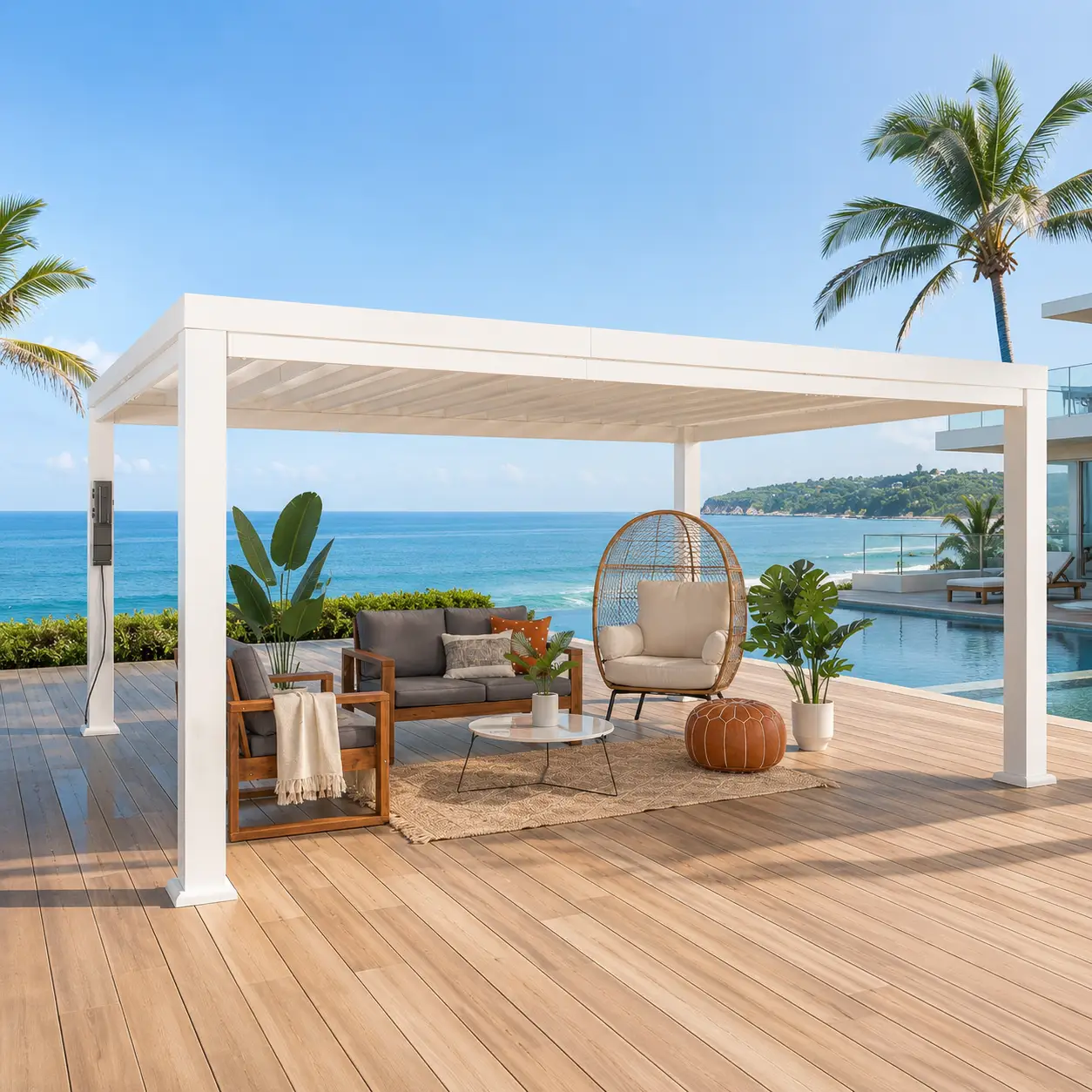
A beautiful outdoor space should feel like an extension of your home, not an area you use only when the weather is perfect. That’s where a pergola comes in. Whether you’re planning a comfortable patio retreat, an outdoor dining area, or a stylish garden feature, a pergola can transform an ordinary backyard into a more inviting, functional space.
But what is a pergola, exactly? Is it the same as a gazebo? Does it provide shade, protect against rain, or add value to a property?
This guide explains the meaning of a pergola, the most popular types, key design features, material options, practical benefits, and what to consider before buying one.
What Is a Pergola?
A pergola is an outdoor structure made from vertical posts or columns that support an overhead framework of beams, rafters, or slats. Traditional pergolas have open roofs that filter sunlight and create partial shade. Contemporary models may include retractable fabric canopies, adjustable louvers, or specially designed solid roofing systems for additional weather protection.
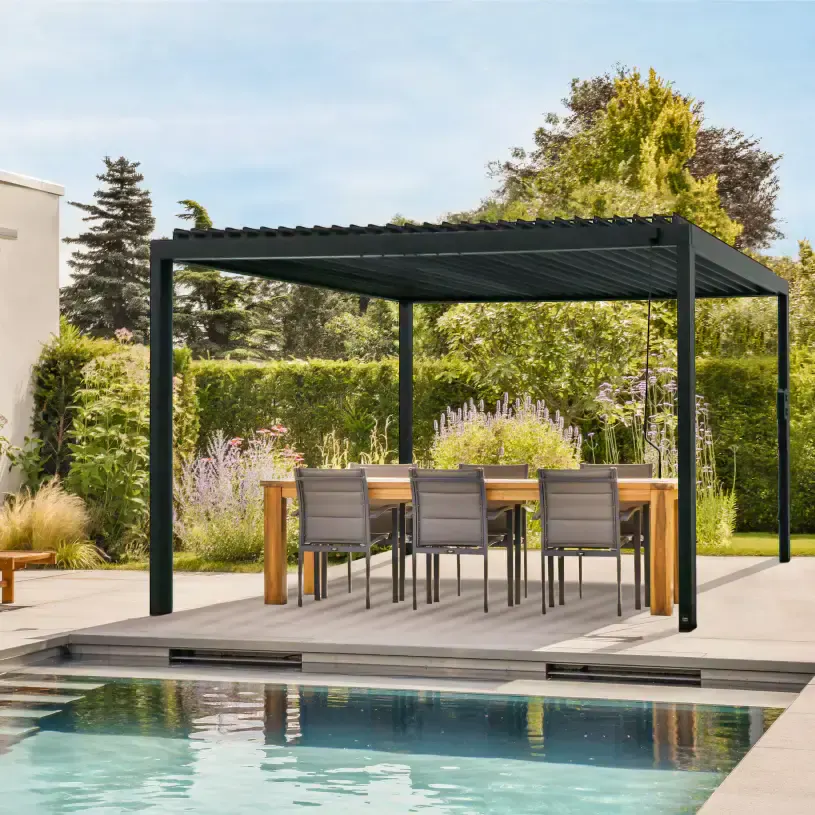
Pergolas can stand independently in a garden or attach to the exterior wall of a home. They are commonly installed over patios, decks, garden seating areas, walkways, and outdoor kitchens.
Unlike a fully enclosed room, a pergola creates the feeling of an outdoor living area while maintaining airflow and a connection to the surrounding landscape. Its defining appeal is the balance between architectural structure and open-air enjoyment.
What Is a Pergola Used For?
Homeowners install pergolas for several reasons:
- Creating a shaded space for outdoor dining or relaxation.
- Defining separate zones within a garden or patio.
- Supporting climbing plants such as roses, jasmine, or grapevines.
- Adding architectural interest to a home’s exterior.
- Providing a framework for lighting, privacy screens, and outdoor furniture.
- Extending the usability of outdoor areas with adjustable shade or rain-protection options.
A pergola can be simple and decorative or designed as a sophisticated outdoor entertainment space.
6 Popular Types of Pergolas
Not all pergolas function in the same way. Understanding the different types of pergolas will help you choose a design that matches your home, climate, and lifestyle.
1. Freestanding Pergola
A freestanding pergola is a self-supporting structure that does not rely on a building for support. It can be positioned almost anywhere with a suitable foundation, including a lawn, poolside terrace, or garden corner.
This design works well when you want to create a separate destination in your landscape. It can accommodate a dining table, lounge chairs, or a peaceful reading nook.
Best for: Large gardens, standalone seating areas, and poolside retreats.
2. Attached Pergola
An attached pergola connects to an exterior wall and usually extends over a patio or deck. It visually links the interior of the home with the outdoor space.
Attached pergolas are especially useful near kitchen or living-room doors, making outdoor meals and entertaining more convenient. Proper wall connections, drainage, and structural design are essential, particularly when the pergola has a weather-resistant roof.
Best for: Patios directly beside a house and indoor-outdoor living layouts.
3. Louvered Pergola
A louvered pergola features adjustable roof slats that can rotate to regulate sunlight, shade, and ventilation. Some systems use motors and remote controls, while others are manually operated.
Certain engineered louvered systems form a rain-shedding roof when closed and direct water into integrated gutters. However, weather resistance varies by model, so never assume every louvered pergola is completely waterproof.
Best for: Homeowners seeking flexible control over sun exposure and changing weather conditions.
4. Retractable Pergola
A retractable pergola uses a movable fabric canopy or retractable roof system. You can extend the covering for shade and retract it when you want an open view of the sky.
Fabric quality, UV protection, wind ratings, and water resistance differ significantly between products. Some canopies should be retracted during heavy rain or strong winds.
Best for: Flexible seasonal shade and patios where an open-roof option is important.
5. Traditional Wooden Pergola
A wooden pergola has a classic, natural appearance that complements gardens, traditional homes, and rustic landscapes. Common choices include cedar, redwood, and pressure-treated timber, depending on local availability.
Wood can be painted, stained, or left to weather naturally, although most structures require periodic care to protect against moisture, insects, and surface deterioration.
Best for: Natural-looking gardens and homeowners who enjoy traditional design.
6. Metal Pergola
Metal pergolas are generally constructed from aluminum or steel. Powder-coated aluminum is popular for its sleek design, corrosion resistance, and relatively low maintenance requirements. Steel can offer substantial structural strength but needs appropriate protection against corrosion.
Metal structures are available in minimalist, industrial, and contemporary styles, often with integrated lighting or adjustable roofing.
Best for: Modern patios, streamlined architecture, and low-maintenance outdoor spaces.
Key Features of a Pergola
When comparing outdoor pergolas, look beyond appearance. Several functional features determine how comfortable and practical the structure will be.
Roof Design and Shade Control
The roof is one of the most important decisions. Open rafters provide filtered sunlight, while retractable canopies offer more coverage. Adjustable louvers allow greater control, and purpose-built covered roofs may provide improved rain protection.
Consider the sun’s path throughout the day. A visually attractive design may still leave your seating area exposed during peak afternoon sunlight if the slats and orientation are poorly planned.
Frame Strength and Anchoring
A pergola must withstand the environmental loads appropriate to its location. Post dimensions, beam spans, connectors, foundations, and anchoring all matter. Wind and snow-load requirements may be particularly important for larger or roofed structures.
Choose products with documented structural specifications and follow local building requirements. Professional design or installation may be appropriate for complex projects.
Drainage and Weather Protection
An open-roof pergola does not reliably protect against rain. For a more weather-resistant space, look for manufacturers that specify water-management features such as overlapping louvers, gutter channels, and downpipes.
Also review any limits concerning rainfall intensity, wind, or snow accumulation before purchasing.
Comfort and Customization
Modern pergolas may support LED lighting, outdoor fans, privacy screens, curtains, heaters, and integrated blinds. Electrical accessories should be rated for outdoor use and installed safely.
These upgrades can make a pergola more useful after sunset or during cooler seasons, but they also increase the total project budget.
Main Pergola Materials Compared
Your choice of material affects aesthetics, maintenance, durability, and cost.
| Material | Main advantages | Considerations | Ideal style |
|---|---|---|---|
| Wood | Warm appearance; customizable finish | Needs periodic sealing, staining, or inspection | Traditional, rustic, natural |
| Aluminum | Lightweight; corrosion resistant; low maintenance | Appearance and strength depend on product quality | Modern, minimalist |
| Steel | Strong and suitable for engineered spans | Heavy; protective coatings need inspection | Industrial, contemporary |
| Vinyl/PVC | Easy cleaning; does not require painting in many designs | May offer fewer structural or color options | Simple, low-maintenance |
There is no universally best pergola material. For example, aluminum often suits homeowners prioritizing convenience, while timber is appealing when natural texture is central to the landscape design.
7 Benefits of Installing a Pergola
1. Creates a More Comfortable Outdoor Space
A pergola can reduce direct sun exposure and make a patio more pleasant for dining, socializing, or relaxing. The degree of shade depends on the roof design, orientation, and any additional coverings.
2. Defines an Outdoor Living Area
Pergolas visually organize large or open spaces. A frame above an outdoor sofa or dining table creates a recognizable “room” without building walls, preserving a spacious feeling.
3. Enhances Curb Appeal and Landscape Design
A carefully selected pergola can complement exterior architecture and make a garden look more intentional. Matching materials, proportions, and colors creates a cohesive design rather than an isolated structure.
4. Supports Outdoor Entertaining
A pergola creates a natural gathering point for family meals, weekend barbecues, or evening conversations. Adding lighting and weather-appropriate furnishings can make the area more functional for guests.
5. Offers Flexible Privacy
Privacy is not automatically included, but side screens, outdoor curtains, trellis panels, and climbing plants can make a seating area feel more secluded. Select solutions that maintain ventilation and suit local site conditions.
6. Provides Support for Climbing Plants
Pergolas can act as structural supports for flowering vines and greenery. Plants introduce texture, seasonal color, and additional shade. Check that the framework can handle mature plant weight and schedule pruning to prevent damage.
7. Can Increase Perceived Property Appeal
Attractive, well-maintained outdoor living features may appeal to prospective buyers. However, a pergola does not guarantee an increase in property value or a particular return on investment. Design quality, local demand, installation cost, and condition all influence the outcome.
Pergola vs. Gazebo vs. Arbor: What’s the Difference?
Pergolas, gazebos, and arbors are sometimes confused, but they serve different purposes.
| Feature | Pergola | Gazebo | Arbor |
|---|---|---|---|
| Typical roof | Open beams or optional adjustable covering | Usually solid or fully covered | Small open lattice or arch |
| Main use | Outdoor living, shade, visual structure | Sheltered seating and gatherings | Garden entrance or pathway accent |
| Typical size | Small to large | Medium to large | Usually compact |
| Rain protection | Varies by roof system | Generally more complete | Minimal |
| Design character | Open and airy | Pavilion-like | Decorative and garden-focused |
Choose a pergola if you want a versatile outdoor framework with a range of shade options. Choose a gazebo when a permanently covered seating area is the priority, or an arbor when you want a compact garden focal point.
How Much Does a Pergola Cost?
Pergola prices vary widely according to size, material, roof mechanism, site conditions, installation, and region. A simple DIY timber kit is generally less expensive than a custom-built aluminum louvered pergola with motorization and integrated drainage.
Your total budget should account for more than the structure itself:
- Materials and size: Larger spans and premium finishes usually increase cost.
- Roof technology: Motorized louvers and retractable systems add hardware and complexity.
- Foundation and installation: Anchoring, concrete work, and professional labor may be required.
- Accessories: Screens, lighting, heating, and electrical work raise the final price.
- Long-term maintenance: Cleaning, repainting, sealing, and component servicing vary by material.
For context, published UK market guides in 2026 cite approximately £500–£1,500 for basic timber DIY kits, with bespoke or premium installed systems costing several thousand pounds or more. These are illustrative UK figures, not worldwide price estimates; obtain current local quotes for your project.
How to Choose the Right Pergola
Begin with the activities you want the pergola to support, rather than selecting a model based on appearance alone.
Measure your outdoor area. Allow enough room for furniture, movement, and access around doors. Check the proposed footprint and height before placing an order.
Identify your main weather concern. For occasional shade, an open or fabric-covered pergola may be sufficient. If frequent rain is the issue, investigate a purpose-built roof system with verified drainage performance.
Match the architecture. Natural timber can soften a landscaped garden; clean-lined aluminum may complement a modern house. A balanced scale is usually more attractive than an oversized frame.
Consider maintenance expectations. Choose a material and roof mechanism that match the time you are willing to spend on cleaning, inspections, and repairs.
Check local rules and structural requirements. Planning permission, property boundaries, homeowner association rules, building codes, and electrical standards vary by jurisdiction. Attached structures can be subject to different requirements from freestanding ones. Confirm the applicable rules before construction.
Finally, compare warranties, installation instructions, replacement-part availability, and documented wind or snow ratings where relevant.
Frequently Asked Questions About Pergolas
Does a pergola provide full shade?
Not necessarily. Traditional open-roof pergolas provide partial shade. Louvers, dense slats, shade cloth, or a retractable canopy can increase coverage, depending on sun angle and design.
Are pergolas waterproof?
Most traditional pergolas are not waterproof. Some covered or engineered louvered models can shed rain when correctly installed, but their performance depends on product specifications and weather conditions.
Can a pergola be attached to a house?
Yes. Attached pergolas are common above patios and decks. They require suitable structural connections and may be subject to additional approval or construction requirements.
What is the best material for an outdoor pergola?
Aluminum is often a practical low-maintenance choice, while wood offers a timeless natural look. Steel may be appropriate for specific engineered designs. The best option depends on climate, design preferences, budget, and maintenance expectations.
How long does a pergola last?
Lifespan varies considerably with material quality, exposure, construction, and upkeep. A well-installed, regularly maintained pergola can remain useful for many years, but no single lifespan applies to every model.
Do I need permission to build a pergola?
It depends on where you live and how the pergola is constructed. For example, some garden structures in England fall within permitted development rules, subject to conditions and exceptions. Check your local planning or building authority before starting work.
Final Thoughts: Is a Pergola Worth It?
A pergola is more than a decorative garden frame. It can create shade, define an outdoor room, support beautiful planting, and make a patio or backyard more practical for everyday life. With designs ranging from classic wooden pergolas to modern adjustable-louver systems, there is an option for many outdoor layouts and budgets.
The key is to choose a pergola based on how you plan to use the space, the weather protection you actually need, and the level of maintenance you’re comfortable with. With thoughtful planning and proper installation, a pergola can become one of the most enjoyable features of your outdoor living area.