













OEM partners, private-label brands, importers, distributors, e-commerce sellers and DIY retail chains — each with its own MOQ, tooling and lead-time terms.
Buyer case
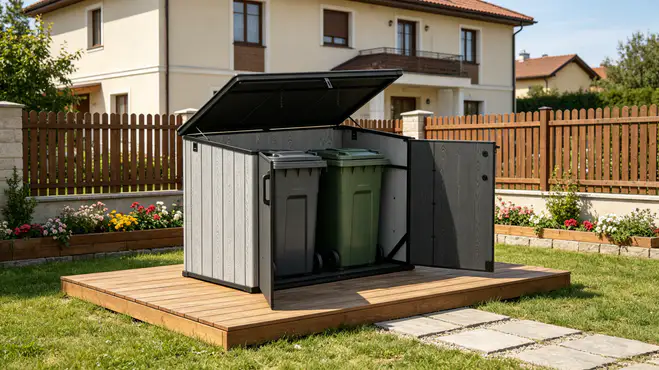
Eco-friendly Materials Sheds for a European Distributor
Profile
A European distributor supplying outdoor products to retailers across the region, where recyclable packaging and recycled-content materials are increasingly a condition of doing business, not a differentiator. The distributor was committed to meeting these requirements, but had struggled to find a manufacturing partner able to deliver on the environmental claim without compromising the product itself.
Situation
Recycled content and recyclable packaging have moved from a preference to a procurement requirement across much of Europe’s retail sector. Retailers are asking distributors to document recycled content and recyclability before placing orders, and distributors are passing that requirement upstream to their manufacturers.
The distributor had already tested this shift with several other suppliers. Each claimed to use recyclable materials. But when product samples arrived, the distributor found a consistent problem: the materials may have been recyclable, but the finished product’s quality had dropped. Durability suffered, fit and finish were inconsistent, and the samples weren’t something the distributor could confidently put in front of its retail customers. The distributor was left with a choice it didn’t want to make — sustainability or quality, not both.
What the distributor needed was a manufacturing partner that treated recycled content as a material-engineering problem to solve, not a marketing spec to meet.
Working with DiBiBi, we got products that held to spec on thickness and quality, with documented performance reports on the recycled materials to back it up. That combination is what we’d been missing.
DiBiBi Solution
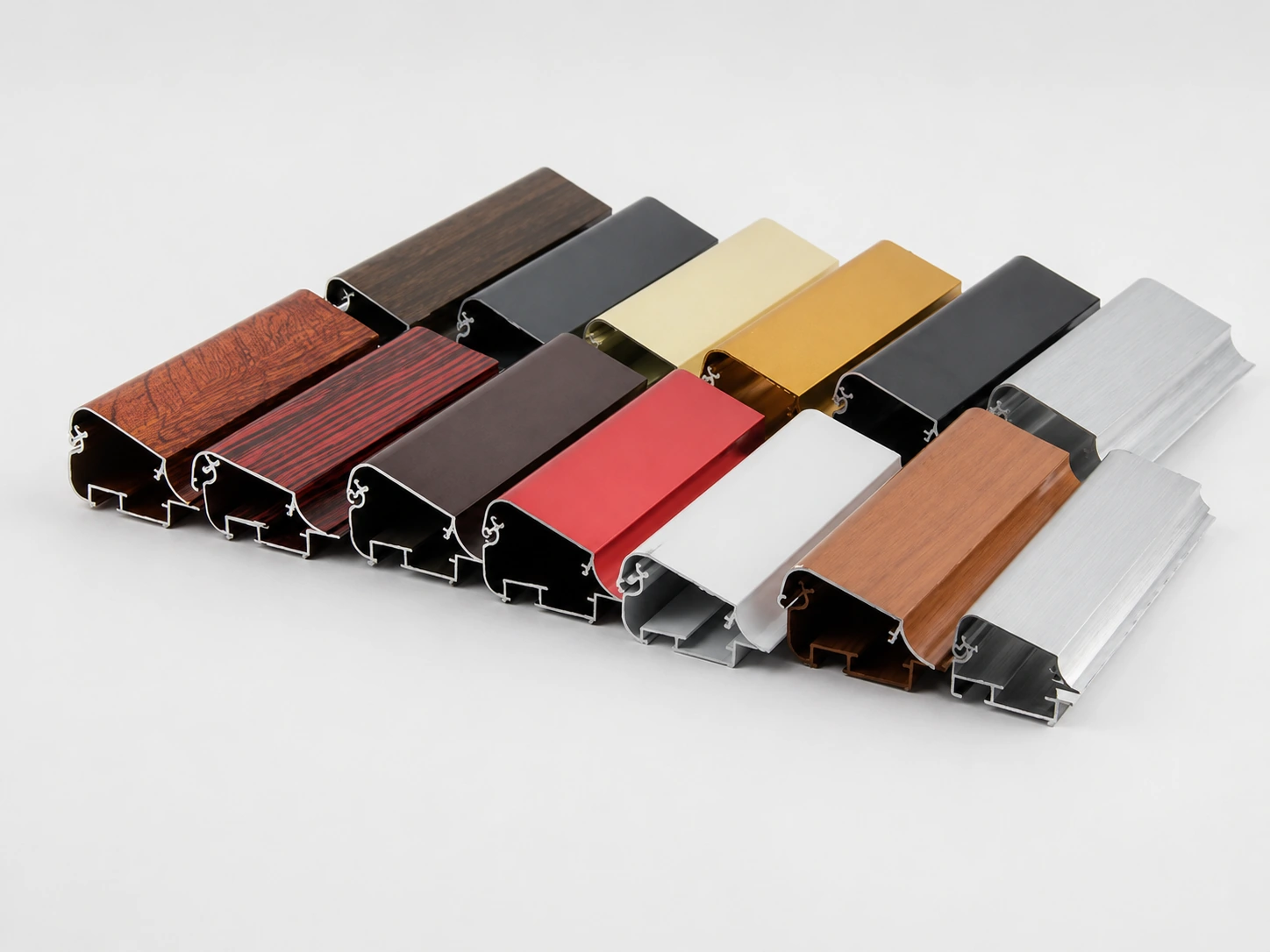
DiBiBi had already been sourcing recycled materials as part of its standard supply chain, which gave its engineering team a starting point most of the distributor’s previous suppliers didn’t have. Rather than substituting recycled materials into an existing structure and accepting the trade-off, DiBiBi’s engineers redesigned the material structure itself — combining virgin resin / approved raw materia with recycled content, in a blend selected and validated against the product’s established performance requirements rather than introduced as a direct substitute without further engineering review.
The solution addressed both sides of the distributor’s requirement:
- Material composition. DiBiBi specified a minimum of 50% recycled content for the applicable components before production began. The material blend was selected and validated against the product’s established performance requirements, rather than introduced as a direct substitute without further engineering review.
- Structural validation. The packaging structure was reviewed end-to-end to confirm that the move to recyclable materials didn’t introduce new risk at any point between DiBiBi’s facility and the retail shelf.
- Documentation. DiBiBi provided performance reports covering both the material and the finished product, giving the distributor evidence it could hand directly to its internal purchasing team and to retail customers.
Testing confirmed that the revised material structure met the same defined performance requirements as the distributor’s approved conventional-material version. DiBiBi supplied the corresponding material-composition records and finished-product performance reports for the distributor’s internal review.
Customer Benefits
The distributor now offers a product with recycled-content and recyclable-packaging credentials backed by material-composition records and finished-product performance reports, rather than a supplier claim alone. Its internal purchasing team and retail customers can review the same documentation DiBiBi used to validate the change internally.
The project gave the distributor a repeatable sourcing standard: environmental claims must be supported by material specifications, finished-product validation, and documentation that can be reviewed by both purchasing teams and retail customers.