A thoughtfully designed outdoor space can become an extension of your home, a comfortable gathering place, or a memorable feature of a commercial property. Custom gazebos make that transformation possible by combining shelter, visual appeal, and functionality in a structure tailored to your needs.
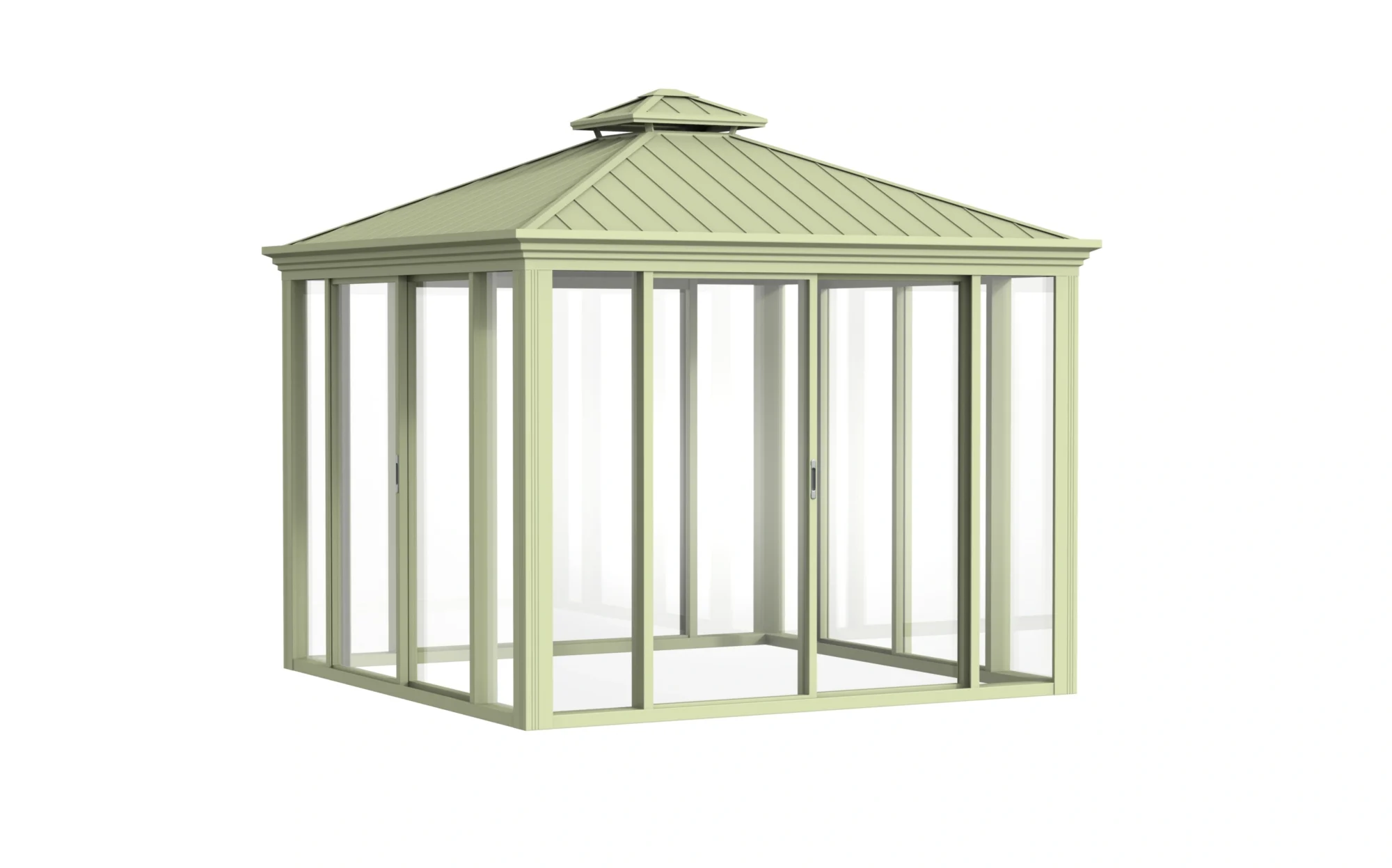
Unlike standard, one-size-fits-all kits, a custom gazebo offers greater control over its dimensions, roof style, frame material, finishes, and accessories. Whether you are planning a peaceful backyard retreat, a sheltered dining area, or a hospitality venue, understanding the available options helps you invest in a structure that looks right and performs well.
This guide explores popular custom gazebo designs, compares materials, highlights practical features, and explains what to consider before installation.
Roof materials and added features also shape the final gazebo cost.
A custom layout begins with the gazebo size needed for seating, circulation, and site clearances.
What Is a Custom Gazebo?
A custom gazebo is a freestanding outdoor structure designed around a particular site, intended use, and aesthetic preference. Most gazebos have a roof supported by posts, with open sides or optional screens and panels. Customisation may involve changing a standard model or developing a bespoke design from the ground up.
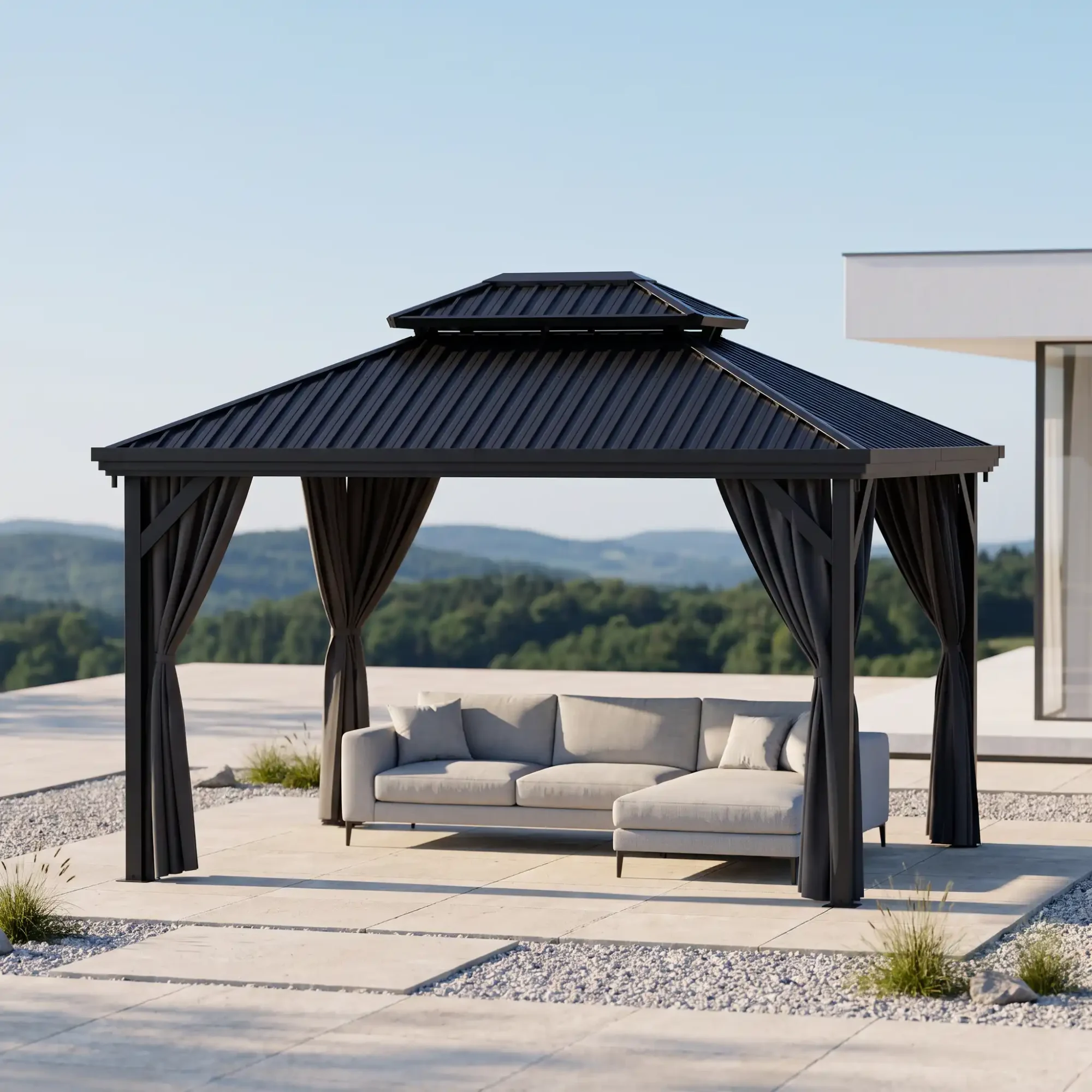
The key difference is flexibility: instead of designing your outdoor activities around a fixed product, you design the structure around how the space will actually be used.
Popular Custom Gazebo Design Options
The ideal layout depends on available space, architectural style, and the activities you want to accommodate.
Traditional Octagonal and Hexagonal Gazebos
Multi-sided gazebos create a classic garden silhouette. Their symmetrical forms work particularly well in landscaped gardens, parks, and traditional residential settings. Decorative railings, pitched roofs, and timber details can enhance their timeless appeal.
Modern Square and Rectangular Gazebos
Square and rectangular layouts maximise usable floor area and fit naturally alongside patios, pools, and contemporary homes. Clean lines, slim profiles, and restrained finishes give these modern custom gazebos a minimalist appearance.
Rectangular structures are particularly practical for outdoor dining, lounge furniture, kitchen counters, and commercial seating. They also offer straightforward options for integrating lighting, privacy panels, and guttering.
Pavilion-Style Gazebos
A pavilion-style gazebo typically features a substantial roof and generous open space underneath. It suits larger gardens, event settings, and shared recreational areas where unobstructed movement matters.
Custom pavilions can accommodate dining groups, picnic tables, or gathering spaces. For wider spans, the frame and connections should be engineered for the site rather than selected solely for appearance.
Attached-Look and Integrated Designs
Although gazebos are commonly freestanding, their appearance can be coordinated with a nearby house, deck, pool area, or outdoor kitchen. Matching roof colours, post finishes, flooring materials, and architectural proportions creates visual continuity.
Comparing Outdoor Gazebo Materials
Material choice affects the structure’s appearance, maintenance needs, weight, corrosion resistance, and long-term value. There is no universally best material; the right choice depends on climate, project scale, and maintenance preferences.
| Material | Main Advantages | Key Considerations | Ideal Applications |
|---|---|---|---|
| Wood | Warm, natural appearance; flexible detailing | Needs periodic inspection and protective treatment | Traditional gardens, rustic retreats |
| Aluminium | Lightweight, corrosion-resistant, low maintenance | Profiles and connections must be properly designed | Modern patios, coastal or humid settings |
| Steel | High strength and good potential for longer spans | Protective finishes and corrosion control are essential | Large pavilions, commercial projects |
| Vinyl or composite | Easy-clean surfaces; consistent appearance | Structural reinforcement, thermal movement, and product quality vary | Low-maintenance residential designs |
Wooden Gazebos: Natural and Timeless
Wood remains a popular choice for custom backyard gazebos because of its warmth and versatility. Cedar, redwood, pressure-treated timber, and other suitable species can support traditional detailing or a more contemporary appearance.
Timber can be stained or painted to complement fencing, decking, and landscaping. Nevertheless, moisture, UV exposure, insects, and temperature changes may affect performance. Select appropriately graded and treated material, keep timber away from standing water, and follow a maintenance schedule suitable for the species and finish.
Aluminium Gazebos: Sleek and Low Maintenance
Aluminium is widely used in contemporary outdoor structures. It does not form red rust like steel, is relatively light, and can be supplied with durable powder-coated finishes in neutral or architectural colours.
Custom aluminium gazebos are well suited to streamlined designs, adjustable louvre roofs, and properties where routine painting is undesirable. However, lightweight does not automatically mean wind-resistant. Section sizes, connection details, foundations, and manufacturer-tested load ratings remain critical.
Steel Gazebos: Strength for Demanding Projects
Steel offers considerable structural strength and can support larger spans or heavier design elements when correctly engineered. It is commonly considered for public spaces, large gathering shelters, and permanent commercial installations.
Its main vulnerability is corrosion if protective coatings become damaged. Galvanising, suitable paint systems, drainage details, and periodic inspections help protect the structure. Coastal exposure and harsh environments may require more demanding specifications.
Vinyl and Composite Options
Vinyl and composite products appeal to buyers seeking a clean appearance with limited surface upkeep. Some systems use a structural core with an exterior sleeve, so it is important to understand what actually carries the load.
Check the manufacturer’s specifications for UV performance, temperature movement, colour stability, and fastening requirements. These options can work well in residential landscaping, but suitability should be verified for the local climate and design loads.
Choosing the Right Gazebo Roof
A roof strongly influences the gazebo’s appearance, natural light, weather protection, and comfort.
Hardtop roofs made from metal panels or other rigid materials provide a substantial, permanent appearance and reliable overhead coverage when properly detailed. Roof pitch, joints, drainage, and flashing affect water performance.
Polycarbonate roofs admit daylight and are available in clear or tinted finishes. Choose products with documented UV protection and suitable impact and fire-performance characteristics for the project.
Fabric canopy roofs create a softer, lighter look and may be appropriate for seasonal installations. Check the fabric’s water resistance, UV characteristics, tensioning system, and replacement availability. Temporary canopies generally require removal or additional precautions during severe weather.
Louvred roofs allow users to adjust sunlight and ventilation. Some systems close to shed rain, but performance depends on the product, installation, and drainage design. Motorised louvres add convenience while introducing electrical and maintenance considerations.
A pitched, hip, or multi-tier roof can improve visual character and may support ventilation, but every roof needs a design appropriate to local wind, snow, and rainfall conditions.
Essential Features for a Custom Outdoor Gazebo
Once the basic structure is selected, the right accessories can turn a simple shelter into a comfortable outdoor living area.
Lighting and Electrical Integration
Recessed fixtures, pendant lights, LED strips, or post-mounted lights extend usability into the evening. Consider task lighting for dining areas and softer lighting for relaxation. Any permanent wiring and outdoor electrical equipment should meet local regulations and be installed by an appropriately qualified electrician.
Privacy Screens and Side Panels
Retractable screens, curtains, lattice panels, and sliding enclosures offer different levels of privacy and wind protection. Insect screens are especially useful near gardens and water features.
Select panels with the desired balance of airflow, visibility, and coverage. Fully enclosing a previously open structure can increase wind loads and may affect planning or building requirements.
Integrated Seating and Storage
Built-in benches can make compact gazebos more space-efficient, while storage compartments keep cushions and accessories organised. For dining or entertainment, plan furniture dimensions before deciding on post spacing and entry locations.
Accessible circulation routes and comfortable clearances are as important as the structure’s outside dimensions.
Heating, Fans, and Entertainment
Ceiling fans may improve comfort in warm weather, while approved outdoor heaters can extend seasonal use. Speakers and weather-rated displays are additional options for entertainment-focused spaces.
Verify electrical suitability, ventilation, manufacturer clearances, and fire safety before fitting heaters or cooking equipment beneath any roof.
Gutters and Drainage
Guttering and controlled downpipes help direct water away from seating, foundations, and adjacent paths. Drainage planning is especially important for permanent gazebos built beside homes or on paved surfaces.
How to Plan the Size and Layout
Before requesting a quote, define the gazebo’s main purpose. A two-person reading retreat needs a different layout from an eight-person dining shelter or a commercial event pavilion.
Start by measuring the installation area and marking nearby doors, paths, trees, fences, and services. Then sketch the intended furniture arrangement. Allow room for people to pull out chairs, walk around tables, and enter without squeezing past posts.
Think about sun direction, prevailing winds, neighbouring views, and the distance to indoor amenities. A gazebo positioned for afternoon shade may be more useful than one placed simply at the centre of a lawn.
For larger outdoor projects, obtain a scaled plan showing dimensions, roof overhangs, post positions, and drainage routes before production begins.
Custom Gazebo Installation and Safety Considerations
Even a beautifully designed gazebo can underperform if its base or anchoring is inadequate.
Foundation design: Permanent structures may require concrete footings, an engineered slab, or other foundations selected for soil conditions and structural loads. Existing decking or paving should not be assumed capable of supporting a gazebo without assessment.
Wind and snow loading: Ask the supplier for applicable design loads and relevant engineering documentation. Exposed sites, coastal locations, and areas with heavy snowfall may require stronger frames and anchoring systems.
Local permissions: Rules vary by country, municipality, site, and whether the structure is attached or enclosed. In England, some qualifying garden outbuildings may fall under permitted development, but limits and exceptions apply. Confirm requirements with the relevant authority before building.
Professional assembly: A qualified installer can check alignment, connections, drainage, and anchoring. Follow the supplied installation manual and use the specified fixings rather than substituting unapproved components.
How Much Does a Custom Gazebo Cost?
There is no single reliable price for a custom gazebo because the specification can vary substantially. A modest seasonal structure and a large engineered pavilion are different types of projects.
The most important cost drivers include overall size, material grade, roof system, design complexity, surface finishes, foundations, site access, shipping, installation, and optional electrical or screening systems.
When comparing quotations, request an itemised scope. Confirm whether the price includes structural calculations, groundwork, hardware, delivery, assembly, drainage, taxes, and warranties. The cheapest initial quote may not represent the lowest lifetime cost if finishes or components need frequent replacement.
Residential and Commercial Gazebo Applications
For residential properties, custom gazebos can support outdoor dining, hot-tub surrounds, poolside lounges, garden studios without enclosed walls, or quiet spaces for relaxation. Material and colour choices can create either a strong focal point or a subtle addition to the landscape.
Commercial projects often prioritise seating capacity, weather protection, accessible routes, robust finishes, and straightforward maintenance. Restaurants, hotels, parks, event venues, and recreational facilities may benefit from a repeatable design that complements their brand or wider site architecture.
Commercial installations can involve additional fire, accessibility, structural, and operational requirements. Establish those early rather than treating them as finishing details.
How to Choose a Custom Gazebo Supplier
A reliable supplier should explain both design flexibility and technical limitations. Ask for examples of comparable installations, material and coating specifications, roof performance information, load documentation, and clear warranty terms.
Check whether drawings are supplied for approval and whether revisions are possible before fabrication. Understand who is responsible for foundations, permissions, delivery, and installation. For complex or commercial projects, clarify whether professional engineering services are included.
Frequently Asked Questions About Custom Gazebos
Are custom gazebos better than prefabricated kits?
Custom gazebos offer more freedom over dimensions, style, and accessories, making them valuable for unusual sites or specific design goals. Prefabricated kits can be more economical and quicker to install when standard sizes meet the project’s needs.
What is the best material for a permanent outdoor gazebo?
Aluminium and properly protected steel are popular for durable, low-maintenance structures, while treated timber offers a natural appearance. The best choice depends on climate, structural requirements, preferred style, and maintenance expectations.
Can a custom gazebo be used year-round?
Yes, if the roof, structure, foundation, drainage, and accessories are suitable for the site’s weather conditions. Seasonal fabric gazebos should not be assumed appropriate for permanent winter exposure.
Do custom gazebos require planning permission?
Requirements depend on location, dimensions, property designation, and the gazebo’s configuration. Always check local planning and building rules before ordering or installing a permanent structure.
Can I add lights and screens after installation?
Often, but it is easier to plan wiring routes, mounting points, and additional structural loads during the initial design. Confirm that retrofit accessories are compatible with the frame and manufacturer guidance.
Final Thoughts
The best custom gazebos combine architectural style with thoughtful engineering and practical everyday comfort. Start with the intended use, select materials that suit your climate and maintenance preferences, and choose roof and accessory systems that genuinely improve the space.
Whether your project calls for a traditional wooden retreat, a sleek aluminium shelter, or a substantial commercial pavilion, careful planning makes the difference between an attractive structure and an outdoor destination people enjoy using.
Ready to plan your custom gazebo? Prepare your site dimensions, preferred design references, intended use, and must-have features, then request a detailed design proposal and itemised quote from an experienced supplier.