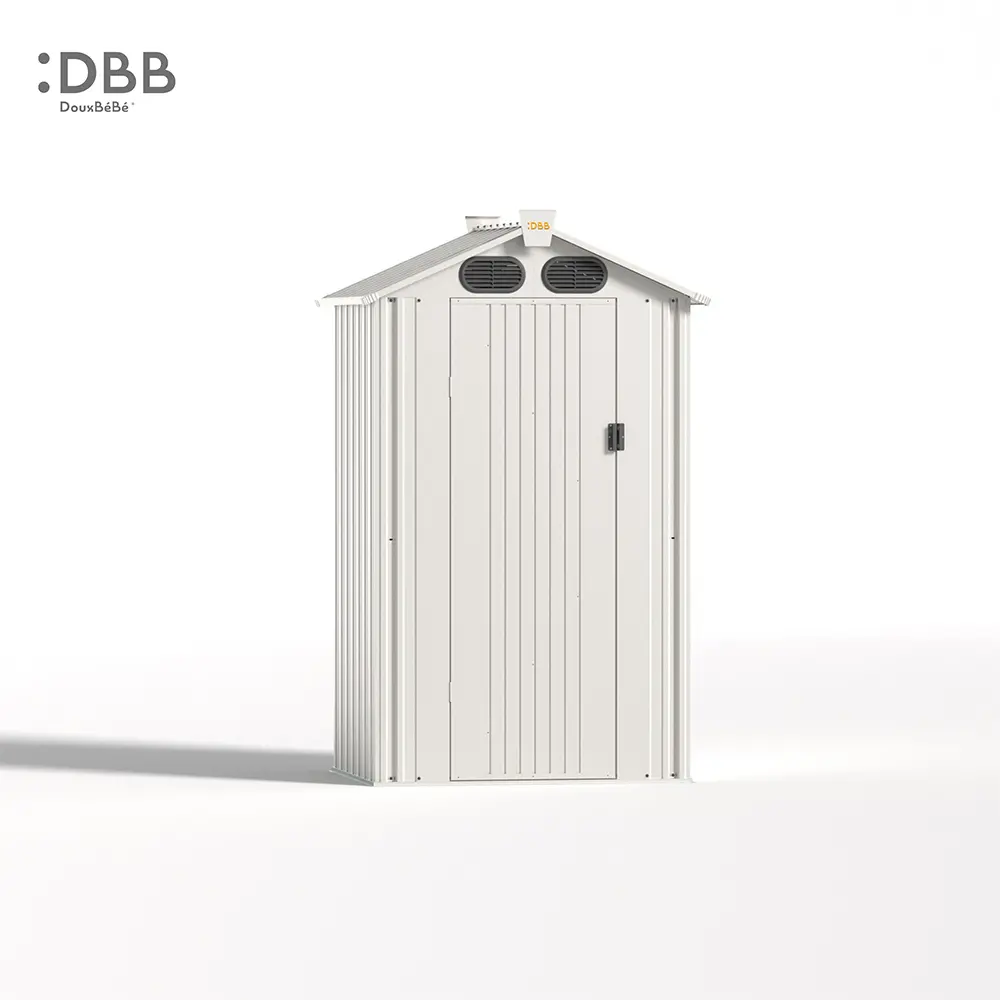
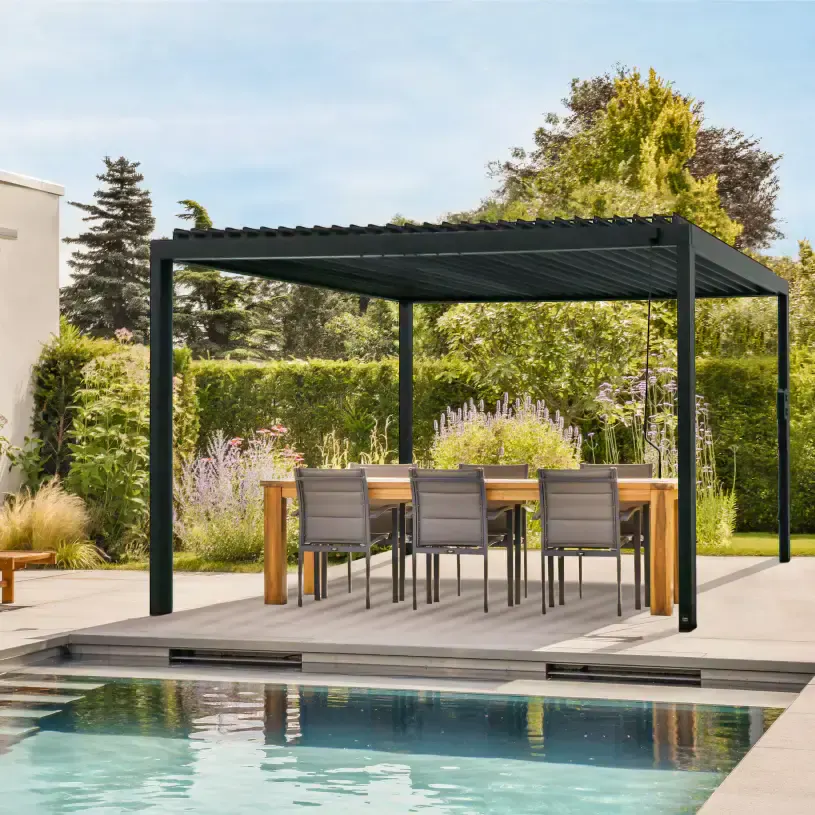
Ordering a custom pergola, gazebo, canopy, pavilion, or other outdoor structure is not the same as buying a standard product from a catalog. Every project may involve different dimensions, materials, wind conditions, installation methods, finishes, and shipping requirements. For OEM buyers and project procurement teams, a well-prepared request for quotation (RFQ) for custom outdoor structures is the foundation of an accurate, comparable supplier proposal.
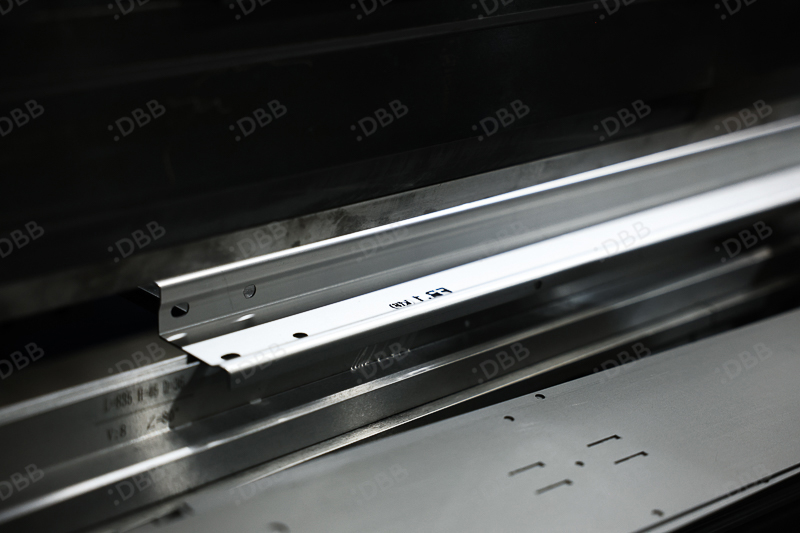
This guide explains what to include in your RFQ, how to organize supporting documents, and how to evaluate responses before placing an order.
What Is an RFQ for Custom Outdoor Structures?
An RFQ is a formal request sent to one or more suppliers asking them to quote a defined product or project. For outdoor structures, it should describe both the physical product and the conditions under which it will be manufactured, transported, and used.
Before sending the RFQ, use a bulk-order checklist to confirm sample approval, packaging, and delivery terms.
An RFQ may cover custom aluminum pergolas, steel gazebos, shade canopies, carports, garden pavilions, outdoor shelters, or modular commercial installations. Depending on the project, the supplier may be asked to provide manufacturing only, design support, engineering documentation, accessories, or packaging for resale.
An RFQ differs from a general inquiry because it provides enough technical and commercial detail for a meaningful quotation. If the design is still being developed, state that clearly and request a budgetary estimate rather than treating an early figure as a fixed price.
1. Start With a Clear Project Overview
Begin with a short description of the structure and its intended application. This context helps suppliers select suitable construction methods and identify whether they can meet the project requirements.
Include the structure type, intended use, project stage, and buyer profile. For example, an OEM brand sourcing flat-pack pergolas for retail has different priorities from a contractor installing large canopies at a coastal resort.
Your overview should answer these questions:
- What type of outdoor structure do you need?
- Is it for residential, commercial, hospitality, or public use?
- Is this a one-time project, a repeat order, or an OEM product line?
- Do you require manufacturing to an existing design or supplier design assistance?
- What is the planned delivery or installation schedule?
Give the project a reference name or number. This makes it easier to track drawings, RFQ revisions, samples, and quotations across multiple suppliers.
2. Provide Drawings and Technical Files
Drawings are among the most important RFQ attachments. They communicate details that text descriptions cannot reliably capture.
Whenever possible, share general arrangement drawings, plans, elevations, sections, and connection details. A bill of materials (BOM), 3D model, or reference photographs can be useful additions. Common file formats include PDF for easy review and DWG, DXF, STEP, or other editable formats when supported by the manufacturer.
Drawings should identify overall dimensions, member locations, roof configuration, column positions, fixing points, and critical interfaces. Clearly mark revision numbers and dates so that suppliers quote the same design version.
If you do not have finished engineering drawings, send dimensioned sketches and labeled reference images. Explain which features are fixed and which may be optimized for manufacturing. A supplier may be able to support design development, but such work should be scoped separately from production.
Do not assume a photograph is sufficient to obtain a firm quotation. Two visually similar outdoor structures may require very different materials and fabrication costs.
3. Specify Dimensions and Layout Requirements
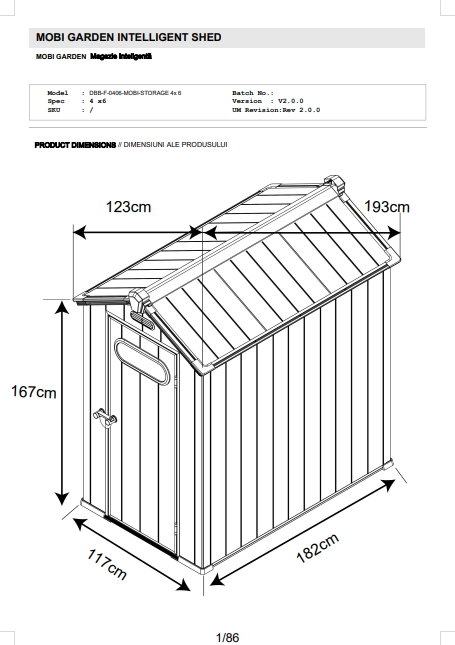
Provide dimensions in a consistent unit system, preferably millimeters, and distinguish between nominal and critical dimensions.
At minimum, identify the overall length, width, and height of the structure. Depending on the design, suppliers may also need clear internal height, column spacing, roof pitch, beam span, eave height, overhang, and opening dimensions.
For a modular structure, state the number of bays and the size of each bay. For products intended to be installed side by side, explain how modules connect and whether dimensional tolerances matter at the interfaces.
Consider access and clearance requirements. For example, a carport may need sufficient vehicle clearance, while a hospitality pergola may need a defined clear walkway height. Specify whether dimensions refer to external frame edges, roof coverage, or usable floor area.
If multiple sizes share the same product design, include a dimension schedule rather than creating an ambiguous single-size drawing.
4. Define Materials, Components, and Surface Finishes
Materials influence strength, corrosion resistance, appearance, weight, price, and maintenance. Your RFQ should name the preferred material and relevant specification wherever known.
Typical choices include aluminum extrusions, structural steel, galvanized steel, stainless steel hardware, polycarbonate roofing, glass, fabric membranes, and composite panels. Avoid descriptions such as “high-quality metal,” which leave too much room for interpretation.
For each major component, specify the material grade or performance requirement, section or profile details, and any acceptable substitutes. If the supplier is permitted to propose alternatives, ask them to explain the technical and price differences.
Finishes also need clear definitions. For powder-coated components, indicate color reference, desired appearance, and applicable coating performance expectations. For steel, specify whether hot-dip galvanizing, paint, or a combined protective system is required. For coastal or chemically aggressive environments, highlight the exposure conditions so corrosion protection can be assessed appropriately.
List accessories separately: fasteners, brackets, anchors, gutters, drainage outlets, louvers, lighting provisions, screens, or motorized components. State which accessories must be included in the quoted scope.
5. State the Quantity and Order Structure
Quantity is essential for accurate pricing because it affects material purchasing, tooling, production efficiency, packaging, and freight planning.
Include the quantity for each model, size, and finish. If you are sourcing for an OEM product range, show expected order quantities by SKU rather than giving only an aggregate volume.
Be explicit about whether the RFQ is for:
- One prototype or pre-production sample
- An initial production order
- A phased project with scheduled deliveries
- Repeat purchases under an annual forecast
You can ask suppliers to quote price breaks at several realistic quantities. For example, request separate unit prices for 20, 50, and 100 sets, provided the specification remains identical.
Forecast volume is not the same as a committed purchase order. Clearly distinguish anticipated annual demand from the immediate order quantity. Ask whether minimum order quantities (MOQs), tooling charges, or sample charges apply.
6. Identify the Installation Region and Site Conditions
Outdoor structures are exposed to local weather and installation conditions. State the country, region, and intended installation environment in every RFQ, even when the same structure will be sold across several markets.
Important factors may include local wind exposure, snow or rain, temperature range, humidity, salt spray, seismic considerations, and site elevation. A freestanding canopy in an open coastal location can face different demands from a similar structure in a sheltered inland garden.
Also identify whether the installation is on concrete foundations, an existing deck, a rooftop, or another supporting surface. Where available, attach a site plan, foundation details, photos, and information about access restrictions.
Tell suppliers which building codes, product standards, permitting requirements, or client specifications apply. The relevant rules depend on the jurisdiction and structure type. Do not assume that a manufacturer’s standard design automatically satisfies local approval requirements.
7. Define Structural Loads and Engineering Responsibilities
A precise RFQ must address structural performance, particularly for larger, permanently installed, or publicly accessible outdoor structures.
State the required design criteria where they are available, including wind actions, snow loads, imposed roof or maintenance loads, and any additional loads from equipment or attachments. Also identify the governing design code or project specification and any required serviceability limits, such as allowable deflection.
Avoid choosing load values from a generic online table. Design loads should be established by a qualified engineer using the actual site, geometry, exposure, and applicable standards. If those values are not yet available, ask suppliers what engineering inputs they need and indicate that the RFQ is preliminary.
Clarify the division of responsibility. Is the supplier expected to manufacture to buyer-approved engineering drawings, perform structural calculations, propose member sizes, or supply drawings for local engineer review? Who designs the foundations and anchors? Who is responsible for local permits and final approval?
Request any required calculation reports, material certificates, welding documentation, inspection records, or design declarations in the quotation. Their availability, cost, and acceptance should be confirmed before ordering.
8. Explain Packaging, Shipping, and Delivery Requirements
Packaging is a practical RFQ requirement, not an afterthought. The selected packing method affects product protection, handling effort, container utilization, freight costs, and the customer’s installation experience.
State whether structures should ship fully assembled, partially assembled, or as knock-down/flat-pack kits. For OEM distribution, specify whether individual retail cartons, branded labels, barcodes, hardware bags, and printed assembly instructions are required.
For project shipments, ask suppliers to identify packages by structure, module, or installation zone. Long beams, fragile roof panels, and coated surfaces may need special protection. If your logistics provider has handling limits, provide maximum package dimensions or weights.
Your RFQ should also identify the destination, desired shipping window, preferred transport mode, and requested Incoterms rule with a named place and version, such as FOB a named port under Incoterms 2020. Ask the supplier to quote estimated packed dimensions, gross weight, package count, and loading information when available.
Check whether export packing, pallets, crates, or protective materials involve extra charges, and specify any applicable destination-market packaging or labeling requirements.
9. Clarify Quality, Testing, and Documentation
For fabricated metal structures, relevant checks may include material verification, dimensions, weld quality, coating appearance and thickness, trial assembly, hardware completeness, and packaging condition. The exact checks should fit the project specification and manufacturing process.
Indicate whether you require a first-article sample, pre-production approval, in-process inspection, or pre-shipment inspection. If third-party testing or witnessing is necessary, identify the required procedure and who will bear the cost.
Request a document list with the quotation. Depending on the project, this could include shop drawings, installation instructions, packing lists, maintenance guidance, inspection reports, test reports, and traceability records.
For OEM buyers, also describe branding rules, label placement, color consistency, and spare-parts support. These details can have a meaningful impact on production cost and customer satisfaction.
10. Set Commercial Terms and a Quotation Format
Make it easy to compare proposals by asking every supplier to respond in the same format. Request an itemized quotation showing unit price, quantity, total price, currency, and scope of supply.
Ask suppliers to separate recurring manufacturing costs from one-time charges such as engineering, molds, tooling, prototypes, or testing. Request lead times for samples and mass production, noting when the clock starts—for example, after drawing approval and deposit receipt.
Include the desired quotation validity, payment terms, delivery terms, warranty expectations, and deadline for supplier responses. Ask suppliers to disclose exclusions, assumptions, optional upgrades, and deviations from the requested specification.
Do not select the lowest number without reviewing scope. A quotation that excludes anchors, roof panels, protective packaging, or engineering documentation may be more expensive once the omissions are corrected.
Custom Outdoor Structures RFQ Checklist
Use this checklist before contacting potential manufacturers:
| RFQ item | Information to provide |
|---|---|
| Project summary | Structure type, application, buyer type, target schedule |
| Drawings | Plans, elevations, sections, connection details, revision numbers |
| Dimensions | Length, width, height, spans, clearances, modular layout |
| Materials | Grades, profiles, roofing, hardware, permitted alternatives |
| Finishes | Coating system, color reference, corrosion exposure |
| Quantity | Units per model/SKU, sample quantity, forecast, delivery phases |
| Installation region | Country, city/region, site environment, installation surface |
| Loads | Governing codes, engineer-defined wind/snow/other loads, design responsibility |
| Packaging | Flat-pack or assembled, protection, labels, carton limits |
| Logistics | Destination, shipping mode, Incoterms, requested delivery date |
| Quality | Inspection criteria, testing, certificates, required documentation |
| Commercial terms | Pricing breakdown, tooling, payment, validity, warranty, exclusions |
Frequently Asked Questions
Can I request a quotation without CAD drawings?
Yes. Dimensioned sketches, photos, and a written specification may support an initial estimate. However, a firm manufacturing quote usually requires sufficiently detailed drawings and clear performance requirements.
What information affects the price most?
Size, structural design, material grade, surface finish, quantity, accessories, fabrication complexity, quality requirements, and packaging can all affect cost. Site-specific engineering and documentation may add separate charges.
Should I include wind and snow load requirements?
Yes, when relevant. Provide loads and applicable standards established for the site by the responsible qualified professional. If these have not been determined, flag them as outstanding rather than supplying unsupported figures.
Why does packaging belong in an RFQ?
Packaging influences freight efficiency, damage risk, unloading, inventory handling, and on-site assembly. It is particularly important for flat-pack OEM products and projects with multiple installation locations.
Conclusion: Better Information Leads to Better Quotations
A successful RFQ for custom outdoor structures gives manufacturers the information they need to price the same scope and identify risks before production. The essentials are clear drawings, accurate dimensions, specified materials, realistic quantities, installation-region details, engineer-defined load requirements, and practical packaging instructions.
Combine those technical inputs with defined quality expectations, delivery terms, and an itemized quotation template. Whether you are developing an OEM outdoor product line or purchasing structures for a commercial project, a complete RFQ reduces avoidable revisions and supports a more reliable supplier selection process.
Ready to request a manufacturing quotation? Prepare your drawings, specifications, quantity schedule, and site requirements using the checklist above, then send one complete RFQ package to your shortlisted suppliers.