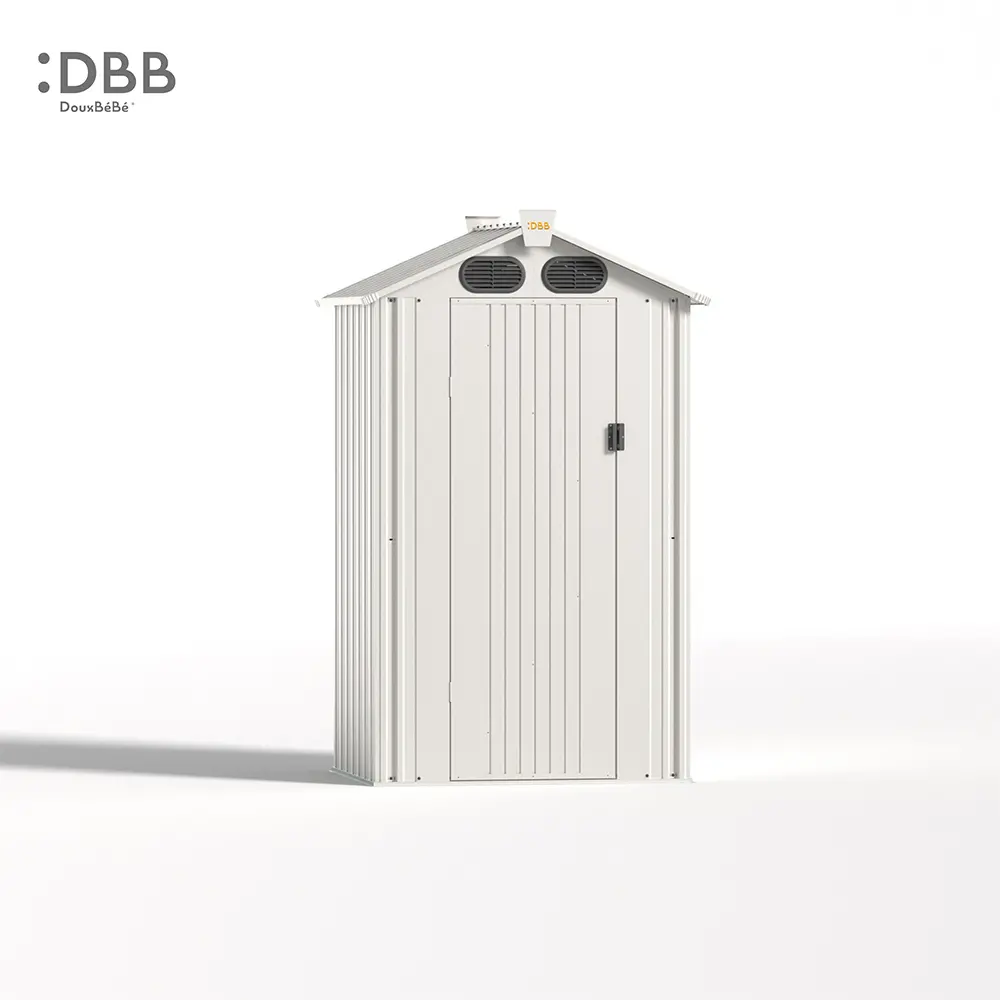
Bulk purchasing guide for wholesalers, importers, and distributors

Ordering outdoor structures in bulk is different from buying a single pergola, gazebo, carport, or patio shelter. One incorrect dimension can create installation problems across dozens of orders. Poor packaging can turn an otherwise competitive quotation into expensive damage claims. Missing hardware or unclear instructions can overwhelm a distributor’s after-sales team.
For wholesalers and dealers, the goal is not simply to secure a low factory price. It is to buy consistent, shipment-ready products that fit customers’ needs, arrive on schedule, and can be installed with minimal friction.
A clear request for quotation keeps quantities, finish requirements, and packaging details comparable across suppliers.
This guide explains what to confirm with an outdoor structure manufacturer before paying a deposit or approving mass production. Use it as a practical checklist when comparing suppliers, requesting quotations, or preparing a purchase order (PO).
1. Verify Product Dimensions and Specifications
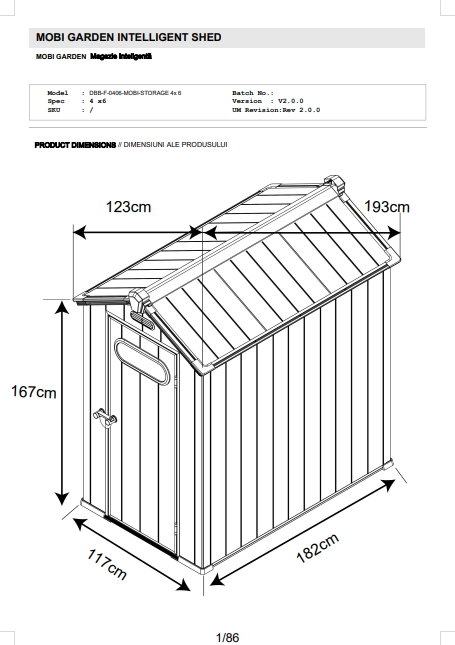
Start with technical drawings, not catalogue photos. Outdoor structures may be advertised using nominal dimensions, while their actual footprint, roof projection, and usable clearance differ.

Ask for a dimensioned drawing for every model and size in your order. Confirm:
- Overall width, depth, and height: include roof overhangs, gutters, and decorative elements.
- Post-to-post spacing: check the space available for vehicles, furniture, or circulation.
- Clear height: measure from finished ground level to the lowest beam or component.
- Foundation and anchor positions: request a base-plate layout and hole-center dimensions.
- Packed dimensions: verify the length of the longest component and each carton or bundle.
- Materials and finishes: specify alloy or steel grade where applicable, section thickness, coating system, and color reference.
Also clarify the supplier’s stated wind and snow load capacities. Ask which configuration, anchoring method, and applicable test or calculation standard support the figures. A rating should not be treated as universally applicable to every installation site. Local building regulations and site conditions may require an engineer’s review.
Buying tip: Attach approved drawings and a signed specification sheet to the PO. Describe the acceptable dimensional tolerances rather than relying on terms such as “standard size.”
2. Confirm Order Quantities, Model Mix, and MOQ
The minimum order quantity (MOQ) is only the beginning. A distributor may need several sizes, colors, or accessory configurations within one container. Confirm whether MOQ applies per model, per finish, or to the entire purchase.
Create a SKU-level order matrix showing the model number, dimensions, finish, roof type, options, quantity, and destination market. This helps avoid misunderstandings when two similar pergolas have different post heights or louver configurations.
Ask the factory whether mixed-model loading is permitted, whether spare hardware is included per set, and how quantity changes affect unit cost and production time. Discuss forecast volumes separately from the first order: a trial shipment and a quarterly purchasing program often require different commercial terms.
Finally, establish an overproduction and short-shipment policy. Do you accept any quantity variance, or must the factory deliver exactly the ordered number of complete sets? Put the answer in writing.
3. Review Packaging for International Freight and Warehouse Handling
Outdoor structures often contain long metal profiles, large roof panels, glass elements, or motorized accessories. Packaging must protect each component during factory handling, container transport, unloading, and final-mile delivery.
Request a packaging specification that lists the number of cartons or bundles per set, dimensions, gross and net weights, and materials used. Evaluate the following:
- Corner guards, foam, separators, and abrasion protection for powder-coated surfaces.
- Moisture protection for cartons, electrical components, and documentation.
- Reinforcement for long profiles that could bend under stacking pressure.
- Separate, labeled hardware bags to prevent small parts from being lost.
- Pallet or crate requirements, including applicable wood-packaging treatment rules for the destination.
- Carton markings that identify SKU, color, set number, package sequence, and handling instructions.
A structure shipped in six cartons should make the relationship clear, for example, “Carton 3 of 6.” This matters when your warehouse ships complete sets to dealers or end customers.
Ask for actual packaging photographs from a recent production run. If you sell through e-commerce or residential delivery channels, discuss whether standard export packaging can withstand parcel or less-than-truckload handling. Export-ready does not automatically mean courier-ready.
4. Calculate Container Loading Before Accepting the Quotation
A competitive ex-factory price may lose its advantage if the products use container space inefficiently. Request a loading plan for the exact SKU mix and packaging format you intend to buy.
The supplier should provide carton measurements, gross weights, estimated total volume in cubic meters (CBM), loading quantities by model, and a proposed arrangement for a 20-foot, 40-foot, or 40-foot high-cube container, as applicable.
Do not assume that dividing container volume by carton CBM gives a workable load count. Long profiles, non-stackable cartons, pallet dimensions, doorway clearance, and load distribution can reduce practical capacity. Weight restrictions may also apply before the nominal volume is filled.
Ask the manufacturer to confirm:
- Sets per container: based on an actual or engineered loading layout, not a generic estimate.
- Mixed-SKU feasibility: including how different package lengths are positioned.
- Protection and securing: dunnage, bracing, straps, and protection against shifting.
- Unloading sequence: especially if the container will be delivered to multiple distribution points.
- Loading evidence: container number, seal number, packing list, and date-stamped photographs.
Compare quotations using landed cost per complete, saleable set, not unit price alone. Freight, duties, inland transport, damage exposure, and unloading costs can change the ranking of suppliers. Confirm the quoted Incoterms rule and named place, and ask your forwarder to validate the shipping assumptions.
5. Establish Realistic Production and Delivery Lead Times
Lead time can mean several things: time to prepare drawings, manufacture components, apply finishes, complete assembly checks, pack goods, or hand over a loaded container. Ask suppliers to separate these milestones.
A workable schedule should identify the date for drawing approval, deposit receipt, material procurement, production start, in-process checks, finished-goods inspection, packing, and cargo readiness. Add shipping booking, transit, customs clearance, and inland delivery when planning dealer launch dates.
Clarify which events can reset the schedule. Custom colors, revised dimensions, new tooling, motors, or special roofing materials may extend production. Seasonal demand and factory shutdowns can also affect capacity.
For repeat orders, ask about production reservations, forecast commitments, and the reorder cut-off that supports your desired arrival date. Keep a buffer for inspection corrections and logistics disruption rather than promising customers the factory’s earliest possible completion date.
Useful PO language: Require the supplier to notify you promptly when a milestone is at risk and to provide a revised recovery plan. Agree in advance on the consequences of material delays.
6. Define Quality Inspection and Acceptance Criteria
For bulk outdoor structures, a one-time showroom sample is not enough. You need a repeatable quality standard that can be checked throughout production and before shipment.
Start by approving a golden sample or documented reference standard. It should cover finish appearance, component fit, packaging, labels, hardware kits, and optional features. Then establish inspection checkpoints:
Pre-production verification
Confirm raw-material specifications, color samples, critical drawings, and the bill of materials (BOM). Check whether your brand labels, carton marks, and manuals are correct before production begins.
In-process inspection
Review profile dimensions, cutting and drilling accuracy, welds where relevant, coating consistency, and fabrication of connection points. Early identification of defects prevents entire batches from being completed incorrectly.
Pre-shipment inspection
Inspect finished goods against the approved specifications. A typical checklist covers dimensions, cosmetic defects, coating damage, alignment, fasteners, accessory quantities, carton strength, barcodes, and documentation. Where practical, conduct a trial assembly of a sampled unit.
For motorized pergolas, include functional checks for the motor, controls, sensors, cable routing, and safety-related features. Any electrical certification claims should be backed by appropriate documentation for the destination market.
Agree on a sampling method, such as an applicable ISO 2859-1-based acceptance sampling plan, and define critical, major, and minor defects with agreed acceptance limits. An AQL inspection does not guarantee zero defects; critical safety issues may warrant stricter controls or 100% checks.
State who pays for inspection, reinspection, rework, and replacement when the lot fails. Independent third-party inspection can be valuable for first orders, new designs, or suppliers without a proven performance record.
7. Request Complete Installation Instructions
Even a well-manufactured outdoor structure can generate returns and negative dealer feedback if installation is confusing. Manuals are part of the product, not an optional marketing extra.
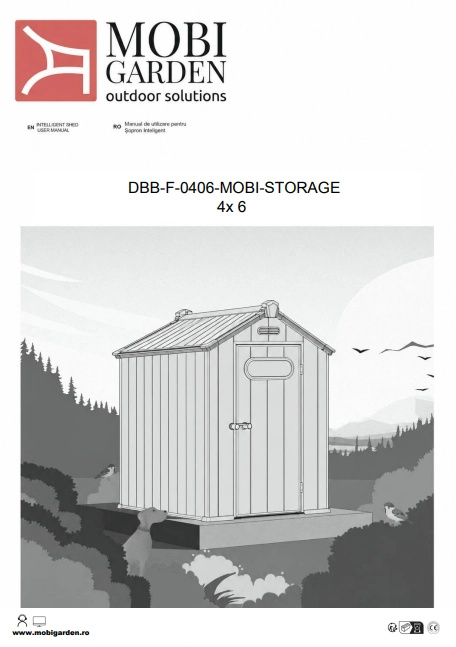
Request a final installation manual before shipment. It should include a complete parts list, labeled diagrams, required tools, assembly sequence, anchoring guidance, safety warnings, and a clear explanation of any steps requiring professional installers.
Check that the manual matches the exact revision of the shipped product. A small change to a bracket or bolt can make an older instruction page misleading. For distributors operating across languages, define translation responsibilities and approval requirements.
Useful supporting assets include installation videos, exploded-view drawings, QR codes linking to current manuals, troubleshooting guides, and maintenance recommendations. For powered products, request wiring information and commissioning instructions suitable for qualified personnel.
Before approving a large order, have someone who did not design the product attempt an installation using only the supplied documentation. Record the missing details and require corrections before mass printing.
8. Agree on Spare Parts and After-Sales Support
Missing or damaged components create disproportionate costs for distributors. Shipping one bolt kit internationally after the sale can cost more than the part itself—and delay the customer’s installation.
Ask for an itemized spare-parts list with part numbers, descriptions, photos, compatibility information, and prices. Prioritize frequently misplaced hardware, exposed trim pieces, brackets, roof components, and electrical controls where applicable.
Set expectations for:
- Free spare-parts allowance: the quantity or percentage included with each shipment, identified by SKU.
- Replacement lead time: separate timelines for stocked parts and made-to-order components.
- Warranty coverage: which failures are covered, exclusions, evidence requirements, and claim deadlines.
- Claim handling: required photos, serial or batch identification, response times, and credit or replacement options.
- Product revisions: availability and compatibility of parts after a model is updated or discontinued.
For large distributor networks, consider buying a small service inventory alongside the first shipment. The right mix depends on the failure history of the product, expected installed base, and how quickly you can obtain replenishment.
9. Check Compliance, Traceability, and Market Requirements
Wholesale purchasing often spans different regulatory markets. Before ordering, identify the rules that apply to the specific structure, materials, accessories, and intended use in your destination country. Do not assume one certificate covers every market or product variation.
Request substantiation for relevant claims—such as material performance, corrosion protection, structural loading, electrical safety, or fire classification—where applicable. Review who is responsible for import documentation, product labeling, instructions, and conformity assessments. For site-specific installations, separate product-level documentation from local permits and structural approval.
Traceability is equally important. Batch numbers, production dates, model revisions, and packing records help isolate problems without recalling unrelated inventory. Confirm how those identifiers appear on cartons and on the product itself.
10. Put Every Requirement Into the Purchase Order
Email discussions are easy to lose and difficult to enforce. Consolidate the commercial and technical requirements into a PO and its referenced attachments.
Your final order package should include approved drawings, SKU quantities, finishes, accessories, packing rules, inspection criteria, delivery milestones, loading assumptions, Incoterms, payment terms, documentation, spare-parts commitments, and the procedure for handling nonconforming goods.
Require written approval for substitutions or design changes. Also identify the controlling revision of each drawing and manual. When ordering branded products, include artwork approvals and rules for using your trademarks.
Bulk Outdoor Structures Purchase Checklist
| Checkpoint | What to obtain before approval |
|---|---|
| Dimensions and design | Approved dimensioned drawings, tolerances, material and finish specifications |
| Quantities | SKU matrix, MOQ rules, confirmed set counts and allowed variance |
| Packaging | Packing specification, carton sizes and weights, markings, protection photos |
| Container loading | SKU-specific load plan, sets per container, weight and securing plan |
| Lead time | Milestone schedule, cargo-ready date, escalation procedure |
| Quality inspection | Golden sample, defect criteria, sampling plan, inspection responsibility |
| Installation | Revision-controlled manuals, parts diagrams, anchoring instructions |
| Spare parts | Part-number list, included allowance, pricing, lead times, warranty process |
| Compliance | Relevant supporting reports, labels, import and market documentation |
| Order controls | Signed PO, approved attachments, change-control and claims process |
Frequently Asked Questions
What should wholesalers ask an outdoor structure supplier first?
Begin with dimensioned drawings, material specifications, a SKU-level quotation, MOQ terms, packaging measurements, and estimated container quantities. These details reveal whether the products match your market and whether the quoted price is commercially realistic.
How can I reduce damage in bulk outdoor structure shipments?
Approve protective packaging, verify carton and bundle strength, specify handling labels, and require a documented container-loading and securing plan. Review photos of packed goods and finished container loading before shipment.
Is a pre-shipment inspection necessary for repeat orders?
Inspection frequency can be adjusted based on supplier performance, product risk, and shipment value. However, repeat orders still benefit from agreed specifications, traceable records, and periodic independent checks. Changes in materials or production processes justify extra attention.
How many spare parts should a distributor order?
There is no universal percentage. Base the quantity on the number of units ordered, critical components, historical damage or defect rates, and replacement lead times. Agree on a minimum free-parts kit and purchase additional service stock where the economics justify it.
Final Thoughts
The best wholesale outdoor structure order is one that remains profitable after freight, warehouse handling, installation, and warranty support—not simply the one with the lowest quoted unit price.
Before you commit to a bulk purchase, verify product dimensions, order quantities, packaging, container loading, delivery milestones, inspection standards, installation documentation, and spare parts. Then capture every agreed requirement in controlled documents tied to the purchase order.
A disciplined buying process protects your margins, reduces dealer complaints, and makes it easier to scale repeat orders with confidence.
Next step: Send your supplier the checklist above and request one consolidated technical-and-commercial approval pack for each model before confirming production.