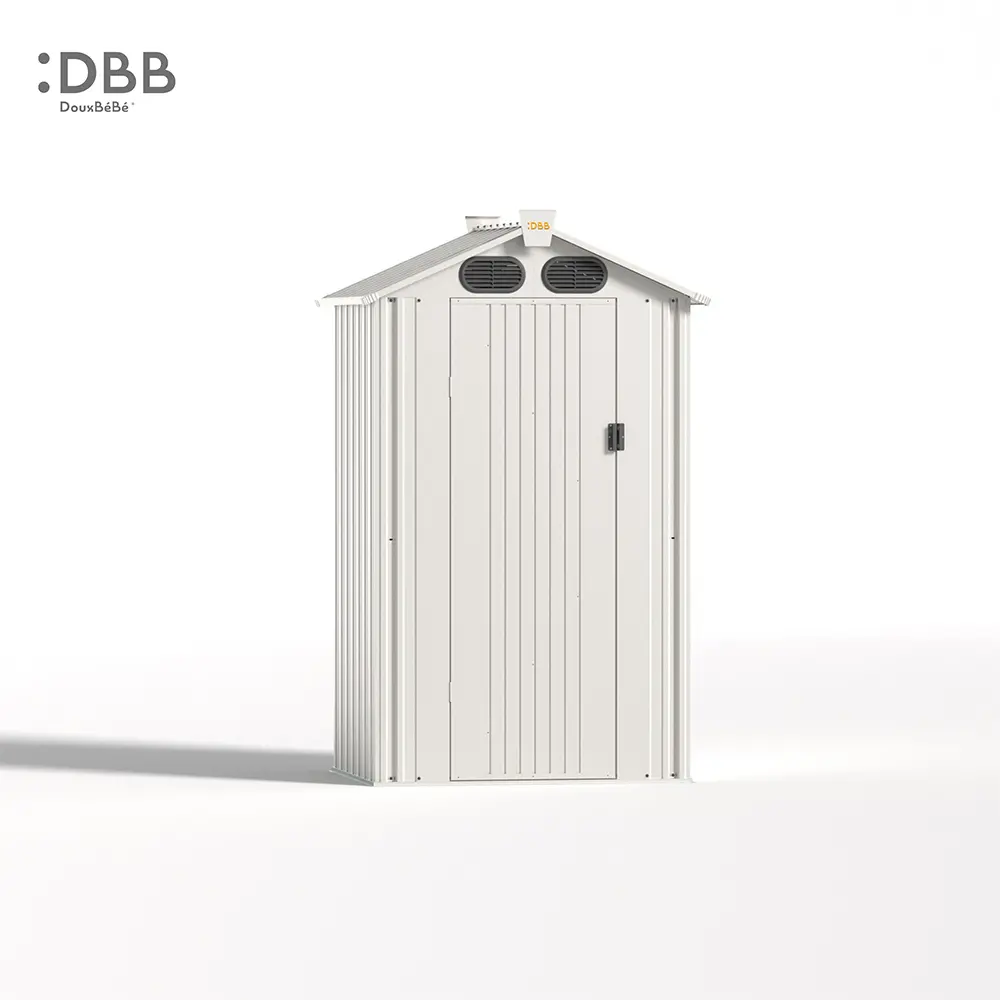
Choosing an outdoor structure manufacturer is not simply a matter of comparing quotations. For importers, distributors, and OEM brands, the real challenge is finding a production partner that can reproduce an approved design consistently, protect product quality across multiple shipments, and respond quickly when something goes wrong.
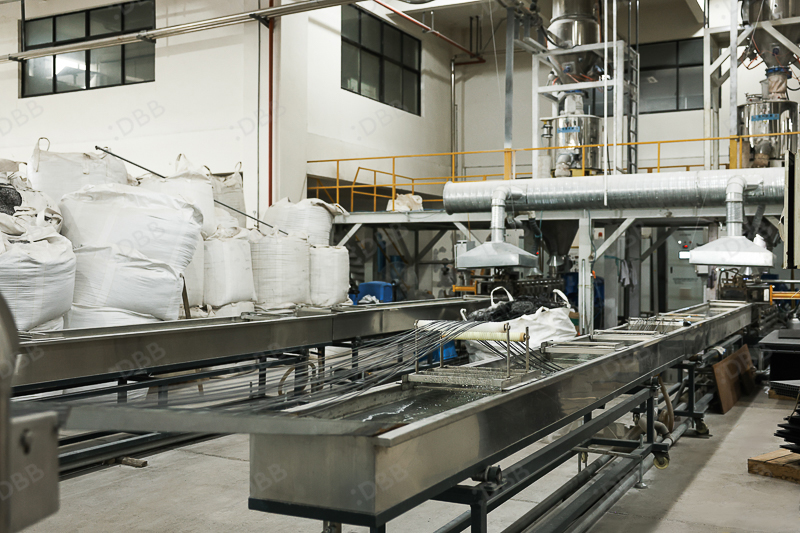
Outdoor structures—including pergolas, gazebos, carports, patio covers, and other assembled shelter systems—combine structural components, surface finishes, fasteners, packaging, and installation instructions. A small error in any of these areas can create expensive consequences: delayed launches, missing components, installation complaints, transit damage, or warranty claims.
A reliable supplier should therefore be evaluated as a complete operating system, not just a factory with an attractive showroom. This guide explains how to assess manufacturing capacity, sample development, material verification, mass-production quality control, export packaging, and after-sales processes before committing to a long-term supply relationship.
For larger orders, a bulk purchasing checklist helps confirm samples, packaging, and delivery terms before production.
1. Verify Real Manufacturing Capability
Begin by determining what the supplier actually manufactures in-house. Some companies manage engineering, fabrication, finishing, and assembly under one roof; others outsource significant processes. Outsourcing is not automatically a problem, but the manufacturer should be transparent about who performs each operation and how subcontractors are controlled.
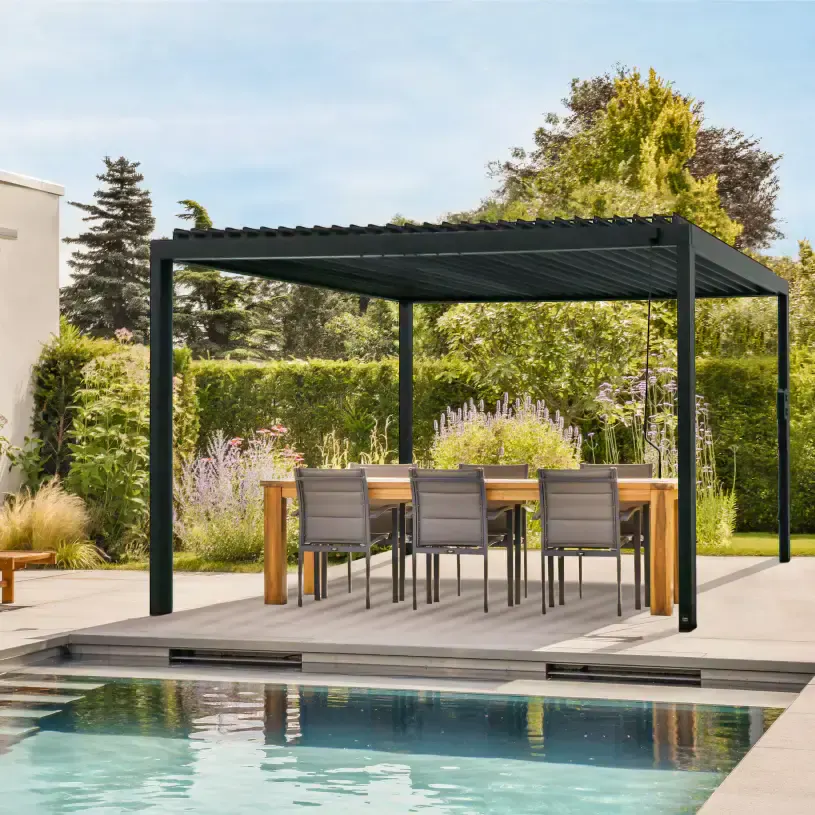
Ask for a factory profile showing production locations, principal equipment, product categories, workforce organization, and normal production schedules. More importantly, request evidence relevant to your specific product. A facility experienced in lightweight decorative canopies may not have the same capabilities as one producing large aluminum pergola systems or steel carports.
For metal outdoor structures, relevant processes may include cutting, CNC machining, punching, welding, drilling, surface preparation, powder coating or other finishing, trial assembly, and final packing. Ask which stages are internal, which are subcontracted, and who signs off on quality at each handoff.
Production capacity must also be assessed in practical terms. An advertised monthly output figure means little without the product mix, staffing assumptions, bottleneck processes, and current order load behind it. Request realistic lead times for samples, first orders, and repeat orders. Discuss what happens when demand increases during peak season or when a key machine is unavailable.
A credible partner should be able to walk you through its manufacturing process, explain production checkpoints, and demonstrate how it handles engineering revisions and schedule changes.
Questions to ask:
- Which critical processes are performed in-house?
- What is your typical output for a product similar to ours?
- Which operations limit capacity during peak season?
- How do you track orders and communicate production delays?
- Can we arrange a factory visit, live video walkthrough, or independent audit?
2. Evaluate Engineering and OEM Development Support
For an OEM brand, supplier selection is also an engineering decision. A manufacturer must translate concept drawings, reference products, or performance requirements into repeatable production specifications.
Check whether the supplier can review technical drawings, create bills of materials, identify tolerance risks, and suggest manufacturable alternatives. Strong engineering support is especially valuable when a structure contains moving louvers, drainage channels, integrated accessories, or multiple modular sizes.
Before requesting a price, define the target market and expected application. Dimensions, installation surface, intended use, anticipated exposure, relevant loading requirements, finish expectations, and accessory options all affect design decisions. Do not assume that a structure suitable for one climate or regulatory market is appropriate for another. Structural calculations, wind and snow load claims, and local compliance documentation should be verified for the intended destination and configuration.
For private-label programs, clarify ownership of drawings, custom tooling, logos, packaging artwork, and proprietary components. Agree on confidentiality, approval authority, and how engineering changes will be documented. A lower unit price is not a saving if the supplier can alter a critical detail without your authorization.
3. Treat Sampling as a Formal Approval Stage
A product sample is more than a visual demonstration. It is the reference against which the production order will be judged. Ask for a defined sampling process with clear deliverables, feedback rounds, and sign-off responsibilities.
For outdoor structures, inspect not only appearance but also component fit, hole alignment, joint integrity, finish consistency, assembly sequence, drainage details where applicable, and completeness of the hardware kit. Assemble the sample using the proposed consumer instructions rather than relying entirely on the supplier’s technicians. This can reveal confusing diagrams, mislabeled bags, or tools that the end customer does not have.
Whenever practical, document sample results with photographs, measurements, and an issue log. Separate cosmetic preferences from functional defects and safety-related concerns. After revisions, ask the supplier to produce a final golden sample or approved reference specification that includes drawings, component lists, finish samples, labels, and packaging requirements.
A sample approval should answer four questions: What exactly was approved? Which version was approved? Who approved it? How will the factory ensure that bulk production matches it?
Be cautious if a supplier urges you to skip sampling because a similar product is already in production. Even small changes in profile thickness, fastener design, coating, or packaging can affect the finished result.
4. Confirm Materials Before Placing a Bulk Order
Material substitution is a common source of inconsistency in outsourced manufacturing. A specification stating only “aluminum frame” or “steel structure” leaves important questions unanswered.
For each key component, define the required grade or alloy where relevant, dimensions, nominal thickness, tolerances, surface treatment, and performance expectations. For example, aluminum extrusion specifications should be distinguished from steel tube specifications; the correct finish, corrosion protection, and fastener compatibility may differ significantly.
Request supporting documents such as material certificates, supplier declarations, coating specifications, and test reports where appropriate. Documents should be traceable to the actual material or product batch rather than presented as generic marketing certificates. Agree in advance whether independent laboratory verification is required for critical characteristics.
Finish quality deserves particular attention. Ask how the factory controls pretreatment, coating application, curing, color matching, and appearance standards. A color chip that looks acceptable indoors may appear different on a full-sized structure under daylight. Confirm acceptable color variation, visible defects, and coating-related inspection criteria before mass production.
For hardware, verify fastener material, dimensions, protective finishes, and compatibility with adjoining metals. Also check seals, plastic fittings, connectors, and any components likely to degrade under ultraviolet exposure or prolonged outdoor use.
Use an approved bill of materials to control the final specification. Any proposed change in material, supplier, thickness, or finish should require written review before implementation.
5. Understand the Factory’s Quality Control System
Quality cannot depend solely on a final inspection a few days before shipment. A reliable outdoor structure supplier needs controls throughout procurement, fabrication, finishing, assembly, and packing.
Ask to see an inspection and test plan showing checkpoints, acceptance criteria, recording methods, and responsibility. A useful system typically includes incoming material inspection, first-article approval, in-process checks, final inspection, and corrective action for nonconforming goods.
At the beginning of a production run, first-article inspection can confirm that machines, fixtures, profiles, holes, and assembly details match the approved version. During production, process checks should monitor critical dimensions, component compatibility, surface appearance, and workmanship. At final inspection, verify the assembled configuration, product identification, hardware quantities, instructions, and carton markings.
A quality management certification, such as ISO 9001, can provide useful evidence of a structured management system, but it does not by itself prove that a particular structure meets your technical requirements. Verify the certificate’s issuing body, scope, location, and validity, then examine actual production records.
For shipment acceptance, define a written sampling and defect-classification plan with the supplier or inspection provider. Do not rely on the vague promise of “100% quality.” State which characteristics require full verification and which can be evaluated by sampling. Establish what happens if an inspection fails, including rework, reinspection, and responsibility for associated costs.
A useful practical test is to ask the manufacturer for a redacted example of a previous defect report. Look for root-cause analysis, containment actions, corrective measures, and evidence that the issue did not recur.
6. Assess Consistency Across Repeat Orders
The first container may look excellent while later shipments drift from the approved design. This risk is particularly important for brands building a recognizable product range or distributors selling replacement parts over several seasons.
Ask how the factory manages specification revisions, component supplier changes, production tooling, and retained samples. Each approved product should have a revision-controlled technical file. Order documents should reference the applicable version, not an informal product nickname.
Traceability should also be practical. Lot numbers, production dates, inspection records, and carton identifiers can help narrow the scope of a complaint. If a batch of fasteners or fittings is defective, the supplier should be able to identify which finished goods were affected.
Discuss repeat-order lead times, seasonal forecasting, minimum order quantities, and inventory arrangements for long-lead-time parts. A manufacturer that can communicate capacity limitations early is often a safer partner than one that accepts every deadline without a credible production plan.
7. Inspect Export Packaging and Container Readiness
A well-made outdoor structure can still arrive damaged if its packaging has not been engineered for international distribution. Long profiles, coated surfaces, glass or panel components, and heavy hardware packages are vulnerable to impacts, abrasion, compression, moisture, and handling errors.
Review the full packing method, not only the printed carton design. Determine how long components are supported, separated, restrained, and protected from rubbing against each other. Check corner protection, internal partitions, hardware containment, moisture protection, and identification labels. Evaluate carton weight and handling requirements for the actual distribution channel.
Ask for a complete packing list showing carton dimensions, weights, carton count per set, and container-loading assumptions. Confirm that mixed models, colors, or accessories can be identified reliably at receiving warehouses. For OEM sales, ensure that barcode placement, retail labeling, instruction manuals, and branded cartons match the approved artwork.
Where shipping damage risk is material, consider a documented packaging validation program based on the distribution environment. The International Safe Transit Association (ISTA) provides guidance on selecting package-testing procedures; the appropriate test depends on whether products move as individual parcels, palletized loads, or other shipment units.
Clarify shipping documents, loading photos, cargo securing practices, and the agreed Incoterms rule. Incoterms help allocate delivery tasks, costs, and risk, but they do not replace the commercial contract or product acceptance criteria. A good manufacturer can explain exactly where its responsibility begins and ends.
8. Review After-Sales Support Before Problems Occur
After-sales capability is a supplier-selection criterion, not a conversation to postpone until customers start complaining. Outdoor structures often contain many components, and a missing bracket or damaged profile can make an entire installation unusable.
Agree on a documented claims process. Define how a claim is submitted, which photos or batch details are needed, when the supplier should acknowledge it, and how resolution will be approved. Set expectations for investigation, replacement-part availability, credit decisions, and the handling of recurring defects.
Ask whether individual spare parts can be ordered by component code, whether drawings can support service teams, and how long key components are expected to remain available. For OEM brands, discuss who provides installation guidance, technical troubleshooting, and replacement instructions under the brand’s name.
Warranty terms should distinguish manufacturing defects from installation errors, misuse, normal wear, and environmental exposure outside the approved specification. Both parties should understand what evidence is needed to evaluate a claim and who pays the freight and handling costs for approved remedies.
The best suppliers treat complaints as feedback for process improvement. Look for clear communication, reliable records, and a willingness to solve causes—not just ship replacement parts.
9. Compare Total Sourcing Risk, Not Just Unit Price
A low quotation can conceal significant downstream costs. Compare candidates using a standardized request for quotation that includes the same technical specification, quantities, finishes, accessories, packaging, testing expectations, and delivery terms.
Build a landed-cost and risk assessment that considers tooling, sampling, inspection, freight efficiency, defect rates, replacement-part needs, and potential delays. A supplier with a slightly higher unit cost may offer better value through fewer claims, more stable delivery, and less coordination work for your team.
Use a weighted scorecard to maintain discipline. For example, you might allocate 25% to manufacturing capability, 20% to quality systems, 15% to engineering and sampling, 15% to material control, 10% to packaging, 10% to delivery performance, and 5% to after-sales support. These weights are illustrative; adapt them to your product risks and commercial model.
Red flags include inconsistent answers about material specifications, refusal to document changes, unverifiable certificates, pressure to approve samples prematurely, unusually vague lead times, and no credible process for claims. One warning sign does not automatically disqualify a manufacturer, but unresolved risks should be addressed before any deposit or production commitment.
10. Use a Structured Supplier Qualification Checklist
Before approving a new outdoor structure manufacturer, confirm that you have:
- Reviewed factory capabilities, process ownership, and realistic capacity.
- Verified engineering support and the requirements of your target market.
- Approved a production-representative sample and controlled drawings.
- Confirmed materials, finishes, hardware, and change-control rules.
- Agreed on inspection checkpoints, defect criteria, and corrective actions.
- Evaluated repeat-order traceability and delivery communication.
- Reviewed export packaging, carton labels, and shipment responsibilities.
- Documented warranty, spare-parts, and claims-handling procedures.
This checklist does not remove every sourcing risk. It does, however, turn a subjective supplier comparison into a repeatable decision process supported by evidence.
Frequently Asked Questions
What should I look for in an outdoor structure manufacturer?
Prioritize proven manufacturing capability, engineering support, controlled specifications, consistent quality checks, suitable export packaging, and responsive after-sales service. Verify these through samples, records, factory audits, and clear written agreements rather than sales claims alone.
How can an OEM brand ensure product consistency?
Approve a golden sample and revision-controlled bill of materials, require written authorization for material or design changes, and use defined inspection criteria across every production order. Maintain batch traceability and compare repeat shipments with the approved specification.
Is a factory audit necessary before a large order?
A factory audit is strongly advisable when order values, product complexity, or compliance risks are high. An on-site or independent audit can help verify equipment, process control, working practices, and capacity claims. It should supplement—not replace—sample approval and shipment inspections.
How do I reduce shipping damage for outdoor structures?
Confirm internal protection for long and coated parts, separate heavy hardware, review carton handling limits, validate packaging for the intended distribution route, and request loading documentation. Track damage patterns after delivery and use the findings to improve future packaging.
What information should I send when requesting an OEM quotation?
Share product drawings or reference images, dimensions, intended market, preferred materials and finishes, estimated quantities, branding requirements, packaging expectations, target delivery schedule, and relevant performance requirements. The clearer the brief, the more comparable supplier quotations will be.
Build a More Reliable Outdoor Structure Supply Chain
Choosing the right supplier means verifying how a factory works before committing to how much it can produce. For importers and OEM brands, the strongest partnerships are built on clear specifications, accountable quality systems, realistic schedules, export-ready packaging, and dependable service after delivery.
Explore our Manufacturing page to understand the production capabilities and processes worth reviewing. If you are sourcing a new product line or developing a private-label outdoor structure, contact our team to discuss drawings, materials, sampling requirements, and your purchasing plan.