Quick Answer: Yes, aluminum patio covers are worth it for many homeowners because they offer long-lasting durability, excellent rust resistance, minimal maintenance, and reliable outdoor shade. A properly installed, high-quality aluminum patio cover can often last 20–30 years or longer, depending on environmental conditions, structural design, and maintenance. Although the initial investment may exceed that of a basic fabric canopy, aluminum typically provides better long-term value through reduced upkeep and fewer replacements.
Creating a comfortable outdoor living space is one of the most practical ways to improve your home’s functionality. Whether you enjoy backyard gatherings, outdoor dining, or relaxing on your patio, having reliable protection from the sun and rain makes a noticeable difference.
Among the available patio roofing materials, aluminum patio covers have become a popular choice for their durability, modern appearance, and low-maintenance design.
But are aluminum patio covers really worth the investment?
This guide explores their benefits, expected lifespan, installation costs, maintenance requirements, and potential drawbacks to help you make an informed decision.
What Are Aluminum Patio Covers?
Aluminum patio covers are outdoor roofing structures constructed primarily from aluminum components. They provide shade and weather protection for patios, decks, and other outdoor living areas.
Unlike traditional wooden patio covers, aluminum structures do not require regular staining, sealing, or painting to prevent rot.
Most aluminum patio covers feature protective finishes, such as powder coating, that improve their appearance and help protect the metal from environmental exposure.
Homeowners can choose from several common designs.
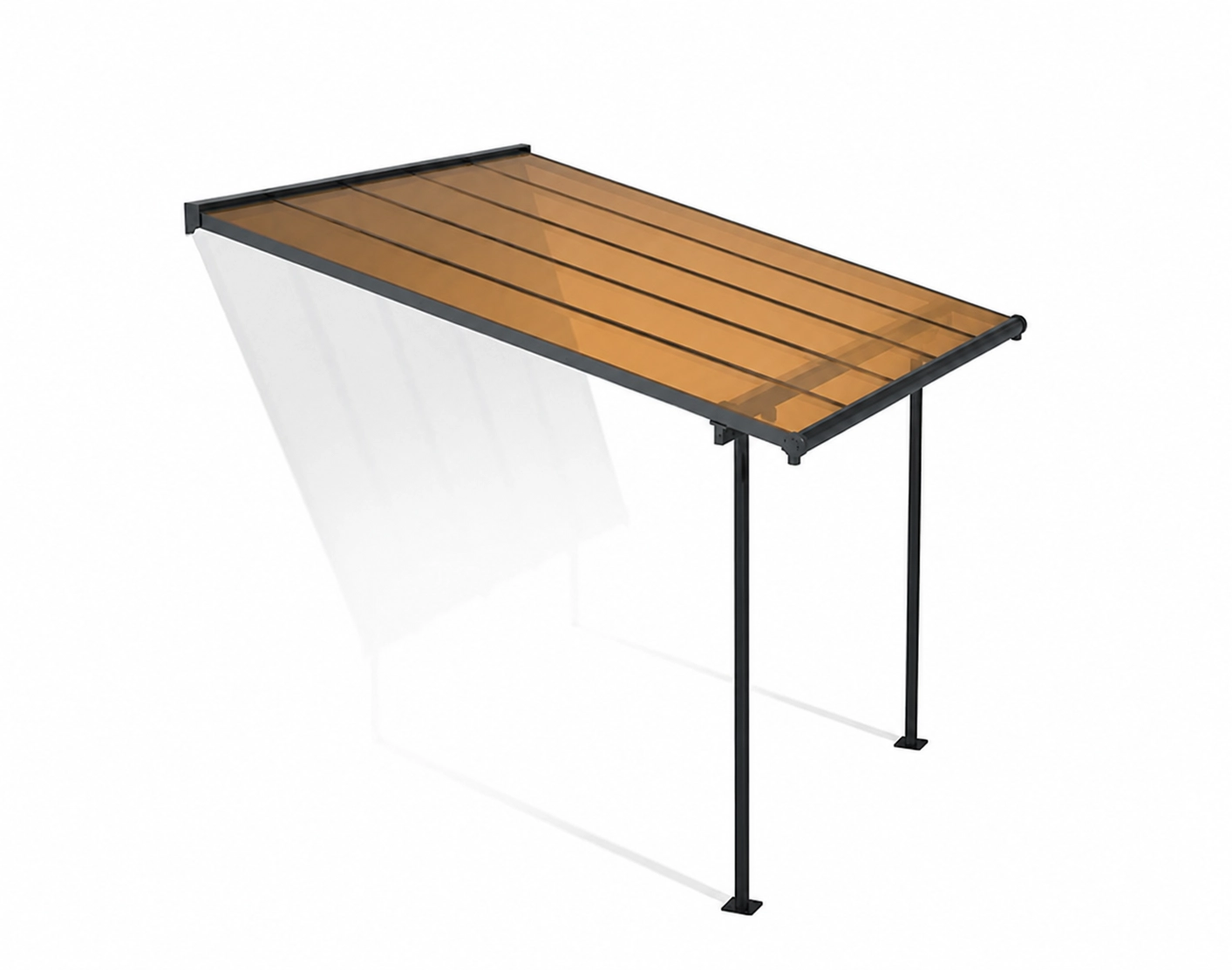
Solid Aluminum Patio Covers
Solid aluminum patio covers feature continuous roof panels that block direct sunlight and provide protection from ordinary rainfall.
They are particularly suitable for outdoor dining areas, lounge spaces, and patios where consistent shade is a priority.
Proper roof slope, drainage, and waterproof connections are essential for preventing leaks.
Insulated Aluminum Patio Covers
Insulated aluminum patio covers typically use roof panels with an insulating core between metal layers.
These panels can reduce heat transfer through the roof compared with comparable non-insulated metal panels.
They are especially appealing in hot climates where afternoon sunlight can make outdoor seating uncomfortable.
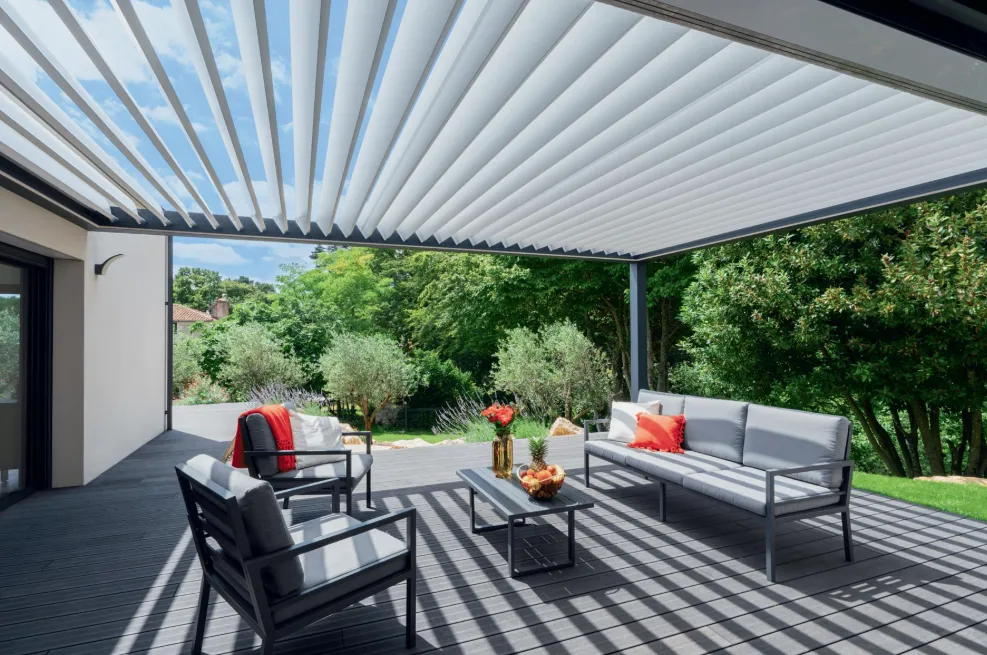
Louvered Aluminum Patio Covers
Louvered patio covers feature adjustable roof slats that allow homeowners to control sunlight, shade, and airflow.
Some models include motorized controls and weather sensors.
Although louvered systems generally cost more than basic fixed-roof structures, they provide greater flexibility for outdoor living.
7 Key Benefits of Aluminum Patio Covers
Aluminum patio covers offer several advantages that make them a practical alternative to wood, vinyl, and temporary shade structures.
1. Excellent Durability and Weather Resistance
One of the biggest advantages of aluminum patio covers is their resistance to common outdoor deterioration.
Aluminum naturally forms a protective oxide layer that helps resist atmospheric corrosion.
Unlike untreated steel, aluminum does not develop conventional iron rust. It also does not rot like wood or attract termites.
These properties make aluminum suitable for many outdoor environments, including locations experiencing frequent rainfall or significant seasonal temperature changes.
However, aluminum is not completely corrosion-proof. Coastal salt exposure, incompatible metal fasteners, and damaged protective finishes can contribute to corrosion over time.
For maximum durability, choose a quality coating system and hardware appropriate for your local environment.
2. Minimal Maintenance Requirements
Aluminum patio covers require significantly less routine maintenance than traditional wooden structures.
Wooden patio covers may need periodic staining, sealing, repainting, and inspections for decay.
By comparison, aluminum patio covers generally require:
- Occasional washing with mild soap and water
- Removal of leaves and roof debris
- Inspection of fasteners and drainage systems
- Touch-up of damaged coatings when necessary
For busy homeowners, these simple requirements can save time and ongoing maintenance expenses.
3. Long-Term Cost Efficiency
Although aluminum patio covers involve an upfront investment, their durability and low maintenance requirements can make them economical over time.
According to HomeGuide’s 2026 covered patio cost guide, basic solid aluminum patio covers commonly cost approximately $20–$50 per square foot installed in the United States.
Actual prices depend on roof size, design complexity, geographic location, and installation requirements.
Unlike wood, aluminum generally does not require recurring protective treatments.
Fewer maintenance tasks and potentially fewer replacements can improve its overall lifecycle value.
4. Lightweight Yet Structurally Capable
Aluminum has a relatively low weight compared with many other structural metals.
This makes aluminum components easier to transport and handle during installation.
Despite being lightweight, properly engineered aluminum framing systems can support patio roofing under specified design loads.
However, structural performance depends on the alloy, member dimensions, connection details, spans, and installation method.
In areas exposed to hurricanes, strong winds, or heavy snow, homeowners should select systems specifically engineered for local building-code requirements.
5. Attractive and Versatile Designs
Modern aluminum patio covers are available in various styles, colors, and finishes.
Popular options include:
- White aluminum covers for traditional homes
- Black or charcoal finishes for contemporary architecture
- Wood-look finishes for a warmer aesthetic
- Flat-roof designs for minimalist outdoor spaces
- Adjustable louvered roofs for flexible shade control
Powder-coated aluminum can provide a clean, consistent appearance without the regular repainting associated with traditional wood.
This flexibility makes aluminum suitable for both modern and classic home exteriors.
6. Improved Outdoor Comfort
A well-designed aluminum patio cover can make outdoor spaces more usable during sunny or rainy weather.
By blocking direct sunlight, solid covers provide shaded areas for furniture, dining, and relaxation.
Insulated roofing panels may further improve comfort by limiting heat transfer from the roof.
The actual temperature improvement depends on sun exposure, ventilation, roof color, insulation, and local climate.
Patio covers can also help reduce direct sunlight exposure on nearby doors and windows, although any resulting indoor energy savings vary by home design.
7. Recyclability and Material Longevity
Aluminum is recyclable and can be reprocessed without losing its fundamental metallic properties.
Its long service life can also reduce the frequency of material replacement.
However, sustainability depends on factors such as recycled content, manufacturing processes, transportation, and the lifespan of the finished structure.
For environmentally conscious homeowners, choosing durable aluminum products with recycled content and appropriate environmental documentation can be a practical option.
How Long Do Aluminum Patio Covers Last?
A well-made aluminum patio cover can often last 20–30 years or longer when correctly installed and maintained.
This is a general planning estimate rather than a guaranteed lifespan. Some products may require repairs or replacement earlier, while others can remain functional for several decades.
Several factors influence longevity.
Material Quality
Higher-quality aluminum alloys and appropriately sized structural components generally deliver more dependable performance.
Thin, poorly designed components may be more vulnerable to denting, deformation, or damage under severe weather conditions.
Protective Coating
A quality powder-coated finish helps preserve appearance and resist environmental exposure.
Proper surface preparation before coating is particularly important.
According to QUALICOAT UK & Ireland, suitable pretreatment and ongoing cleaning are essential to the long-term performance of architectural powder coatings.
Local Climate
Patio covers installed near coastlines may experience greater salt exposure.
Regions with heavy snowfall or high winds place additional demands on structural components and connections.
Choosing a system designed for local environmental conditions is essential.
Installation Quality
Correct anchoring, roof slope, drainage, flashing, and fastening methods contribute directly to service life.
Poor installation can cause leaks, loose connections, water accumulation, and premature damage—even when the aluminum itself remains in good condition.
Aluminum vs. Wood vs. Vinyl Patio Covers
Choosing the right material requires comparing more than appearance or initial price.
The following table summarizes common differences.
| Feature | Aluminum | Wood | Vinyl |
|---|---|---|---|
| Durability | High with proper design | Depends on treatment and upkeep | Good, product-dependent |
| Maintenance | Low | Moderate to high | Low |
| Rot resistance | Excellent | Requires protection | Excellent |
| Rust resistance | Does not develop iron rust | Not applicable | Not applicable |
| Termite resistance | Excellent | Vulnerable unless protected | Excellent |
| Design options | Modern and wood-look finishes | Natural, highly customizable | Varies by product |
| Weather performance | Strong when engineered correctly | Strong when maintained | Depends on reinforcement |
| Long-term upkeep cost | Generally low | Generally higher | Generally low |
Aluminum vs. Wood
Wood offers natural texture and traditional charm that many homeowners prefer.
However, wooden structures need ongoing protection against moisture, insects, and deterioration.
Aluminum is often the better choice for homeowners prioritizing low maintenance and consistent appearance.
Aluminum vs. Vinyl
Vinyl patio covers offer low maintenance and resistance to rot.
However, performance depends on the vinyl formulation, structural reinforcement, and exposure conditions.
Aluminum may be preferable when homeowners want slimmer structural profiles or specific engineered designs.
Ultimately, the best material depends on your budget, architectural preferences, and local climate.
How Much Do Aluminum Patio Covers Cost?
The cost of an aluminum patio cover depends on its size, roofing system, finishes, and installation complexity.
For a basic solid aluminum patio cover, a useful US planning range is $20–$50 per square foot installed, based on HomeGuide’s 2026 estimates.
Estimated Aluminum Patio Cover Installation Costs
| Patio Cover Size | Estimated Installed Cost |
|---|---|
| 10 × 10 ft (100 sq. ft.) | $2,000–$5,000 |
| 10 × 20 ft (200 sq. ft.) | $4,000–$10,000 |
| 12 × 20 ft (240 sq. ft.) | $4,800–$12,000 |
| 12 × 24 ft (288 sq. ft.) | $5,760–$14,400 |
These estimates apply the basic $20–$50 per-square-foot range. They are illustrative budgets, not contractor quotes. Premium louvered roofs, complex foundations, electrical work, and structural upgrades may cost substantially more.
Factors That Affect Installation Costs
Several variables can influence the final project price.
Roof type: Standard solid panels are typically less expensive than insulated or motorized louvered systems.
Patio dimensions: Larger structures require more materials and installation labor.
Foundation and anchoring: New concrete footings or structural reinforcements increase costs.
Customization: Decorative finishes, integrated lighting, and ceiling fans add to the total.
Labor and permits: Local labor rates, engineering requirements, and permit fees vary by location.
Before purchasing, request an itemized estimate covering materials, installation, drainage, foundations, and warranty terms.
How to Maintain an Aluminum Patio Cover
One of the strongest reasons to choose aluminum is its straightforward maintenance.
Nevertheless, low maintenance does not mean no maintenance.
Following a simple routine helps preserve both appearance and structural performance.
Step 1: Clean the Surface Regularly
Wash accessible aluminum surfaces using warm water, mild detergent, and a soft cloth or sponge.
Rinse thoroughly to remove soap residue and accumulated dirt.
Avoid abrasive brushes, harsh chemical cleaners, and aggressive pressure washing that may damage protective finishes.
Step 2: Remove Leaves and Debris
Leaves, branches, and other debris can accumulate around roof edges and gutters.
Regular cleaning helps maintain effective drainage and reduces the possibility of standing water.
Use appropriate access equipment or hire a professional for elevated areas. Do not walk on roof panels unless the manufacturer expressly permits it.
Step 3: Inspect Fasteners and Connections
Check visible bolts, brackets, and connections for signs of movement, corrosion, or damage.
Pay special attention after severe storms.
If you notice loose structural connections or unusual roof movement, consult a qualified installer instead of attempting major structural repairs yourself.
Step 4: Check the Protective Finish
Inspect powder-coated surfaces for scratches, peeling, discoloration, or impact damage.
Use manufacturer-approved touch-up products when appropriate.
Coating damage in coastal environments deserves prompt attention because salt exposure can accelerate deterioration.
Step 5: Follow a Seasonal Maintenance Schedule
For ordinary residential conditions, an inspection and cleaning approximately every six months is a reasonable starting point.
Homes near the ocean, industrial pollution, or other aggressive environments may need more frequent cleaning.
Always follow the manufacturer’s instructions, particularly when cleaning frequency affects warranty coverage.
Are There Any Disadvantages to Aluminum Patio Covers?
Although aluminum patio covers provide substantial benefits, they are not ideal for every project.
They Can Become Hot in Direct Sunlight
Aluminum conducts heat efficiently.
Uninsulated roof panels exposed to intense sunshine may become hot and radiate heat toward the occupied area.
Insulated panels, appropriate roof colors, and sufficient ventilation can help improve comfort.
They Can Dent
Aluminum is resistant to rust and rot, but thinner panels can dent when struck by falling branches, hail, or other objects.
Selecting suitable panel thickness and structural specifications helps reduce this risk.
Rain Noise May Be Noticeable
Rain falling onto thin, uninsulated metal panels can produce noticeable noise.
Insulated roofing systems may reduce sound transmission, although results vary by construction.
Premium Systems Can Be Expensive
Motorized louvered covers and custom architectural designs can require a substantial investment.
Homeowners primarily seeking inexpensive seasonal shade may find a basic canopy or fabric awning more suitable.
Are Aluminum Patio Covers Suitable for All Climates?
Aluminum patio covers can perform well in many climates, provided the system is designed for local conditions.
In hot climates, solid roofs provide shade, while insulated panels can help reduce roof-related heat transfer.
In rainy climates, correct roof slope, flashing, and drainage are essential for reliable protection.
In coastal areas, corrosion-resistant fasteners, suitable coatings, and more frequent cleaning are particularly important.
In snow-prone or high-wind regions, structural engineering is critical.
The International Code Council’s patio cover provisions address structural loading, including wind and snow considerations. The applicable requirements depend on the code adopted by the local jurisdiction.
Never assume that a standard patio cover kit is automatically suitable for every weather condition.
Do Aluminum Patio Covers Increase Home Value?
Aluminum patio covers can improve the functionality and visual appeal of an outdoor living area.
A shaded, well-designed patio may make a property more attractive to prospective buyers who value outdoor entertaining.
However, an increase in property value is not guaranteed.
Potential resale benefits depend on the quality of the installation, local market preferences, overall property condition, and how well the structure complements the home.
For most homeowners, the primary return comes from greater outdoor comfort, increased usable space, and reduced maintenance—not a guaranteed dollar-for-dollar recovery of installation costs.
Are Aluminum Patio Covers Worth the Investment?
For many homeowners, the answer is yes.
Aluminum patio covers offer an effective combination of durability, weather resistance, attractive design, and limited maintenance.
They are especially worthwhile if you:
- Want a permanent outdoor shade solution
- Prefer low-maintenance building materials
- Live in an area with frequent rain or strong sunlight
- Want to avoid regular wood staining and sealing
- Plan to use your patio for many years
- Value long-term practicality over the lowest upfront price
However, aluminum may not be the best choice if you strongly prefer natural timber aesthetics or only need temporary seasonal shade.
The decision ultimately depends on your intended use, budget, climate, and design preferences.
Frequently Asked Questions About Aluminum Patio Covers
1. Are aluminum patio covers better than wood?
Aluminum patio covers are generally better for homeowners who prioritize low maintenance, resistance to rot, and long-term convenience. Wood may be preferable for those seeking a natural appearance and extensive customization. Neither material is universally superior.
2. How long does an aluminum patio cover last?
A high-quality aluminum patio cover may last 20–30 years or longer with proper installation and maintenance. Actual lifespan depends on environmental exposure, coating quality, engineering, and the condition of structural connections.
3. Do aluminum patio covers rust?
Aluminum does not develop iron rust like steel. However, it can experience other forms of corrosion, especially in coastal environments or where incompatible metals contact the aluminum. Suitable finishes and fasteners help protect the structure.
4. Are insulated aluminum patio covers worth the extra cost?
Insulated aluminum patio covers can be worthwhile in hot climates or for homeowners seeking improved thermal comfort and reduced rain noise. Their value depends on local temperatures, sun exposure, and how frequently the covered area is used.
5. Do aluminum patio covers need painting?
Most factory-finished aluminum patio covers do not require routine painting. Periodic cleaning and occasional coating repairs are usually sufficient. Repainting may become necessary if the original finish deteriorates significantly.
6. Can aluminum patio covers withstand strong winds?
Properly engineered and anchored aluminum patio covers can withstand the wind loads specified for their design. Performance depends on local requirements, structural connections, foundations, and installation quality. Always verify the system’s rated wind resistance.
7. Can you install an aluminum patio cover yourself?
Some smaller aluminum patio cover kits are designed for DIY installation. However, attached structures, complex foundations, electrical components, and high-wind installations often require professional assistance. Check local permit and engineering requirements before starting.
8. Are aluminum patio covers waterproof?
Solid-roof aluminum patio covers can provide effective rain protection when correctly designed and installed. However, waterproof performance depends on panel joints, flashing, roof slope, and drainage. Louvered systems may have different water-resistance limitations.
Final Verdict: Should You Choose an Aluminum Patio Cover?
Aluminum patio covers are a worthwhile investment for homeowners seeking durable, attractive, and low-maintenance outdoor protection.
Their resistance to rot and conventional rust, versatile design options, and potentially long service life make them a practical alternative to traditional wooden patio structures.
While initial costs vary, aluminum can provide strong long-term value by minimizing recurring maintenance and replacement needs.
For the best results, choose quality materials, verify local structural requirements, compare installation quotes, and follow the manufacturer’s maintenance recommendations.
With the right design and professional installation, an aluminum patio cover can transform an ordinary patio into a more comfortable and functional outdoor living space for years to come.
References
- HomeGuide — Covered Patio Cost Guide (2026) — Installation cost estimates and material comparisons.
- International Code Council — 2024 IBC Appendix I: Patio Covers — Structural design and loading considerations.
- QUALICOAT UK & Ireland — Specifying and Maintaining Architectural Powder Coatings — Coating quality and maintenance guidance.
- Angi — Patio Cover Installation Cost Guide (2026) — Material options, customization, and installation cost factors.
Related Patio Cover Guides
- Attached vs. Freestanding Patio Covers: Pros, Cons, and Key Differences
- How to Maintain and Clean Your Patio Cover for Long-Lasting Performance
- Modern Patio Cover Designs: 10 Stylish Ideas for Contemporary Homes
Explore the Patio Covers knowledge library or compare our patio cover products.