A patio cover can transform an ordinary backyard into a comfortable outdoor living space. Whether you want to enjoy family dinners outside, protect your patio furniture, or create a shaded retreat during hot summer days, choosing the right patio cover is an important decision.
One of the first questions homeowners face is whether to install an attached or freestanding patio cover. Both options provide shade, weather protection, and opportunities to enhance your outdoor space. However, they differ significantly in structural design, installation requirements, flexibility, and overall cost.
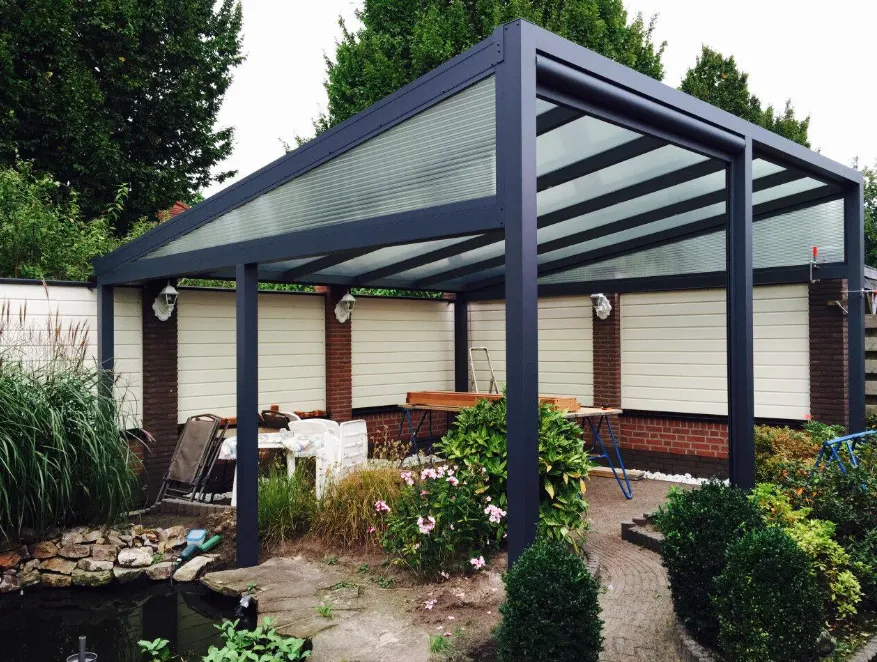
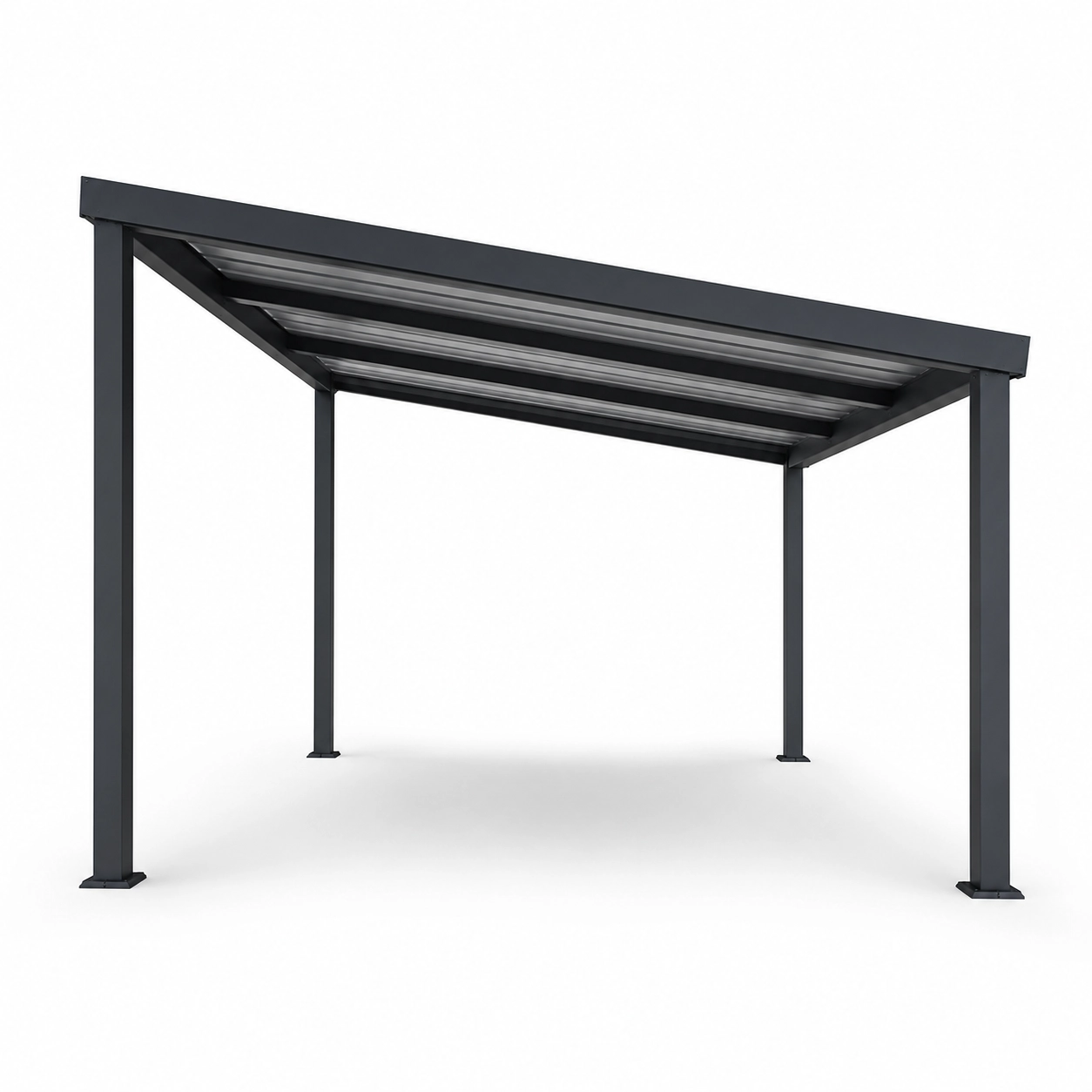
The main difference between attached and freestanding patio covers is how they are supported. An attached patio cover connects to the house and uses the existing structure for part of its support. A freestanding patio cover is independently supported by its own posts and foundation, allowing it to be installed in various locations.
In this guide, we’ll explore the pros and cons of each option, compare their key features, and help you determine which patio cover best suits your home, budget, and outdoor lifestyle.
What Is an Attached Patio Cover?
An attached patio cover is an outdoor roofing structure connected directly to a home’s exterior wall or roof structure. It typically uses a combination of structural connections, support beams, and posts to create a covered area adjacent to the house.
These patio covers are commonly installed over backyard patios, decks, and outdoor dining areas.
Because they connect to the home, attached patio covers can create a seamless transition between indoor and outdoor spaces.
Pros of Attached Patio Covers
1. Seamless Integration With Your Home
One of the biggest advantages of an attached patio cover is its ability to complement your home’s existing architecture.
By matching roofing materials, colors, and design details, homeowners can create a unified appearance that makes the patio feel like a natural extension of the house.
2. Convenient Access to Outdoor Living Areas
Attached patio covers are ideal for homeowners who frequently use their outdoor spaces.
They provide convenient access from kitchens, living rooms, or sliding patio doors, making outdoor dining and entertaining easier.
Depending on the roof design and placement, they can also provide a sheltered transition between the house and patio during rainy weather.
3. Potentially Lower Structural Costs
Attached patio covers may require fewer support posts because part of the structure is supported by the house.
This can reduce certain material and foundation costs, although the final price depends on the complexity of the attachment, roofing materials, and labor requirements.
4. Additional Shade Near the House
An attached patio cover can help shade nearby windows, doors, and exterior walls.
When properly positioned, this additional shade may reduce direct solar heat gain and improve comfort in adjacent indoor spaces during warmer months.
Cons of Attached Patio Covers
1. More Complex Structural Connections
Attaching a patio cover to an existing house requires careful structural planning.
The home’s framing must be capable of supporting the additional loads, and connections must be designed to accommodate local wind, rain, and snow conditions.
2. Potential Water Leakage
Improper flashing or roof connections can allow moisture to enter the building envelope.
Professional waterproofing and drainage design are essential to minimize this risk.
3. Limited Placement Flexibility
An attached patio cover must connect to an appropriate part of the house, limiting where it can be installed.
Existing windows, rooflines, doors, and structural features may also restrict its size and configuration.
4. Possible Changes to Natural Light
A solid attached roof may reduce the amount of sunlight entering nearby rooms.
Homeowners concerned about indoor brightness may prefer translucent roofing panels or adjustable louvered systems.
What Is a Freestanding Patio Cover?
A freestanding patio cover is a self-supporting outdoor structure that does not rely on the house for structural support.
Instead, it uses its own posts, beams, bracing, and foundations to support the roof.
Freestanding patio covers can be installed over patios, garden seating areas, outdoor kitchens, poolside lounges, or other locations throughout a backyard.
Their independent design makes them especially popular for homeowners who want flexible outdoor living arrangements.
Pros of Freestanding Patio Covers
1. Greater Placement Flexibility
The biggest advantage of a freestanding patio cover is its versatility.
Unlike attached structures, freestanding covers can be installed in different parts of the yard, provided the location meets site conditions and local regulations.
This allows homeowners to create shaded spaces away from the main house.
2. More Outdoor Design Possibilities
Freestanding patio covers work well with modern outdoor living concepts.
They can serve as standalone structures for lounge areas, outdoor kitchens, garden retreats, or poolside seating.
Their independent placement also provides greater freedom to experiment with different roof styles and layouts.
3. No Structural Attachment to the House
Because freestanding patio covers have independent support systems, they do not transfer their primary structural loads into the home.
This eliminates the need for a structural connection to the house and reduces risks associated with incorrectly installed wall attachments.
4. Suitable for Larger Backyards
Freestanding patio covers can help divide spacious backyards into separate functional areas.
For example, homeowners can create a covered dining pavilion near the garden while maintaining an open patio directly beside the house.
Cons of Freestanding Patio Covers
1. Potentially Higher Foundation Costs
Freestanding patio covers typically require additional support posts and independent footings.
Depending on the structure’s size and engineering requirements, these components may increase material and installation costs.
2. More Backyard Space Required
Additional posts and structural supports can occupy valuable space.
In smaller yards, a freestanding structure may feel bulky or interfere with landscaping and circulation paths.
3. Less Convenient Access From the House
A freestanding patio cover positioned farther from the home may require homeowners to walk through an uncovered area.
This can be inconvenient during rain or when carrying food and drinks from the kitchen.
4. Greater Need for Independent Stability
Because the structure cannot rely on the house for support, its foundations, connections, and lateral bracing must independently resist wind and other environmental loads.
Proper engineering and installation remain essential.
Attached vs. Freestanding Patio Covers: Key Differences
Although both patio cover styles provide outdoor protection, their structural and functional differences can significantly influence your decision.
The following table compares their most important features.
| Feature | Attached Patio Cover | Freestanding Patio Cover |
|---|---|---|
| Structural support | Connected to the house | Independently supported |
| Installation location | Adjacent to the home | Flexible backyard placement |
| Design integration | Blends with existing architecture | Creates a separate outdoor feature |
| Support posts | Often fewer | Usually more |
| Foundation requirements | Posts and footings as needed | Independent posts and footings |
| Installation complexity | Requires careful house connections | Requires independent structural stability |
| Water leakage concerns | Flashing and connection details are critical | No structural roof-to-house connection |
| Access convenience | Direct access from the house | Depends on location |
| Typical cost factors | Attachment, flashing, framing | Additional supports and foundations |
| Best suited for | Connected outdoor living areas | Independent backyard retreats |
Quick takeaway: Attached patio covers are generally better for creating a convenient, integrated outdoor space next to the house. Freestanding patio covers are better for flexible placement, independent structures, and dedicated outdoor zones.
Neither option is universally superior. The best choice depends on your property’s layout and how you plan to use the space.
Cost Comparison: Which Patio Cover Is More Affordable?
Cost is often a deciding factor when comparing attached vs. freestanding patio covers.
However, an attached patio cover is not always cheaper than a freestanding model.
While attached designs may use fewer posts, they can require additional expenses for structural connections, flashing, roof modifications, and waterproofing.
Freestanding patio covers avoid some of these attachment-related expenses but may require more substantial foundations and support systems.
Factors That Affect Patio Cover Costs
Several variables influence the final installation price:
- Size: Larger covers require more roofing materials, framing, and labor.
- Material: Aluminum, wood, steel, and insulated roof panels have different price points.
- Roof design: Solid, adjustable louvered, and custom roofing systems vary in complexity.
- Foundation conditions: Soil quality, drainage, and footing requirements affect costs.
- Labor: Installation rates depend on your location and project specifications.
- Additional features: Lighting, ceiling fans, motorized louvers, and integrated gutters increase the budget.
For a meaningful comparison, request itemized estimates for both configurations using the same roof dimensions, materials, and accessories.
Make sure each quote includes site preparation, foundations, drainage, permits, and installation labor.
Installation Requirements: What Should Homeowners Consider?
Both attached and freestanding patio covers require proper planning to ensure long-term safety and durability.
However, the installation process differs.
Installing an Attached Patio Cover
An attached patio cover requires an assessment of the home’s existing structure.
Installers must determine whether the intended connection points can safely support the additional loads.
Important installation considerations include:
- Structural attachment and load transfer
- Wall or roof flashing
- Proper drainage and gutter placement
- Roof slope and clearance
- Wind and snow load requirements
Incorrect attachment methods can lead to leaks, structural movement, or long-term damage.
For this reason, structural modifications should be assessed by qualified professionals.
Installing a Freestanding Patio Cover
Freestanding patio covers require independent structural support.
The installation process generally involves evaluating the site, preparing foundations, installing posts and beams, and assembling the roofing system.
Key considerations include footing dimensions, soil conditions, lateral stability, roof drainage, and wind resistance.
Although freestanding designs avoid attaching to the home, they are not necessarily easier to install.
Their foundations and structural connections must support the entire cover independently.
Do Patio Covers Require Building Permits?
Permit requirements vary by location, structure size, height, and attachment method.
Some jurisdictions allow certain small patio covers without building permits, while others require permits for both attached and detached structures.
For example, the City of San Diego’s patio cover guidance describes conditional permit exemptions for qualifying residential patio covers.
Before beginning construction, consult your local building department and confirm applicable zoning, setback, and structural requirements.
Choosing the Best Patio Cover Materials
The material you choose affects appearance, maintenance, durability, and overall performance.
Both attached and freestanding patio covers are available in a variety of materials.
Aluminum Patio Covers
Aluminum patio covers are popular because they are lightweight, corrosion-resistant, and relatively low-maintenance.
They are available in contemporary designs and can often be customized with insulated roofing panels or adjustable louvers.
Aluminum is particularly attractive for homeowners seeking a clean, modern appearance with minimal upkeep.
Wood Patio Covers
Wood provides a natural, traditional appearance that complements many residential architectural styles.
It is especially suitable for rustic patios, garden spaces, and homes with existing timber features.
However, wood generally requires periodic sealing, staining, or painting to protect against moisture, insects, and weather exposure.
Steel Patio Covers
Steel provides high structural strength and is commonly used where longer spans or specific engineering requirements are important.
It can support contemporary outdoor designs but requires suitable corrosion protection and professional installation.
Insulated Patio Covers
Insulated patio roof panels combine protective exterior surfaces with an insulating core.
They can help reduce heat transfer through the roof and improve comfort beneath the covered area.
For homeowners planning to use their patio frequently during hot weather, insulated panels are worth considering.
Which Patio Cover Is Better for Different Outdoor Spaces?
The best patio cover depends not only on its construction but also on how it fits into your lifestyle.
Best for Small Backyards: Attached Patio Covers
Attached patio covers are often a practical choice for compact outdoor spaces.
By connecting directly to the house, they can reduce the need for additional posts and preserve usable yard space.
They also create a convenient outdoor extension for everyday activities.
Best for Large Backyards: Freestanding Patio Covers
Freestanding patio covers work particularly well in spacious yards.
They allow homeowners to establish separate outdoor zones without relying on the home’s wall or roof structure.
A freestanding cover can become a central backyard feature for entertaining, relaxing, or enjoying the garden.
Best for Outdoor Kitchens: Both Options
Both designs can accommodate outdoor kitchens, depending on the location and layout.
An attached cover provides convenient access to the indoor kitchen, while a freestanding cover allows a separate cooking and dining area.
For either configuration, cooking appliances must have appropriate clearances and ventilation in accordance with their manufacturers’ instructions and applicable codes.
Best for Poolside Lounges: Freestanding Patio Covers
Freestanding patio covers are often the more practical choice for poolside seating.
They can be positioned close to the pool to provide shade for lounge chairs and relaxation areas without requiring a structural connection to the house.
Best for Everyday Outdoor Dining: Attached Patio Covers
If you regularly dine outdoors, an attached patio cover may offer greater convenience.
Its proximity to the kitchen and dining room makes serving meals, carrying dishes, and entertaining guests easier.
How to Choose Between Attached and Freestanding Patio Covers
Before making a final decision, evaluate your outdoor space and project priorities.
Consider these five questions:
- Where do you want shade? If your preferred location is directly beside your house, an attached cover may be more practical.
- How large is your backyard? Smaller yards often benefit from integrated designs, while larger properties offer more placement options.
- What is your budget? Compare complete installation estimates rather than focusing only on the price of the structure.
- What architectural style do you prefer? Attached covers create a unified appearance, while freestanding designs can become independent landscape features.
- How will you use the space? Dining areas, outdoor kitchens, garden retreats, and poolside lounges have different accessibility and layout needs.
It is also worth considering future upgrades.
If you plan to add outdoor lighting, ceiling fans, privacy screens, or a motorized louvered roof, select a patio cover system capable of accommodating these features.
Planning ahead can prevent unnecessary modifications later.
Frequently Asked Questions About Attached and Freestanding Patio Covers
1. Is an attached patio cover cheaper than a freestanding patio cover?
An attached patio cover can be more affordable because it may require fewer support posts and foundations. However, complex structural connections, roof modifications, and waterproofing can increase costs. The most economical option depends on the design, materials, and installation conditions.
2. Can a freestanding patio cover be installed next to a house?
Yes. A freestanding patio cover can be positioned next to a house without being structurally attached to it. However, proper clearances, drainage, foundations, and local building requirements must be considered.
3. Which patio cover is more durable?
Both attached and freestanding patio covers can provide excellent durability when properly engineered and installed. Long-term performance depends primarily on structural design, material quality, weather resistance, maintenance, and installation workmanship.
4. Do freestanding patio covers need concrete footings?
Many freestanding patio covers require concrete footings or other engineered foundation systems to provide stability and resist uplift. The appropriate foundation depends on soil conditions, structural loads, cover dimensions, and local building codes.
5. Can I install an attached patio cover myself?
Some patio cover kits are designed for homeowners, but attaching a roof structure to an existing house involves structural and waterproofing considerations. Professional evaluation is recommended, particularly when structural modifications or permits are required.
6. Which patio cover is better for high-wind areas?
Neither type is automatically better in high-wind conditions. Both must be engineered for local wind loads. Attached covers depend partly on the strength of their connections to the house, while freestanding covers rely on their independent foundations and bracing systems.
7. Are aluminum patio covers available in both styles?
Yes. Aluminum patio covers are available in attached and freestanding configurations. Both can offer corrosion resistance, low maintenance, and modern designs, including solid roofs and adjustable louvered systems.
Final Verdict: Attached vs. Freestanding Patio Covers
Choosing between an attached and freestanding patio cover ultimately depends on your outdoor layout, design preferences, budget, and intended use.
Choose an attached patio cover if you want convenient access from your home, a visually integrated design, and a covered space for everyday dining or relaxation.
Choose a freestanding patio cover if you prioritize flexible placement, independent outdoor living areas, or a dedicated backyard feature.
Both styles can enhance outdoor comfort, protect patio furnishings, and make your backyard more functional throughout the year.
The most important step is selecting a well-designed structure that suits your property and local environmental conditions.
By comparing the structural requirements, installation costs, materials, and practical benefits of each option, you can invest in a patio cover that delivers lasting performance and an enjoyable outdoor living experience.
Related Patio Cover Guides
- How to Maintain and Clean Your Patio Cover for Long-Lasting Performance
- Pergola vs. Patio Cover: What's the Difference and Which Should You Choose?
- Are Aluminum Patio Covers Worth It? Benefits, Durability, and Maintenance
Explore the Patio Covers knowledge library or compare our patio cover products.