A patio cover is a valuable addition to any outdoor living space, providing shade, weather protection, and a comfortable environment for relaxation or entertainment. Whether you have an aluminum, wood, vinyl, or polycarbonate patio cover, proper maintenance is essential to preserving its appearance, structural integrity, and long-term performance.
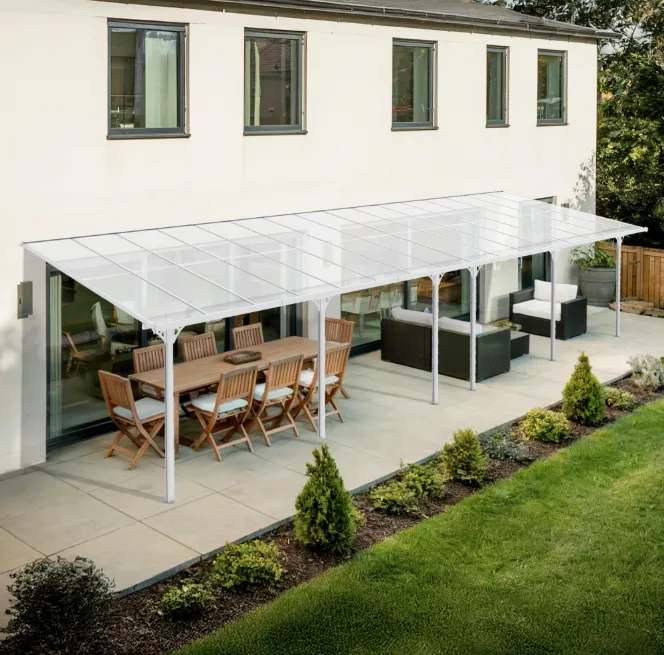
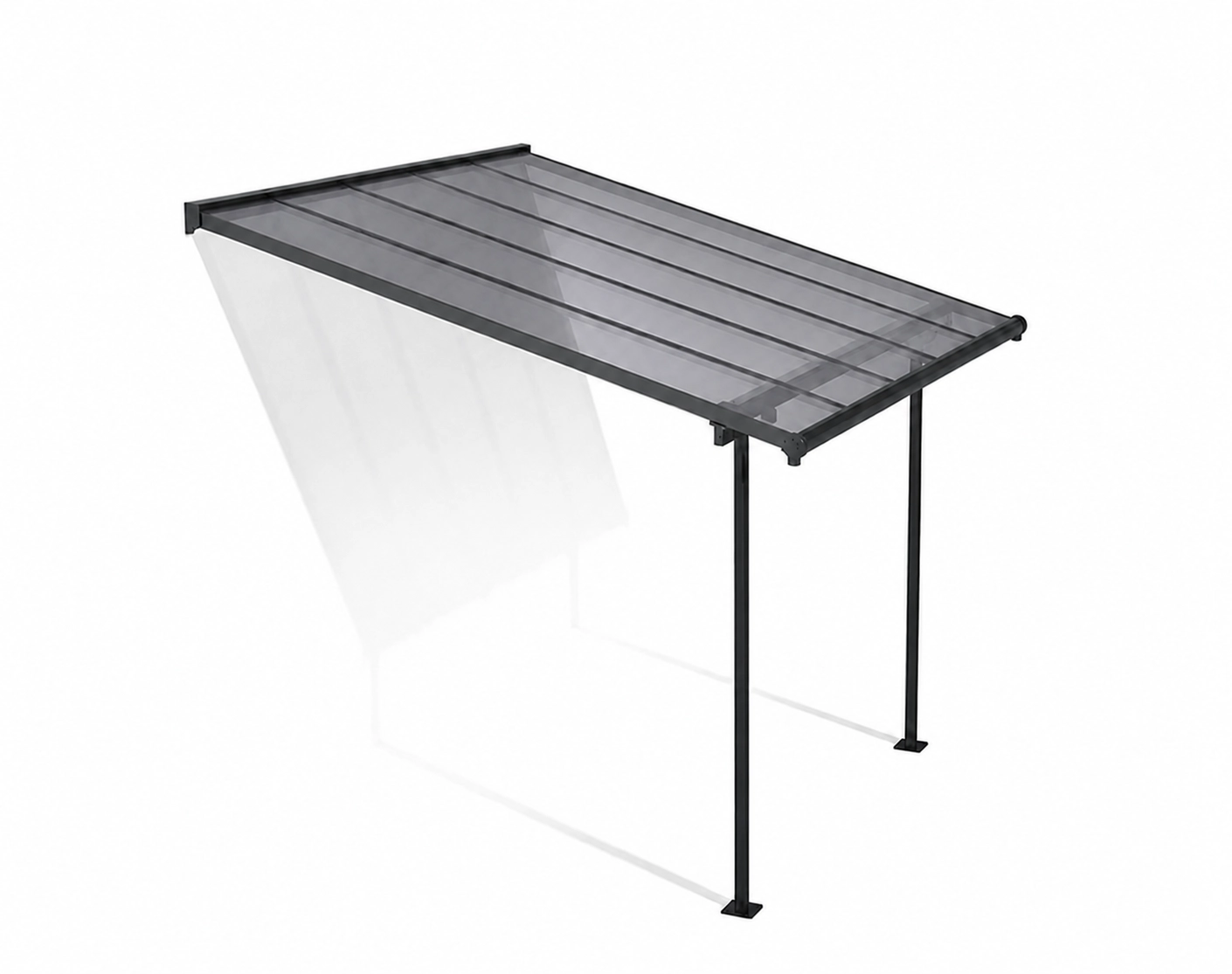
Over time, outdoor structures are exposed to sunlight, rain, dust, leaves, moisture, and temperature fluctuations. Without regular care, these environmental factors can lead to staining, corrosion, discoloration, leaks, and premature deterioration.
The good news is that patio cover maintenance doesn’t have to be complicated or expensive. With the right cleaning techniques, preventive measures, and seasonal inspections, you can keep your patio cover looking attractive and functioning effectively for years.
This comprehensive guide explains how to clean different patio cover materials, identify potential problems, prevent weather-related damage, and establish an effective maintenance routine.
Why Is Regular Patio Cover Maintenance Important?
Regular patio cover maintenance helps protect your outdoor investment and reduces the risk of expensive repairs.
Although modern patio covers are designed to withstand outdoor conditions, even durable materials require occasional cleaning and inspection.
Here are the main benefits of maintaining your patio cover.
1. Extends the Lifespan of Your Patio Cover
Accumulated dirt, moisture, and organic debris can gradually affect protective coatings, joints, and structural components.
Routine cleaning removes contaminants before they contribute to deterioration. Regular inspections also help identify loose fasteners, damaged seals, and other issues that may worsen over time.
2. Maintains Its Appearance
A clean patio cover enhances the overall appearance of your home and outdoor entertainment area.
Removing dust, algae, pollen, and stains helps maintain the original finish and prevents unsightly buildup.
This is especially important for light-colored aluminum structures and transparent polycarbonate roofing panels.
3. Prevents Water Damage
Blocked gutters, damaged flashing, and deteriorated seals can allow rainwater to accumulate or enter areas that should remain dry.
Regular drainage inspections help minimize leaks, water staining, and moisture-related deterioration.
4. Reduces Long-Term Maintenance Costs
Minor maintenance tasks are generally easier and less expensive than major repairs.
Cleaning gutters, checking fasteners, and addressing small coating defects can help prevent larger problems and reduce unnecessary replacement costs.
How Often Should You Clean and Maintain a Patio Cover?
The ideal maintenance frequency depends on your patio cover’s material, local climate, surrounding vegetation, and environmental exposure.
For most residential installations, a practical starting point is to perform a thorough cleaning twice a year, with additional inspections after severe weather.
| Maintenance Task | Recommended Frequency |
|---|---|
| Remove leaves and loose debris | Monthly or as needed |
| General surface cleaning | Every 3–6 months |
| Clean gutters and drainage channels | Twice yearly or more often near trees |
| Inspect bolts and connections | Every 6 months |
| Check roofing panels and seals | Twice yearly |
| Inspect after severe weather | After major storms |
| Inspect wood coatings | Annually |
| Professional structural inspection | When damage or movement is suspected |
These are general recommendations rather than universal manufacturer requirements. Patio covers installed in coastal regions, dusty environments, or areas with heavy tree coverage may require more frequent attention.
Essential Tools and Supplies for Patio Cover Cleaning
Before cleaning your patio cover, gather the appropriate equipment.
Using the right tools makes maintenance easier while reducing the risk of scratching or damaging surfaces.
Recommended Cleaning Supplies
-
Soft microfiber cloths or non-abrasive sponges
-
Mild dish soap or manufacturer-approved detergent
-
Bucket of lukewarm water
-
Garden hose with a gentle spray setting
-
Soft-bristled brush suitable for the surface
-
Telescopic cleaning pole
-
Protective gloves and safety glasses
-
Stable, appropriate access equipment when necessary
Avoid harsh chemical cleaners, abrasive pads, metal brushes, and aggressive scraping tools unless your patio cover manufacturer specifically approves their use.
Safety tip: Never walk directly on polycarbonate roofing panels or other roof surfaces that are not designed to support foot traffic. If the roof cannot be cleaned safely from the ground, consider professional cleaning.
Step-by-Step Guide: How to Clean Your Patio Cover
Cleaning a patio cover is relatively straightforward when performed carefully.
The following process works as a general starting point for many patio covers, although material-specific instructions should always take priority.
Step 1: Remove Loose Dirt and Debris
Begin by removing leaves, twigs, pollen, and other loose debris from accessible surfaces.
Use a soft brush or a gentle stream of water to clear accumulated material.
Pay particular attention to:
-
Roof edges and corners
-
Gutters and drainage channels
-
Joints between roofing panels
-
Areas around support beams
-
Spaces where leaves tend to collect
Removing loose particles before washing helps prevent scratches caused by rubbing dirt across finished surfaces.
Step 2: Prepare a Mild Cleaning Solution
Fill a bucket with lukewarm water and add a small amount of mild dish soap.
Mix gently until the solution is evenly combined.
For most routine cleaning, a mild detergent is sufficient to remove ordinary outdoor dirt.
Avoid using concentrated bleach, strong solvents, or highly alkaline products without explicit manufacturer approval.
Step 3: Gently Wash the Surfaces
Dip a soft cloth or sponge into the cleaning solution and gently wipe the accessible surfaces.
Work in manageable sections, starting from the upper areas and moving downward.
For larger installations, use an appropriate telescopic cleaning tool rather than stretching or climbing onto the roof.
Do not apply excessive pressure, particularly when cleaning coated aluminum or plastic roofing panels.
Step 4: Rinse Thoroughly
After washing, rinse away detergent residue using clean water.
A standard garden hose with gentle water flow is generally suitable.
Avoid directing high-pressure water into seals, panel joints, electrical components, or drainage connections.
Residual cleaning products may leave marks or affect certain finishes, so thorough rinsing is important.
Step 5: Dry and Inspect
Allow the patio cover to air-dry or use a clean microfiber cloth on reachable surfaces.
Once the structure is clean, inspect it for scratches, cracks, loose components, and signs of water leakage.
Cleaning and inspection together provide an efficient way to maintain both appearance and functionality.
How to Maintain Different Types of Patio Covers
Not all patio covers require the same maintenance approach.
Understanding the specific characteristics of your patio cover material helps you select safe cleaning methods and avoid preventable damage.
Aluminum Patio Cover Maintenance
Aluminum patio covers are popular because they are lightweight, durable, corrosion-resistant, and relatively low maintenance.
However, accumulated dirt and pollutants can affect their appearance and protective finish.
To maintain an aluminum patio cover:
-
Wash the framework with mild soap and water.
-
Use a soft cloth or sponge to clean powder-coated surfaces.
-
Rinse thoroughly to remove detergent residue.
-
Inspect the finish for scratches or coating damage.
-
Check fasteners, brackets, and drainage components.
Avoid abrasive cleaners that could damage powder coating.
In coastal environments, salt deposits should be removed more frequently to reduce the risk of corrosion affecting fittings or exposed metal components.
For additional care guidance, see Luwara’s patio cover maintenance recommendations.
Wood Patio Cover Maintenance
Wood patio covers offer a natural, traditional appearance but generally require more attention than aluminum structures.
Moisture, sunlight, insects, and fungal growth can affect untreated or poorly protected wood.
To maintain a wooden patio cover:
-
Remove leaves and organic debris regularly.
-
Clean surfaces using products appropriate for the wood and its finish.
-
Inspect for cracking, splintering, and soft or decayed areas.
-
Check exposed joints for signs of moisture damage.
-
Reapply suitable exterior stain, paint, or sealant when the existing finish begins to deteriorate.
The frequency of refinishing depends on wood species, coating type, exposure, and manufacturer guidance.
Proper ventilation and drainage are particularly important because prolonged moisture exposure can accelerate wood deterioration.
Vinyl Patio Cover Maintenance
Vinyl patio covers are valued for their moisture resistance and relatively simple cleaning requirements.
They usually do not require painting or staining, although dirt and environmental staining can still accumulate.
Use mild soapy water and a soft cloth to clean vinyl surfaces.
For stubborn stains, choose a cleaner specifically approved for the material and test it on a small, inconspicuous area.
Avoid aggressive solvents and abrasive brushes that could damage or dull the finish.
Regularly inspect vinyl components for cracking, warping, or loose connections.
Polycarbonate Patio Cover Maintenance
Polycarbonate patio covers allow natural light to pass through while providing overhead protection.
However, polycarbonate surfaces require careful cleaning because abrasive materials and incompatible chemicals can cause permanent damage.
For safe polycarbonate roof cleaning:
-
Rinse loose dust and debris with clean water.
-
Apply lukewarm water mixed with mild detergent.
-
Gently clean using a soft sponge or microfiber cloth.
-
Rinse thoroughly with clean water.
-
Allow the surface to dry naturally.
Avoid abrasive cleaning pads, strong solvents, and sharp tools.
Pressure washers are not recommended for many polycarbonate roofing systems because they can damage panels or sealing components.
According to Palram’s polycarbonate roofing care guidance, gentle cleaning with suitable detergent and water is recommended to protect the material.
How to Prevent Common Patio Cover Problems
Preventive maintenance is one of the most effective ways to extend your patio cover’s service life.
Addressing minor issues early helps maintain weather protection and structural reliability.
Prevent Water Leaks
Leaks can develop around roofing joints, flashing, fasteners, or damaged seals.
Inspect these areas regularly, especially after heavy rainfall.
Look for water stains, dripping, loose trim, or visible gaps.
Replace damaged components using manufacturer-approved materials. Persistent leaks should be evaluated by a qualified installer rather than repeatedly covered with unsuitable sealant.
Keep Gutters and Drainage Systems Clear
Blocked gutters prevent rainwater from flowing away from the patio cover.
This can lead to overflowing water, staining, and moisture accumulation around structural connections.
Remove leaves and debris periodically and check whether water drains freely through downpipes.
For patio covers with integrated drainage systems, inspect the outlets and support-post drainage channels where accessible.
Check Fasteners and Structural Connections
Temperature changes, vibration, and weather exposure can affect mechanical connections over time.
Look for missing screws, damaged brackets, corrosion, or unusual movement.
Do not overtighten fasteners, particularly around polycarbonate panels that require allowance for thermal expansion.
If the structure appears unstable or significantly displaced, stop using the affected area and arrange a professional inspection.
Protect Against Sun Exposure
UV radiation can gradually affect certain finishes, plastics, and sealants.
Use only compatible coatings or protective treatments recommended by the manufacturer.
Inspect exposed seals and painted surfaces for discoloration, brittleness, peeling, or cracking.
Avoid applying general-purpose protective products without checking their compatibility with the existing material.
Seasonal Patio Cover Maintenance Checklist
Seasonal inspections help you prepare your patio cover for changing weather conditions.
Spring Maintenance
Spring is an excellent time for a thorough inspection after winter.
Remove accumulated debris, clean roofing surfaces, and examine fasteners and seals.
Check for damage caused by wind, snow, or freezing temperatures.
Clear gutters to prepare for seasonal rainfall.
Summer Maintenance
During summer, focus on dust accumulation, pollen, and sun exposure.
Clean surfaces when they are cool, preferably during the morning or evening.
Inspect finishes for UV-related deterioration.
If your patio cover includes retractable shading or motorized components, follow the manufacturer’s operating and maintenance instructions.
Autumn Maintenance
Falling leaves can quickly block gutters and roof drainage systems.
Remove organic debris frequently, especially when the patio cover is located beneath trees.
Inspect seals, connections, and drainage before periods of heavy rainfall.
Address minor maintenance issues before winter weather makes repairs more difficult.
Winter Maintenance
In regions with freezing temperatures or snowfall, monitor the structure for unusual snow accumulation and ice-related problems.
Do not assume your patio cover can support unlimited snow loads.
Follow the manufacturer’s snow-load specifications and snow-removal guidance.
Avoid climbing onto slippery roofing surfaces or using sharp tools to remove ice.
If snow accumulation creates a potential structural hazard, seek professional assistance.
Common Patio Cover Cleaning Mistakes to Avoid
Incorrect cleaning techniques can cause more harm than ordinary dirt.
Avoid these common mistakes when maintaining your patio cover.
Using high-pressure water: Pressure washing can damage certain coatings, plastic panels, seals, or joints. Use gentle cleaning methods unless the manufacturer expressly permits pressure washing.
Applying harsh chemicals: Strong solvents, concentrated alkaline cleaners, and incompatible household products may discolor surfaces or damage protective finishes.
Ignoring gutters: Even a clean roofing surface can experience drainage problems if gutters remain blocked.
Scrubbing dry dirt: Sand and dust particles can scratch finished surfaces. Rinse loose debris before wiping.
Neglecting minor damage: Small cracks, loose components, and deteriorated seals can develop into larger problems.
Walking on roofing panels: Many patio cover roof panels are not designed to support a person’s weight. Use safe cleaning access methods instead.
Avoiding these mistakes can significantly improve the effectiveness of your maintenance routine.
When Should You Hire a Professional?
Although many patio cover cleaning tasks can be completed by homeowners, certain situations require specialist knowledge or equipment.
Consider hiring a qualified professional if you notice:
-
Significant structural movement or sagging
-
Persistent leaks after basic maintenance
-
Cracked or displaced roofing panels
-
Extensive corrosion or wood decay
-
Damaged electrical or motorized components
-
Roof surfaces that cannot be accessed safely
Professional inspections are particularly valuable after severe storms or when visible structural damage is present.
A qualified contractor can assess the cause of the problem and recommend appropriate repairs without unnecessarily replacing functioning components.
How to Extend the Lifespan of Your Patio Cover
Long-lasting patio cover performance depends on consistent care rather than occasional intensive cleaning.
Create a maintenance schedule based on your material, climate, and manufacturer recommendations.
Keep drainage channels clear, remove corrosive deposits, and inspect joints and fasteners regularly.
Use approved cleaning products and repair damaged finishes before underlying materials become exposed.
Keep a simple maintenance record documenting cleaning dates, inspections, repairs, and replacement components.
For homeowners considering a new installation, choosing durable materials, quality hardware, and a properly engineered drainage system can also reduce future maintenance requirements.
A well-designed and consistently maintained patio cover can provide reliable outdoor protection for many years.
Frequently Asked Questions About Patio Cover Maintenance
How often should I clean my patio cover?
Most patio covers benefit from thorough cleaning approximately twice a year, with additional cleaning when dirt, leaves, or pollutants accumulate. Installations near trees, busy roads, or coastal environments may require more frequent maintenance.
What is the best way to clean an aluminum patio cover?
Use lukewarm water, mild soap, and a soft sponge or cloth. Gently wash the framework, rinse thoroughly, and inspect the powder-coated finish for damage. Avoid abrasive brushes, harsh chemicals, and incompatible cleaning products.
Can I use a pressure washer on my patio cover?
Pressure washing is not recommended for many patio covers, particularly those with polycarbonate roofing panels or delicate seals. High-pressure water may damage surfaces and force water into joints. Always follow the manufacturer’s instructions.
How do I remove algae or mildew from a patio cover?
Begin with mild soapy water and a soft cloth or brush approved for the surface. For persistent biological growth, use a manufacturer-approved cleaner suitable for the material. Avoid mixing cleaning chemicals, and address any underlying moisture or drainage problems.
How can I prevent my patio cover from leaking?
Regularly inspect roofing joints, seals, flashing, fasteners, and drainage systems. Remove debris that could obstruct water flow and replace damaged components with compatible parts. Persistent leaks should be assessed by a qualified professional.
Which patio cover material requires the least maintenance?
Aluminum and vinyl patio covers generally require less routine upkeep than traditional wood structures. Aluminum does not require regular staining, while vinyl is typically easy to clean. Actual maintenance requirements depend on product quality, coatings, hardware, and environmental exposure.
How long does a patio cover last?
Patio cover lifespan varies considerably depending on construction materials, installation quality, structural design, environmental conditions, and maintenance. Proper cleaning and preventive inspections can help maximize service life, but homeowners should rely on product-specific warranties and manufacturer specifications rather than a universal lifespan estimate.
Conclusion
Maintaining and cleaning your patio cover is essential for preserving its appearance, functionality, and long-term durability.
Whether your patio cover is made from aluminum, wood, vinyl, or polycarbonate, regular cleaning, proper drainage, seasonal inspections, and timely repairs are the foundations of effective maintenance.
Using mild cleaning solutions, avoiding abrasive materials, and following manufacturer-specific recommendations can help prevent unnecessary deterioration.
By establishing a consistent maintenance routine, you can protect your outdoor living space, reduce unexpected repair costs, and enjoy dependable shade and weather protection for years to come.
A little preventive care today can make a significant difference in your patio cover’s performance tomorrow.
References and Further Reading
SEO + GEO 优化说明
| 优化项目 | 实施内容 |
|---|---|
| Search Intent | Informational,解决用户清洁与维护 Patio Cover 的实际需求 |
| Primary Keyword | patio cover maintenance |
| Keyword Placement | H1、引言、H2、正文、FAQ 和结论自然分布 |
| Content Structure | H1–H3 分层,便于搜索引擎理解 |
| GEO Optimization | 直接回答、清晰步骤、维护频率表、材料对比 |
| Featured Snippets | 操作步骤、维护清单、简短定义和 FAQ |
| E-E-A-T | 参考制造商维护指南,区分不同材料的清洁要求 |
| Internal Linking | 可链接 Aluminum Patio Covers、Polycarbonate Patio Covers、Patio Cover Installation、Outdoor Living Solutions 等产品或博客页面 |
| Schema Recommendation | BlogPosting 或 Article;FAQ 内容可作为页面结构,但不保证 Google 展示 FAQ 富媒体结果 |
| Target Audience | Homeowners、Patio Cover Buyers、Outdoor Living Enthusiasts |
发布建议: 这篇内容适合作为网站的长期流量型文章。建议在正文中加入 3–5 张真实的 Patio Cover 产品及清洁过程图片,并添加描述性 ALT 文本。将文中的相关材料名称链接到网站实际产品分类页,有助于同时提升文章的主题关联性、用户体验和商业转化潜力。
Related Patio Cover Guides
- Pergola vs. Patio Cover: What's the Difference and Which Should You Choose?
- What Is a Patio Cover? Everything You Need to Know Before Buying
- Attached vs. Freestanding Patio Covers: Pros, Cons, and Key Differences
Explore the Patio Covers knowledge library or compare our patio cover products.