Pergola vs. Patio Cover: What’s the Difference and Which Should You Choose?
A pergola is typically an open-roof outdoor structure designed for partial shade and visual appeal, while a patio cover generally has a continuous roof that provides more dependable protection from sun and rain. Choose a pergola if you value airflow, natural light, and garden aesthetics. Choose a patio cover if you want a sheltered outdoor dining or lounging area in changing weather. A louvered pergola can offer a middle ground, depending on its roof and drainage design.
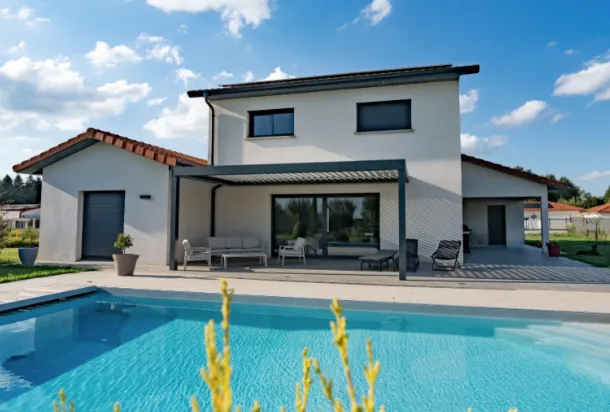
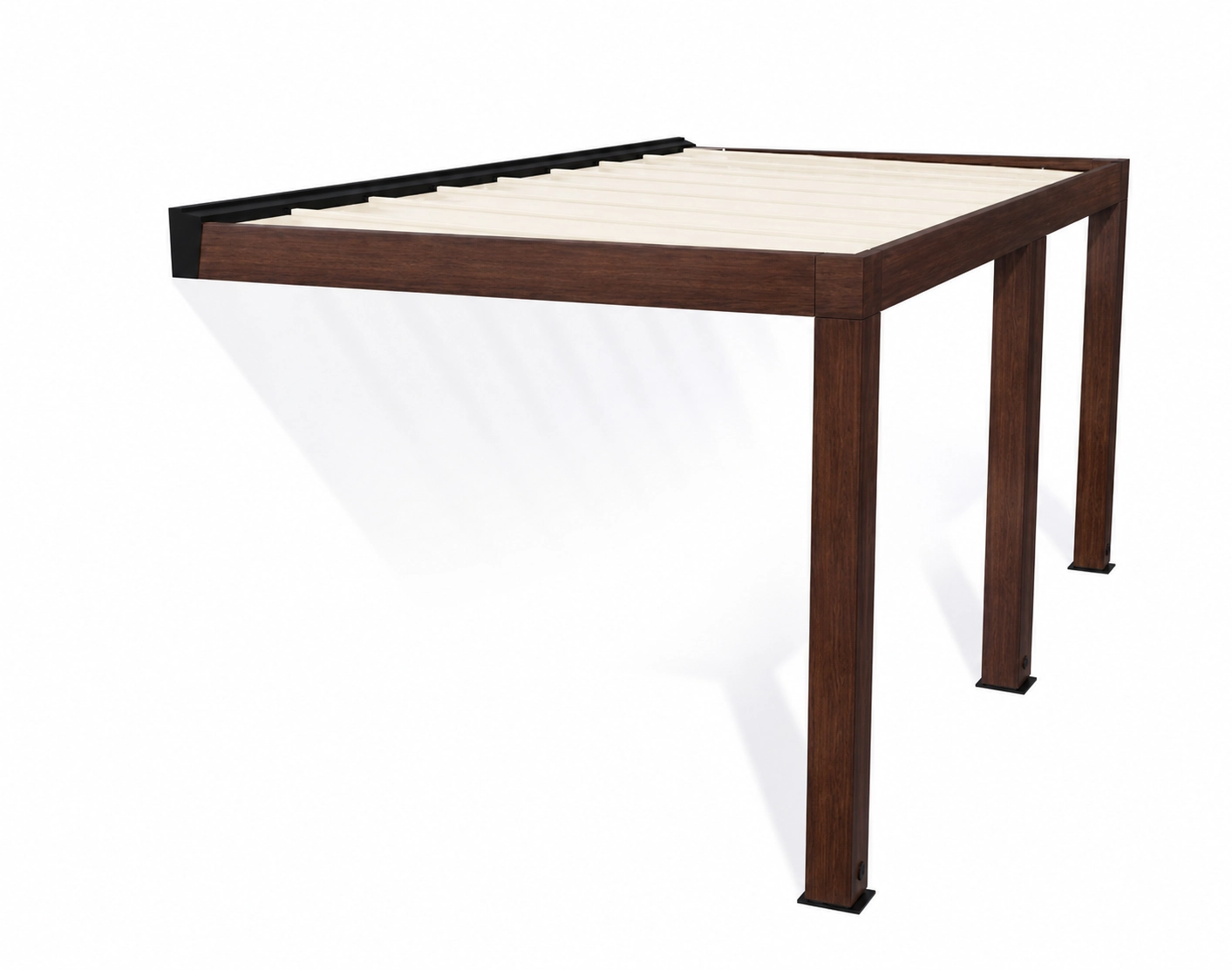
This guide compares pergolas and patio covers across the factors that matter most, including installation cost, durability, weather protection, and long-term value.
Pergola vs. Patio Cover: Key Differences at a Glance
| Feature | Pergola | Patio Cover |
|---|---|---|
| Typical roof | Open beams, slats, or adjustable louvers | Solid or continuous roof panels |
| Main purpose | Filter sunlight and define outdoor space | Provide shade and overhead rain protection |
| Rain protection | Limited unless fitted with a suitable roof system | Generally better, with proper drainage |
| Natural light | More light passes through | Less light, depending on roofing material |
| Airflow | Open and airy | Open sides allow airflow, but roof traps more heat in some designs |
| Design style | Decorative, garden-focused, modern or rustic | Integrated, functional, often roof-like |
| Installation | Freestanding or attached | Freestanding or attached |
| Maintenance | Depends on frame, finish, and moving parts | Depends on roof, gutters, sealants, and frame |
| Typical installed cost in the U.S. | Basic prefab kits: around $10–$40/sq. ft. | Basic covers over an existing patio: around $20–$60/sq. ft. |
| Best for | Relaxation, climbing plants, flexible shade | Outdoor dining, furniture protection, frequent use |
Bottom line: The biggest difference is the roof—not whether the structure attaches to the house. Product names and local building-code definitions can vary.
What Is a Pergola?
A pergola is an outdoor structure supported by posts and topped with beams, rafters, or slats. Traditional pergolas have an open roof, allowing sunlight and rain to pass between the overhead members. They create a defined outdoor area without making it feel fully enclosed.
Common types of pergolas
- Wood pergolas: Offer a warm, natural look and can support climbing plants. They need periodic finishing and inspection.
- Aluminum pergolas: Provide a contemporary appearance, corrosion-resistant finishes, and relatively low maintenance.
- Vinyl pergolas: Often require less finishing work than wood, although quality, rigidity, and color options vary.
- Retractable-canopy pergolas: Add adjustable fabric shade; rain performance depends on fabric ratings, pitch, and drainage.
- Louvered pergolas: Feature adjustable roof blades that can open for sunlight or close for shade. Certain systems are engineered to shed rainwater through integrated gutters.
Advantages and disadvantages of a pergola
Advantages: Pergolas offer architectural interest, preserve an open-air feeling, accommodate plants and decorative lighting, and allow you to tailor the amount of shade. Basic kits can also be more affordable than elaborate roofed structures.
Disadvantages: A standard open-roof pergola does not keep furniture or guests dry. Sun protection changes throughout the day, and wood frames or mechanical louver systems can require ongoing care. Adding roofing after installation may demand structural upgrades and new approvals.
What Is a Patio Cover?
A patio cover is a structure that shelters an outdoor living area beneath a continuous roof. Common roofing materials include aluminum panels, insulated panels, polycarbonate, glass, and shingles. The cover may connect to the house or stand independently on posts.
Common types of patio covers
- Solid aluminum covers: Lightweight, low-maintenance options available in numerous finishes.
- Insulated roof covers: Sandwich-style panels that can reduce radiant heat gain compared with basic uninsulated metal panels.
- Wood-framed roof covers: Often designed to complement a home’s existing roofline.
- Polycarbonate covers: Translucent panels that admit daylight while blocking direct rainfall when installed correctly.
- Glass patio roofs: Provide sky views and an elegant appearance but require careful structural specification and cleaning.
Advantages and disadvantages of a patio cover
Advantages: Solid patio covers offer reliable overhead shelter, help protect outdoor furnishings, and make dining or entertaining less dependent on clear skies. An attached design can create a convenient transition from indoor to outdoor space.
Disadvantages: They may reduce daylight through nearby windows, require drainage and flashing maintenance, and create more complex structural loads. Depending on location and design, permits, engineering, and professional installation may add to the project cost.
Pergola vs. Patio Cover: Six Factors That Matter
1. Shade and sunlight control
Pergolas provide filtered or adjustable shade, not necessarily full shade. Fixed slats cast moving patterns as the sun changes position. The spacing, orientation, and depth of rafters determine how much direct sunlight reaches your seating area.
A solid patio cover provides more consistent overhead shade. This can make a west-facing patio more comfortable in summer, but an opaque roof may also darken adjacent indoor rooms.
Choose a pergola if you want sunlight and shadow to remain part of the experience. Choose a solid patio cover if dependable overhead shade is essential. Translucent panels or operable louvers may help balance light and shelter.
2. Rain and weather protection
This is often the deciding factor. Rain passes through a traditional open pergola, even when the frame looks substantial. Retractable canopies and louvered roofs may improve protection, but performance varies by system and installation.
A patio cover is usually the better choice for regular outdoor meals, electronics, or upholstered seating. However, roof pitch, sealing, gutter capacity, and wind exposure determine how effectively water is controlled.
In snowy or high-wind regions, either structure must be designed for applicable local loads. Never assume an aftermarket roof can safely be fitted to a pergola without verifying its structural capacity.
3. Appearance and architectural fit
Pergolas create a garden-room effect. Their visible beams suit climbing vines, string lights, hanging planters, and minimalist outdoor spaces. They often work particularly well away from the house, where a solid roof might feel visually heavy.
Patio covers are usually more architectural. An attached gable or lean-to roof can look like a natural extension of the house when its proportions and finishes are coordinated with the existing building.
4. Installation and construction complexity
A basic freestanding pergola kit may be relatively straightforward to assemble on a prepared foundation. Even so, correct post anchoring, footing design, and wind resistance are essential.
An attached patio cover can involve additional work at the building envelope, particularly structural connections, flashing, roof slope, and stormwater management. These details matter because incorrect installation can cause leaks or damage to the home.
5. Maintenance and lifespan
Maintenance depends more on materials and engineering quality than on the label attached to the structure.
Wood pergolas require inspections for decay, insects, splitting, and finish deterioration. Aluminum systems generally need periodic cleaning and hardware checks. Adjustable louvers introduce motors, seals, controls, and gutters that may require servicing.
Patio covers need roof inspections, removal of debris, and attention to flashing, fasteners, and drainage. Glass or translucent panels may need frequent cleaning to maintain their appearance.
6. Flexibility and year-round usability
A pergola is ideal when your main goal is an open-air retreat. Retractable shade can offer flexibility, while climbing plants bring seasonal character.
A roofed patio cover generally supports more predictable use during light rain and hot sunshine. Additions such as ceiling fans, suitable lighting, or outdoor-rated heaters can extend comfort, subject to electrical and clearance requirements.
Pergola vs. Patio Cover Cost: Which Is More Affordable?
A basic pergola is often cheaper than a full patio roof, but there is significant price overlap. Materials, dimensions, location, foundation work, and optional features can change the total substantially.
Recent U.S. cost guides provide the following broad installed-price benchmarks:
| Structure | Indicative installed cost |
|---|---|
| Prefabricated pergola kit | $10–$40 per square foot |
| Custom-built pergola | $30–$65 per square foot |
| Basic patio cover over an existing patio | $20–$60 per square foot |
| Motorized smart louvered pergola | $75–$175 per square foot |
These are indicative U.S. market ranges, not quotations. Estimates may exclude permits, significant foundations, electrical work, demolition, and unusual site preparation. A custom gable roof or premium glass system can exceed the basic patio-cover range.
For a meaningful comparison, request itemized quotes for the same coverage area. Check whether each proposal includes footings, finish, drainage, labor, delivery, taxes, and warranties. Also compare maintenance costs over time rather than selecting solely on the initial price.
Which Should You Choose? Match the Structure to Your Needs
The best option depends on how you actually intend to use your outdoor space.
| Your priority | Better starting choice | Why |
|---|---|---|
| Create an attractive garden retreat | Pergola | Open frame complements landscaping and climbing plants |
| Keep an outdoor dining table dry | Patio cover | Continuous roofing helps manage overhead rainfall |
| Preserve sunlight near house windows | Pergola or translucent roof | Allows more daylight than an opaque solid roof |
| Add shade with a modest budget | Basic pergola | Simple kits can have lower upfront costs |
| Entertain outdoors despite changing weather | Patio cover | Offers more dependable overhead shelter |
| Switch between sunlight and shelter | Engineered louvered pergola | Operable blades adjust exposure; verify rain rating |
| Minimize routine upkeep | Quality aluminum system | Low-maintenance finishes available in both categories |
Choose a pergola if …
You enjoy an airy, garden-connected setting, primarily spend time outdoors in dry weather, and want attractive partial shade rather than a permanent roof. A pergola is also a strong option for a seating area separate from the house.
Choose a patio cover if …
You want to use your patio frequently for dining, working, or entertaining and prefer not to move furniture whenever rain is forecast. A patio cover is especially useful when overhead shelter matters more than an unobstructed sky view.
Consider a louvered pergola if …
You want one structure that adapts to changing sunlight. Select a model with documented weather performance, appropriate drainage, and a design rated for local conditions. Closed louvers do not make every system completely watertight.
Do Pergolas and Patio Covers Require Permits?
Permit requirements depend on your jurisdiction, structure size, height, attachment method, roof type, and site conditions. Neither pergolas nor patio covers are universally permit-exempt.
Some authorities distinguish between open pergolas and structures with waterproof roofing. Others regulate both based on dimensions or whether they attach to a building. In U.S. jurisdictions, adopted building codes and local amendments govern structural design. The International Code Council’s patio-cover provisions also address uses, openings, and structural loading, but applicability depends on local adoption.
Before ordering, contact your local building department or planning authority. Confirm setback rules, property-line restrictions, wind and snow loads, footing requirements, homeowners’ association rules, and any electrical permits. If attaching a structure to your home, have the connection and waterproofing details checked by a qualified professional.
Five Questions to Ask Before Buying
- What must stay dry? If you need protected cushions, dining equipment, or a frequently used doorway, prioritize a properly drained roof.
- How much daylight can you lose? Consider sun direction, roof transparency, and the effect on indoor windows.
- What is the complete installed budget? Include groundwork, structural engineering, permits, electrical accessories, and eventual maintenance.
- What weather loads must the structure withstand? Obtain documentation for wind and snow ratings relevant to your site.
- How will the structure age? Evaluate finish warranties, cleaning requirements, service access, replacement parts, and drainage performance.
Frequently Asked Questions
Is a pergola the same as a patio cover?
No. A traditional pergola has an open framework that filters sunlight, while a patio cover normally has a continuous roof for shade and rain protection. Some modern louvered pergolas blur this distinction, and terminology may vary by region.
Can a pergola protect against rain?
A standard open pergola cannot reliably protect against rain. Certain retractable-canopy and engineered louvered systems can provide some or substantial overhead rain protection, depending on their seals, slope, and drainage. Always check the manufacturer’s specifications.
Is a patio cover cheaper than a pergola?
Not necessarily. Simple pergola kits are often less expensive than custom patio roofs. However, a basic aluminum patio cover may cost less than a premium automated pergola. Compare complete installed quotes rather than product prices alone.
Can you attach a pergola to a house?
Yes. Pergolas can be attached or freestanding, provided the system is designed for the connection and applicable structural loads. Attachment can create additional permit, flashing, and waterproofing considerations.
Which option is better for a hot climate?
For consistent overhead shade, a solid or insulated patio cover can be effective. For an airy space with adjustable light, a pergola may be preferable. Actual comfort also depends on roof color, ventilation, orientation, reflected heat, and local humidity.
Does a pergola add more home value than a patio cover?
Neither guarantees a higher resale value. A well-designed, permitted, durable structure that suits local climate and buyer expectations may improve outdoor appeal. Avoid treating any particular return-on-investment percentage as universal.
Can you put a solid roof on an existing pergola?
Sometimes, but only after confirming that the frame, posts, anchors, and foundations can safely support the added weight and wind or snow loads. Adding a roof can change permit classification and drainage requirements. Consult a qualified contractor or structural professional first.
Final Verdict: Pergola or Patio Cover?
Choose a pergola for open-air style and flexible shade; choose a patio cover for more reliable overhead protection and frequent outdoor use. If both benefits matter, a purpose-built louvered pergola may justify its higher cost.
The smartest decision is the one aligned with your climate, daily habits, and total budget—not simply the structure that looks best in a photograph. Plan the roof performance, foundations, drainage, and future maintenance from the beginning, and your outdoor space is more likely to remain comfortable and practical for years.
Sources and Further Reading
- International Code Council — 2024 International Building Code, Appendix I: Patio Covers
- HomeGuide — Pergola Cost Guide
- HomeGuide — Covered Patio Cost Guide
- HomeGuide — Patio Roof Cost Guide
- City of Canning — Difference Between Patios and Pergolas
Related Patio Cover Guides
- What Is a Patio Cover? Everything You Need to Know Before Buying
- How to Choose the Best Patio Cover for Your Backyard
- How to Maintain and Clean Your Patio Cover for Long-Lasting Performance
Explore the Patio Covers knowledge library or compare our patio cover products.