PRODUCT DELIVERY

SUPPLY PLANNING
Assess Capacity. Then Commit Production.
Production capacity is meaningful only when linked to a defined product configuration, required quantity, workcenter load and delivery window. DBB reviews these factors before confirming a production schedule.
For multi-process outdoor structure products, capacity review considers material readiness, key production operations, assembly and kit-pack requirements before a shipment plan can be confirmed.
AGREED AT THE START
- Model & Configuration
Specific size, components and pack-out format.
- Available Capacity
After existing commitments, downtime and production constraints.
- Agreed Ship Window
Lead time confirmed against the actual project requirements.

SUPPLY ASSURANCE FRAMEWORK
Plan by Constraint.
Deliver by Milestone.
PROCESS / 01
Process Throughput
Extrusion, molding, fabrication, assembly and packaging capacity by relevant production route.
ORDER / 02
Existing Order Load
Booked orders, planned maintenance and current production schedule.
MATERIAL / 03
Material Readiness
Critical materials, suppliers and required lead times for each program.
SHIPMENT / 04
Shipment Readiness
Completed quantities, QC release, packing status and dispatch coordination.
ORDER EXECUTION
From Demand Forecast to Shipment Release
A supply program runs through defined checks. Order acceptance and final lead time remain project-specific, based on engineering status, materials, quantity and manufacturing route.
Forecast & Request
Review product mix, volume and timing assumptions with the buyer.
Feasibility Review
Check line load, BOM availability, materials and critical constraints.
Plan & Milestones
Agree material, production, QC, pack-out and shipment checkpoints.
Progress Control
Track production status, nonconformities and schedule exceptions.
Dispatch Release
Confirm finished goods, documentation and booked shipping arrangements.
CAPACITY DEFINITIONS
Capacity Figures Need Definitions
Before a customer relies on a capacity statement, the figure must be dated, attributable and consistent with its product family and manufacturing constraints.
| DEFINITION | WHAT IT MEANS |
|---|---|
| Installed / Design Capacity | Theoretical capacity for a defined line or process, based on stated assumptions. Not equal to actual production. |
| Demonstrated Output | Actual achieved production for a recorded period and product mix, supported by production records. |
| Available Capacity | Forecast output remaining after committed orders, planned downtime, bottlenecks and input limitations. |
| Lead Time | Period from a clearly defined order-release event to an agreed manufacturing or shipping milestone. |
| On-Time Delivery | Must specify promised milestone, actual shipment event, exception treatment and reporting period. |
BUYER VERIFICATION
Real Commitments. Visible Checkpoints.
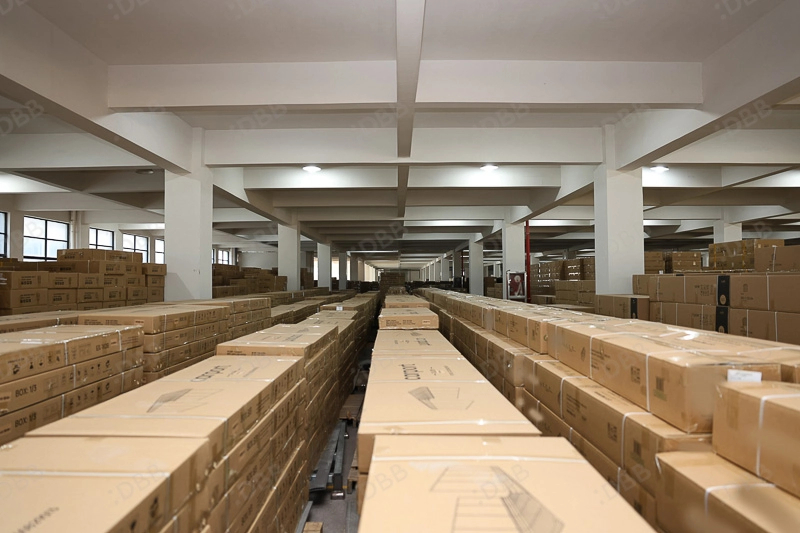
For approved clients, supporting information can be provided according to program scope and confidentiality requirements.
SUPPLY / 01
Capacity by Product Family
Dated available output, booked-load assumptions and qualifying product configurations.
SUPPLY / 02
Production Plan Summary
Agreed milestones, bottleneck coordination and relevant material readiness.
SUPPLY / 03
Dispatch Case
Masked example of order quantity, OQC release, carton count and shipment milestone.
Questions from buyers.
Capacity depends on the specific product configuration, confirmed order mix, booked workload and required shipping period. A dated feasibility review is needed before a volume commitment can be confirmed.
Seasonal forecasts and purchase schedules can be assessed for material needs and production constraints before any capacity allocation is agreed.
No universal lead time is stated. Lead time is confirmed against engineering status, materials, quantity, manufacturing route and the agreed shipping milestone.
PRODUCTION & DELIVERY
Plan Your Production & Delivery.
Share your product category, technical requirements, annual volumes and target market. DBB can review project scope, production requirements and delivery planning before confirming the next steps.