
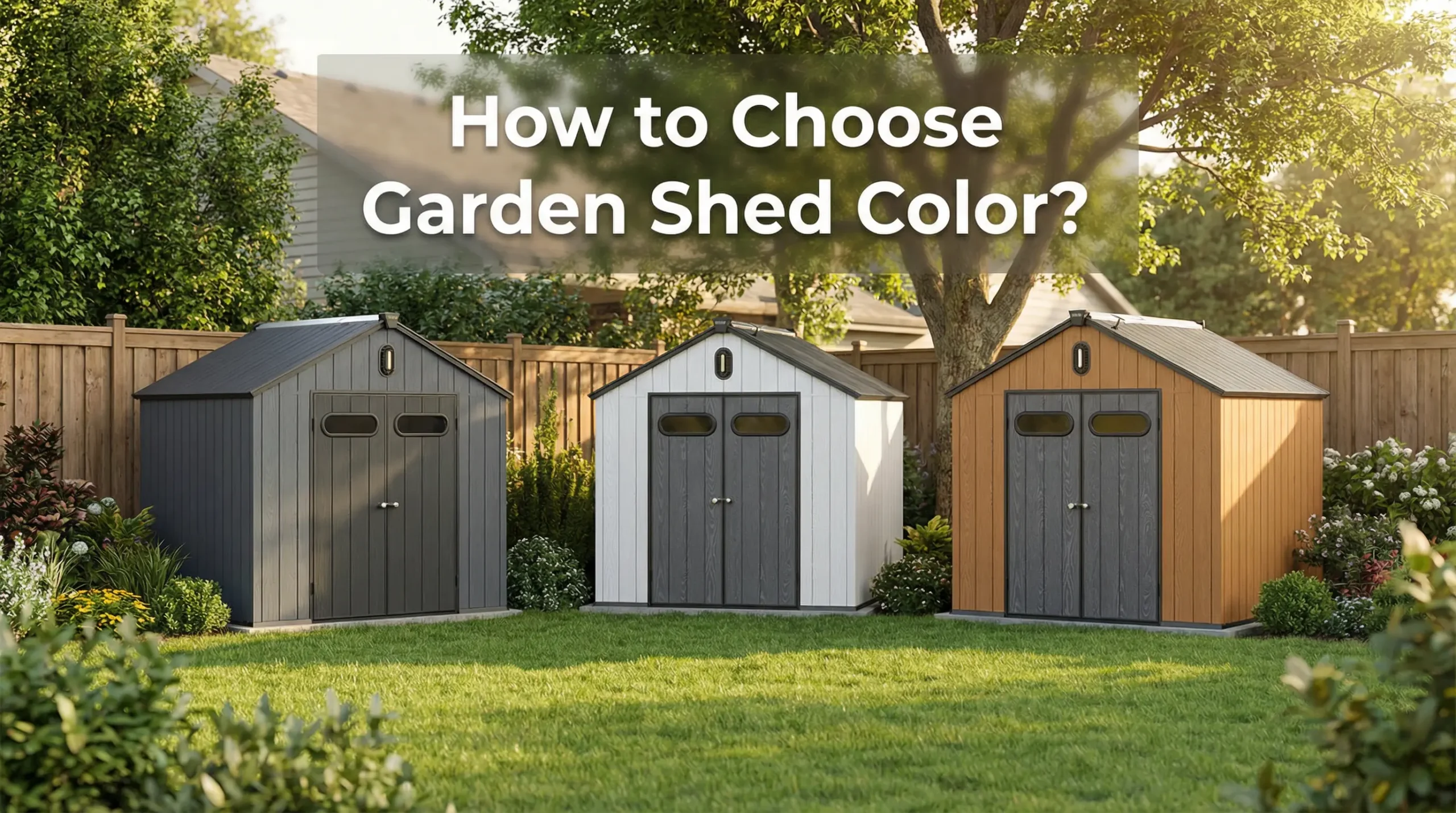
How to Choose Garden Shed Color?
Garden shed is a practical addition to any backyard, serving as storage space, a…
Read MoreA backyard bar shed can turn part of your garden into a practical serving area for outdoor gatherings. The successful projects start with a suitable structure, a level base, safe utilities and a layout that gives guests room to move. This guide covers the key choices and steps.
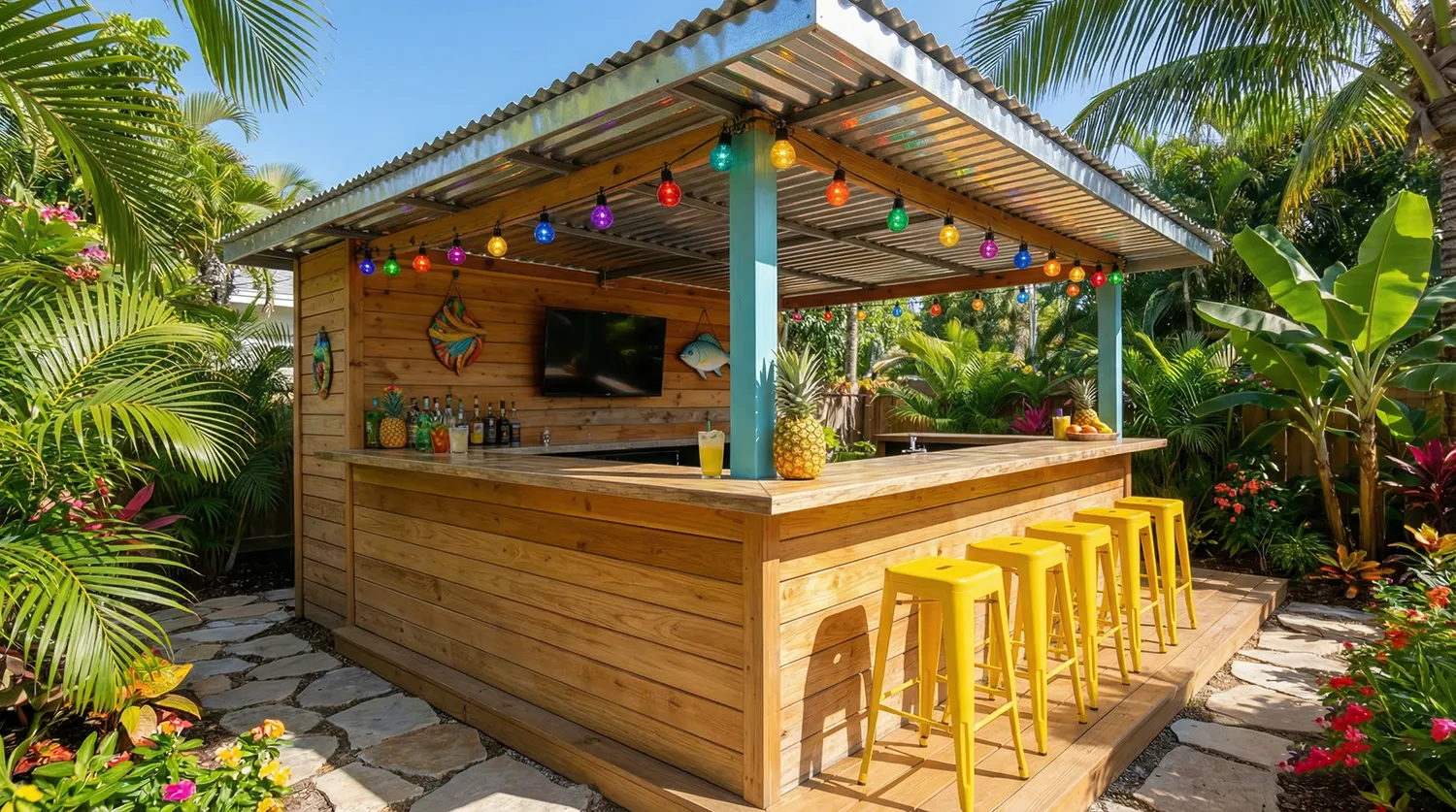
Wood supports a traditional pub look and offers design flexibility. It needs regular inspection and care for its finish, moisture exposure and pests. Follow the supplier’s maintenance guidance for your climate.
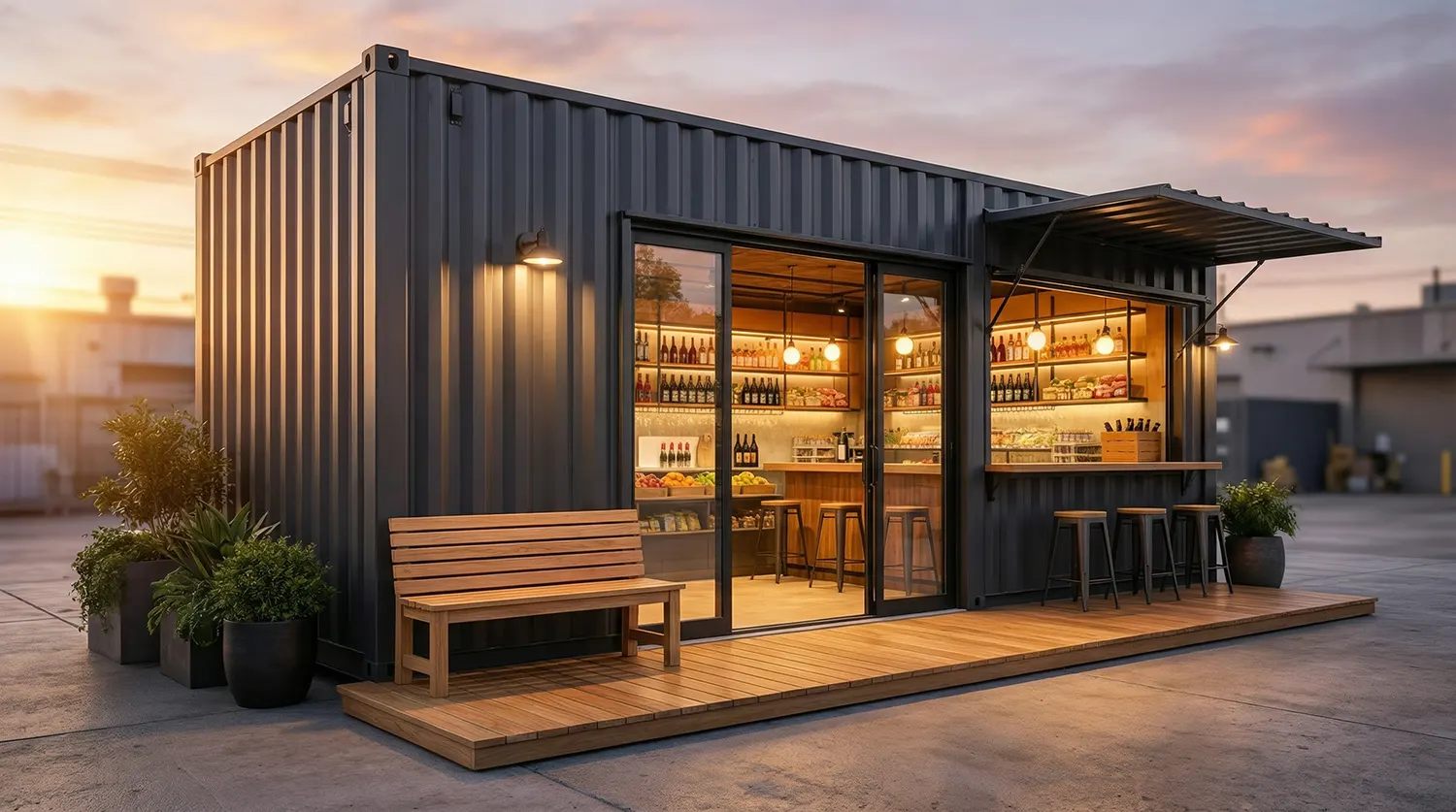
Steel and aluminum suit modern designs. Coatings, fasteners and drainage affect corrosion resistance, while metal surfaces may heat up in direct sun. Plan shade and ventilation for the serving area.
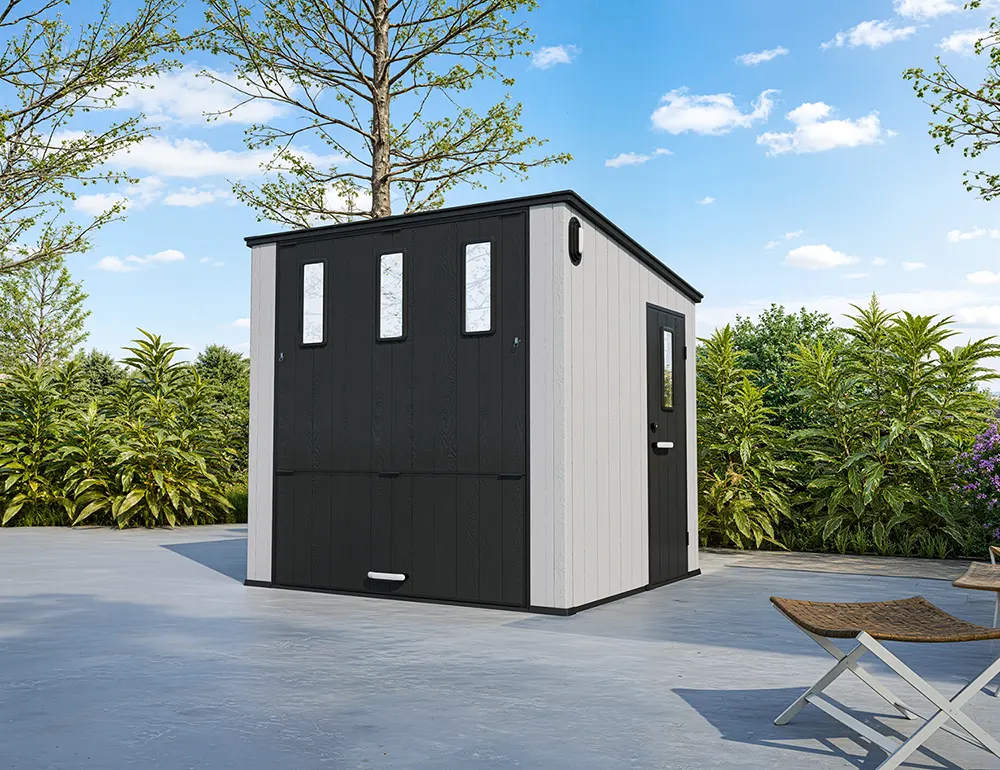
Prefabricated resin and composite bar sheds can provide an easy-clean option. Check that the serving opening, counter, floor and accessory mounting points are designed for bar use. A standard storage shed is not automatically suitable for conversion into a bar or occupied room.
Measure the site, door swing, serving side and space for guests. Decide how much enclosed storage you need for glasses and supplies. Compare total project costs, including the structure, foundation, delivery, assembly, electrical work, lighting, furniture, drainage and permits. Prices vary by model and location, so fixed price bands are rarely useful.
Ask your local building or planning authority about permits, setbacks, utilities and rules for serving food or alcohol. Requirements differ between private and commercial use. Confirm the manufacturer’s intended use before altering a prefabricated structure.
Compare dimensions, roof drainage, ventilation, door and serving-window layout, included floor and approved accessories. Read the installation manual before buying so you know the required base, anchors, tools and number of installers.
Use the base specified for the exact model and site. A stable, level foundation helps doors and panels align and lets the shed be anchored correctly. Foundation type and dimensions should follow the manufacturer’s instructions and local requirements rather than a universal thickness rule.
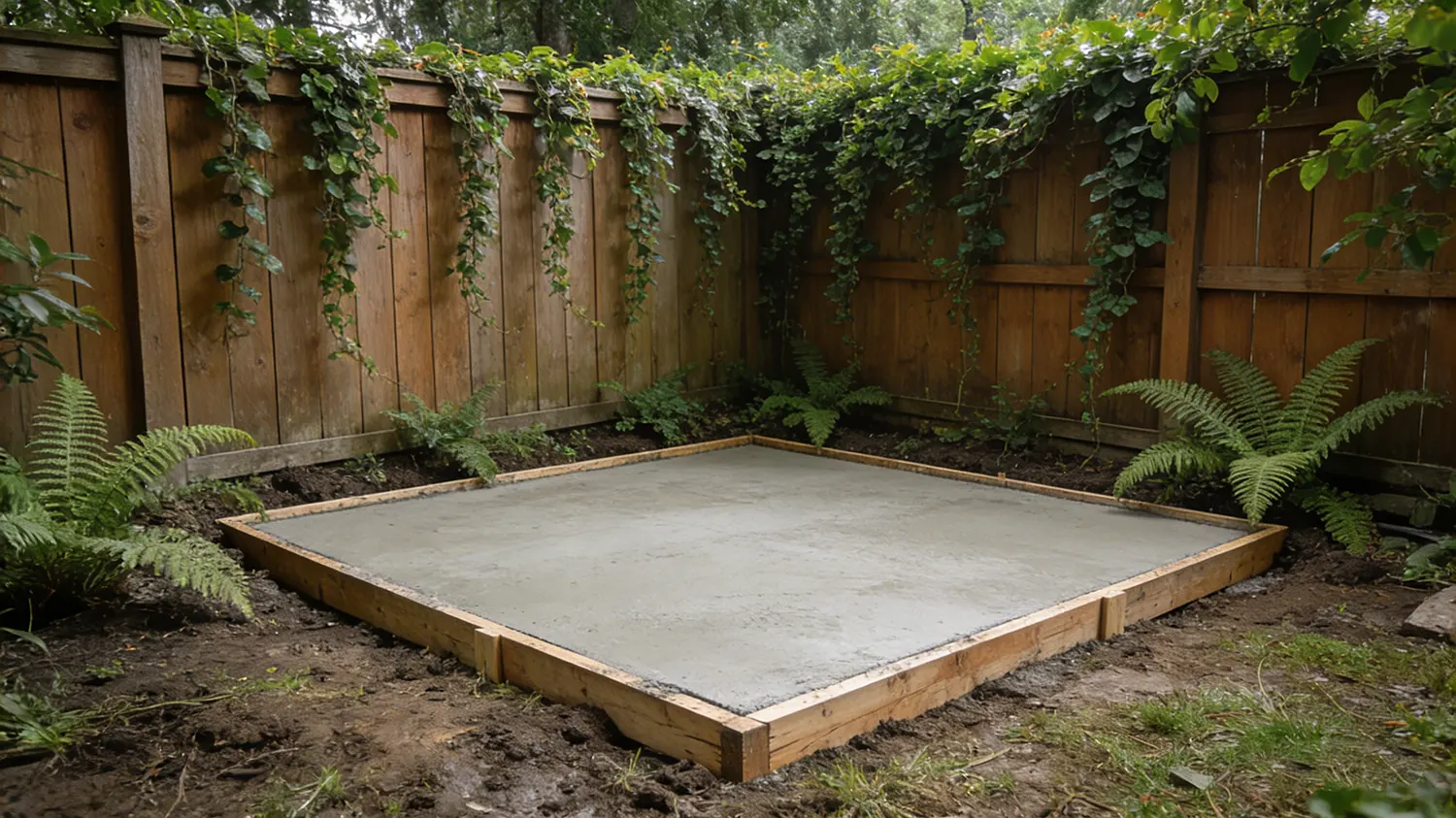
Inventory the kit, follow the assembly sequence and use the specified fasteners. Keep drainage and ventilation openings unobstructed. Anchor the shed as instructed, then check that its door, window and serving hatch operate freely.
Add shelves and a counter only at approved fixing points and within load limits. Have a qualified professional assess any fridge, lighting, wiring or water service. Use outdoor-suitable equipment and keep exits clear of furniture.
A classic pub look uses warm finishes and simple signage; a tropical scheme uses natural textures and bright accents; a modern bar keeps the counter and storage visually clean. Choose materials that tolerate your site’s weather and are easy to clean.
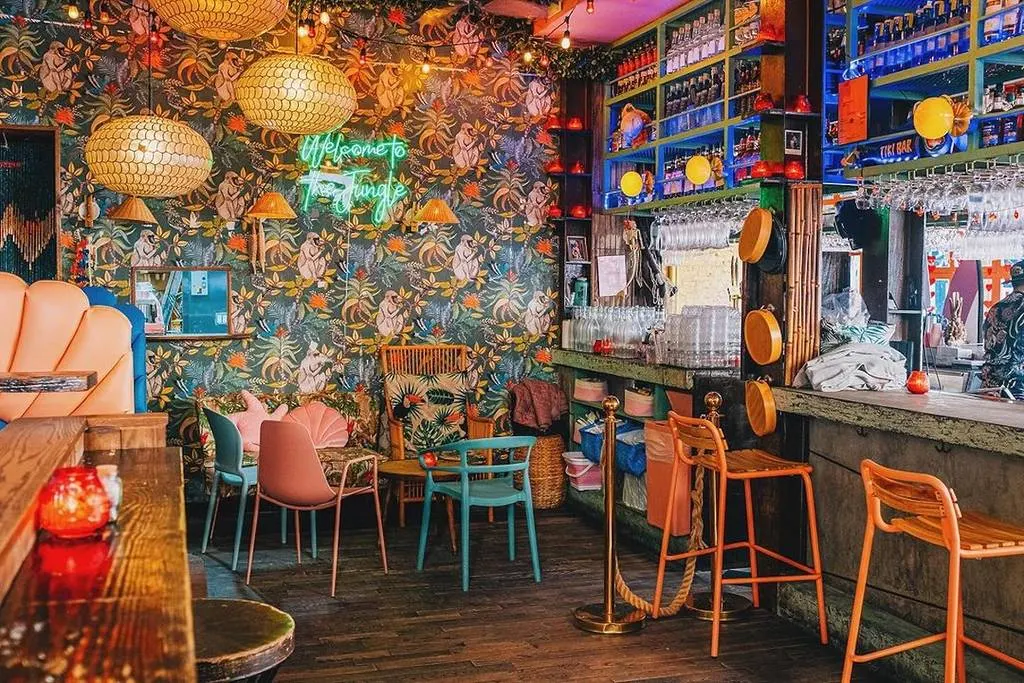
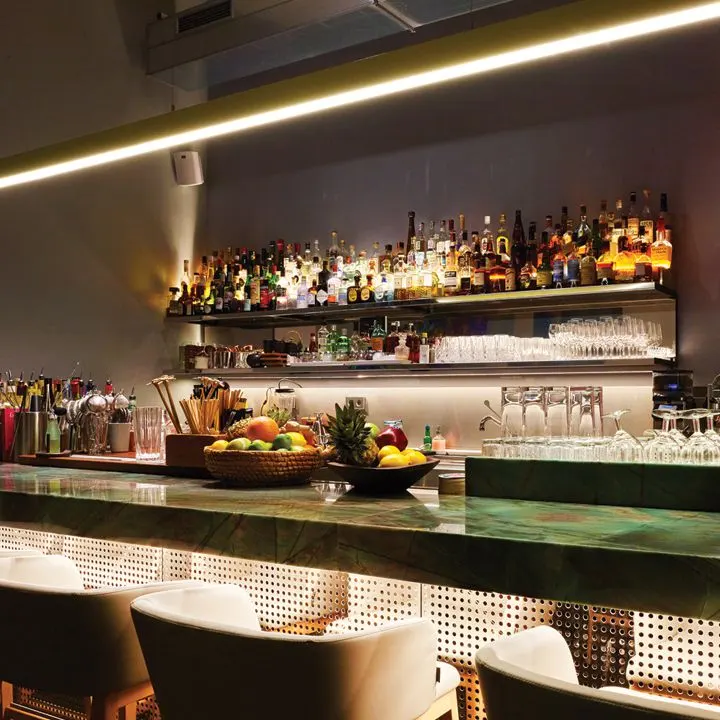
DBB has shown a resin bar shed concept with a serving opening, foldable counter and enclosed storage. Dimensions and optional features vary, so confirm the current model specification before planning around a particular layout.
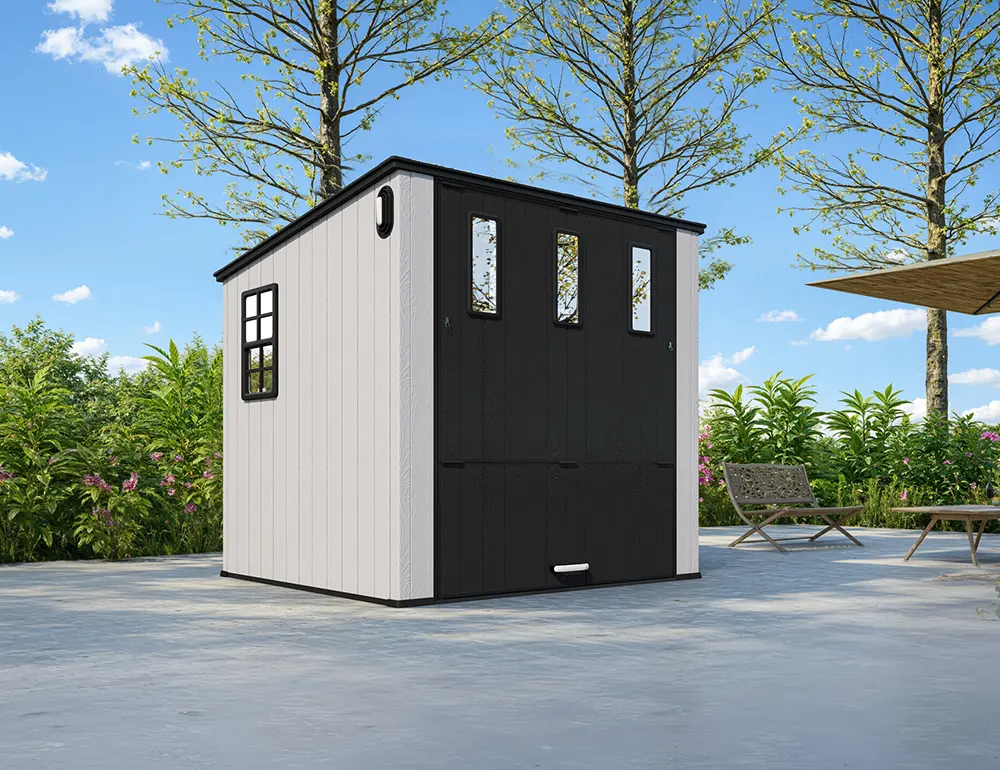
Explore DBB’s outdoor entertaining products and resin sheds. Check the download center for model documents and assembly guidance.
No. Check the structure’s intended use, approved openings and load limits. Electrical, plumbing, occupancy and food-service needs may require further design work or permits.
It depends on the model, ground conditions and local rules. Follow the manufacturer’s base and anchoring instructions.
Rules vary by location and use. Check with your local authority before ordering, especially if you plan utilities or commercial service.
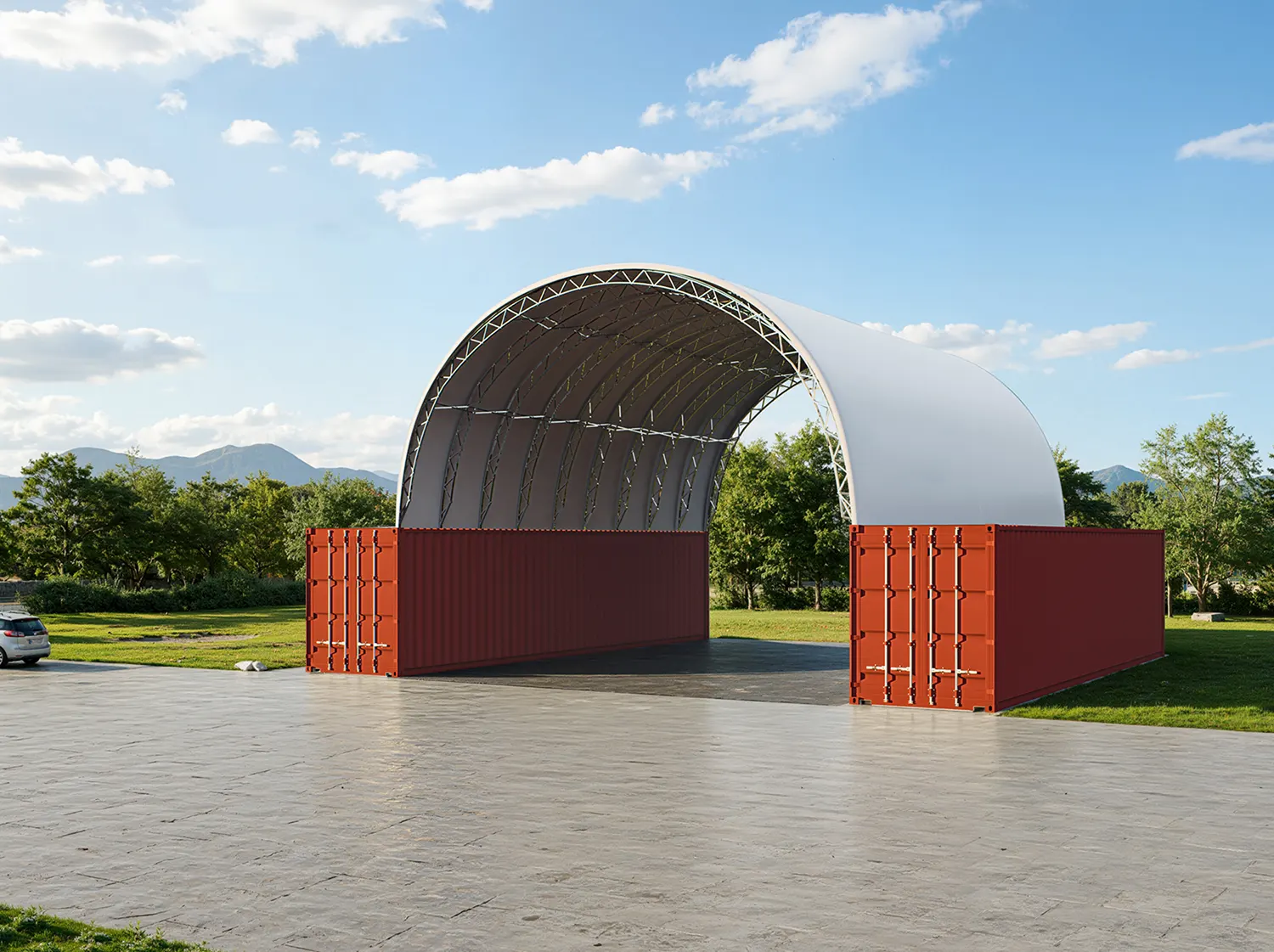

Compare aluminum and steel carports by weight, corrosion resistance, design and installation requirements, then learn what to check before choosing a model.
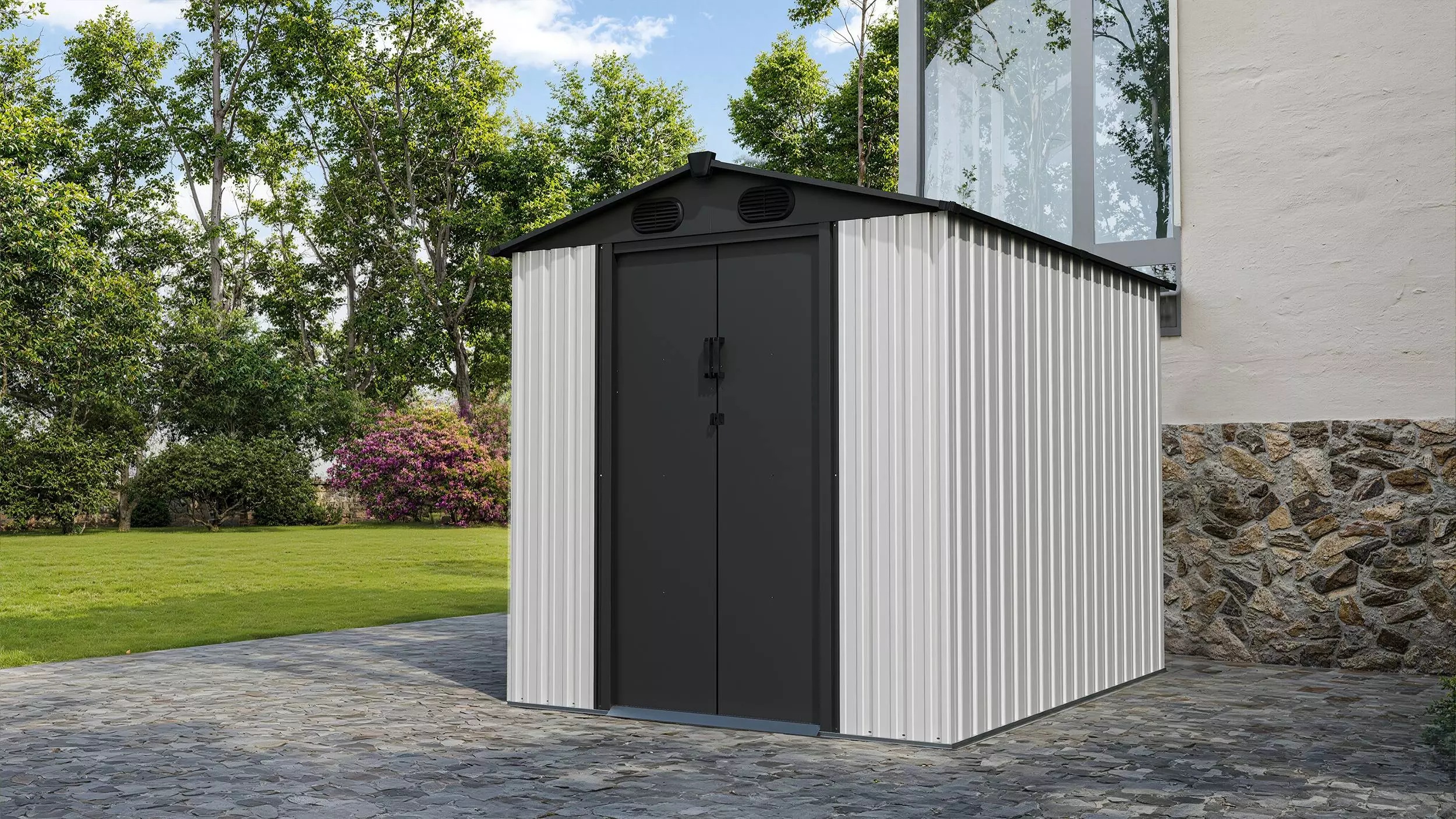
Compare five practical metal shed styles for tools, equipment and firewood, plus a buying checklist covering size, access, ventilation and installation.