
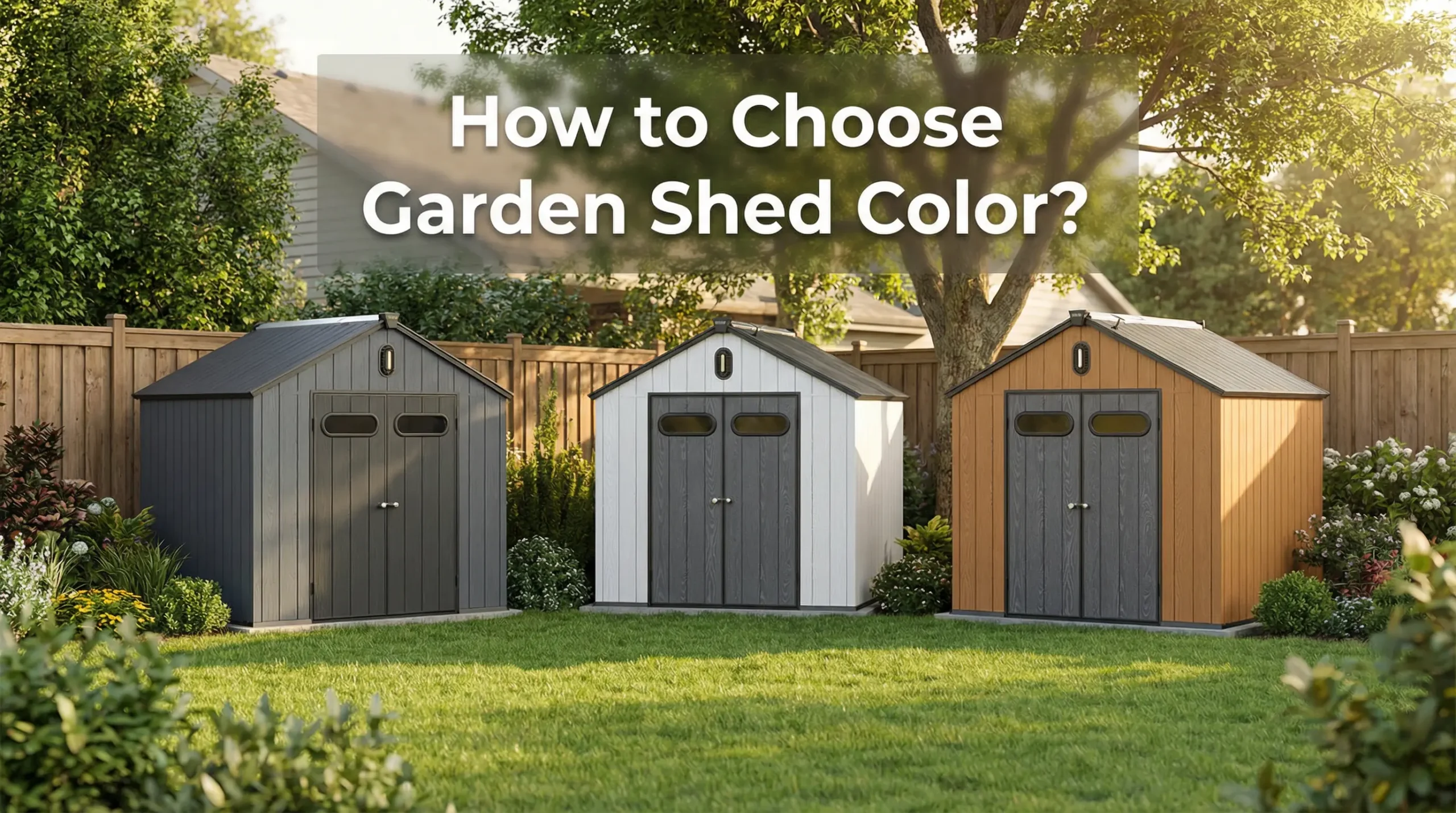
How to Choose Garden Shed Color?
Garden shed is a practical addition to any backyard, serving as storage space, a…
Read MoreTo care for a metal shed, keep it clean and dry, inspect the protective finish and fixings, and address small problems before they spread. A short check after severe weather and a more thorough inspection at least twice a year can help you spot leaks, scratches, corrosion, or loose anchors early. Always follow the care instructions for your specific model and coating.
DBB’s Vertex 8 x 8 ft metal shed, for example, uses color-coated steel panels and a galvanized steel structure. Those protective materials reduce exposure of bare steel, but the shed still benefits from routine checks, especially at cut edges, fasteners, and areas where the finish has been damaged.
| When | What to check |
|---|---|
| After heavy rain, wind, or snow | Roof and door alignment, leaks, debris, anchors, and visible damage. |
| About twice a year | Wash the exterior, clear drainage paths, and inspect panels, seams, fasteners, hinges, and vents. |
| Whenever damage appears | Repair or replace scratched, loose, corroded, or leaking components using the manufacturer’s instructions. |
Wet coastal sites, heavy tree cover, or frequent storms may call for more frequent checks. The exact schedule should follow the product manual and conditions at your site.
Remove leaves and debris from the roof, around the base, and near door tracks. Wash exterior panels with water and a mild cleaner approved for the finish, then rinse and allow them to dry. Avoid abrasive pads, harsh chemicals, or high-pressure cleaning unless the manufacturer explicitly permits them; these can damage coatings or force water through joints.
Keep soil, mulch, and vegetation from trapping moisture against the lower wall panels. Confirm that rainwater drains away from the shed rather than pooling along the frame.
Look closely at corners, cut edges, screw holes, hinges, and places where tools or equipment may have scratched the finish. If you find a chip or the first signs of corrosion, follow the shed manufacturer’s repair procedure and use a compatible coating or replacement part. Avoid covering active rust with ordinary paint without preparing the surface as directed.
Widespread corrosion, perforated panels, or weakened connections need a closer assessment. Contact the supplier before making a structural repair that could affect the shed’s performance or warranty.
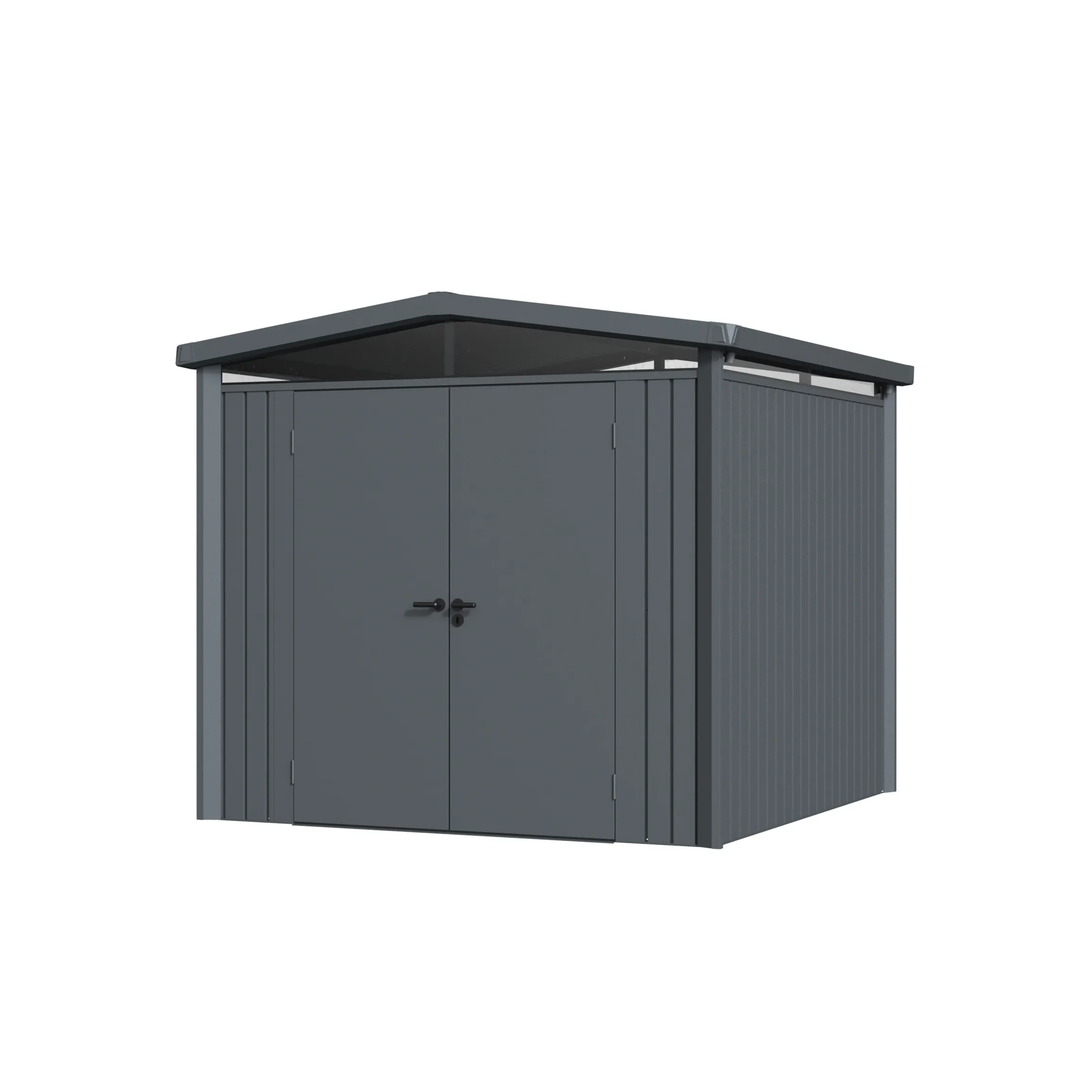
Check roof panels, seals, and fasteners for movement, gaps, or leaks, particularly after storms. Keep the door track clean so the doors can move freely. If a door begins to stick, check whether the track is blocked and whether the shed has shifted on its base before forcing it closed.
Lubricate hinges, latches, and locks only with products recommended for those components. Tighten or replace fixings according to the installation instructions; over-tightening can damage a panel or seal.
Condensation may form when moist air meets a cooler metal surface. Keep vents open, avoid storing wet items against the walls, and check the floor and underside of the roof for signs of dampness. Moisture around the base can also indicate poor site drainage or an installation issue.
If water appears after rain, identify whether it entered through a seam, door, roof, or floor edge. Repair the cause rather than simply drying the contents. For a detailed discussion of site preparation, see whether metal sheds need a base.
Confirm the shed remains level and its anchors and frame connections are secure. Follow the model’s specified anchoring method; do not add unapproved fixings through panels or assume that heavy stored items will hold the shed down.
In snowy areas, follow the product’s published snow-load rating and the manufacturer’s guidance on safe snow removal. Do not climb onto a shed roof or use sharp tools that could damage its coating. If the shed has suffered storm damage or a structural part has shifted, ask the supplier or a qualified installer to assess it.
Inspect it after severe weather and clean it when dirt, leaves, or salt deposits build up. A twice-yearly thorough check is a practical starting point, but the manual and local conditions should determine the schedule.
Use the repair method and coating specified for the shed. The area may need cleaning and preparation first; painting over active corrosion without addressing it can hide a worsening problem.
Yes. Galvanizing and color coating offer protection, but scratches, exposed edges, fixings, and joints still need inspection. Read our metal shed lifespan guide for the factors that affect long-term use.
Plan and build a backyard bar shed with practical guidance on materials, layout, foundation, assembly, utilities and finishing touches.

Compare aluminum and steel carports by weight, corrosion resistance, design and installation requirements, then learn what to check before choosing a model.