A gazebo can turn an ordinary backyard into a comfortable place to relax, entertain guests, or enjoy meals outdoors. But what is a gazebo, exactly, and how does it differ from a pergola, pavilion, or simple canopy? Understanding the options is the first step toward choosing a shelter that suits your garden, lifestyle, and budget.
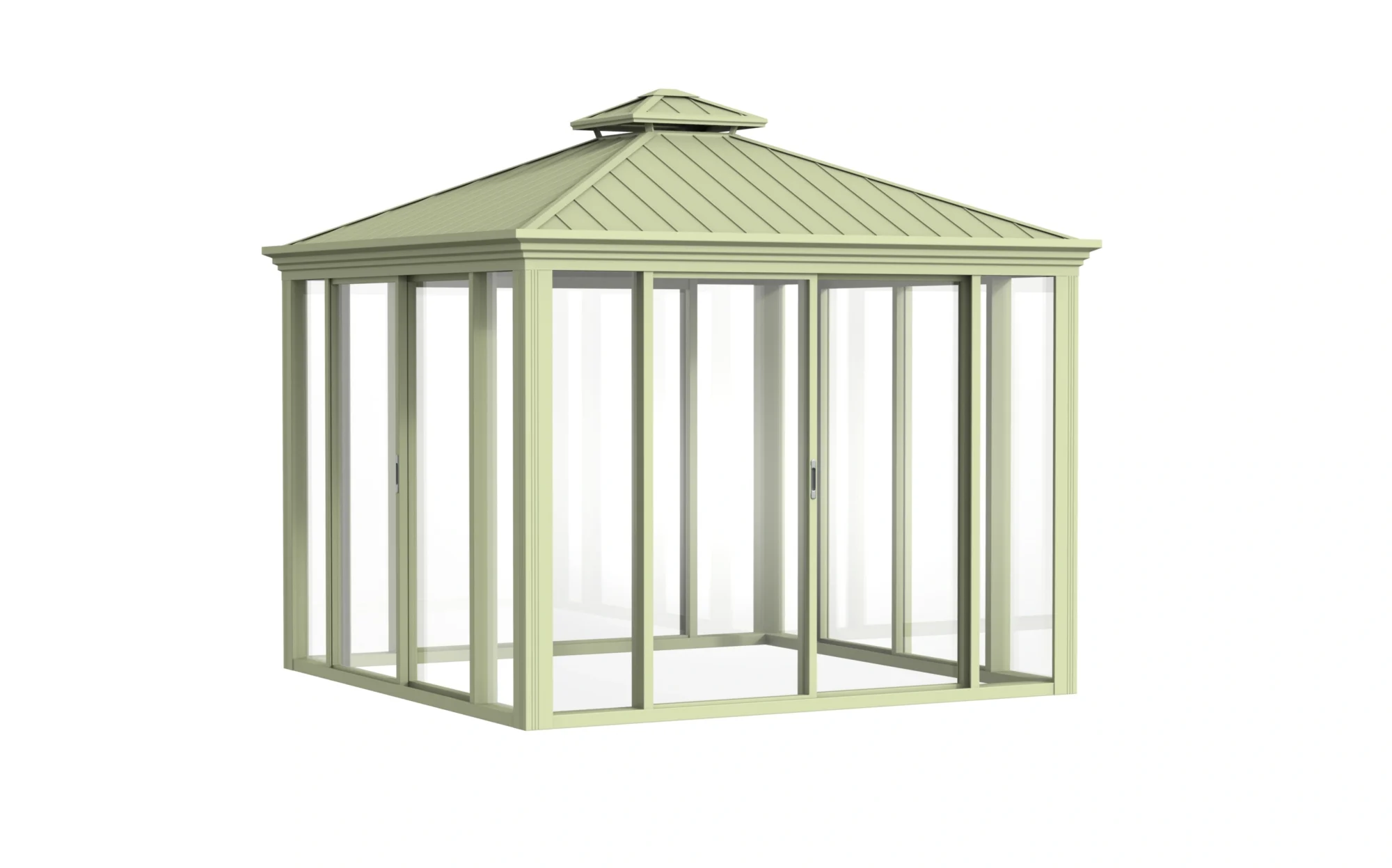
A gazebo is generally a freestanding, roofed outdoor structure with open or partially enclosed sides. Traditional versions are decorative garden buildings, while modern designs range from permanent wooden structures to lightweight pop-up shelters. Some offer reliable shade and rain protection; others prioritize portability, privacy, or visual appeal.
This guide explores the most common types of gazebos, essential features, practical benefits, materials, and maintenance considerations. You’ll also learn how to select a gazebo that works for your outdoor space.
What Is a Gazebo?
A gazebo is a covered structure designed to provide a sheltered gathering or resting area outdoors. Most gazebos have a roof supported by posts or columns, with open sides that encourage airflow and views of the surrounding landscape. Optional curtains, screens, railings, or panels can create additional privacy and protection.
Historically, gazebos were often ornamental buildings in gardens and parks. They commonly featured hexagonal or octagonal floor plans, raised platforms, and decorative roofs. Today’s outdoor gazebos are available in square, rectangular, round, and traditional multi-sided designs. Depending on the model, they may be permanently installed or assembled for occasional use.
The term also has a regional distinction: in British English, “gazebo” often refers to a portable, tent-like shelter used at outdoor parties, markets, and events. In other contexts, it more often describes a permanent garden structure.
What Is a Gazebo Used For?
Homeowners use gazebos to create outdoor dining areas, shaded seating spaces, garden focal points, and protected spots for reading or socializing. Portable models are popular at festivals, farmers’ markets, sporting events, and family celebrations. A properly specified gazebo can also shelter an outdoor spa or hot tub, although moisture control and electrical safety require special attention.
7 Popular Types of Gazebos
Different types of gazebos suit different climates, spaces, and activities. Here are seven common choices.
1. Hardtop Gazebo
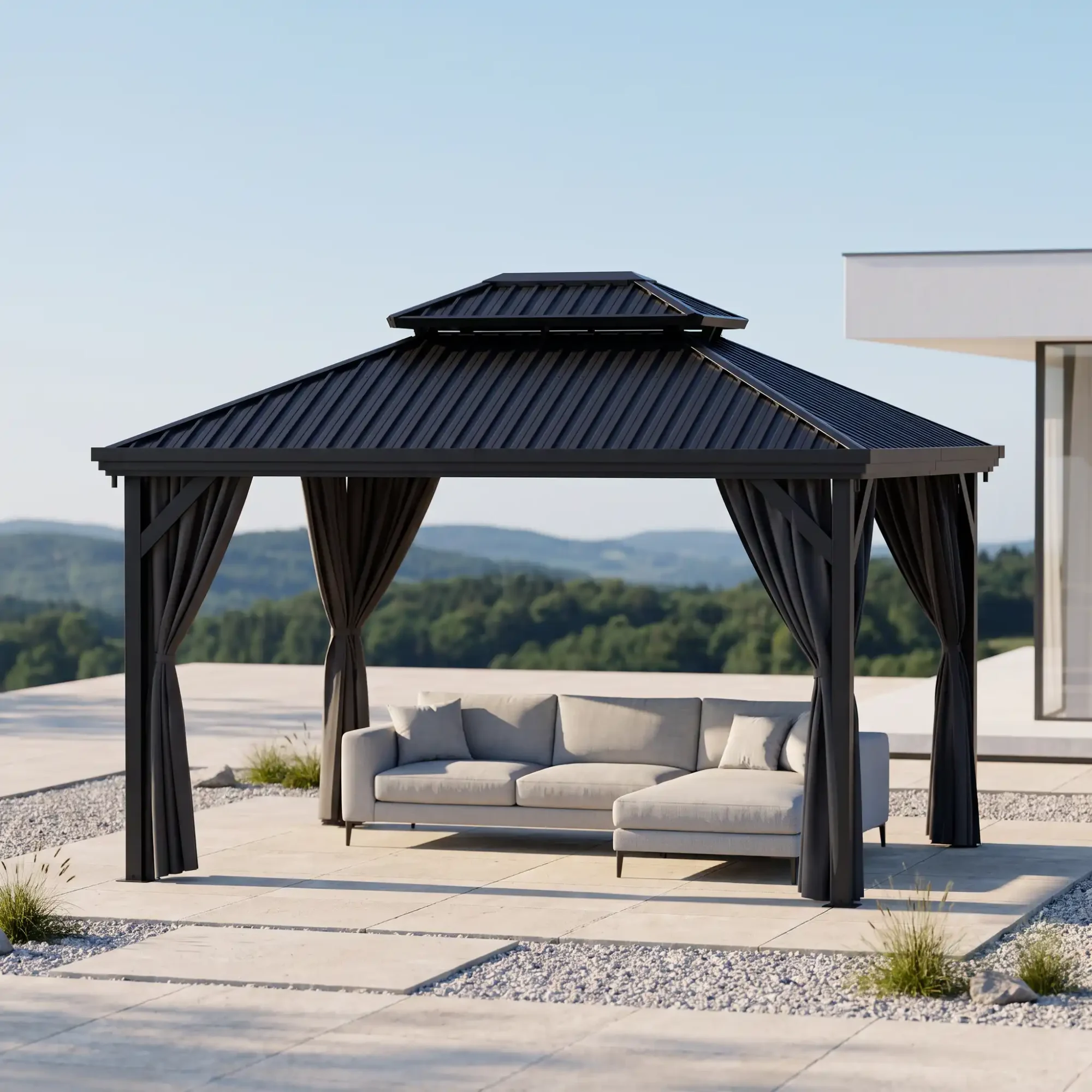
A hardtop gazebo has a rigid roof made from materials such as metal or polycarbonate. These models typically feature aluminum or steel frames and are designed for longer-term installation. They can provide dependable coverage from sunshine and rain, but wind and snow resistance depend on the specific product’s engineering and stated load ratings.
Best for: Homeowners seeking a durable patio or garden shelter for regular use.
2. Soft-Top Gazebo
A soft-top gazebo uses a fabric canopy stretched over a supporting frame. It is often more affordable and lighter than a rigid-roof model. Many designs include removable curtains or mosquito netting. Fabric roofs may require seasonal removal, cleaning, or eventual replacement.
Best for: Seasonal relaxation, backyard entertaining, and budget-conscious buyers.
3. Pop-Up Gazebo
A pop-up gazebo, sometimes called a pop-up canopy, uses a folding frame for relatively quick setup and takedown. It is easy to transport and store, making it convenient for parties, stalls, exhibitions, and occasional garden use. Pop-up shelters should never be assumed safe in strong winds simply because they have weights or stakes.
Best for: Temporary events, outdoor markets, and flexible shade.
4. Wooden Gazebo
Wooden gazebos offer a classic appearance that blends naturally with gardens. Common timber options include cedar, pine, and pressure-treated wood. Decorative railings, benches, and lattice panels can make them particularly attractive. However, wood generally needs periodic inspection and finishing to manage moisture, weathering, and decay.
Best for: Traditional gardens and homeowners who value a natural aesthetic.
5. Metal Gazebo
Metal gazebos often use powder-coated aluminum or steel frames. Aluminum is relatively lightweight and resists rust, while steel can provide a sturdy structure when appropriately protected against corrosion. Construction quality, connections, anchoring, and roof design matter as much as frame material.
Best for: Contemporary patios and lower-maintenance outdoor living spaces.
6. Screened Gazebo
A screened gazebo includes mesh panels or screening that help reduce insects while allowing airflow. Some have permanently fitted screens; others feature removable zippered panels. Screening can make evening meals or summer gatherings more comfortable, although it does not completely eliminate insect entry.
Best for: Dining areas, garden seating, and locations with frequent mosquitoes or flies.
7. Traditional Octagonal Gazebo
Octagonal gazebos are among the most recognizable garden designs. Their eight-sided shape, decorative detailing, and sometimes raised flooring create a distinctive focal point. Many are built from wood and may include benches or railings around the perimeter.
Best for: Landscaped gardens, scenic viewpoints, and decorative outdoor retreats.
Key Gazebo Features to Look For
When comparing gazebo features, consider more than appearance. The right specifications affect comfort, usability, durability, and safety.
Roof Design and Weather Protection
A gazebo’s roof determines how much sun and rain protection it offers. Look for suitable roof coverage, drainage, durable materials, and clear manufacturer guidance about weather exposure. A vented or double-tier roof may help with airflow, but it does not make an otherwise unsuitable structure storm-proof.
Frame Strength and Anchoring
A strong frame is important, but the entire structure must be secured correctly. Follow the manufacturer’s instructions for fixing the gazebo to an appropriate surface, whether concrete, decking, or ground. Freestanding does not mean unanchored. For event gazebos, use the specified ballast or anchoring method and monitor weather conditions.
Curtains, Screens, and Privacy Panels
Curtains can create a more private space and offer some protection from low-angle sunlight. Insect screens improve comfort during warmer months. Removable panels also make it easier to adjust ventilation as conditions change.
Size, Height, and Layout
Measure both the available footprint and the space needed around the gazebo. Allow for furniture, opening doors, circulation, and safe access. A compact gazebo may fit a small bistro set, while a larger rectangular model can accommodate a dining table and lounge seating. Check interior headroom as well as the advertised external dimensions.
Lighting and Accessories
String lights, suitable outdoor-rated lighting, furniture, planters, and storage accessories can turn a basic shelter into a welcoming outdoor room. Any electrical installations should be suitable for outdoor conditions and professionally installed where required. Keep heating and cooking equipment away from combustible roofing or curtains unless the manufacturer explicitly permits that use.
6 Benefits of Having a Gazebo
The benefits of a gazebo go beyond adding an attractive structure to your backyard.
1. Provides Shade and Shelter
A roofed gazebo creates a comfortable place to sit away from direct sunlight and may offer protection from light rain. Protection varies by roof material, roof size, side coverage, and weather conditions. Shade does not eliminate the need for sunscreen or other sun-safety measures.
2. Expands Usable Outdoor Living Space
A gazebo helps define an area for dining, conversation, hobbies, or quiet time. Instead of purchasing more indoor furniture or rearranging existing rooms, you can establish a separate outdoor zone that feels purposeful and inviting.
3. Makes Outdoor Entertaining Easier
From birthday parties to weekend meals, a gazebo gives guests a central gathering place. Add comfortable seating, a table, and appropriate lighting to create a welcoming setting. Portable gazebos are particularly useful when the shelter is only needed for an occasional event.
4. Improves Garden Appearance
A thoughtfully positioned gazebo can serve as a visual focal point and connect different parts of a garden design. Natural wood complements traditional landscaping, while clean-lined metal models suit modern patios. Matching the structure’s scale and finishes to nearby buildings creates a more cohesive look.
5. Adds Privacy and Comfort
Curtains, screens, and well-placed landscaping can make a gazebo feel more secluded without fully isolating it from the garden. These additions are useful for relaxing, working outdoors, or enjoying a quiet conversation.
6. Offers Flexible Uses
A single gazebo can function as a breakfast spot in the morning, a reading retreat in the afternoon, and a social space in the evening. Its versatility makes it a practical addition for households with changing needs.
Gazebo vs. Pergola vs. Pavilion: What’s the Difference?
Although the names are sometimes used loosely, these outdoor structures have different typical characteristics.
| Structure | Typical Roof | Typical Sides | Common Purpose |
|---|---|---|---|
| Gazebo | Covered, fixed or fabric | Open or optionally screened | Sheltered seating and entertaining |
| Pergola | Open rafters, slats, or adjustable covering | Usually open | Defining a patio and providing filtered or adjustable shade |
| Pavilion | Solid roof | Generally open | Covering larger dining or gathering spaces |
| Pop-up canopy | Fabric | Open or removable walls | Temporary shade for events |
The biggest distinction in a gazebo vs. pergola comparison is traditionally the roof: a gazebo provides a covered overhead space, while a conventional pergola has an open framework. Modern louvered and retractable-roof pergolas blur that distinction. A pavilion usually has a simpler, larger footprint, but product terminology varies between manufacturers.
How to Choose the Right Gazebo
Start with how frequently you plan to use the structure. If you entertain only a few times a year, a portable gazebo may be sufficient. For a dedicated outdoor dining area, a permanent hardtop or wooden structure may provide better long-term functionality.
Next, evaluate your climate. Consider the intensity of sun exposure, local wind conditions, rain, and potential snow loads. Do not rely on vague claims such as “all-weather.” Check documented product ratings, installation requirements, warranties, and instructions for taking down or removing components during severe weather.
Material also influences maintenance. Powder-coated aluminum generally requires less ongoing treatment than timber, whereas wood offers a warmer visual character. Steel frames should be checked for damage to protective coatings. For fabric canopies, review replacement availability and care instructions before purchasing.
Finally, set a complete project budget rather than comparing product prices alone. Include delivery, ground preparation, foundations or anchors, installation, lighting, accessories, and future maintenance. Depending on location and design, planning permission, building approvals, property restrictions, or setback rules may apply. Always check with the relevant local authority before installing a permanent structure.
Gazebo Installation and Maintenance Tips
For permanent gazebos, begin with a level, suitable base and follow the manufacturer’s foundation and anchoring requirements. Larger or more complex structures may require professional installation. Keep the structure away from overhead power lines and ensure there is adequate clearance from boundaries and nearby buildings.
Routine maintenance helps preserve appearance and performance:
- Remove leaves and debris from the roof and gutters where fitted.
- Clean metal and polycarbonate surfaces using manufacturer-approved methods.
- Inspect timber for splits, moisture damage, and deteriorating finishes.
- Check bolts, fasteners, anchors, and connections periodically.
- Clean and dry removable fabrics before storage to reduce mildew risk.
- Inspect the structure after significant weather and address damage promptly.
For temporary gazebos, follow the stated operating wind limits and take the structure down when conditions exceed them. Never use open flames or unsuitable heaters beneath a fabric canopy.
Frequently Asked Questions About Gazebos
Is a gazebo a permanent structure?
Not always. Some gazebos are permanently installed garden buildings, while others use portable folding frames intended for temporary use. The appropriate installation, anchoring, and maintenance depend on the type.
Can a gazebo stay outside all year?
Some hardtop and purpose-built permanent gazebos are designed for year-round outdoor installation. Soft-top and pop-up models may require the canopy or entire structure to be removed during harsh weather. Always check the manufacturer’s wind and snow specifications.
What is the best material for a gazebo?
There is no single best material. Aluminum is popular for modern, low-maintenance designs; wood offers a classic garden appearance; and steel may be appropriate for robust frames when corrosion protection and installation are suitable. The best choice depends on climate, budget, aesthetics, and intended use.
Does a gazebo add value to a home?
A well-designed gazebo can make outdoor space more appealing and usable, but it does not guarantee an increase in resale value. Condition, quality, local buyer preferences, and overall landscaping all influence its potential appeal.
Do you need planning permission for a gazebo?
Requirements depend on where you live and on the gazebo’s dimensions, permanence, placement, and intended use. Some garden structures may qualify for permitted development or similar exemptions; others require approval. Confirm current local rules before building.
What size gazebo should I buy?
Choose a size based on furniture dimensions, the number of people using the space, and access around the structure. Measure the site and create a simple furniture layout before purchasing. Remember that advertised dimensions do not always equal usable interior space.
Final Thoughts
So, what is a gazebo? It is a roofed outdoor shelter that combines practical shade and gathering space with garden design. From portable pop-up canopies to elegant wooden and hardtop structures, different gazebos serve different needs.
The right choice depends on your intended use, available space, local weather, preferred materials, and maintenance expectations. Prioritize safe installation and realistic weather performance, then select the style and features that make your outdoor area more enjoyable. With careful planning, a gazebo can become one of the most useful and inviting features of your garden.