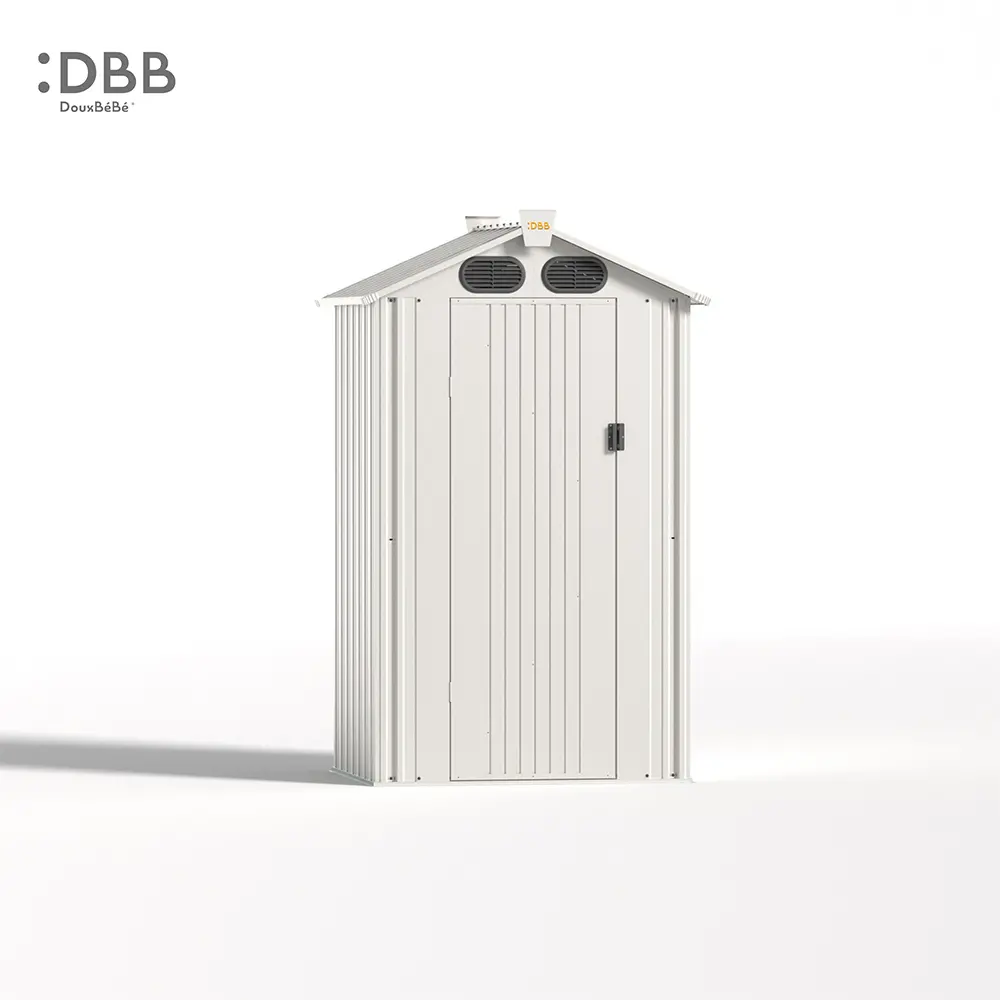
Choosing between powder coating and galvanizing for outdoor metal structures is not simply a question of which finish lasts longer. The right specification depends on atmospheric exposure, structural geometry, aesthetic expectations, installation damage, access for maintenance, and total ownership cost. A decorative fence in a sheltered commercial development faces different risks from a coastal handrail, rooftop support frame, or industrial equipment platform.
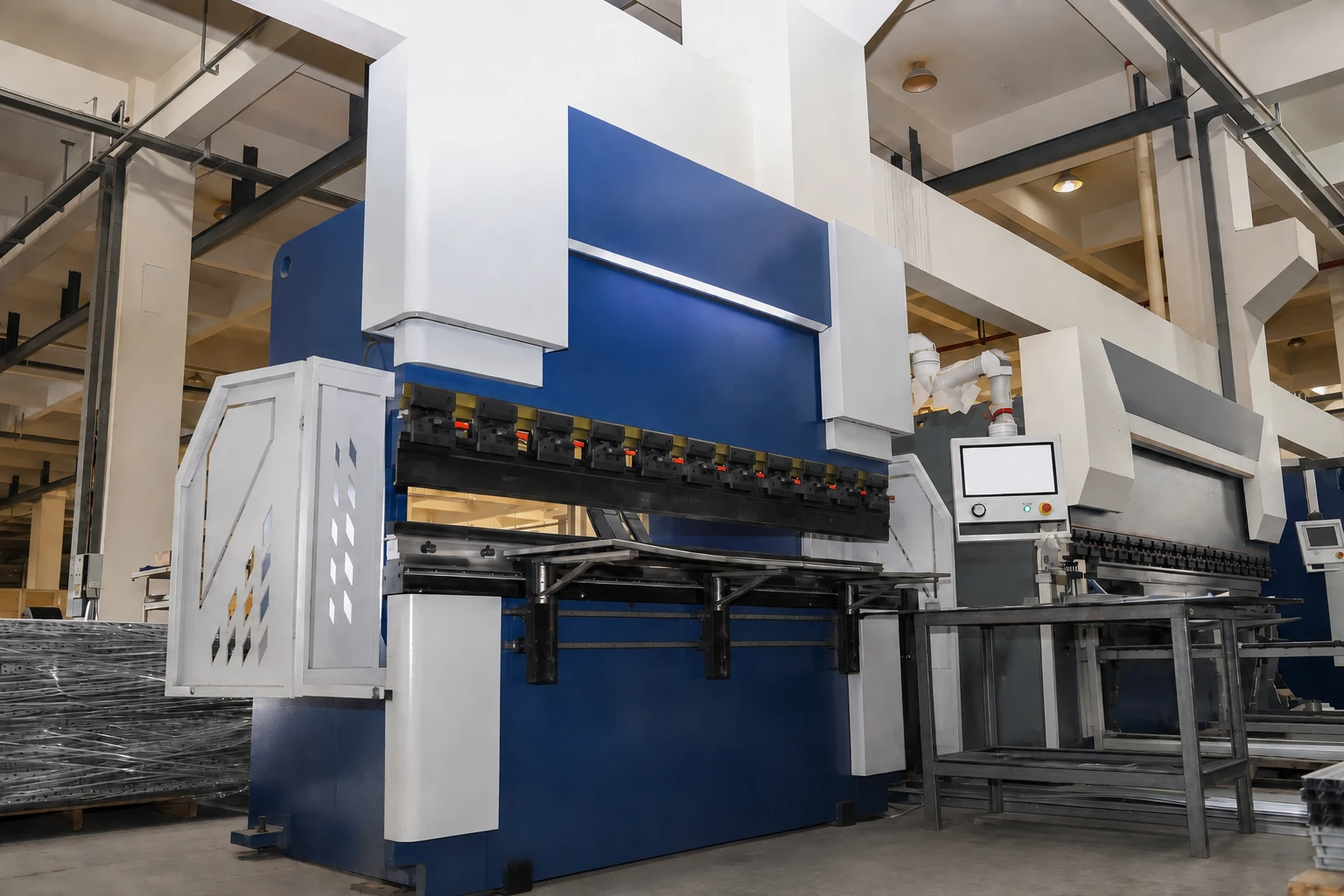
For technical buyers and engineering contractors, the most useful comparison is between three systems: powder coating applied to suitably prepared steel, hot-dip galvanizing, and a duplex system combining galvanizing with powder coating. Each offers distinct advantages and limitations. This guide explains how they work, where they fit, and what to verify before issuing a purchase order.
How Do Powder Coating and Hot-Dip Galvanizing Work?
Powder coating: an engineered barrier with flexible appearance
Powder coating is a factory-applied process in which electrically charged powder particles adhere to a grounded metal component. Heating then melts and cures the powder into a continuous film. For exterior steelwork, polyester or appropriately specified super-durable polyester systems are common choices because appearance retention under ultraviolet exposure matters.
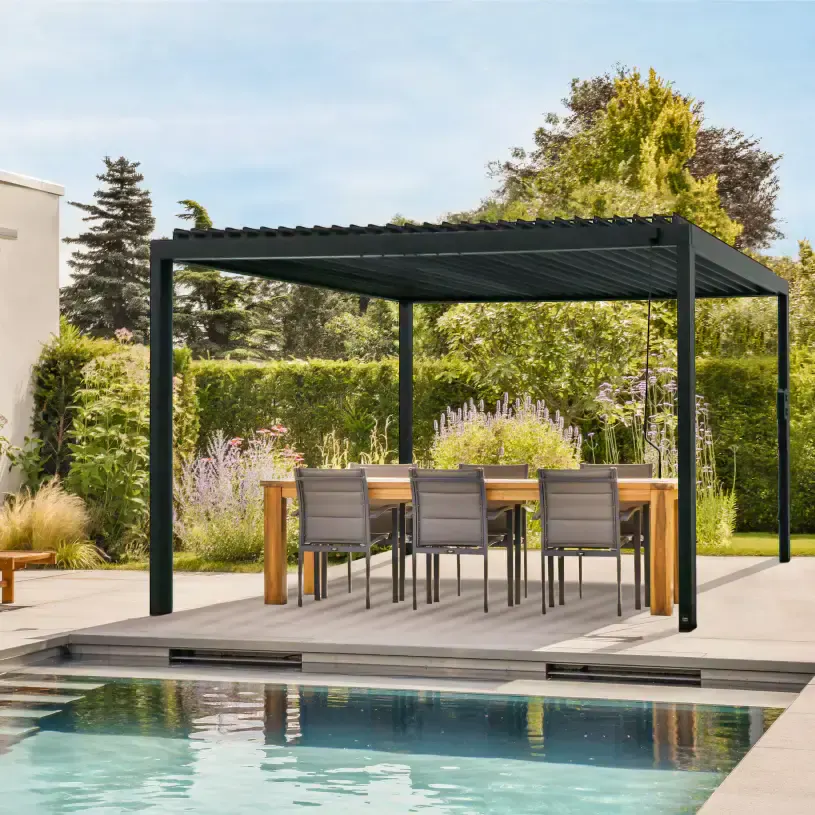
The underlying aluminum or steel frame influences which protection method is appropriate.
Salt exposure makes finish selection especially important for coastal outdoor structures.
The cured film separates the substrate from moisture, oxygen, and contaminants. It also offers substantial design flexibility: specified colours, gloss levels, textures, and consistent architectural finishes. However, corrosion performance depends on surface preparation, pretreatment, film continuity, coating formulation, and application quality. Scratches that penetrate to bare carbon steel can become initiation points for rust. Edges, welds, recessed areas, and complex geometry require particular attention.
Powder coating should therefore not be treated as a single, universally equivalent product. A basic decorative powder applied directly to poorly prepared steel is not comparable to a qualified multi-layer protective system engineered for severe service.
Hot-dip galvanizing: zinc barrier plus sacrificial protection
Hot-dip galvanizing normally involves immersing fabricated steel in molten zinc, forming bonded zinc-iron alloy layers and an outer zinc-rich coating. The zinc separates steel from the environment and also provides sacrificial (cathodic) protection to nearby exposed steel in certain conditions. This secondary mechanism can help limit corrosion at small coating discontinuities.
Zinc gradually weathers in service. The rate depends strongly on local conditions, including moisture, chlorides, airborne pollutants, and wetting cycles. Galvanizing is especially useful for exposed structural components where a durable utilitarian finish and reduced intervention are priorities.
Its appearance differs from a colour-controlled powder finish. Freshly galvanized surfaces may be bright, spangled, or matte; they often become a more uniform grey over time. Visual variation alone is not a reliable indicator of corrosion-protection quality.
Duplex systems: galvanizing plus powder coating
A duplex system applies a compatible organic coating over hot-dip galvanized steel. The zinc provides underlying corrosion protection while the powder layer supplies an additional barrier and selected colour. When designed and applied correctly, the combination can offer longer protection than either coating alone in certain exposures.
It is not, however, an automatic upgrade. Galvanized steel needs specified cleaning, profiling, and potentially thermal pretreatment before powder coating. Inadequate preparation can lead to poor adhesion, pinholes, or outgassing defects. A duplex project should be coordinated from fabrication through galvanizing and final coating, not improvised after the zinc finish has been delivered.
Powder Coating vs. Galvanizing: Key Differences
| Selection factor | Powder coating on steel | Hot-dip galvanizing | Galvanizing + powder coating |
|---|---|---|---|
| Main protection | Organic barrier | Zinc barrier and sacrificial action | Combined barrier and zinc protection |
| Exterior appearance | Broad colour, gloss and texture choice | Metallic grey; variable visual texture | Broad colour choice over zinc |
| Behaviour after damage | Exposed steel may rust | Zinc can protect small exposed areas | Zinc adds protection beneath damaged topcoat |
| UV performance | Depends on resin and formulation | No organic colour film to fade | Topcoat UV performance depends on formulation |
| Access for maintenance | Periodic inspection and possible repainting | Often low intervention until zinc is consumed | Inspect the topcoat and underlying system |
| Fabrication considerations | Oven size, pretreatment, grounding | Kettle size, drainage, venting, distortion risk | Must satisfy both processes |
| Typical purchase cost | Varies with pretreatment and coating specification | Varies with weight, geometry and logistics | Usually additional process steps and cost |
| Common reason to specify | Appearance and controlled finish | Robust, practical corrosion protection | Appearance plus extended protection strategy |
These are qualitative comparisons, not performance guarantees. Coating thickness, substrate condition, exposure category, workmanship, and inspection acceptance criteria can change the outcome considerably.
Which Coating Performs Better in Different Outdoor Environments?
Sheltered urban and moderate-exposure sites
For urban fencing, bicycle shelters, commercial canopies, or garden structures away from severe pollution and salt spray, either a suitable exterior powder-coating system or hot-dip galvanizing may be technically defensible. The choice often turns on the required finish, service-life objective, expected handling damage, and planned maintenance.
Powder coating is attractive where consistent brand colours or architectural integration matter. Galvanizing makes sense where the owner accepts a zinc finish and wants straightforward protection. Specify appropriate pretreatment and coating performance rather than assuming all exterior powders are equivalent.
Coastal sites and de-icing salt exposure
Coastal air, sea spray, and winter road salts introduce chlorides that can accelerate corrosion. Handrails, pedestrian barriers, lighting structures, and exposed fasteners may experience particularly aggressive conditions where salt deposits remain wet.
Hot-dip galvanizing can be effective, but zinc consumption may be faster than in inland settings. Powder coating alone needs careful attention to underfilm corrosion at cuts, joints, and damage sites. A suitably designed duplex system is often worth evaluating when both durability and colour are required. Direct marine immersion, splash zones, and continuously wet crevices need separate engineering assessment; standard atmospheric recommendations should not simply be extrapolated to them.
Industrial and high-pollution environments
Processing plants, logistics facilities, and heavy industrial sites can expose steel to aggressive deposits, chemicals, condensation, or elevated temperatures. An appropriate zinc coating may perform well in some industrial atmospheres but poorly in others; acids, alkalis, and process chemicals can change the suitability of zinc substantially.
Likewise, not every powder formulation tolerates chemical attack or sustained heat. In such locations, specify the actual chemical and temperature exposure, request compatibility evidence, and consider alternative protective paint systems where necessary. Neither powder coating nor galvanizing should be approved solely from a generic product label.
Wet details, concealed joints, and inaccessible steel
Trapped water can defeat an otherwise sensible corrosion strategy. Horizontal ledges, overlapping plates, untreated cut edges, and permanently damp connections increase exposure severity locally. For assemblies that will be difficult to inspect after installation, galvanizing or a correctly specified duplex system can be advantageous, but detailing remains fundamental.
Design for drainage, avoid dirt traps, account for contact with dissimilar metals, and plan how site welds and damaged areas will be repaired. Coating selection cannot compensate for poor water management.
Appearance, Colour Stability, and Architectural Requirements
When design teams require a precise colour family, low-gloss black, textured bronze, or coordinated façade finish, powder coating generally gives greater aesthetic control than unpainted galvanizing. The coating manufacturer should confirm exterior suitability, expected gloss and colour retention, and any special warranty conditions. Dark colours and high-UV exposures may make appearance ageing more noticeable.
Galvanizing is frequently selected for infrastructure, agricultural facilities, access platforms, and industrial frames where a metallic finish is acceptable. Different steel chemistry, section thicknesses, and processing conditions may produce different surface appearances. Purchasing specifications should distinguish structural acceptance requirements from cosmetic expectations.
For highly visible public projects, a duplex system may satisfy both objectives. However, the galvanizer must know that the components will be powder coated so surface condition and subsequent preparation can be planned. Establish acceptable roughness, visible imperfections, repair appearance, and sample approval before production.
Maintenance, Damage Repair, and Life-Cycle Cost
A low initial quote is not necessarily the lowest-cost choice over a project’s service life. Compare initial finishing cost, transport, inspection, access equipment, cleaning, touch-up, shutdowns, recoating, and potential replacement. The preferred option often changes when access is expensive or disruptive.
Powder-coated steel should be inspected for chips, cracking, adhesion failure, and rust at edges or fixings. Cleaning may help remove harmful contaminants. Repairs must follow the coating supplier’s instructions and restore compatible protection to the exposed substrate. Site-applied touch-ups may not reproduce the exact factory texture or colour.
Galvanized steel also warrants inspection, particularly at cut edges, site welds, damaged areas, and locations where water or chemicals accumulate. Where repairs are necessary, ASTM A780/A780M describes recognized approaches for damaged or uncoated hot-dip galvanized areas, including zinc-rich paints, zinc-based solders, and thermal-sprayed zinc. The appropriate method and acceptance criteria depend on the component specification and project requirements.
Duplex assemblies introduce two interfaces to assess: the condition of the organic topcoat and the condition of the zinc beneath it. An intact topcoat may reduce zinc exposure, but peeling, blistering, or significant damage can require more extensive remedial preparation. Maintenance plans should be agreed at procurement stage rather than left to the asset owner after handover.
There is no credible universal service-life figure for either method. A contractor should request exposure-specific evidence, relevant performance testing, and a defined inspection and maintenance regime. A durability classification is a planning tool, not a guarantee of time to first maintenance or a warranty period.
Standards and Quality Checks for Technical Procurement
Engineering specifications should identify the substrate, exposure, design life, required coating route, and applicable standards. Depending on location and product type, the following references may be relevant:
- ISO 12944 series: environmental corrosivity classification and protective paint-system selection; confirm which parts apply to the proposed system.
- ASTM A123/A123M: hot-dip zinc coating requirements for applicable fabricated iron and steel products.
- ASTM A153/A153M: galvanizing requirements for certain iron and steel hardware.
- ASTM D7803: preparation of hot-dip galvanized surfaces for powder coating, including measures addressing surface condition and outgassing.
- ASTM A780/A780M: repair of damaged and uncoated hot-dip galvanized areas.
- EN 15773 and EN 13438: potentially relevant European guidance and requirements for industrially applied organic coatings on galvanized articles.
Check the current edition, scope, and project jurisdiction before citing a standard in a contract. For example, coating systems for atmospheric exposure should not be assumed suitable for immersion merely because they meet an atmospheric classification.
Practical pre-award checklist
- Define exposure: inland, marine, industrial, road-salt, shaded/condensing, or immersion conditions; identify local hot spots.
- Set performance expectations: corrosion protection, appearance retention, service-life planning horizon, and realistic maintenance access.
- Confirm component geometry: size, weight, hollow sections, drainage/vent holes, weld details, and coating access.
- Specify the complete system: substrate preparation, pretreatment, coating type, nominal film or zinc thickness, curing, and repair procedure.
- Assign responsibilities: fabricator, galvanizer, powder coater, inspector, and site installer must know who handles each preparation and correction step.
- Agree verification: inspection records, thickness measurements, adhesion or other qualification tests where applicable, and acceptance samples for visible work.
- Evaluate total cost: compare fabrication and finishing quotes alongside transport, touch-up, maintenance access, and potential interruption costs.
For duplex systems in particular, do not write only “galvanize and powder coat.” Define the desired finish and preparation sequence, discuss sweep blasting or other profiling options with the applicator, and account for thermal pretreatment needed to manage outgassing.
Common Specification Mistakes to Avoid
A frequent mistake is selecting by headline price alone without comparing actual substrate preparation or warranty exclusions. Another is selecting a visually attractive powder without confirming its external UV resistance. Buyers also sometimes assume that a galvanized surface can be powder coated without additional processing, or that all zinc coatings perform equally in harsh chemical environments.
Site work is another weak point. Drilling, grinding, cutting, welding, and transporting steel can compromise a previously approved finish. Purchase orders should specify allowed modifications, touch-up procedures, and responsibility for final inspection after erection.
Finally, avoid treating laboratory results as direct predictions of field life. Accelerated corrosion tests can support comparisons when interpreted properly, but actual performance also depends on detailing, local microclimate, coating defects, and maintenance practice.
FAQ: Powder Coating vs. Galvanizing
Is powder coating better than galvanizing for outdoor steel?
Not universally. Powder coating can deliver superior colour and finish control, while hot-dip galvanizing provides zinc-based corrosion protection that is valuable when surfaces are scratched or maintenance access is limited. The correct choice depends on exposure and the specific coating system being offered.
Can you powder coat over galvanized steel?
Yes. This is known as a duplex system. Success requires suitable preparation of the galvanized surface, coating compatibility, and control of outgassing during curing. Follow the applicable preparation standard and the coating manufacturer’s process instructions.
Does galvanizing last longer than powder coating?
Either can provide long service in suitable conditions, but a direct lifespan comparison without exposure classification, thickness, formulation, and workmanship is misleading. For critical procurement decisions, compare documented systems under a common design and maintenance scenario.
Which finish needs less maintenance?
Unpainted hot-dip galvanizing often requires less appearance-related attention than a coloured organic coating. However, corrosive deposits, chemical exposure, coating damage, and owner expectations can change the maintenance burden. Duplex systems may reduce the need for major intervention but still require periodic checks.
What is the best finish for coastal outdoor structures?
A properly engineered hot-dip galvanized or duplex system is frequently considered, especially where chlorides, aesthetic requirements, and difficult access overlap. The final selection should reflect actual salt exposure, detail design, and any immersion or splash-zone conditions.
Final Recommendation: Specify for the Environment, Not the Label
For outdoor metal structures, powder coating vs. galvanizing is a project-specific engineering decision. Choose an adequately prepared exterior powder-coating system when controlled appearance is central and the exposure and maintenance plan support it. Consider hot-dip galvanizing when robust zinc protection and practical upkeep matter most. Evaluate a duplex system when the project demands both corrosion resilience and a consistent architectural finish.
Before awarding the contract, provide the finisher with drawings, the anticipated exposure, desired appearance, required standards, inspection criteria, and repair expectations. The best corrosion-protection system is the one that can be specified clearly, manufactured consistently, inspected objectively, and maintained realistically throughout the structure’s life.
Technical References
- American Galvanizers Association, Duplex Systems: Paint or Powder Coating Over HDG.
- ASTM International, ASTM D7803 — Preparation of Hot-Dip Galvanized Surfaces for Powder Coating, with the 2025 edition listed by ANSI Webstore.
- ASTM International, ASTM A780/A780M — Repair of Damaged and Uncoated Areas.
- Galvanizers Association (UK), Powder Coating Galvanized Steel.
- American Galvanizers Association, Preparing Hot-Dip Galvanized Steel for Powder Coating.
Editorial note: This guide supports early-stage specification and purchasing comparisons; it does not replace project-specific corrosion engineering or the requirements of the governing standards.