A patio cover can be classified in two different ways: where the structure is supported and what the roof does. An attached or freestanding cover describes placement. A solid, translucent, louvered or retractable roof describes the overhead system. Keeping these decisions separate makes comparisons easier and prevents a buyer from treating every shaded structure as the same product.
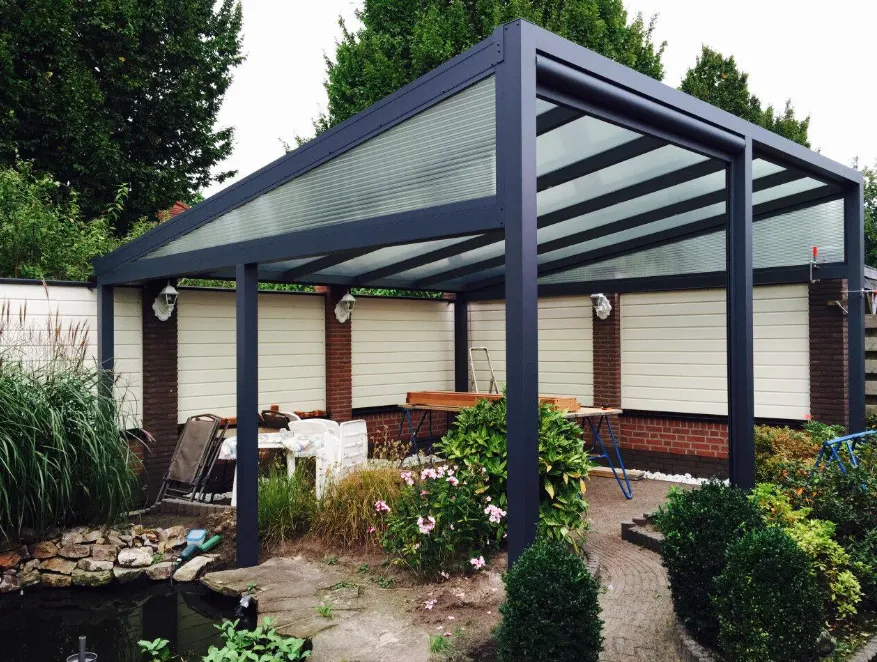
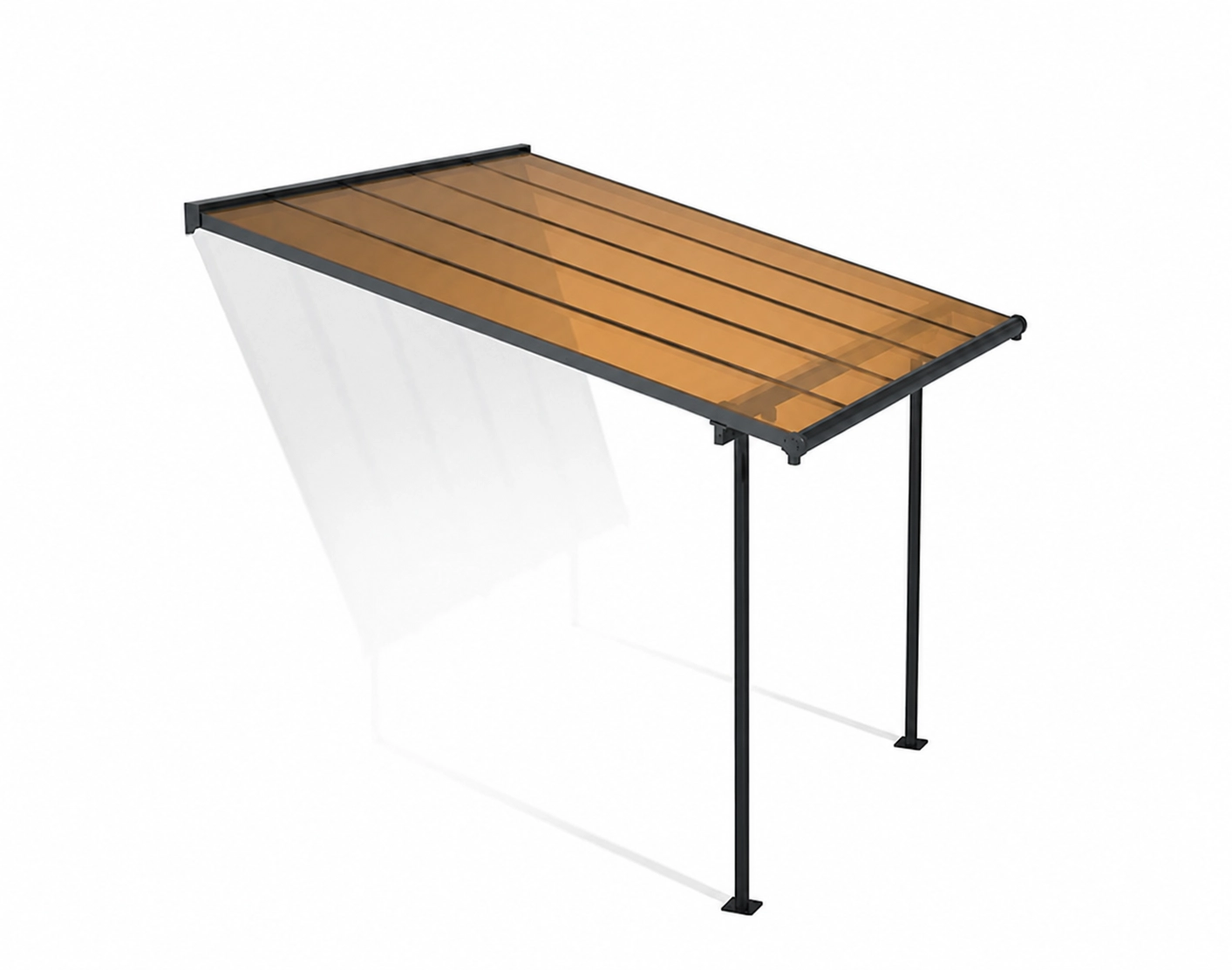
DiBiBi’s current Patio Covers range includes aluminium and timber-led covers with light-transmitting polycarbonate roofs, plus a freestanding aluminium configuration. This guide also explains alternative concepts so readers can identify the right specification before comparing actual products.
Patio Cover Types at a Glance
| Type | Main advantage | Main limitation or check | Best starting use |
|---|---|---|---|
| Attached cover | Connects a patio to the building | Wall connection, flashing and drainage need project review | Dining or sitting beside the house |
| Freestanding cover | Flexible placement away from a wall | Posts, foundations and setbacks need space | Poolside or detached garden seating |
| Translucent fixed roof | Shelter while admitting daylight | Glare, heat gain, panel details and cleaning vary | Patios where adjacent rooms need light |
| Opaque fixed roof | Consistent overhead shade | Can reduce daylight at nearby windows | Spaces prioritizing shade |
| Adjustable louvered roof | Changes light and ventilation | Mechanism, sealing and controls vary by system | Multi-use spaces with changing sun |
| Retractable fabric roof or awning | Shade can be opened or closed | Fabric and wind/rain limits require checking | Seasonal or flexible shade |
These categories overlap. A freestanding cover can have a translucent roof; an attached structure can use a fixed or adjustable system. Compare the whole configuration, including frame, roof, anchoring and drainage.
Attached vs. Freestanding Patio Covers
An attached cover sits next to a building. It can make the transition from an indoor room to the patio feel continuous, but the wall must be suitable for the intended connection. The design needs to deal with water at the junction, the existing roofline, openings and local structural loads. Do not assume a façade is suitable just because it has space for a ledger.
A freestanding cover is structurally independent of the house. It gives more freedom to place a dining area, lounge or poolside shelter, but usually needs more posts and a foundation design for the exact site. DiBiBi’s Aluminium Free-Standing Patio Cover illustrates this layout. Our attached vs. freestanding comparison examines the trade-offs in detail.
Fixed Roofs: Light-Transmitting or Opaque?
A translucent roof can shelter the space without making it feel as dark as an opaque roof. The 10 × 14 ft Aluminium Patio Cover combines an aluminium frame with a light-transmitting polycarbonate roof. The 10 × 11 ft Wooden Patio Cover uses a timber-led structure with the same general roof-material category. These products are useful examples of how frame material and roof material can be selected separately.
An opaque fixed roof may suit projects where stronger shade is the priority, but it can change the daylight entering adjacent doors and windows. Insulated panels, metal sheets and other opaque systems have different weight, thermal, acoustic and fastening requirements. They are comparison options here, not specifications claimed for the listed DiBiBi models. See the roof-material comparison for the questions to ask about each system.
Louvered and Retractable Options
Adjustable louvers change how much sun and air pass through the roof. Their rain performance depends on the particular blade, sealing and drainage system, and the conditions under which the product is used. A retractable fabric canopy or awning can provide flexible shade but should be assessed against its weather and storage instructions. If an open-roof architectural structure is the actual goal, read pergola vs. patio cover and the louvered pergola guide.
Match the Type to the Site
Start with five questions. What must be protected: people, furniture or an adjacent doorway? Is the patio beside a suitable building wall? How much daylight should reach the patio and interior? Where can posts and runoff go? What wind, snow and approval requirements apply at the installation site? A covered dining space and a flexible shade feature may lead to different answers.
For a compact seating layout, compare the nominal footprint of the 10 × 10 ft Aluminium Patio Cover. For a longer arrangement, review the 10 × 24 ft Aluminium Patio Cover. Nominal roof dimensions do not establish clear post-to-post space or approved loading; request the drawings for the exact model. The installation planning guide explains the site measurements to collect first.
What to Send with an Enquiry
Provide the site plan, desired roof footprint and clear height, attached or freestanding preference, preferred frame and roof appearance, drainage direction, location and exposure, target market, and intended order quantity. Ask for model-specific drawings, included components, finish details, packaging and installation documentation. Browse all Patio Covers and use the patio cover buying guide as the overall decision map.
Frequently Asked Questions
Is a pergola a patio cover?
The terms overlap in everyday use, but an open-roof pergola provides a different level of overhead shelter from a continuous-roof patio cover. Compare the roof design and its documented weather performance rather than relying on the product name.
Is a polycarbonate roof the same as an opaque solid roof?
No. Both are fixed roof systems, but polycarbonate panels may transmit light. Thickness, tint, structure and coatings affect the result; confirm the actual panel specification.
Is a freestanding cover easier to install?
It avoids a wall connection, yet still needs suitable anchors, foundations, drainage and local approval where required. Ease of installation depends on the site and product.
Continue with the Patio Cover Guide, explore Patio Covers knowledge articles, or browse Patio Cover products.