A patio is one of the most valuable outdoor spaces in a home. Whether you use it for relaxing, entertaining guests, enjoying family meals, or spending time outdoors, having a comfortable and functional patio can significantly improve your outdoor living experience. However, direct sunlight, rain, and changing weather conditions can sometimes limit how often you can use this space.
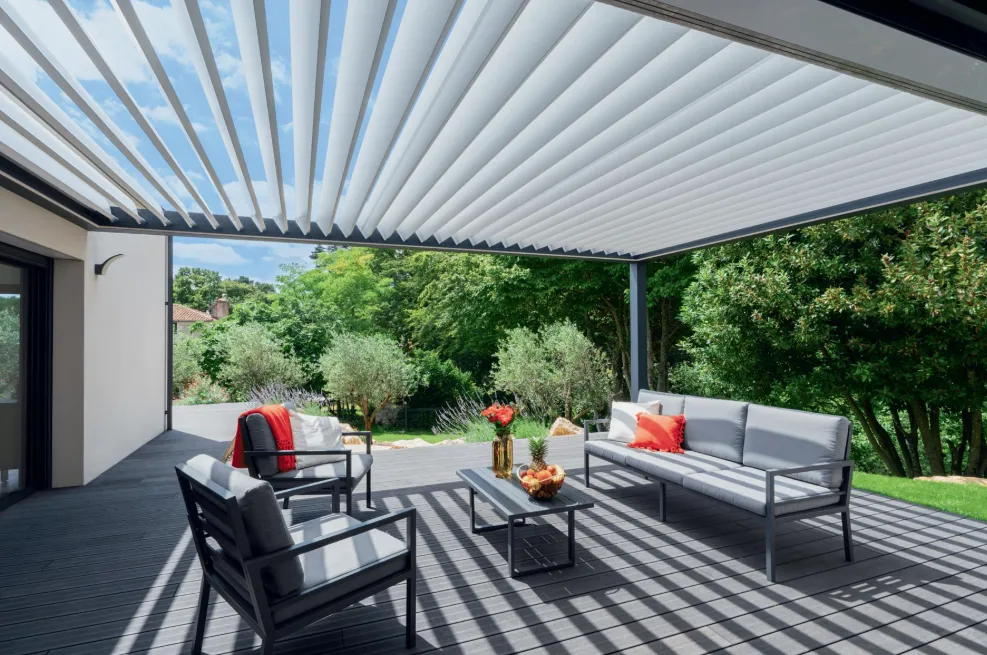
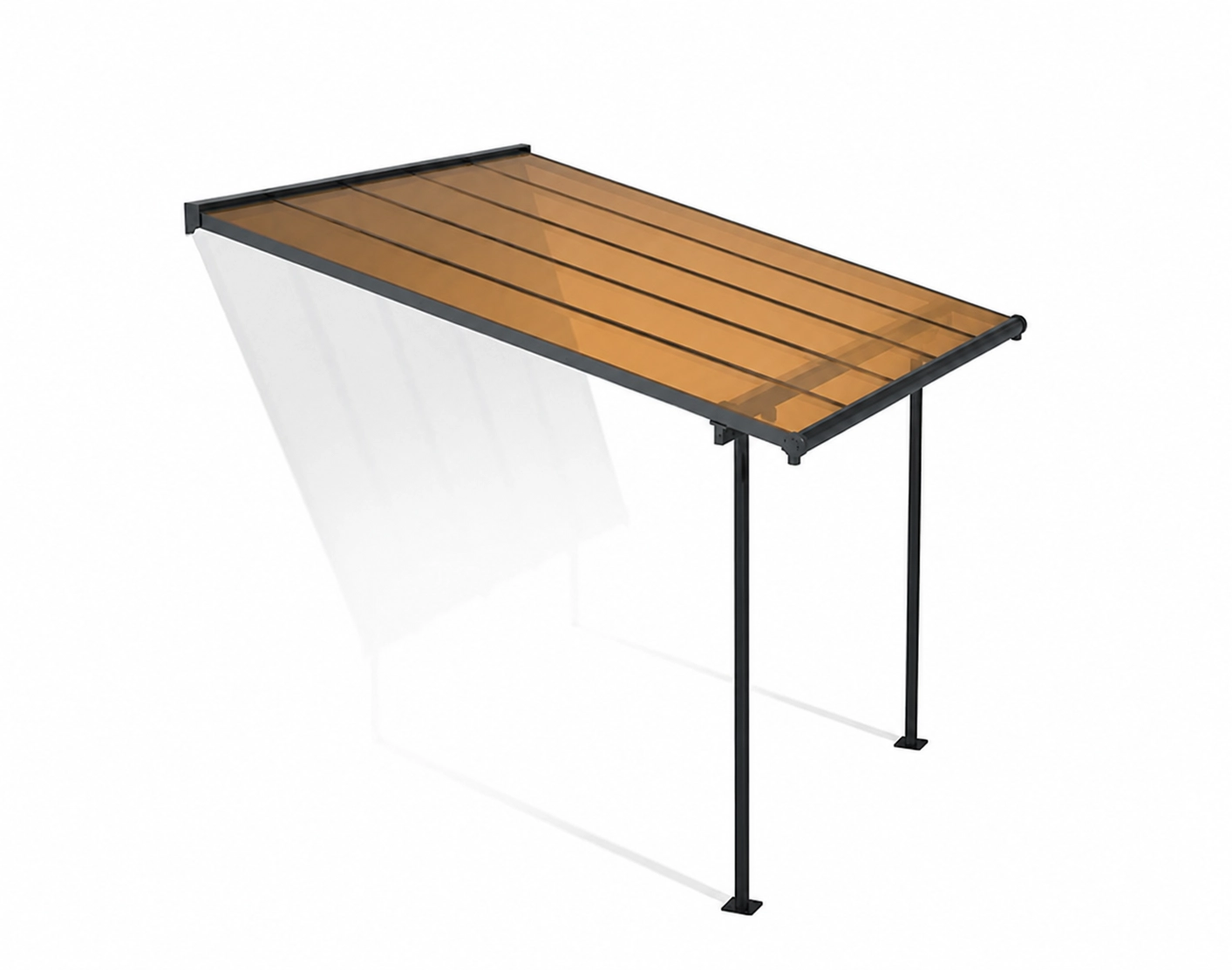
That’s where a patio cover comes in.
A patio cover is a permanent or semi-permanent outdoor structure designed to provide shade and protection over a patio. It can help reduce direct sunlight, offer shelter from light rain, protect outdoor furniture, and make your outdoor living area more comfortable throughout the year.
Patio covers are available in different materials, designs, and configurations, including aluminum patio covers, wood patio covers, insulated roof systems, and adjustable louvered covers.
But which type should you choose? How much does a patio cover cost? And what should you consider before buying one?
This guide explains everything you need to know about patio covers, helping you make an informed decision based on your home, budget, climate, and outdoor living needs.
What Is a Patio Cover?
A patio cover is an overhead structure installed above an outdoor patio to provide protection from environmental elements.
Unlike a fully enclosed sunroom, a traditional patio cover typically has an open-sided design. This allows natural airflow while providing shade and some protection from rain and sunlight.
Patio covers can be attached directly to a house or installed as freestanding structures in the backyard.
Most patio covers consist of several essential components:
- Roof panels: The upper surface that provides shade and weather protection.
- Support posts: Vertical structural elements that hold the roof in place.
- Beams and rafters: Structural components that distribute the roof’s weight and provide stability.
- Mounting hardware: Brackets, fasteners, and other components used to secure the structure.
- Drainage components: Gutters and downspouts that help direct rainwater away from the patio.
The specific components depend on the patio cover’s design, material, dimensions, and installation method.
What Is the Main Purpose of a Patio Cover?
The primary purpose of a patio cover is to make an outdoor area more usable and comfortable.
It offers several practical benefits:
- Sun protection: Reduces direct sunlight and helps create a shaded outdoor environment.
- Rain protection: Provides shelter from light rain, depending on the roof design and drainage system.
- Furniture protection: Helps reduce exposure to UV radiation and moisture, which can damage outdoor furniture.
- Temperature control: A properly designed patio cover can reduce heat buildup on the patio and limit direct solar exposure near windows and doors.
- Outdoor living space: Creates a more functional area for dining, entertaining, and relaxing.
A patio cover does not necessarily make an outdoor area completely weatherproof. Wind-driven rain, extreme weather, and temperature changes can still affect an open-sided patio.
What Are the Different Types of Patio Covers?
Choosing the right patio cover starts with understanding the available designs.
Different patio cover styles offer different levels of shade, ventilation, durability, and weather protection.
Here are the most common types to consider.
Attached Patio Covers
An attached patio cover connects directly to the exterior wall or roof structure of a house.
It is one of the most popular options for homeowners because it creates a seamless transition between indoor and outdoor living spaces.
Advantages:
- Makes efficient use of existing outdoor space.
- Provides convenient access from the house.
- Can complement the home’s architectural design.
- Often requires fewer support posts than some freestanding designs.
Best for: Homeowners who want to cover a patio directly beside their house.
Freestanding Patio Covers
A freestanding patio cover is an independent structure supported by its own posts and foundation system.
Unlike attached patio covers, it does not rely on the house for structural support.
This design offers greater flexibility because it can be installed almost anywhere in a suitable outdoor area.
Advantages:
- Flexible placement in the backyard.
- Suitable for outdoor dining and entertainment areas.
- Can create a separate outdoor living zone.
- Does not require direct attachment to the house.
Best for: Homeowners who want a shaded seating area, outdoor kitchen, or backyard entertainment space away from the house.
Solid Roof Patio Covers
A solid roof patio cover features a continuous roof surface that blocks direct sunlight and provides better protection from rainfall than an open or slatted design.
Common materials include aluminum, insulated roof panels, metal, and other weather-resistant roofing products.
Advantages:
- Provides consistent shade.
- Offers protection from direct rainfall.
- Helps protect outdoor furniture.
- Creates a more defined outdoor living space.
Best for: Homeowners who prioritize shade and rain protection.
Lattice Patio Covers
A lattice patio cover uses an open framework of beams or slats arranged in a grid pattern.
Unlike solid roof structures, lattice covers allow some sunlight and air to pass through.
They create partial shade while maintaining an open, airy outdoor atmosphere.
Advantages:
- Allows natural light into the patio.
- Provides good airflow.
- Creates an attractive architectural feature.
- Can support climbing plants in suitable designs.
Best for: Homeowners who prefer partial shade and natural light rather than complete overhead coverage.
Retractable Patio Covers
Retractable patio covers feature a roof or canopy that can be extended or retracted depending on weather conditions and personal preferences.
Some systems operate manually, while motorized models use remote controls or smart-home integration.
Advantages:
- Adjustable shade coverage.
- Greater control over sunlight exposure.
- Flexible outdoor use.
- Suitable for changing weather conditions.
Best for: Homeowners who want flexible shade rather than permanent full coverage.
Louvered Patio Covers
A louvered patio cover uses adjustable horizontal roof blades that can rotate to control sunlight, airflow, and ventilation.
Some premium systems include motorized operation and integrated rain-sensing technology.
When the louvers are closed, certain engineered systems can direct rainwater into built-in drainage channels.
Advantages:
- Adjustable sunlight and ventilation.
- Modern architectural appearance.
- Flexible control over outdoor comfort.
- Available with motorized accessories.
Best for: Homeowners looking for a modern, adjustable outdoor roofing solution.
What Materials Are Used for Patio Covers?
Material selection is one of the most important decisions when buying a patio cover.
The material affects durability, maintenance requirements, appearance, structural performance, and overall cost.
Here are four common material options.
Aluminum Patio Covers
Aluminum is a popular material for modern patio covers because it is lightweight, corrosion-resistant, and relatively low-maintenance.
Many aluminum systems feature powder-coated finishes that provide additional protection and a variety of color options.
Benefits:
- Resistant to rust and corrosion.
- Requires relatively little maintenance.
- Available in different colors and finishes.
- Lightweight compared with many traditional materials.
- Suitable for contemporary and traditional homes.
Potential drawbacks:
- Some designs may have a more industrial appearance.
- Lower-quality products may dent or experience finish deterioration.
- Thin, non-insulated panels may transfer heat.
Aluminum patio covers are particularly suitable for homeowners who prioritize durability and easy maintenance.
Wood Patio Covers
Wood patio covers offer a natural appearance that complements many architectural styles.
Common wood choices include cedar, redwood, and pressure-treated lumber.
Benefits:
- Natural and attractive appearance.
- Can be customized with different stains and finishes.
- Suitable for traditional, rustic, and modern designs.
- Offers considerable design flexibility.
Potential drawbacks:
- Requires periodic staining or sealing.
- Can be vulnerable to moisture damage and insects.
- May warp, crack, or deteriorate without proper maintenance.
Wood is a good choice for homeowners who value natural aesthetics and are willing to perform regular maintenance.
Steel Patio Covers
Steel is a strong structural material commonly used for larger patio covers and designs that require substantial load-bearing capacity.
It can be finished with protective coatings to help prevent corrosion.
Benefits:
- High structural strength.
- Suitable for larger spans when properly engineered.
- Durable when correctly protected.
- Works well with modern architectural designs.
Potential drawbacks:
- Heavier than aluminum.
- Can corrode if protective coatings are damaged.
- May require more specialized installation.
Steel patio covers are worth considering for projects where structural requirements are a major priority.
Insulated Patio Cover Panels
Insulated patio covers typically use composite roof panels with insulating material between two outer layers.
These panels are designed to improve thermal performance and reduce heat transfer through the roof.
Benefits:
- Helps reduce heat beneath the patio cover.
- Creates a more comfortable shaded area.
- Can provide a cleaner finished ceiling.
- May reduce some outdoor noise compared with thin, non-insulated roofing.
Potential drawbacks:
- Usually costs more than basic roofing panels.
- Requires compatible structural framing.
- Performance depends on panel thickness, construction, and installation quality.
Insulated panels are a strong option for homeowners who plan to spend significant time beneath their patio cover, particularly in hot climates.
What Are the Benefits of Installing a Patio Cover?
A well-designed patio cover provides more than just shade. It can improve the functionality, comfort, and appearance of an outdoor living area.
Protection from Sunlight and UV Exposure
Direct sunlight can make a patio uncomfortable, especially during hot summer months.
A patio cover blocks or reduces solar exposure, depending on its design and roofing material.
This creates a more comfortable environment for outdoor dining, relaxing, and entertaining.
It can also help reduce UV exposure on outdoor furniture, flooring, and decorative items.
Better Outdoor Comfort
A shaded patio is generally more comfortable than an uncovered one during sunny weather.
Solid and insulated roof systems can reduce direct solar heat gain, while open lattice and louvered designs offer different levels of airflow and ventilation.
The right design depends on your local climate and how you intend to use the space.
Protection for Outdoor Furniture
Outdoor furniture is exposed to sunlight, rain, and temperature changes.
Prolonged UV exposure can fade fabrics, weaken certain plastics, and affect some wood finishes.
A patio cover helps reduce this exposure and may extend the useful life of outdoor furniture.
However, furniture should still be made from weather-resistant materials, especially in areas exposed to wind-driven rain.
More Usable Outdoor Living Space
A patio cover can transform an exposed concrete slab or deck into a functional outdoor living area.
You can use the space for:
- Outdoor dining.
- Family gatherings.
- Relaxing and reading.
- Outdoor kitchens.
- Barbecue areas.
- Covered lounge spaces.
- Entertaining guests.
With suitable lighting, fans, and outdoor furniture, a covered patio can become an extension of your home’s living space.
Potential Property Appeal
An attractive and well-built patio cover may improve a property’s overall appearance and outdoor functionality.
It can make a backyard more appealing to potential buyers, particularly in markets where outdoor living spaces are valued.
However, a patio cover does not guarantee a specific increase in property value. The impact depends on local buyer preferences, design quality, construction standards, and overall property condition.
How Much Does a Patio Cover Cost?
The cost of a patio cover depends on several factors, including material, size, design complexity, labor, and installation requirements.
A basic aluminum patio cover will generally cost less than a custom motorized louvered system.
The following table provides a general comparison of relative costs.
| Patio Cover Type | Relative Cost | Maintenance |
|---|---|---|
| Basic aluminum | Low to medium | Low |
| Wood | Medium | Medium to high |
| Steel | Medium to high | Low to medium |
| Insulated panels | Medium to high | Low |
| Retractable | Medium to high | Medium |
| Motorized louvered | High | Low to medium |
These are relative cost categories, not fixed market prices. Actual quotations vary significantly by country, region, product specification, and contractor.
What Factors Affect Patio Cover Pricing?
Before requesting a quotation, consider the following cost factors:
1. Size and dimensions
Larger patio covers require more materials, structural support, and installation labor.
2. Roofing material
Aluminum, wood, steel, and insulated panels have different material and manufacturing costs.
3. Design complexity
Custom shapes, integrated lighting, motorized louvers, and specialized finishes can increase the total price.
4. Installation requirements
Ground conditions, foundations, existing walls, and roof connections may affect installation costs.
5. Additional features
Popular accessories include ceiling fans, LED lighting, gutters, downspouts, privacy screens, and outdoor heaters.
6. Permits and engineering
Depending on local regulations, a patio cover may require planning approval, a building permit, structural calculations, or inspections.
For an accurate budget, request an itemized quotation that separates materials, labor, accessories, and permit-related costs.
What Should You Consider Before Buying a Patio Cover?
Buying a patio cover is a long-term investment. Choosing the right product requires more than comparing prices.
Here are seven important considerations.
Determine Your Main Purpose
Start by identifying how you intend to use your patio.
Do you mainly need protection from strong sunlight? Do you want a sheltered dining area? Or do you need a flexible system that allows you to adjust sunlight throughout the day?
Your primary objective will help determine the most suitable design.
For example:
- Maximum shade: Consider a solid roof patio cover.
- Natural light and partial shade: Consider a lattice design.
- Adjustable sunlight: Consider a louvered system.
- Flexible coverage: Consider a retractable patio cover.
Choose the Right Material
Consider your climate, maintenance preferences, budget, and architectural style.
Aluminum is suitable for low-maintenance applications, wood offers a natural appearance, steel provides structural strength, and insulated panels can improve thermal comfort.
Do not choose a material based on appearance alone. Check its specifications, warranty, corrosion resistance, and suitability for your environment.
Measure Your Patio Accurately
Measure the patio’s width, projection, and available installation height.
Also consider:
- Door and window locations.
- Existing rooflines.
- Drainage direction.
- Nearby trees and structures.
- Required walking clearance.
- Furniture placement.
A properly sized patio cover should provide sufficient shade without obstructing doors, windows, or access routes.
Consider Local Weather Conditions
Climate plays a major role in patio cover selection.
In hot climates, UV-resistant roofing and insulated panels may be particularly useful.
In rainy areas, consider a solid roof with effective waterproofing and drainage.
In windy or snowy locations, the structure must be designed for the applicable wind and snow loads.
Always confirm that the product and installation meet local structural requirements.
Check Building Regulations and Permits
Before purchasing, check whether your local authority requires planning permission, building permits, or approval from a homeowners’ association.
Requirements vary by jurisdiction and may depend on the structure’s height, dimensions, location, attachment method, and proximity to property boundaries.
In the UK, for example, some patio cover or canopy projects may fall within permitted development rights, but this depends on the specific property and design. Listed buildings and properties in conservation areas may have additional restrictions.
In the United States, requirements vary by state, county, and municipality.
When in doubt, contact your local planning or building control authority before construction begins.
Compare Product Quality and Warranty
A lower purchase price does not always mean better value.
Check:
- Material thickness and specifications.
- Structural design and load ratings.
- Corrosion-resistant finishes.
- Roof panel performance.
- Hardware quality.
- Manufacturer warranty.
- Availability of replacement components.
Ask the supplier for product documentation rather than relying only on promotional descriptions.
Evaluate Installation Options
Some patio cover kits are designed for DIY installation, while larger or more complex systems require professional installation.
Professional installation may be especially important for attached structures, motorized louvered roofs, and projects involving substantial structural loads.
A qualified installer can assess the site, verify structural connections, and help ensure appropriate drainage and compliance with local requirements.
DIY vs. Professional Patio Cover Installation
One common question homeowners ask is whether they should install a patio cover themselves or hire a professional.
Both approaches have advantages.
DIY Patio Cover Installation
DIY installation can reduce labor expenses and may be practical for smaller, straightforward patio cover kits.
Advantages:
- Potentially lower installation costs.
- Greater control over the project schedule.
- Suitable for homeowners with construction experience.
Disadvantages:
- Requires appropriate tools and skills.
- Structural mistakes can create safety risks.
- Installation may take longer.
- Permit and compliance requirements remain the homeowner’s responsibility.
Professional Patio Cover Installation
Professional installation is generally preferable for large, attached, custom-designed, or motorized patio covers.
Advantages:
- Experienced structural installation.
- Proper mounting and drainage.
- Reduced risk of installation errors.
- Assistance with product selection and local requirements.
Disadvantages:
- Higher upfront labor costs.
- Scheduling depends on contractor availability.
For most complex patio cover projects, professional installation is a worthwhile consideration because structural safety and weather performance depend heavily on correct installation.
Patio Cover vs. Pergola vs. Gazebo: What’s the Difference?
Patio covers, pergolas, and gazebos are often confused because they all provide outdoor shade or shelter.
However, their structures and intended functions are different.
| Feature | Patio Cover | Pergola | Gazebo |
|---|---|---|---|
| Main purpose | Shade and weather protection | Decorative shade | Outdoor shelter |
| Roof design | Solid, insulated, slatted, or adjustable | Usually open or partially covered | Typically solid |
| Structure | Attached or freestanding | Usually freestanding, sometimes attached | Usually freestanding |
| Weather protection | Depends on roof design | Limited unless covered | Generally greater |
| Common location | Beside a house or in a yard | Garden or patio | Garden or outdoor gathering area |
Which One Should You Choose?
Choose a patio cover if you want a functional roof over an existing patio.
Choose a pergola if you prefer an open architectural feature that provides partial shade and allows more sunlight through.
Choose a gazebo if you want a separate, sheltered outdoor structure that creates a defined gathering area.
The best option depends on your available space, preferred appearance, budget, and intended use.
How to Maintain Your Patio Cover
Regular maintenance helps preserve the appearance, safety, and performance of your patio cover.
Although maintenance requirements differ by material, most structures benefit from periodic inspections and cleaning.
General Maintenance Tips
Clean the roof regularly.
Remove leaves, dirt, dust, and other debris that could block drainage or cause staining.
Inspect structural connections.
Check support posts, brackets, bolts, and fasteners for signs of loosening or deterioration.
Maintain drainage systems.
Clean gutters and downspouts to ensure rainwater can flow away from the structure.
Check for corrosion or damage.
Inspect metal components, protective coatings, and roof panels for damage.
Maintain wooden surfaces.
Wood patio covers may require periodic staining, sealing, or repainting, depending on the wood species and exposure conditions.
Follow manufacturer recommendations.
Use appropriate cleaning products and maintenance procedures to avoid damaging protective finishes or roofing materials.
For motorized systems, periodically inspect moving components and follow the manufacturer’s servicing instructions.
Is a Patio Cover Worth Buying?
For many homeowners, a patio cover is a worthwhile investment because it improves the functionality of an existing outdoor area.
It can provide shade, reduce direct solar exposure, protect outdoor furniture, and create a more comfortable place for everyday activities.
However, whether it is worth buying depends on how frequently you use your patio and what you expect from the structure.
A basic aluminum patio cover may be a practical choice if you want affordable, low-maintenance shade.
An insulated patio cover may be better if thermal comfort is a priority.
A motorized louvered patio cover may be worth considering if you want greater control over sunlight and ventilation and have the budget for a premium system.
The key is to choose a patio cover that matches your actual needs rather than paying for features you may rarely use.
Frequently Asked Questions About Patio Covers
What is the main purpose of a patio cover?
The main purpose of a patio cover is to provide shade and shelter over an outdoor patio. It helps reduce direct sunlight, offers protection from rain depending on the roof design, and makes outdoor spaces more comfortable and functional.
Are patio covers waterproof?
Not all patio covers are completely waterproof. Solid roof systems with properly sealed joints and suitable drainage can provide effective rain protection. Lattice and open-roof designs allow rain to pass through, while some adjustable louvered systems provide rain protection when fully closed.
What is the best material for a patio cover?
Aluminum is a popular choice because it is lightweight, corrosion-resistant, and low-maintenance. Wood is suitable for homeowners who prefer a natural appearance, while insulated panels are useful when reducing heat transfer is important. The best material depends on your climate, budget, and design preferences.
How long does a patio cover last?
The lifespan depends on material quality, installation, climate, and maintenance. Properly installed aluminum and steel structures can provide many years of service. Wood structures can also last a long time with appropriate sealing, treatment, and regular maintenance.
Does a patio cover increase home value?
A well-designed patio cover may improve outdoor functionality and property appeal. However, the actual impact on resale value depends on local market conditions, construction quality, buyer preferences, and whether the installation complies with applicable regulations.
Can I install a patio cover myself?
Yes, some prefabricated patio cover kits are designed for DIY installation. However, larger or attached structures may require professional installation, structural calculations, and permits. Always follow manufacturer instructions and local building requirements.
Do I need a permit for a patio cover?
Permit requirements vary depending on your location, the structure’s size, height, design, and attachment method. Check with your local building or planning authority before starting the project.
What is the difference between an insulated and non-insulated patio cover?
An insulated patio cover uses panels containing an insulating core to reduce heat transfer through the roof. A non-insulated cover typically uses a single-layer or thinner roofing system. Insulated options generally provide better thermal performance, although actual results depend on the product specifications and installation.
Can a patio cover be attached to an existing house?
Yes. Attached patio covers are commonly installed against an existing house. However, the connection must be designed to accommodate structural loads and prevent water intrusion. The existing wall and roof structure should be assessed before installation.
Which patio cover is best for hot climates?
Solid roof patio covers and insulated aluminum panel systems are often good options for hot climates because they provide consistent shade and can reduce heat transfer. Louvered systems are another option when adjustable sunlight and ventilation are priorities.
Patio Cover Buying Framework: Choose by the Problem to Solve
A patio cover is easiest to specify when the intended use comes first. A fixed solid roof is a practical starting point when dependable overhead shade and rain cover matter most. A freestanding structure can shelter a seating area away from the house, while an attached structure makes the wall connection, flashing and drainage details especially important. A louvered roof offers adjustable light and ventilation, but its weather performance depends on the system and installation. If the main objective is a more open, architectural frame, compare a pergola with a patio cover before choosing a roof type.
| Project priority | Starting configuration | Verify before ordering |
|---|---|---|
| Reliable overhead cover | Solid-roof patio cover | Roof material, drainage path, water-tight connection and local loads |
| Flexible placement | Freestanding cover | Post locations, foundation design and service access |
| Direct access from a building | Attached cover | Wall structure, flashing, finished height and permits |
| Low routine upkeep | Coated aluminum structure | Finish specification, fasteners and cleaning guidance |
| Natural material appearance | Wooden structure | Treatment, maintenance schedule and moisture detailing |
Measure the usable space, not only the roof footprint
Record the clear width and depth available for furniture and circulation, the underside clearance, post spacing, roof projection and slope, and the route by which rainwater leaves the area. Check doors, windows, gutters, utility lines and nearby trees. A nominal product size does not describe every usable clearance. For a layout comparison, read attached vs. freestanding patio covers; for material trade-offs, see aluminum vs. wood patio covers.
Compare real product configurations
The 10 × 14 ft aluminium patio cover and 11 × 17 ft wooden patio cover illustrate different material and size choices. The aluminium free-standing patio cover provides a separate placement option. Treat these as configuration examples; confirm dimensions, included components and engineering documents for the exact model and market rather than assuming that every patio cover has the same specification.
What to Request in a Patio Cover RFQ
For a comparable quotation, send the required roof footprint and clear height; attached or freestanding installation; preferred frame and roof materials; finish and color; target wind, snow and rain conditions; delivery market; estimated order quantity; and any packaging or branding requirements. Ask the supplier to identify included anchors, gutters, downpipes, fasteners and installation instructions. Request drawings showing connection details and the loads for the specific configuration. Local code compliance and foundations need project-specific review.
Compare quotations on the same scope. A lower product price may omit foundations, freight, accessories or installation. The patio cover cost guide explains the main cost variables; the maintenance guide helps assess ownership requirements after installation.
Continue from This Guide
- Choosing a style and material: best patio cover for your backyard and modern patio cover designs.
- Evaluating the material: are aluminum patio covers worth it? and aluminum vs. wood.
- Comparing structures: pergola vs. patio cover.
- Reviewing available models: Patio Covers product range.
Explore Patio Cover Types, Roofs and Installation
Compare patio cover types, plan the site with the installation planning guide, and review polycarbonate and other patio roof materials before selecting a model.
Final Thoughts: Choose the Right Patio Cover for Your Home
A patio cover is more than an outdoor roofing structure. It is a practical way to improve your outdoor living environment, create a comfortable shaded area, and make better use of your available space.
Before buying, consider the main purpose of the structure, the materials available, your local weather conditions, installation requirements, maintenance needs, and overall budget.
For homeowners seeking a durable, low-maintenance solution, aluminum patio covers are worth considering. Those who prioritize thermal comfort may prefer insulated roof panels, while homeowners looking for flexibility may find adjustable louvered patio covers more suitable.
Ultimately, the best patio cover is one that combines durability, functionality, weather protection, and design to meet your specific outdoor living needs.
Take time to compare product specifications, request detailed quotations, and confirm local building requirements before making your final decision. A well-planned patio cover can provide a more enjoyable and functional outdoor space for years to come.
Related Patio Cover Guides
- How to Choose the Best Patio Cover for Your Backyard
- Top 10 Patio Cover Ideas to Transform Your Outdoor Living Space
- Pergola vs. Patio Cover: What's the Difference and Which Should You Choose?
Explore the Patio Covers knowledge library or compare our patio cover products.