A well-designed patio cover can transform an ordinary backyard into a comfortable, functional outdoor living space. Whether you want to relax with your family, host weekend barbecues, or enjoy fresh air without direct sunlight, choosing the right patio cover makes a significant difference.
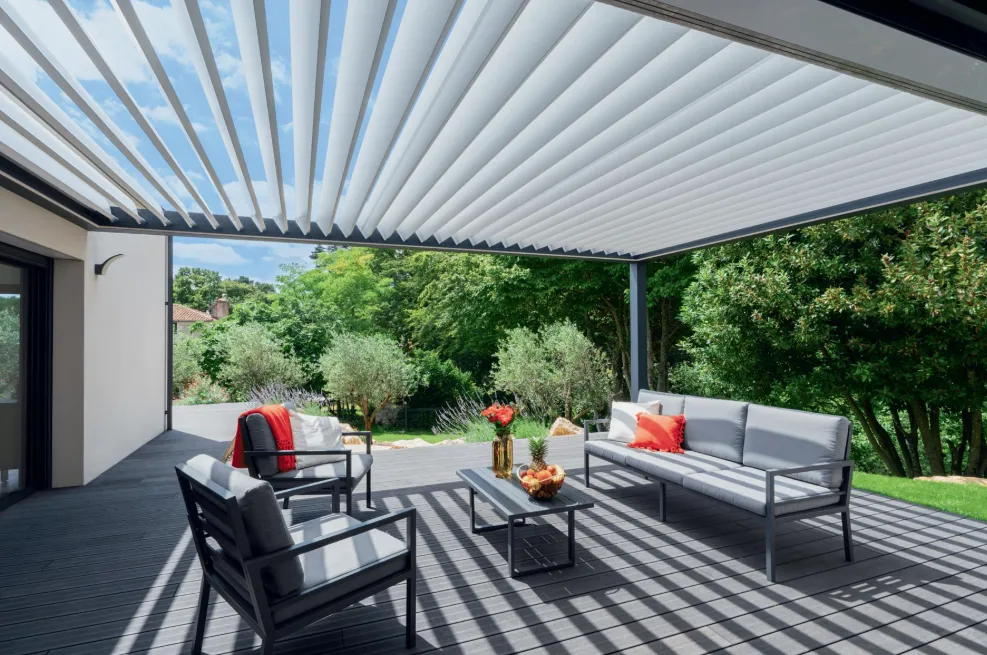
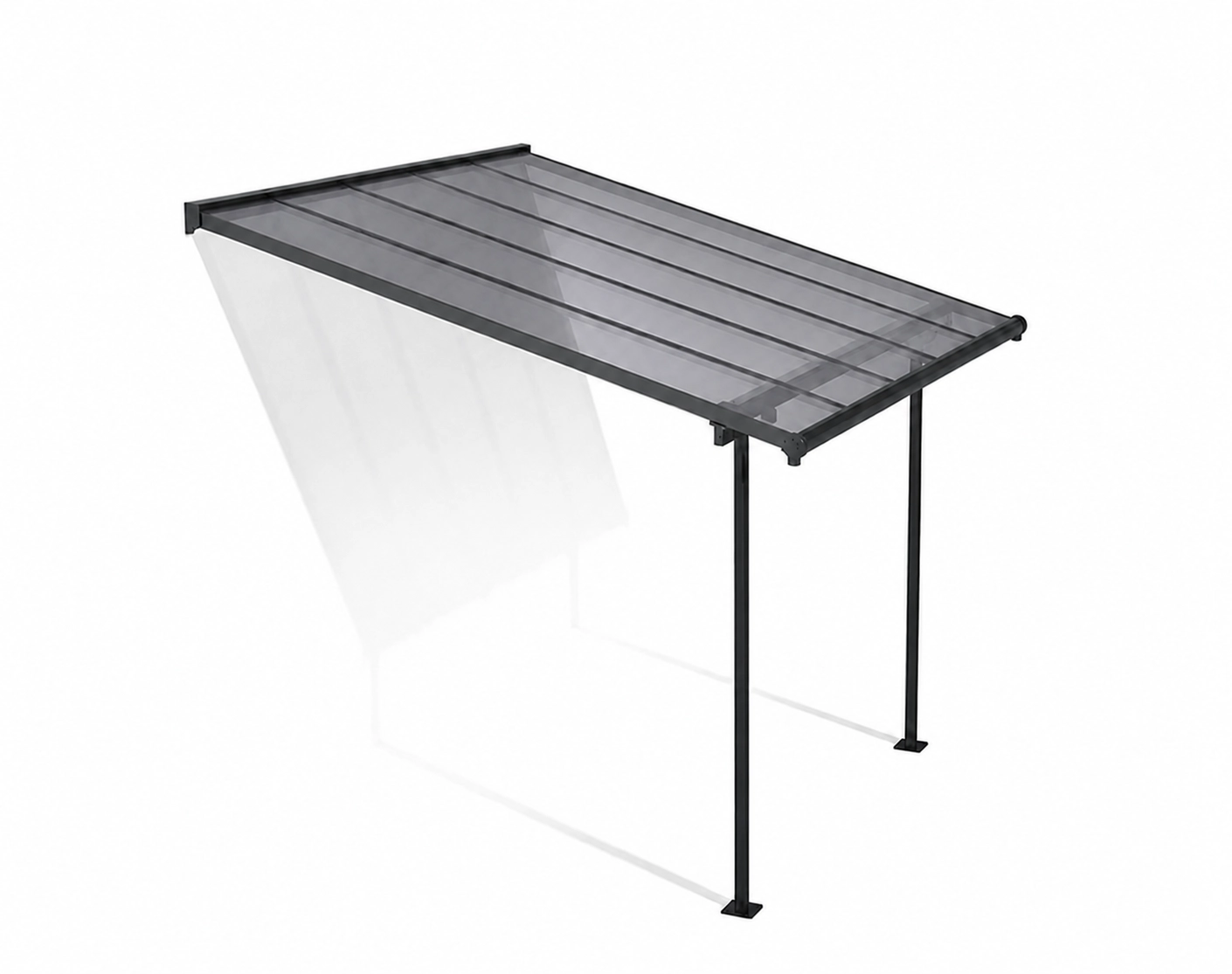
However, with so many materials, designs, and features available, finding the best patio cover for your backyard can feel overwhelming. Should you choose a traditional wooden pergola, a modern aluminum patio cover, or an adjustable louvered roof? Which option offers the best balance of durability, weather protection, maintenance, and cost?
The answer depends on your climate, available space, lifestyle, and budget.
In this comprehensive guide, we’ll explore the different types of patio covers, compare popular materials, explain essential buying considerations, and help you select the ideal solution for your outdoor space.
What Is a Patio Cover?
A patio cover is an outdoor structure designed to provide shade, shelter, or weather protection over a patio, deck, or backyard seating area.
Unlike fully enclosed outdoor rooms, patio covers typically maintain an open-air environment while protecting the space from excessive sunlight and, depending on the roof design, rain.
Patio covers are available in different configurations, including attached structures, freestanding pergolas, fixed roofs, and retractable systems.
The best patio cover is one that matches your local weather conditions, provides the level of shade and rain protection you need, complements your home’s architecture, and fits your long-term budget.
A properly selected patio cover can provide several benefits:
-
Improved outdoor comfort: Create a shaded area for relaxing, dining, and entertaining.
-
Weather protection: Reduce exposure to direct sunlight and rain.
-
Enhanced backyard appearance: Add structure and architectural character to your outdoor space.
-
Greater outdoor usability: Make your patio more practical across different seasons.
-
Potential property appeal: A professionally installed patio cover may make the outdoor living area more attractive to future buyers.
Understanding these benefits is the first step toward choosing the right design.
1. Understand the Different Types of Patio Covers
Before comparing materials or prices, it’s important to understand the most common types of patio covers.
Each design offers different levels of shade, weather protection, flexibility, and visual appeal.
Solid Roof Patio Covers
Solid roof patio covers provide permanent overhead coverage using materials such as aluminum panels, insulated roofing, wood-supported roofing systems, or polycarbonate.
They are particularly suitable for homeowners who want dependable shade and rain protection.
Advantages:
-
Consistent overhead shelter
-
Suitable for outdoor dining areas
-
Available in different architectural styles
-
Can support integrated lighting and ceiling fans when properly designed
Disadvantages:
-
Limited control over natural sunlight
-
May reduce daylight entering nearby windows
-
Installation can require substantial structural support
Solid roof covers are an excellent option for homeowners who prioritize reliable protection over adjustable sunlight.
Traditional Pergolas
A pergola is an outdoor structure featuring vertical posts and an overhead framework of beams or slats.
Traditional pergolas provide partial shade while maintaining an open, airy atmosphere.
Wood and aluminum are popular pergola materials.
Although visually appealing, an open-roof pergola does not provide complete rain protection unless additional roofing or a retractable canopy is installed.
Pergolas are ideal for homeowners who want a decorative outdoor structure with filtered sunlight.
Louvered Pergola Patio Covers
A louvered pergola features adjustable roof slats that allow homeowners to control sunlight, ventilation, and rain exposure.
The louvers can be opened to enjoy natural light or closed to create a sheltered outdoor area.
Many modern systems include motorized operation, remote controls, integrated drainage, and optional weather sensors.
Louvered patio covers are especially attractive for homeowners seeking flexibility and contemporary design.
However, actual rain resistance and wind-load performance depend on the manufacturer’s specifications, drainage system, and installation.
Retractable Awnings
Retractable awnings provide shade through a fabric canopy that extends or retracts as needed.
They are commonly installed against exterior walls and are well suited to smaller patios.
Their main advantages include affordability, flexibility, and relatively compact installation.
However, many retractable awnings must be retracted during strong winds or severe weather.
Freestanding Patio Covers
Freestanding patio covers are independent structures that do not rely on the house for support.
They can be placed near a swimming pool, garden, outdoor kitchen, or backyard lounge area.
This design offers flexible placement but requires appropriate foundations and anchoring.
2. Compare the Best Patio Cover Materials
Choosing the right material is one of the most important decisions when selecting a backyard patio cover.
Materials affect appearance, structural performance, maintenance, longevity, and overall cost.
| Material | Main Advantages | Considerations | Best For |
|---|---|---|---|
| Aluminum | Lightweight, corrosion-resistant, low maintenance | Can have a higher initial cost | Modern, low-maintenance patios |
| Wood | Natural appearance, customizable | Requires periodic sealing or staining | Traditional and rustic backyards |
| Vinyl | Easy to clean, resistant to rot | Fewer structural and design options | Simple, low-maintenance installations |
| Steel | Strong and suitable for engineered structures | Requires corrosion protection | Larger or specialized structures |
| Polycarbonate | Lightweight, allows natural light | Can accumulate heat and create rain noise | Bright, covered patio spaces |
Aluminum Patio Covers
Aluminum is among the most practical materials for modern outdoor patio covers.
It is naturally resistant to rust, relatively lightweight, and available in various powder-coated finishes.
Unlike untreated wood, aluminum does not require regular staining or sealing.
Modern aluminum patio covers can also incorporate adjustable louvers, integrated gutters, LED lighting, and retractable side screens.
These features make aluminum especially attractive for homeowners who want a contemporary outdoor living area with minimal upkeep.
Wooden Patio Covers
Wood remains popular because of its natural beauty and design versatility.
Cedar, redwood, and properly treated lumber can create attractive patio structures that complement traditional homes and landscaped gardens.
However, wood requires ongoing maintenance to protect against moisture, insects, discoloration, and deterioration.
The maintenance frequency depends on the wood species, coating system, and local climate.
Vinyl Patio Covers
Vinyl patio covers are valued for their simple appearance and low maintenance requirements.
They generally resist rot and do not need painting.
However, performance varies by product, and some systems may have limited color or structural options.
Polycarbonate Patio Roofing
Polycarbonate roofing panels are designed to allow natural light into covered outdoor areas.
They can be useful when homeowners want rain protection without creating an excessively dark patio.
Nevertheless, clear panels may allow significant solar heat gain. Selecting tinted, multiwall, or solar-control panels can help manage light and heat.
3. Consider Your Local Climate and Weather Conditions
Climate should play a major role in determining the best patio cover for your backyard.
A patio cover that performs well in a mild climate may not be suitable for areas with heavy snow, frequent storms, or intense summer heat.
Hot and Sunny Climates
For regions experiencing strong sunlight, prioritize:
-
Effective UV protection
-
Sufficient shade coverage
-
Heat-resistant roof materials
-
Ventilation and airflow
-
Adjustable shading options
An aluminum louvered pergola can be useful because adjustable slats help regulate sunlight and ventilation.
Rainy and Humid Climates
Homeowners living in rainy regions should prioritize reliable roof drainage and moisture-resistant materials.
A solid roof or properly designed louvered roof can provide shelter.
Check whether the structure includes gutters, downspouts, and adequate roof slope.
Snowy and Windy Regions
In areas exposed to heavy snow or high winds, structural engineering becomes especially important.
Choose patio covers with documented load ratings appropriate for your location.
Never assume that a lightweight pergola or retractable awning can withstand severe weather simply because it is marketed as weather-resistant.
Expert tip: Always verify the manufacturer’s specified wind and snow loads and confirm that the installation design meets local building requirements.
4. Choose the Right Patio Cover Size
Selecting the correct size ensures your patio cover provides sufficient protection without overwhelming your backyard.
Start by measuring the available installation area.
Consider the length, width, and height of the structure, along with the location of doors, windows, walkways, and existing landscaping.
Match the Cover to Your Outdoor Activities
For a small seating area, a compact patio cover may provide enough shade.
A larger outdoor dining space requires additional coverage to accommodate furniture and movement.
For example:
-
10 × 10 feet: Suitable for a compact seating arrangement.
-
12 × 12 feet: Often practical for a small outdoor dining area.
-
12 × 16 feet: Provides additional flexibility for dining or lounge furniture.
-
16 × 20 feet: Can accommodate larger outdoor entertainment layouts.
These dimensions are general planning examples rather than universal recommendations.
Furniture size, column placement, local setbacks, and circulation space should determine the final dimensions.
Also consider how the shadow moves throughout the day. A cover that shades the patio at noon may provide less protection in the late afternoon.
5. Decide Between Attached and Freestanding Patio Covers
Patio covers are typically available in two installation configurations.
Attached Patio Covers
Attached patio covers connect directly to an exterior wall of the home.
They create a convenient transition between indoor and outdoor living spaces.
This configuration is popular for patios located next to kitchens, living rooms, and backyard entrances.
However, attaching a structure to the house requires careful consideration of wall connections, waterproofing, flashing, and structural support.
Freestanding Patio Covers
Freestanding patio covers use independent posts and foundations.
They offer greater flexibility in backyard placement and can create a dedicated outdoor destination.
For example, a freestanding pergola beside a pool can serve as a shaded lounge, while a structure at the far end of a garden can create a quiet relaxation area.
Which is better?
Choose an attached patio cover for convenient access from the house. Choose a freestanding structure when flexible positioning or a separate outdoor living zone is more important.
6. Evaluate Patio Cover Costs and Your Budget
Budget is often a deciding factor when comparing patio cover options.
The total cost depends on material, roof type, dimensions, foundation requirements, installation complexity, and optional features.
According to HomeGuide’s February 2026 cost guide, adding a patio cover over an existing patio typically costs approximately $20–$60 per square foot installed, while more extensive covered patio construction can cost substantially more.
Here are illustrative U.S. installed-price ranges for common options:
| Patio Cover Type | Approximate Cost |
|---|---|
| Basic shade sail | $50–$200 |
| Retractable awning | $600–$6,000 |
| Prefabricated pergola | $1,450–$5,750 |
| Louvered pergola | $6,500–$18,000 |
| Gable roof patio cover | $14,000–$31,000 |
Source: HomeGuide — Covered Patio Cost Guide, February 2026. Prices are broad U.S. estimates and are not directly comparable because structures, sizes, and installation scopes differ.
Look Beyond the Initial Price
A lower purchase price does not always result in lower long-term ownership costs.
Consider additional expenses such as:
-
Foundation and structural installation
-
Cleaning and routine maintenance
-
Periodic painting or refinishing
-
Fabric or component replacement
-
Electrical installation for lighting or motors
-
Repairs after severe weather
For homeowners planning to use their patio cover for many years, investing in durable materials and a properly engineered structure may offer better long-term value.
7. Look for Functional Features That Improve Comfort
Modern patio covers can offer more than basic shade.
The right features can turn a simple backyard structure into a versatile outdoor living space.
Adjustable Louvers
Adjustable louvers allow homeowners to manage sunlight and airflow throughout the day.
They are particularly useful in climates where weather conditions change frequently.
Integrated Drainage
A well-designed drainage system directs rainwater away from the covered area.
This helps reduce unwanted dripping and water accumulation around the structure.
LED Lighting
Integrated LED lighting improves nighttime visibility and creates a welcoming atmosphere for evening gatherings.
Motorized Controls
Motorized systems make it easier to adjust roof louvers or retractable canopies.
Some products support remote controls, wall switches, or smart-home integration.
Retractable Side Screens
Side screens can provide additional privacy, shade, and protection from light breezes.
Their performance during stronger winds depends on the specific product rating.
When comparing these features, prioritize the ones you will genuinely use rather than choosing every available upgrade.
8. Match the Patio Cover to Your Backyard Design
The best patio cover should complement your home’s architectural style and surrounding landscape.
A well-integrated structure feels like a natural extension of the property rather than an unrelated addition.
Modern Backyards
Modern homes often pair well with aluminum patio covers featuring clean lines, slim posts, and neutral finishes such as black, white, or charcoal gray.
Adjustable louvered roofs are especially popular in contemporary outdoor designs.
Traditional Backyards
Wooden pergolas and classic solid-roof structures can complement traditional architectural styles.
Natural wood tones create a warm atmosphere and coordinate with stone patios, garden plants, and rustic outdoor furniture.
Small Backyards
Smaller spaces benefit from simple structures with visually lightweight designs.
Wall-mounted awnings or compact aluminum pergolas can provide shade without dominating the area.
Choose colors and materials that coordinate with existing exterior finishes, outdoor furniture, and landscaping.
9. Consider Maintenance and Long-Term Durability
Maintenance requirements vary significantly between patio cover materials.
Before purchasing, ask how much time and money you are willing to invest in regular upkeep.
Aluminum generally requires occasional washing and inspection of hardware and drainage channels.
Wooden structures may need periodic cleaning, staining, or protective treatment.
Fabric awnings require cleaning and appropriate storage or retraction during adverse weather.
Motorized systems may also require professional servicing when mechanical or electrical components wear out.
Regardless of material, inspect the structure periodically for loose fasteners, blocked gutters, corrosion, damaged coatings, or other signs of deterioration.
A consistent maintenance routine helps preserve both appearance and performance.
10. Check Installation Requirements and Local Building Codes
Before installing a patio cover, review applicable building codes, zoning restrictions, and permit requirements.
These regulations vary depending on location, structure dimensions, attachment method, and intended use.
For example, different U.S. cities apply different permit exemptions and structural requirements to patio covers.
Even where a building permit is not required, zoning limits or separate electrical permits may still apply.
The City of San Diego’s 2026 patio cover guidance and the City of Portland’s residential outdoor-project guidance illustrate why homeowners must check their specific jurisdiction rather than rely on a nationwide rule.
Useful official references include:
Professional installation is particularly advisable for large structures, house-attached roofs, motorized systems, or locations with demanding wind and snow conditions.
11. Common Mistakes to Avoid When Buying a Patio Cover
Choosing a patio cover without evaluating practical requirements can lead to unnecessary expenses or disappointing results.
Some common mistakes include:
Ignoring weather conditions: A decorative open pergola may provide insufficient protection in a rainy climate.
Choosing the wrong dimensions: An undersized cover may leave outdoor furniture exposed, while an oversized structure can overwhelm a small backyard.
Focusing only on price: Low-cost materials may require more maintenance or earlier replacement.
Overlooking drainage: Poorly managed rainwater can create puddles and moisture problems around the patio.
Skipping structural verification: Wind resistance, snow loads, anchoring, and foundation design are critical safety considerations.
Ignoring warranties: Always review product warranties, installation warranties, exclusions, and available replacement parts.
Avoiding these mistakes can help you make a more confident, cost-effective decision.
12. How to Choose the Best Patio Cover: Quick Buying Checklist
Before making your final purchase, use the following checklist to compare potential options.
| Buying Factor | Questions to Ask |
|---|---|
| Purpose | Do I need shade, rain protection, or both? |
| Material | Is aluminum, wood, vinyl, or another material best suited to my needs? |
| Climate | Can the structure withstand local weather conditions? |
| Size | Will the cover accommodate furniture and comfortable movement? |
| Design | Does the structure match my home’s architecture? |
| Features | Do I need adjustable louvers, lighting, or motorized controls? |
| Maintenance | How much ongoing care will be required? |
| Budget | What is the total installed cost, including permits and upgrades? |
| Warranty | What components and installation work are covered? |
For homeowners who value low maintenance and adjustable shade, an aluminum louvered pergola is a strong option. For those prioritizing permanent rain protection, a properly designed solid roof patio cover may be more suitable.
The ideal choice depends on the needs of your specific backyard.
Frequently Asked Questions About Patio Covers
What is the best type of patio cover for a backyard?
The best patio cover depends on climate, budget, and intended use. Aluminum louvered pergolas offer adjustable shade and ventilation, while solid roof covers provide consistent overhead shelter. Traditional pergolas are best for homeowners who want partial shade and an open appearance.
Are aluminum patio covers better than wood?
Aluminum patio covers generally require less maintenance and are resistant to rust and rot. Wood offers a natural appearance and more traditional styling but usually needs periodic protective treatment. Neither material is universally better; the right choice depends on design preferences and maintenance priorities.
What is the most durable patio cover material?
Properly engineered aluminum and protected steel structures can offer excellent durability. However, actual service life depends on material quality, coating systems, installation, environmental exposure, and routine maintenance.
Are louvered pergolas waterproof?
Many louvered pergolas are designed to provide rain protection when the louvers are fully closed. However, not every system is completely watertight under all conditions. Performance depends on roof design, seals, drainage, wind-driven rain, and installation quality.
How much does a patio cover cost?
In the United States, a patio cover installed over an existing patio may cost approximately $20–$60 per square foot, according to HomeGuide’s 2026 estimates. Custom structures, motorized louvered roofs, and complex installations can cost significantly more.
Do patio covers add value to a home?
A well-designed patio cover can improve outdoor functionality and buyer appeal. However, the impact on property value varies by local real estate market, construction quality, design, and installation cost. A full return on investment is not guaranteed.
Can I install a patio cover myself?
Some lightweight shade structures and prefabricated kits are suitable for experienced DIY homeowners. Larger patio covers, attached roofs, and motorized pergolas often require professional installation to ensure structural safety, proper drainage, and compliance with local regulations.
Final Thoughts: Finding the Best Patio Cover for Your Backyard
Choosing the best patio cover for your backyard involves balancing comfort, design, durability, weather protection, and long-term cost.
Start by identifying how you want to use your outdoor space. Then compare patio cover types, materials, sizes, and features based on your climate and available budget.
For a traditional backyard, a wooden pergola may provide the perfect combination of shade and natural beauty. For permanent shelter, a solid roof patio cover can deliver dependable coverage. For modern outdoor living, an aluminum louvered pergola offers adjustable sunlight, ventilation, and convenient operation.
No single solution is ideal for every home.
By evaluating your priorities carefully and selecting a properly designed structure, you can create a comfortable, attractive outdoor space that supports your lifestyle for years to come.
The right patio cover doesn’t just provide shade—it helps you get more enjoyment from your backyard.
SEO & GEO 发布优化建议
| 优化项目 | 建议 |
|---|---|
| 核心关键词 | best patio cover for backyard |
| 文章长度 | 约 2,000 英文词 |
| 标题结构 | 1 个 H1,多个 H2/H3 |
| GEO 优化 | 定义式回答、对比表格、直接结论、FAQ |
| 关键词布局 | SEO Title、H1、引言、正文、FAQ、结论 |
| 内部链接 | Aluminum Pergola、Louvered Pergola、Patio Cover Installation、Pergola vs Patio Cover |
| 图片 ALT | best aluminum patio cover for backyard、modern louvered pergola patio cover |
| 结构化数据 | BlogPosting / Article + BreadcrumbList |
| 内容可信度 | 价格与建筑许可引用来源,并注明适用地区 |
推荐添加的 3 张文章图片:
-
Featured Image: Modern aluminum louvered pergola covering a luxury backyard patio.
-
Material Comparison Image: Aluminum patio cover vs. traditional wooden pergola.
-
Lifestyle Image: Contemporary backyard patio cover with outdoor furniture, integrated lighting, and adjustable louvers.
GEO 优化说明: 文章采用直接回答问题、明确比较标准、引用可核实数据及场景化购买建议的方式,便于 Google AI Overviews、ChatGPT Search、Perplexity 等检索系统提取信息。上述方法有助于内容可读性和可引用性,但不保证获得 AI 引用或搜索排名。
发布建议: 如果文章用于铝合金凉亭、智能百叶凉亭(Louvered Pergola)或户外遮阳产品的 B2B/B2C 独立站,可在相关章节增加真实产品参数、认证文件、项目案例和产品内链,让文章同时承担自然流量获取与产品询盘转化的作用。
Related Patio Cover Guides
- Top 10 Patio Cover Ideas to Transform Your Outdoor Living Space
- Aluminum vs. Wood Patio Covers: Which Is Better for Your Home?
- What Is a Patio Cover? Everything You Need to Know Before Buying
Explore the Patio Covers knowledge library or compare our patio cover products.