A patio cover can transform an ordinary outdoor space into a comfortable extension of your home. Whether you want a shaded area for relaxing, an outdoor dining space, or a protected entertainment area, choosing the right patio cover material is an important decision.
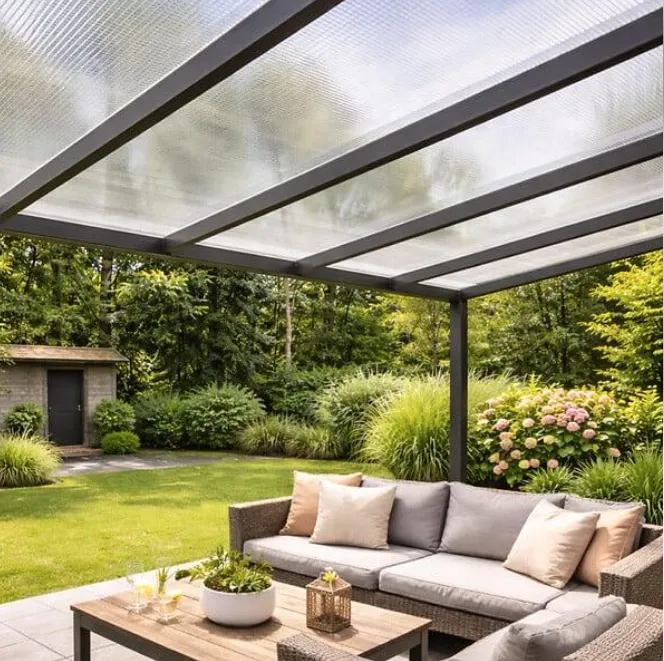
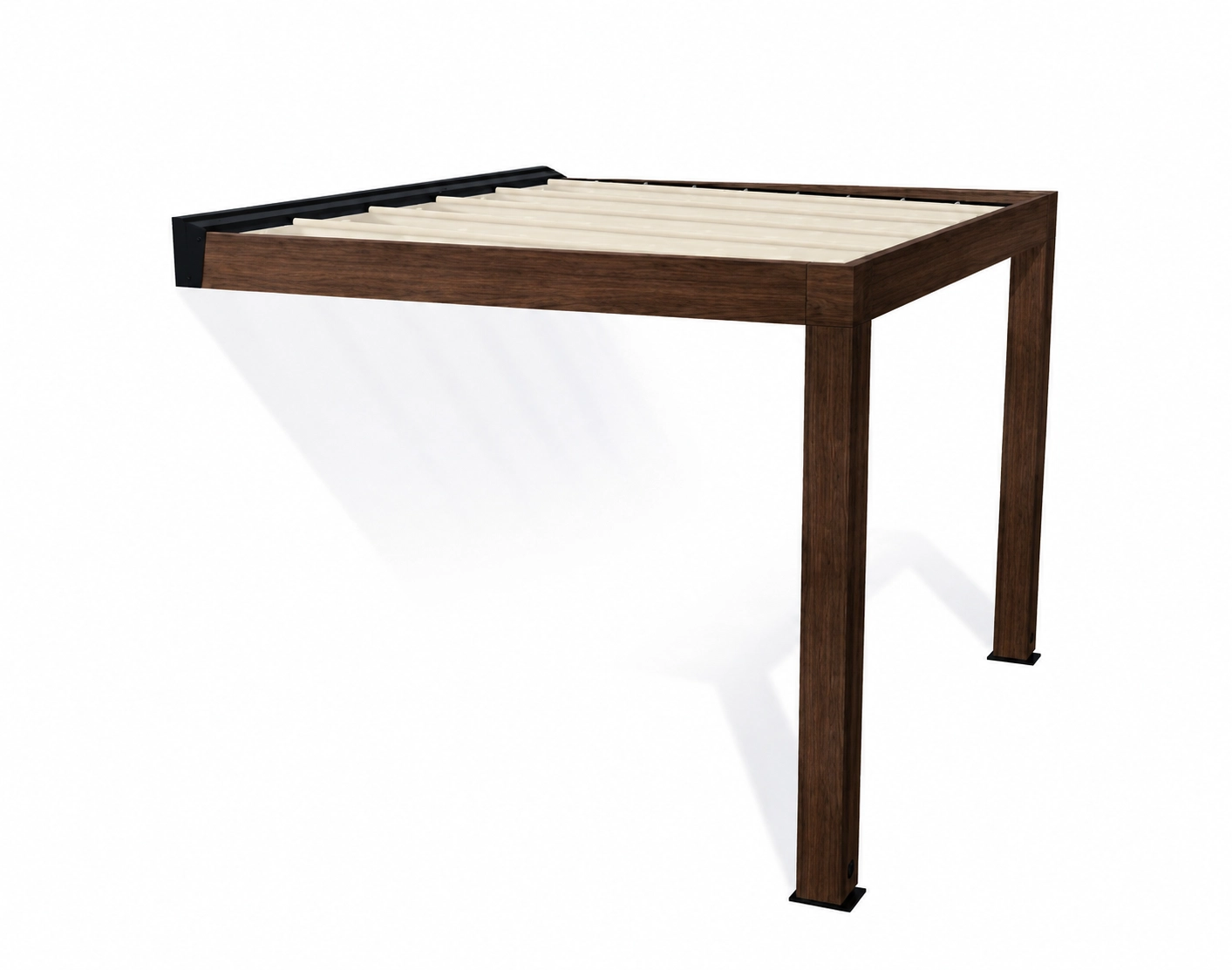
Two of the most popular options are aluminum and wood. Both offer distinct advantages in terms of appearance, durability, cost, and functionality. However, they perform differently when exposed to sunlight, rain, humidity, and changing temperatures.
So, which is better: aluminum or wood patio covers?
For most homeowners who prioritize durability, low maintenance, and long-term performance, aluminum patio covers are generally the more practical choice. They resist rot, insects, and corrosion when properly finished, require relatively little maintenance, and are available in designs that complement modern and traditional homes.
Wood patio covers, on the other hand, are an excellent option for homeowners who prefer natural beauty, traditional architectural details, and the flexibility to customize their outdoor structures.
The best choice ultimately depends on your budget, climate, home design, maintenance preferences, and how you plan to use your outdoor space.
In this guide, we’ll compare aluminum and wood patio covers across seven important factors to help you make an informed decision.
1. Understanding Aluminum and Wood Patio Covers
Before comparing their performance, it’s helpful to understand what each material offers.
What Is an Aluminum Patio Cover?
An aluminum patio cover is an outdoor shading structure made primarily from aluminum components, including support posts, beams, and roof panels.
These structures are available in several configurations, such as:
- Solid aluminum patio covers for maximum overhead shade.
- Insulated aluminum patio covers for improved thermal performance.
- Lattice aluminum covers that allow partial sunlight and airflow.
- Adjustable louvered systems that provide greater control over sunlight and ventilation.
Aluminum patio covers are popular because aluminum is lightweight relative to many structural materials, naturally forms a protective oxide layer, and can be finished with durable coatings.
They also come in a variety of colors and finishes, including wood-grain appearances that provide a natural aesthetic without requiring real wood.
What Is a Wood Patio Cover?
A wood patio cover is an outdoor structure constructed using lumber, typically supported by wooden posts, beams, and rafters.
Common wood options include:
- Cedar
- Redwood
- Pressure-treated pine
- Douglas fir
- Other weather-resistant or appropriately treated lumber
Wood patio covers are valued for their natural texture, warmth, and traditional appearance.
They can be designed as pergolas, solid-roof structures, or partially covered outdoor spaces. Because wood can be cut, shaped, stained, and painted relatively easily, it offers considerable design flexibility.
However, wood is an organic material. Without appropriate protection and maintenance, it can absorb moisture, develop cracks, fade, rot, or attract wood-damaging insects.
2. Aluminum vs. Wood Patio Covers: Side-by-Side Comparison
The following table summarizes the main differences between aluminum and wood patio covers.
| Comparison Factor | Aluminum Patio Covers | Wood Patio Covers |
|---|---|---|
| Durability | High when properly coated and installed | Varies by wood species and maintenance |
| Maintenance | Generally low | Requires regular sealing, staining, or painting |
| Moisture Resistance | Does not rot or absorb water | Vulnerable to moisture damage |
| Insect Resistance | Not vulnerable to termites or wood-boring insects | May attract termites and other pests |
| Appearance | Modern, clean, and available in multiple finishes | Natural, warm, and traditional |
| Customization | Available in multiple styles and configurations | Highly flexible in shape and detailing |
| Weight | Relatively lightweight | Generally heavier |
| Fire Performance | Noncombustible aluminum, although coatings and other components matter | Combustible |
| Long-Term Upkeep | Typically lower | Typically higher |
Quick takeaway: Aluminum is usually better for homeowners seeking low maintenance and reliable weather resistance. Wood is better suited to those who prioritize natural aesthetics and traditional craftsmanship.
Actual performance depends on material quality, structural engineering, protective finishes, installation methods, and local environmental conditions.
3. Durability: Which Patio Cover Lasts Longer?
Durability is one of the most important considerations when investing in a patio cover.
Since patio covers remain outdoors throughout the year, they must withstand prolonged exposure to sunlight, rain, wind, and temperature fluctuations.
Aluminum Patio Covers: Built for Outdoor Exposure
Aluminum offers several advantages in outdoor environments.
Unlike wood, aluminum does not absorb water, swell, or develop wood rot. It is also resistant to termites and other insects that damage wooden structures.
Many aluminum patio covers feature powder-coated or factory-applied finishes that help protect the surface from environmental exposure.
High-quality aluminum systems can provide many years of service with relatively little maintenance.
However, aluminum is not completely maintenance-free or damage-proof. Lower-quality finishes can fade or deteriorate, and aluminum may corrode in certain environments, particularly near saltwater or when exposed to incompatible metals.
Choosing an appropriate coating, alloy, and installation system is therefore essential.
Wood Patio Covers: Strong but More Vulnerable to Weather
Wood can be structurally strong and long-lasting when the correct species and construction methods are used.
For example, cedar and redwood contain natural compounds that improve their resistance to certain forms of decay and insect damage.
Pressure-treated lumber can also provide additional protection against biological deterioration.
Nevertheless, wood remains vulnerable to outdoor conditions.
Rain and humidity can cause moisture absorption, while prolonged UV exposure can break down surface finishes and change the wood’s appearance.
Over time, poorly maintained wood structures may experience:
- Cracking and splitting
- Warping and twisting
- Surface deterioration
- Wood rot
- Termite or insect damage
Regular inspections and protective treatments help reduce these risks.
Winner: Aluminum. For homeowners who want a durable patio cover without extensive ongoing maintenance, aluminum generally offers a more predictable long-term solution.
4. Maintenance Requirements: Which Is Easier to Maintain?
Maintenance is another major difference between aluminum and wood patio covers.
A patio cover should make outdoor living more enjoyable, not create another demanding home maintenance project.
Maintaining an Aluminum Patio Cover
One of the biggest benefits of aluminum is its relatively low maintenance requirements.
In most residential settings, routine care involves:
- Washing the structure periodically with water and mild soap.
- Removing leaves, dirt, and other accumulated debris.
- Checking drainage systems and gutters where applicable.
- Inspecting fasteners, joints, and connections.
- Checking the finish for scratches or localized corrosion.
Unlike wood, aluminum does not require routine staining, painting, or sealing simply to prevent rot.
This makes aluminum particularly attractive to busy homeowners and people who prefer a low-maintenance outdoor living space.
Maintaining a Wood Patio Cover
Wood patio covers require more consistent attention.
Depending on the wood species, climate, and protective finish, homeowners may need to stain, seal, or repaint the structure periodically.
Maintenance typically includes:
- Cleaning dirt and mildew from wooden surfaces.
- Inspecting posts and beams for cracks or deterioration.
- Reapplying water-repellent sealants or protective stains.
- Checking for insect activity.
- Repainting areas where the finish has deteriorated.
- Replacing damaged or rotting components when necessary.
The frequency of these tasks varies depending on exposure and product specifications.
For example, a wood patio cover in a humid, rainy climate may need more frequent attention than one installed in a relatively dry environment.
Winner: Aluminum. If minimizing maintenance time and recurring upkeep is a priority, aluminum is the easier option.
5. Appearance and Design: Which Looks Better?
Although durability and maintenance are important, appearance should not be overlooked.
A patio cover is a visible part of your home’s exterior. The material should complement your existing architecture, landscaping, and outdoor furniture.
The Natural Appeal of Wood Patio Covers
Wood has a distinctive aesthetic that manufactured materials often try to replicate.
Its natural grain patterns, warm colors, and textured surfaces create an inviting atmosphere.
Wood patio covers work particularly well with:
- Traditional and farmhouse-style homes
- Rustic outdoor spaces
- Craftsman-style architecture
- Natural stone and brick exteriors
- Gardens with extensive landscaping
Wood is also relatively easy to customize.
A contractor can create decorative rafters, exposed beams, curved details, and other architectural features that give a patio cover a distinctive appearance.
Homeowners can also change its color through staining or painting.
For people who appreciate natural materials and handcrafted details, wood is difficult to replace aesthetically.
The Versatility of Aluminum Patio Covers
Aluminum patio covers are no longer limited to basic industrial-looking designs.
Modern manufacturing techniques allow aluminum systems to feature clean lines, decorative profiles, multiple colors, and realistic wood-grain finishes.
Popular design options include:
- White or beige finishes for a bright, classic appearance.
- Black or dark gray finishes for contemporary homes.
- Wood-look aluminum for a natural aesthetic with less maintenance.
- Decorative lattice designs for partial shade.
- Insulated roof panels for a more enclosed outdoor living area.
Aluminum can also be coordinated with modern outdoor kitchens, sliding glass doors, and contemporary landscaping.
Winner: It depends on your design preferences.
Wood wins for authentic natural texture and traditional craftsmanship. Aluminum offers more convenience and a wider range of low-maintenance finishes.
6. Cost: Which Patio Cover Is More Affordable?
Cost is often a deciding factor when choosing between aluminum and wood patio covers.
However, comparing materials based only on their initial purchase price can be misleading.
A more useful approach is to consider the total cost of ownership, including installation, maintenance, repairs, and potential replacement.
Initial Installation Costs
The price of an aluminum patio cover depends on several factors:
- Overall dimensions
- Aluminum thickness and quality
- Roof design
- Insulation requirements
- Decorative finishes
- Structural support requirements
- Installation complexity
Basic aluminum patio covers may be relatively economical, while insulated systems and custom louvered designs generally cost more.
Wood patio cover costs also vary significantly.
Pressure-treated pine may offer a more affordable starting point, while premium cedar, redwood, and custom architectural designs can increase material and labor expenses.
Wood structures may also require additional finishing work, including staining, sealing, and painting.
There is no universal rule that aluminum is always cheaper than wood. Local labor rates, material availability, engineering requirements, and project specifications can substantially affect the final price.
Long-Term Maintenance Costs
This is where aluminum often has an advantage.
Because aluminum does not require routine wood preservatives, staining, or sealing, its maintenance expenses are generally lower.
Wood patio covers may require recurring spending on:
- Protective coatings
- Cleaning products
- Paint or stain
- Replacement boards
- Professional maintenance labor
Over a long ownership period, these expenses can become significant.
Total Cost of Ownership
When evaluating your options, consider the following:
| Cost Factor | Aluminum | Wood |
|---|---|---|
| Initial Material Cost | Varies by system | Varies by wood species |
| Installation Cost | Depends on design and labor | Depends on design and labor |
| Routine Maintenance | Generally low | Generally higher |
| Refinishing | Usually limited | Often required |
| Repair Costs | Depends on damage and system | Depends on damage and material |
| Long-Term Value | Strong for low-maintenance ownership | Strong when natural appearance is a priority |
Winner: Aluminum for long-term maintenance savings.
Wood may be competitive in terms of initial material costs, particularly with simpler designs. However, aluminum can offer better value over time because it generally requires less recurring maintenance.
For an accurate comparison, request itemized quotes for both materials using the same dimensions, roof configuration, structural specifications, and installation scope.
7. Weather Resistance: Which Material Performs Better in Different Climates?
Your local climate should play a major role in your patio cover decision.
Different materials respond differently to moisture, heat, sunlight, and wind.
Hot and Sunny Climates
In areas with intense sunlight, a patio cover must provide effective shade while remaining comfortable beneath the roof.
Both aluminum and wood can provide overhead protection.
However, aluminum roof panels can become hot under direct sunlight. Insulated aluminum patio covers can help reduce heat transfer and improve comfort compared with basic uninsulated panels.
Wood also absorbs and releases heat differently depending on its density, thickness, and construction.
For either material, roof design, ventilation, orientation, and shade coverage are important factors.
Rainy and Humid Climates
Aluminum generally has an advantage in wet environments.
It does not absorb water or rot, although protective coatings and corrosion-resistant components are still important.
Wood requires more careful maintenance in humid conditions because persistent moisture can encourage fungal growth and decay.
Proper drainage, ventilation, and protective finishes are essential for wooden structures.
Coastal Environments
Coastal locations expose patio covers to salt-laden air, which can accelerate corrosion.
Aluminum may still be a suitable option, but homeowners should choose products specifically designed for coastal conditions.
Important considerations include:
- Appropriate aluminum alloy and coating systems.
- Corrosion-resistant fasteners.
- Compatible metal components.
- Proper cleaning and inspection.
Wood can also be used in coastal environments, but moisture exposure and salt deposits may increase maintenance requirements.
Areas With Strong Winds or Heavy Snow
Neither aluminum nor wood is automatically the stronger choice in every weather condition.
Structural performance depends on engineering, material dimensions, connection details, anchoring, and local building requirements.
In areas with high wind loads or heavy snow, the patio cover should be designed for the applicable local design loads.
A professional installer or structural engineer can determine the appropriate specifications.
Winner: Aluminum for moisture resistance and reduced weather-related maintenance. However, both materials require proper structural design for local weather conditions.
8. Environmental Impact: Is Aluminum or Wood More Sustainable?
Environmental impact is another factor worth considering.
Wood is a renewable material when sourced from responsibly managed forests. It can also store biogenic carbon during its service life.
However, its overall environmental impact depends on harvesting practices, processing, transportation, protective treatments, and replacement frequency.
Aluminum production is energy-intensive, particularly when primary aluminum is manufactured from raw materials.
On the other hand, aluminum is highly recyclable, and recycled aluminum generally requires substantially less energy to produce than primary aluminum.
Its long service life and recyclability can contribute to a more resource-efficient product lifecycle.
When comparing sustainability, consider:
- Recycled aluminum content.
- Responsible forestry certifications for wood.
- Manufacturing and transportation impacts.
- Protective coatings and chemical treatments.
- Expected service life.
- Repairability and end-of-life recyclability.
There is no single sustainability winner for every project. The best choice depends on material sourcing, manufacturing processes, maintenance requirements, and end-of-life disposal or recycling.
9. Which Patio Cover Is Right for Your Home?
After comparing aluminum and wood across the major factors, the right choice becomes easier when you consider your personal priorities.
Choose an Aluminum Patio Cover If:
Aluminum is likely the better option if you:
- Want a low-maintenance outdoor structure.
- Prefer strong resistance to moisture and insects.
- Live in a rainy or humid region.
- Want a clean, modern appearance.
- Prefer predictable long-term upkeep.
- Need a variety of roof configurations.
- Want a material that can be recycled.
Aluminum is particularly suitable for homeowners who want to enjoy their patio without spending significant time maintaining the structure.
Choose a Wood Patio Cover If:
Wood may be the better choice if you:
- Love natural wood grain and texture.
- Prefer traditional or rustic architecture.
- Want highly customized decorative details.
- Are comfortable with periodic maintenance.
- Have a suitable budget for quality lumber and professional installation.
- Want an outdoor structure that complements existing wooden architectural features.
Wood is an excellent choice when visual character and design flexibility matter more than minimizing maintenance.
10. What Should You Consider Before Installing a Patio Cover?
Regardless of which material you choose, several practical considerations can influence the success of your project.
1. Check Local Building Codes and Permits
Some patio covers require building permits or approval from local authorities.
Requirements may depend on the structure’s size, height, attachment to the house, location, and proximity to property boundaries.
Check local regulations before starting construction.
2. Consider Roof Design and Drainage
A solid patio roof provides more comprehensive shade and rain protection than an open lattice design.
However, drainage must be properly planned to prevent water accumulation and runoff problems.
3. Evaluate Structural Requirements
The patio cover must be appropriately supported and anchored.
Consider wind loads, snow loads, foundation conditions, and connections to the existing house.
4. Match the Cover to Your Home’s Architecture
Choose a color, profile, and roof configuration that complements your home’s exterior.
A well-designed patio cover should look like an integrated part of the property rather than an unrelated addition.
5. Compare Complete Installation Quotes
When requesting contractor estimates, compare more than the material price.
Ask for details about:
- Material specifications.
- Structural design.
- Installation labor.
- Fasteners and hardware.
- Roof panels and drainage.
- Warranties.
- Maintenance recommendations.
Comparing complete project specifications will help you avoid choosing a product based on price alone.
Conclusion: Aluminum vs. Wood Patio Covers — Which Is Better?
When comparing aluminum vs. wood patio covers, there is no single answer that suits every homeowner.
Both materials can create attractive, functional outdoor spaces, but they serve different priorities.
Aluminum patio covers are generally the better choice for durability, low maintenance, moisture resistance, and long-term convenience. They are particularly appealing to homeowners who want a reliable outdoor structure without regular staining, sealing, or painting.
Wood patio covers are the better choice for homeowners who value natural beauty, traditional craftsmanship, and extensive customization. They offer a distinctive appearance but require more consistent maintenance to preserve their condition.
Ultimately, the best patio cover is one that balances your home’s architectural style, local climate, budget, and long-term maintenance expectations.
Before making a decision, compare product specifications, review installation requirements, and consult an experienced contractor. With the right material and professional installation, your patio cover can become a valuable and enjoyable extension of your home for years to come.
Frequently Asked Questions (FAQs)
1. Are aluminum patio covers better than wood patio covers?
For most homeowners prioritizing low maintenance and weather resistance, aluminum patio covers are generally better. They do not rot, warp from moisture absorption, or attract termites. Wood patio covers are preferable for people who value natural aesthetics and traditional designs.
2. How long do aluminum patio covers last?
The lifespan of an aluminum patio cover depends on its material quality, protective finish, installation, and environmental exposure. A properly manufactured and installed system can provide many years of service. Regular cleaning and periodic inspections help maintain its condition.
3. Do wood patio covers require a lot of maintenance?
Yes. Wood patio covers generally require more maintenance than aluminum structures. Depending on the wood species and local climate, homeowners may need to clean, stain, seal, or repaint the structure periodically to protect it from moisture, UV exposure, and deterioration.
4. Are aluminum patio covers more expensive than wood?
Not necessarily. The initial cost depends on the design, material quality, size, and installation requirements. However, aluminum patio covers often have lower long-term maintenance costs because they do not require routine staining, sealing, or painting.
5. Do aluminum patio covers get too hot in summer?
Aluminum surfaces can become hot when exposed to direct sunlight. However, insulated aluminum patio covers can reduce heat transfer and improve comfort underneath the roof. Roof color, ventilation, orientation, and shade design also affect the temperature of the covered area.
6. Can aluminum patio covers look like real wood?
Yes. Many manufacturers offer wood-grain finishes that replicate the appearance of natural wood. These finishes provide a wood-inspired aesthetic while retaining many of the maintenance advantages of aluminum.
7. Which patio cover is better for rainy climates?
Aluminum is generally a better option for rainy climates because it does not absorb water or develop wood rot. Wood can also perform well when properly selected, sealed, maintained, and installed with adequate drainage and ventilation.
8. Are aluminum patio covers environmentally friendly?
Aluminum is highly recyclable, and recycled aluminum requires significantly less energy to produce than primary aluminum. However, primary aluminum production is energy-intensive. Its environmental performance depends on recycled content, manufacturing methods, product lifespan, and end-of-life recycling.
9. Can I install an aluminum or wood patio cover myself?
Some smaller patio cover kits are designed for DIY installation. However, larger structures and attached patio covers may require professional installation, structural engineering, permits, and compliance with local building regulations. Always follow the manufacturer’s installation instructions and applicable building codes.
10. Does an aluminum patio cover increase home value?
A well-designed patio cover can improve outdoor usability and appeal to potential buyers. However, its impact on resale value depends on local market preferences, construction quality, architectural integration, and buyer demand. No specific increase in property value is guaranteed.
Final Recommendation: If your priority is a durable, low-maintenance patio cover that performs well in various outdoor conditions, aluminum is generally the more practical investment. If you prefer the warmth and natural character of real wood and are willing to maintain it, a wood patio cover may be the right choice.
Related Patio Cover Guides
- How Much Does a Patio Cover Cost? A Complete Pricing Guide
- Modern Patio Cover Designs: 10 Stylish Ideas for Contemporary Homes
- Top 10 Patio Cover Ideas to Transform Your Outdoor Living Space
Explore the Patio Covers knowledge library or compare our patio cover products.