How Much Does a Patio Cover Cost?
A patio cover is an excellent way to make your outdoor living space more comfortable, functional, and attractive. Whether you want protection from direct sunlight, shelter from rain, or a shaded area for entertaining guests, installing a patio cover can significantly improve your backyard.
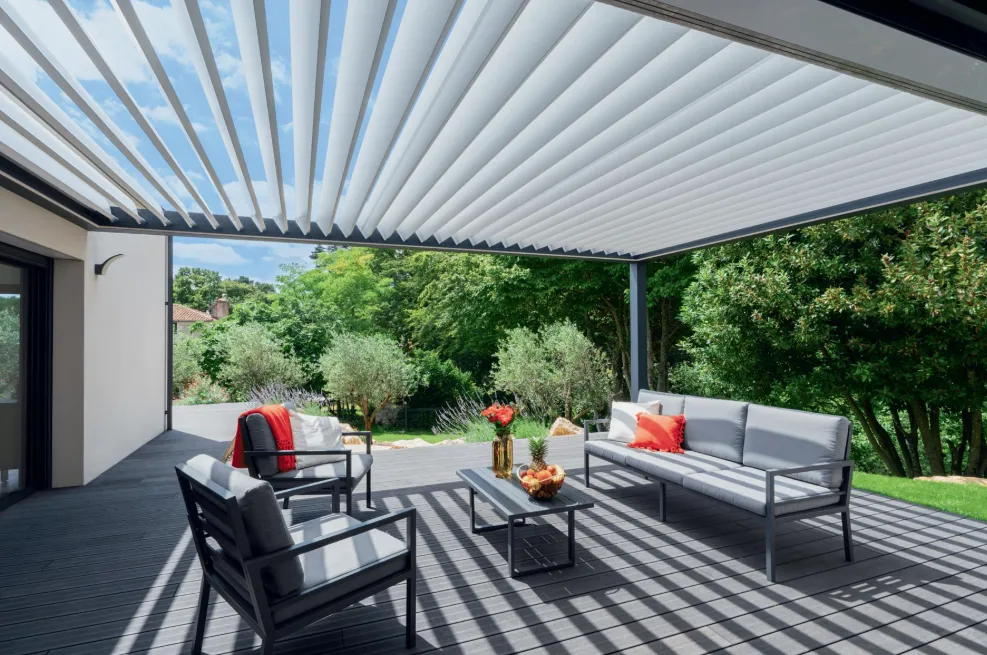
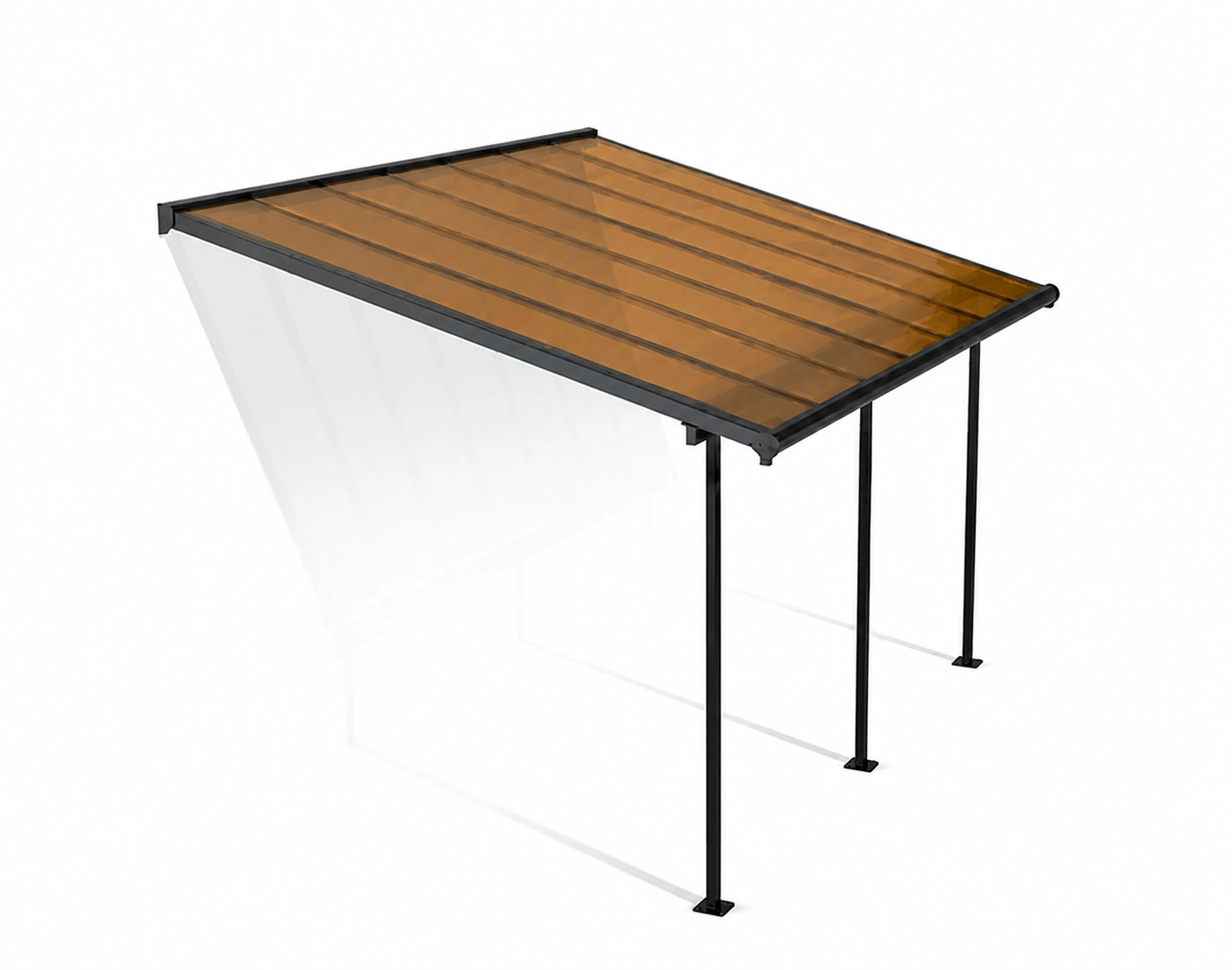
But how much does a patio cover cost?
In 2026, homeowners in the United States can generally expect to pay $20 to $60 per square foot for a standard professionally installed patio cover, with more elaborate structures and custom designs potentially costing significantly more. For a typical 10-by-20-foot patio (200 square feet), the estimated installation cost ranges from $4,000 to $12,000.
However, the final price depends on several factors, including the patio cover material, dimensions, roof design, labor costs, structural requirements, and additional features.
This complete patio cover pricing guide explains average installation costs, compares popular materials, breaks down the factors affecting your budget, and provides practical tips for getting the best value.
Average Patio Cover Cost in 2026
The average patio cover installation cost depends primarily on the size and type of structure.
A basic aluminum cover is generally more affordable than a custom wooden roof or insulated patio enclosure. Similarly, a simple pergola may cost considerably less than a permanent roof designed to provide complete weather protection.
Here is an overview of typical installed costs:
| Patio Cover Type | Average Cost per Sq. Ft. | Estimated Cost for 200 Sq. Ft. |
|---|---|---|
| Aluminum patio cover | $20–$50 | $4,000–$10,000 |
| Wood patio cover | $60–$120 | $12,000–$24,000 |
| Vinyl patio cover | $25–$80 | $5,000–$16,000 |
| Insulated aluminum cover | $30–$60 | $6,000–$12,000 |
| Fiberglass patio cover | $30–$65 | $6,000–$13,000 |
| Glass patio cover | $20–$50 | $4,000–$10,000 |
| Steel patio cover | $15–$30 | $3,000–$6,000 |
| Stucco patio cover | $40–$100 | $8,000–$20,000 |
Note: These are indicative US market estimates, not guaranteed contractor quotes. Actual prices vary by location, structural requirements, product specifications, and project complexity. The figures generally assume installation over an existing patio base.
For a straightforward project, aluminum is often one of the most cost-effective permanent options. Homeowners looking for a premium architectural appearance may prefer wood, stucco, or custom insulated roofing.
It is also important to distinguish between a patio cover and a complete covered patio. A patio cover involves adding a roof or shade structure over an existing outdoor area. Building a new covered patio with foundations, paving, drainage, and additional construction can increase the total project cost substantially.
Patio Cover Cost by Size
The size of your patio is one of the biggest factors affecting the total installation price.
Larger covers require more roofing panels, support beams, posts, fasteners, and labor. However, the price per square foot may decrease slightly for larger projects because some installation expenses are shared across the structure.
The following table illustrates estimated costs for standard aluminum patio covers at $20–$50 per square foot.
| Patio Dimensions | Total Area | Estimated Installed Cost |
|---|---|---|
| 10 × 10 ft | 100 sq. ft. | $2,000–$5,000 |
| 10 × 15 ft | 150 sq. ft. | $3,000–$7,500 |
| 10 × 20 ft | 200 sq. ft. | $4,000–$10,000 |
| 12 × 20 ft | 240 sq. ft. | $4,800–$12,000 |
| 16 × 20 ft | 320 sq. ft. | $6,400–$16,000 |
| 20 × 20 ft | 400 sq. ft. | $8,000–$20,000 |
These figures provide a useful starting point for budgeting.
For example, a 10-by-20-foot patio cover may be suitable for a small outdoor dining area, while a 20-by-20-foot structure can accommodate larger seating arrangements, outdoor furniture, and entertainment spaces.
Before choosing dimensions, consider how you intend to use the patio. A cover that is too small may leave furniture exposed to sunlight and rain, while an unnecessarily large structure can increase construction costs.
Patio Cover Cost by Material
Material selection affects more than the initial purchase price. It also determines durability, maintenance requirements, appearance, insulation performance, and long-term value.
Here are the most popular patio cover materials and their advantages and disadvantages.
1. Aluminum Patio Cover Cost
Average cost: $20–$50 per square foot installed
Aluminum is one of the most popular choices for residential patio covers because it offers a practical balance between affordability, durability, and low maintenance.
Aluminum patio covers are lightweight, resistant to termites, and generally do not rot or warp like untreated wood. They are also available in different colors, finishes, and styles, including designs that imitate natural wood.
Advantages:
– Relatively affordable installation.
– Low maintenance requirements.
– Resistant to rust when properly coated.
– Lightweight and durable construction.
– Available in solid-roof and lattice designs.
Disadvantages:
– Can dent during severe hailstorms.
– Standard panels may offer limited insulation.
– Some designs have a less natural appearance than wood.
Aluminum is particularly suitable for homeowners who want a permanent shade solution without committing to extensive maintenance.
2. Wood Patio Cover Cost
Average cost: $60–$120 per square foot installed for solid wood roofing
Wood patio covers are popular for their natural appearance and architectural versatility.
They can complement traditional, rustic, farmhouse, and contemporary homes. Common choices include cedar, redwood, and pressure-treated lumber.
A wood patio cover can be constructed as an open pergola, a partially covered structure, or a solid roof with shingles.
Advantages:
– Natural and attractive appearance.
– Flexible design and customization options.
– Can complement existing home architecture.
– Suitable for decorative pergolas and permanent roofs.
Disadvantages:
– Higher installation costs for solid structures.
– Requires periodic staining, sealing, or painting.
– Vulnerable to moisture, insects, and rot without proper treatment.
– May require more maintenance over time.
Wood is a good option if appearance and customization are priorities. However, homeowners should account for ongoing maintenance when comparing its lifetime cost with aluminum or vinyl.
3. Vinyl Patio Cover Cost
Average cost: $25–$80 per square foot installed
Vinyl patio covers are another low-maintenance option. They are available in several colors and finishes and can provide a clean, consistent appearance.
Unlike traditional wood, vinyl does not require regular painting or staining. It is also resistant to moisture-related deterioration.
Advantages:
– Low maintenance.
– Resistant to rot and moisture.
– Available in multiple colors.
– Does not require regular repainting.
Disadvantages:
– Quality and weather resistance vary by product.
– Can become brittle or discolored over time.
– May not withstand severe weather as well as reinforced alternatives.
Vinyl can be a suitable option for homeowners seeking an attractive, relatively low-maintenance patio cover.
4. Insulated Aluminum Patio Cover Cost
Average cost: $30–$60 per square foot installed
An insulated aluminum patio cover uses roofing panels with an insulating core, commonly foam, between protective exterior layers.
Unlike standard aluminum panels, insulated designs help reduce heat transfer and can make the shaded area more comfortable during hot weather.
Advantages:
– Better thermal performance than standard aluminum panels.
– Helps reduce direct heat exposure.
– Clean and modern appearance.
– Low maintenance.
– Available in different thicknesses and finishes.
Disadvantages:
– Higher upfront cost.
– May require additional structural support depending on the design.
– Insulation performance varies by panel specifications.
For homeowners planning to use their patio regularly, an insulated roof can be a worthwhile long-term investment.
5. Glass and Fiberglass Patio Covers
Average cost:
– Glass: $20–$50 per square foot installed.
– Fiberglass: $30–$65 per square foot installed.
Glass patio covers provide a bright, open appearance while offering protection from direct exposure to the elements.
Fiberglass roofing is another alternative that can allow natural light into the patio while providing a more lightweight roofing solution.
These materials are particularly useful when homeowners want to preserve natural daylight rather than create a completely shaded environment.
However, the correct glazing, UV protection, frame strength, and installation method are important considerations.
What Factors Affect Patio Cover Installation Cost?
Material and size are important, but they are not the only factors determining your final quote.
Several project-specific details can increase or decrease the overall patio cover installation cost.
1. Attached vs. Freestanding Design
An attached patio cover connects directly to your home, while a freestanding structure is supported independently by posts and beams.
An attached design may require additional work around the roofline, wall connections, flashing, and drainage.
A freestanding design may require additional support posts and concrete footings.
Neither option is automatically cheaper. The final cost depends on your property’s layout, existing structure, and engineering requirements.
2. Roof Style and Complexity
The roof design also affects pricing.
Common options include:
- Flat or low-slope roofs: Simple appearance and relatively straightforward construction.
- Gable roofs: A pitched design that offers a more traditional architectural appearance.
- Lattice roofs: Open structures that provide partial shade and airflow.
- Solid roofs: Provide more complete protection from sunlight and rain.
- Louvered roofs: Feature adjustable slats that allow homeowners to control sunlight and ventilation.
Custom roof shapes, complex drainage systems, and matching existing roofing materials can increase labor and material expenses.
3. Labor and Installation Requirements
Professional installation includes more than assembling the roofing panels.
Depending on the design, contractors may need to:
- Prepare the installation area.
- Install support posts and structural beams.
- Construct concrete footings.
- Attach the roof structure to the house.
- Install flashing and waterproofing.
- Fit gutters and drainage components.
- Complete final inspections.
Difficult access, uneven ground, complex roof connections, and specialized structural work can increase labor expenses.
4. Permits and Building Codes
Some patio covers require building permits, structural drawings, or inspections.
Requirements vary by city, county, and state. Factors such as structure size, height, attachment to the house, wind exposure, and snow loads may influence approval requirements.
Before construction begins, check with your local building department or ask your contractor to confirm which permits are necessary.
Skipping required approvals can create problems when selling your property or dealing with insurance claims.
5. Location and Climate
Labor and material costs vary significantly across the United States.
Projects in areas with higher labor rates or stricter building requirements may cost more than similar installations elsewhere.
Climate also matters.
For example:
– High-wind locations may require stronger posts and deeper footings.
– Snow-prone regions may require roofs designed for higher snow loads.
– Hot climates may benefit from insulated roofing and UV-resistant finishes.
– Coastal environments may require corrosion-resistant hardware and finishes.
Choosing materials based on local weather conditions can help reduce future repair and replacement costs.
Additional Costs to Consider
A basic installation estimate may not include every feature you want.
Before approving a contractor’s proposal, ask whether the following items are included.
| Additional Feature | Estimated Cost |
|---|---|
| Concrete footings and posts | $300–$900 each |
| Gutter installation | $8–$20 per linear foot |
| Outdoor lighting | $300–$1,500 |
| Ceiling fan installation | $300–$900 |
| Patio screening | $10–$25 per sq. ft. |
| Permit and inspection fees | $150–$800 |
| Existing patio removal | $3–$8 per sq. ft. |
These are broad budgeting allowances rather than fixed prices. Electrical work, structural modifications, and local permit fees should be confirmed through project-specific estimates.
If you are planning to install outdoor lighting, ceiling fans, or other electrical features, discuss wiring requirements before the structure is built. Retrofitting electrical components later may cost more.
DIY vs. Professional Patio Cover Installation
One way to reduce patio cover costs is to install the structure yourself.
DIY installation can be suitable for relatively simple projects, such as prefabricated pergola kits, shade sails, or basic freestanding structures.
However, permanent patio roofs require careful attention to structural stability, anchoring, drainage, and weather resistance.
DIY installation may be suitable when:
– You are installing a small prefabricated kit.
– The structure is relatively simple.
– You have the necessary tools and construction experience.
– The installation does not require complex structural modifications.
Professional installation is recommended when:
– The patio cover attaches to your home.
– The roof is large or heavy.
– Concrete footings or structural engineering are required.
– Your area experiences strong winds or heavy snowfall.
– Electrical systems or complex drainage features are involved.
Although professional installation increases upfront expenses, it can help reduce the risk of structural problems, water leaks, and costly repairs.
Always check manufacturer warranty conditions and local building regulations before attempting a DIY installation.
How to Save Money on a Patio Cover
Installing a patio cover does not necessarily require an expensive custom design.
Here are five practical ways to manage your budget without compromising essential quality.
1. Choose a Standard Size
Standard dimensions can reduce material waste and simplify installation.
A custom-shaped roof may require additional cutting, framing, and labor.
2. Compare Different Materials
Do not choose a material based on purchase price alone.
Compare installation costs, expected maintenance, durability, and warranty coverage.
For example, a slightly more expensive aluminum cover may offer better long-term value than a lower-priced material requiring frequent maintenance.
3. Keep the Design Simple
Decorative columns, custom rooflines, premium finishes, and complex drainage systems can increase costs.
If your primary goal is shade and weather protection, a straightforward design may be sufficient.
4. Get Multiple Contractor Quotes
Request at least three detailed estimates from qualified local contractors.
Compare:
– Material specifications.
– Total covered area.
– Structural design.
– Labor charges.
– Permit responsibilities.
– Warranty terms.
– Project completion timelines.
A lower quote is not necessarily the best choice if it excludes important structural or waterproofing work.
5. Plan Additional Features Early
If you want lighting, fans, screens, or gutters, include them in the initial design.
Planning these features before construction can reduce the need for expensive modifications later.
Is a Patio Cover Worth the Investment?
For many homeowners, a patio cover is a worthwhile investment because it improves the usability of outdoor living space.
A well-designed cover can:
- Provide shade during hot weather.
- Protect outdoor furniture from direct sunlight and rain.
- Create a more comfortable entertaining area.
- Improve the appearance of your backyard.
- Extend the practical use of your outdoor space.
However, a patio cover should not automatically be considered a guaranteed home-value improvement.
Its potential impact on resale value depends on local buyer preferences, construction quality, design compatibility, and overall property condition.
The best approach is to choose a structure that meets your household’s needs while remaining appropriate for your home’s architecture and local climate.
How to Get an Accurate Patio Cover Estimate
Online pricing guides are useful for initial budgeting, but they cannot account for every property’s conditions.
To receive an accurate quote, prepare the following information before contacting contractors:
- Patio dimensions: Measure the length and width of the area you want to cover.
- Preferred material: Decide whether you prefer aluminum, wood, vinyl, or insulated panels.
- Roof design: Identify whether you want a pergola, solid roof, or adjustable louvered structure.
- Installation type: Determine whether the cover should attach to your house or stand independently.
- Additional features: List any lighting, fans, gutters, or screens you want.
- Budget: Establish a realistic spending range.
Ask contractors to provide itemized estimates rather than a single total price.
A detailed proposal makes it easier to compare different options and identify potential hidden costs.
Frequently Asked Questions About Patio Cover Costs
1. How much does a patio cover cost on average?
A standard patio cover generally costs $20–$60 per square foot installed in the United States. A 200-square-foot cover may cost approximately $4,000–$12,000, depending on materials, design, and labor.
2. How much does it cost to cover a 10×20 patio?
A 10-by-20-foot patio has 200 square feet of coverage. A standard aluminum cover may cost approximately $4,000–$10,000 installed. Insulated panels, wood construction, and custom designs can increase the total.
3. What is the cheapest type of patio cover?
Basic steel structures, simple lattice pergolas, and fabric shade solutions are among the more affordable options. However, their durability and level of weather protection vary. For a permanent low-maintenance roof, standard aluminum is often a practical budget-friendly choice.
4. Is an aluminum patio cover better than a wood patio cover?
Aluminum is generally easier to maintain and resistant to rot and termites. Wood offers greater natural character and design flexibility but requires periodic maintenance. The better choice depends on your budget, preferred appearance, and maintenance expectations.
5. Does a patio cover increase home value?
A professionally installed patio cover may improve curb appeal and outdoor functionality, potentially making a property more attractive to buyers. However, the actual impact on resale value varies by market and should not be treated as guaranteed financial return.
6. Do I need a permit to install a patio cover?
Possibly. Permit requirements depend on your local building codes, structure size, height, design, and whether the cover is attached to your house. Contact your local building department before beginning construction.
7. How long does it take to install a patio cover?
A straightforward prefabricated installation may take one to several days. Custom structures can take longer because of site preparation, foundation work, engineering, permitting, and inspections.
8. Is an insulated patio cover worth the extra cost?
An insulated patio cover can be worthwhile if you regularly use your outdoor space in hot weather. Its insulated panels help reduce heat transfer compared with standard roofing. Whether the additional expense is justified depends on your climate and usage patterns.
Final Thoughts: Choosing the Right Patio Cover for Your Budget
So, how much does a patio cover cost?
For most standard installations, homeowners should budget approximately $20–$60 per square foot, although premium wood structures, custom roofing systems, and additional construction can push prices higher.
Aluminum is a strong choice for affordability and low maintenance, wood offers a natural architectural appearance, and insulated aluminum panels provide improved thermal comfort.
The right patio cover is not necessarily the cheapest or most expensive option. It is the one that balances your budget, outdoor lifestyle, design preferences, and local weather conditions.
Before making a decision, compare multiple professional estimates, confirm permit requirements, and evaluate the long-term maintenance costs of each material.
With careful planning, you can create a comfortable and attractive outdoor living space without exceeding your renovation budget.
Related Patio Cover Guides
- Modern Patio Cover Designs: 10 Stylish Ideas for Contemporary Homes
- Are Aluminum Patio Covers Worth It? Benefits, Durability, and Maintenance
- Aluminum vs. Wood Patio Covers: Which Is Better for Your Home?
Explore the Patio Covers knowledge library or compare our patio cover products.