
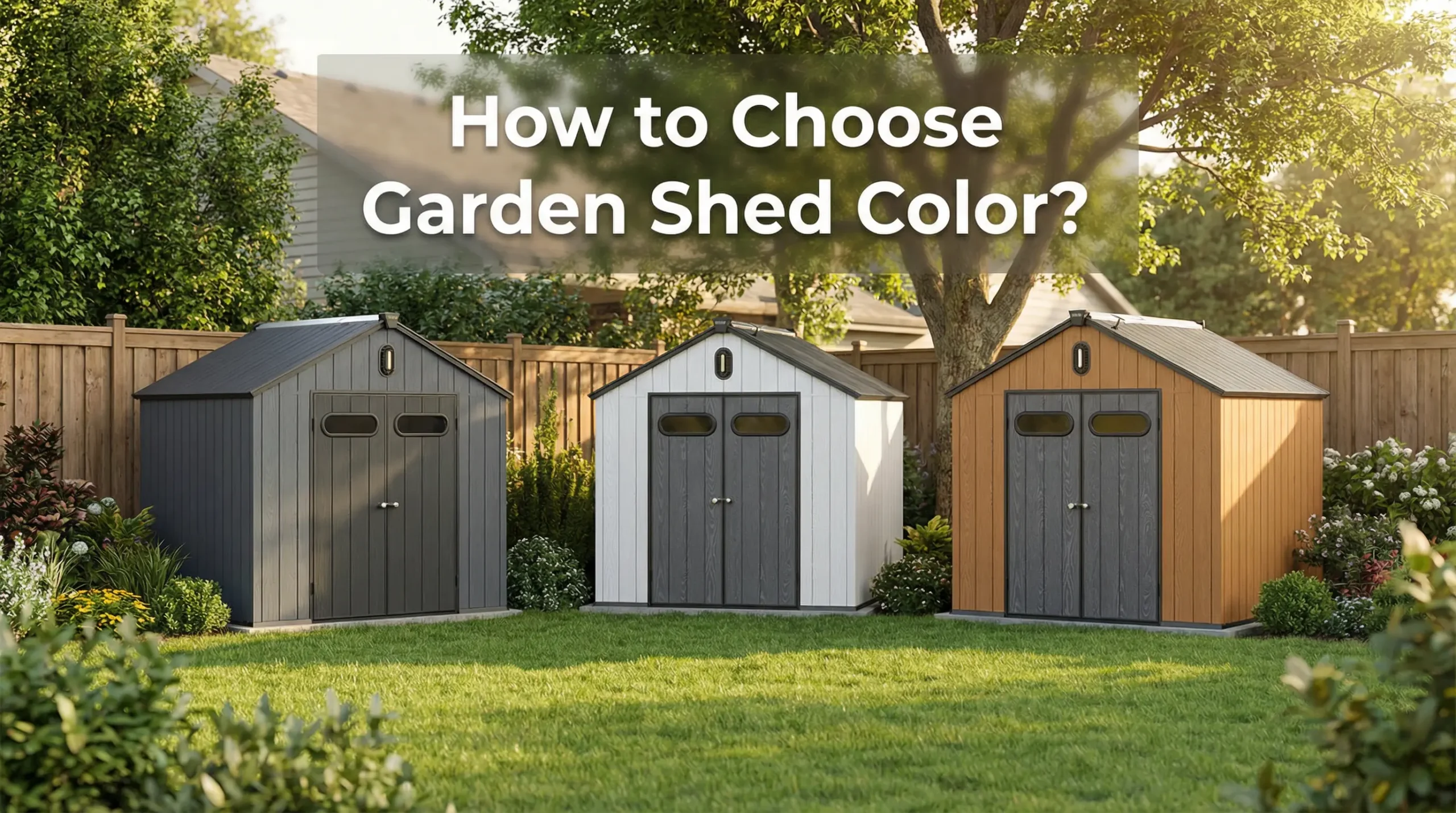
How to Choose Garden Shed Color?
Garden shed is a practical addition to any backyard, serving as storage space, a…
Read MoreTo protect a plastic shed from strong winds, start with the correct anchors and a stable, level base. Then keep doors securely latched, inspect panels and fasteners, and clear loose objects around the shed before a storm. The shed’s published wind rating, if provided, applies only under the manufacturer’s stated installation conditions. No small shed is guaranteed to withstand every storm, so check local requirements and follow the instructions for your exact model.
Wind pushes on walls and doors and can lift at roof edges. If the shed is not anchored properly, the whole structure may move; if a door or panel is loose, wind may pull it out of alignment. An uneven base can also distort the frame and make connections less secure. Plastic and resin sheds differ in frame design, panel thickness and fastening systems, so their performance cannot be judged by material alone.
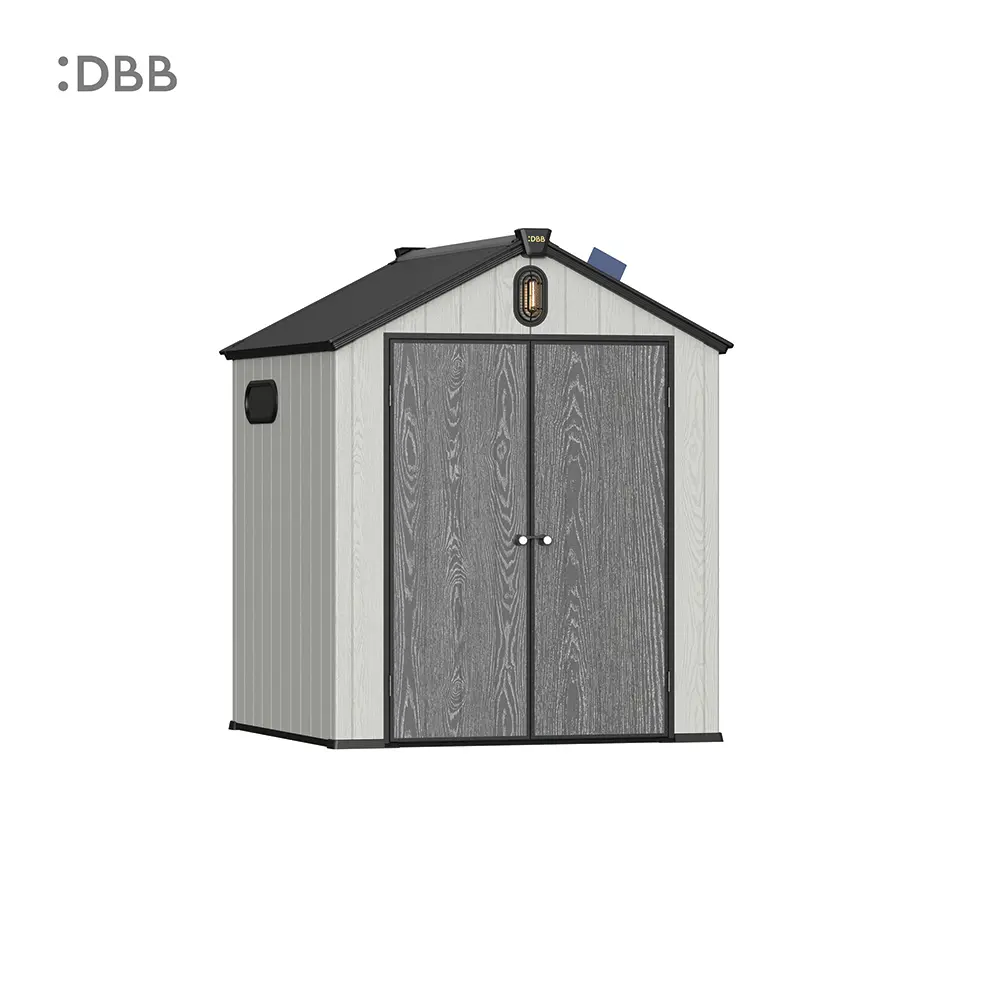
Before installation, consider exposure to prevailing winds, drainage and the risk of falling branches. A nearby fence or wall may provide some shelter, but it can also create turbulence, and the shed still needs its specified anchors. Avoid placing the shed where runoff collects or where a tree could strike it. Observe the clearances and local setback rules that apply to your site.
The base must suit the shed’s size, weight, floor design and local ground conditions. A concrete slab, properly constructed paver base or approved platform may be appropriate, depending on the kit. Check that the base is level and square before assembly; a twisted frame can prevent panels and doors from locking together correctly. See our guide on plastic shed foundations for the main options.
Follow the manufacturer’s anchor locations, hardware and base requirements. Anchors for concrete, a framed platform and ground installations are not interchangeable. If the instructions do not cover your site or local wind conditions, ask the manufacturer or a qualified installer what is suitable. Do not assume that stored tools, shelves or bags of soil will hold the shed down; extra weight does not replace a proper connection to the base.
Confirm that each wall and roof panel is fully engaged and that all required screws, clips and brackets are in place. Tighten loose fittings according to the instructions, without overtightening plastic components. Check hinges and latches, and keep doors closed and secured when the shed is unattended. A door left open can catch the wind and stress the frame.
Move lightweight furniture, bins, tools and other loose items that could strike the shed. Trim overhanging branches when it is safe to do so, well before severe weather arrives. Leave manufacturer-designed ventilation and drainage openings unobstructed. Sealing every gap or adding unapproved braces may trap moisture or interfere with how the shed is designed to flex and drain.
If severe winds are forecast beyond the shed’s stated rating, follow the manufacturer’s instructions and local safety advice. Do not remain inside the shed during a storm.
Wait until conditions are safe, then inspect from outside for movement, lifted roof edges, cracked panels, loose anchors and door misalignment. Check for water inside and around the base. Photograph damage before repairs if you may need to contact the seller or insurer. Replace damaged parts with components approved for the shed; avoid drilling extra holes or adding improvised braces without checking the manufacturer’s guidance. If the structure has shifted or is unstable, keep people away until it can be assessed and secured.
Many plastic sheds do, including models with built-in floors. Check the assembly manual for the required anchor type and placement. The correct choice depends on the base and local conditions.
No. Weight may add load to the floor without securing the structure to its base. Use the anchoring method specified for the shed instead.
No. Some gaps provide ventilation or drainage. Seal only the locations recommended by the manufacturer, and repair damaged panels or weather seals with suitable parts.
Inspect it periodically and after severe weather. Pay particular attention to anchors, roof joints, door hardware and signs that the base has shifted. Our plastic shed building guide covers installation checks in more detail.
The most useful protection is planned before the storm: choose a suitable shed for your location, prepare its base correctly, anchor it as specified and keep the structure maintained. These steps reduce avoidable damage, although they cannot eliminate the risk from extreme weather.
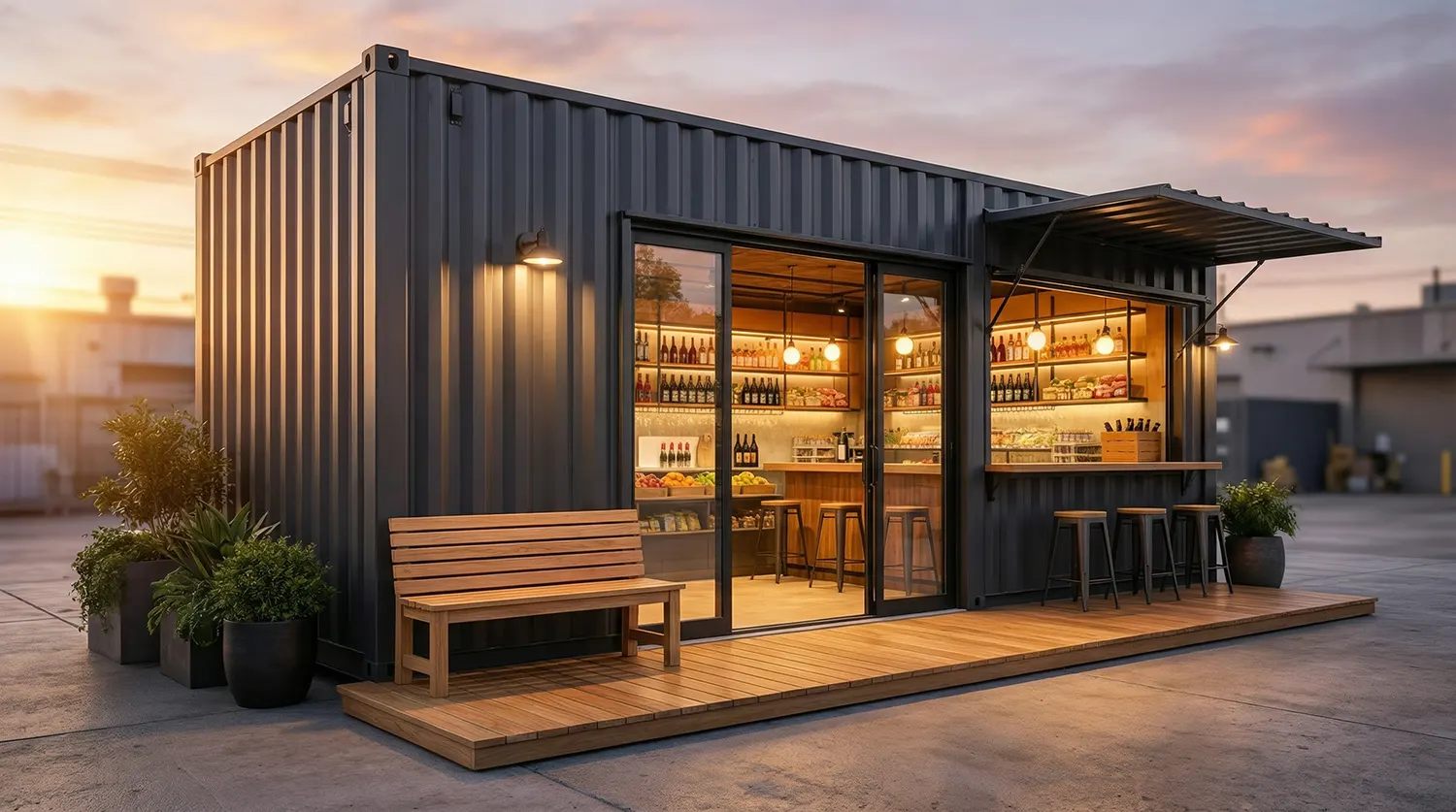
Plan and build a backyard bar shed with practical guidance on materials, layout, foundation, assembly, utilities and finishing touches.

Compare aluminum and steel carports by weight, corrosion resistance, design and installation requirements, then learn what to check before choosing a model.