
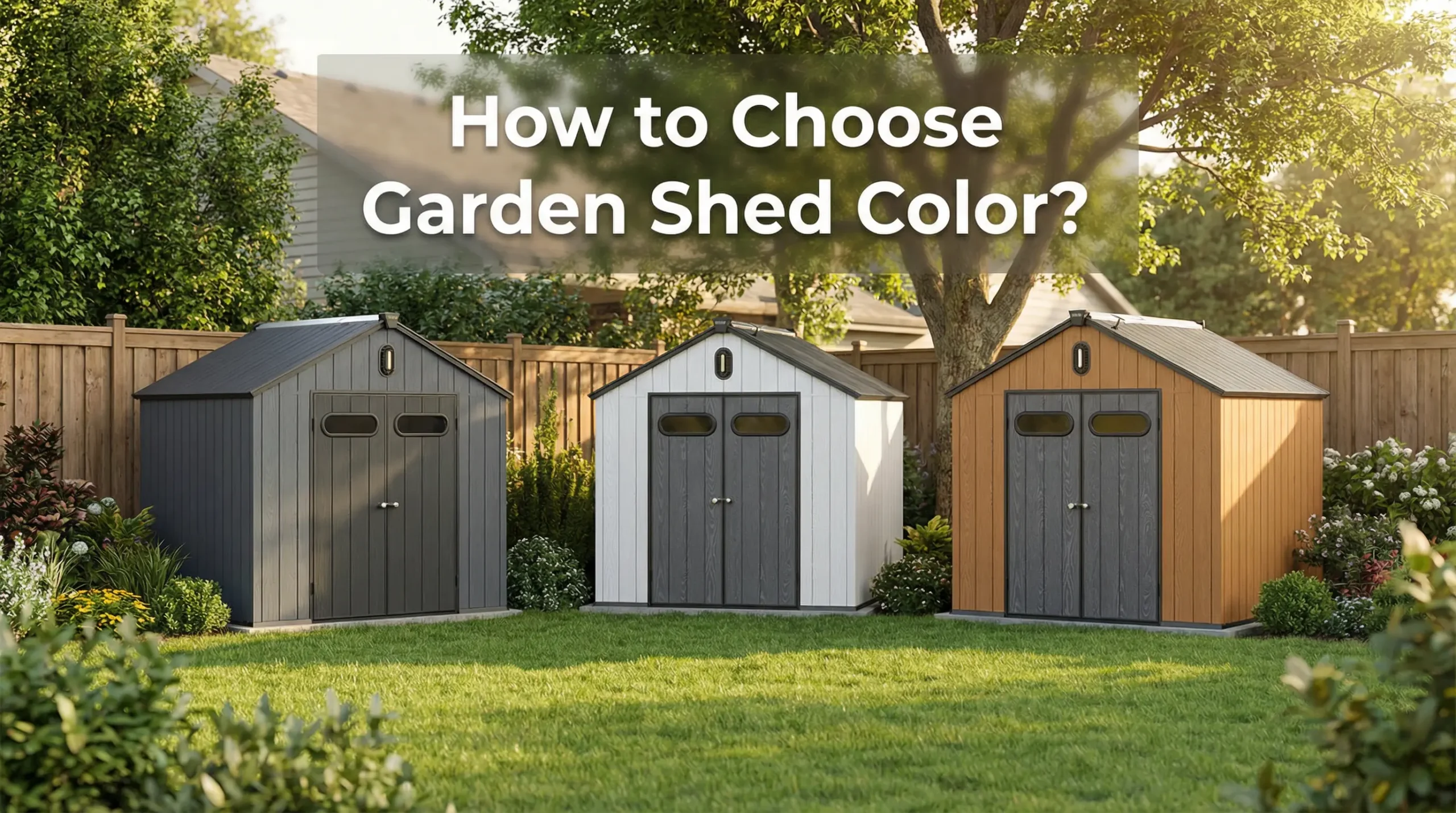
How to Choose Garden Shed Color?
Garden shed is a practical addition to any backyard, serving as storage space, a…
Read MoreMetal sheds can resist rust because their steel panels are often protected by a zinc coating, paint or powder coating. These finishes limit contact between steel, water and oxygen. Galvanized zinc also provides some protection at small scratches. Rust resistance is not the same as being rustproof: exposed cut edges, damaged coatings, standing water and poor ventilation can still lead to corrosion. The level of protection depends on the materials and finish used for a particular shed.
Rust forms when iron or steel reacts with oxygen and moisture. A shed is exposed to rain outside and may also collect condensation inside when humid air meets a cool panel. Scratches, drilled holes, worn fasteners and dirt that holds moisture can leave steel more vulnerable. Coastal salt or other pollutants may increase corrosion risk. Aluminium does not form iron rust, although it can corrode in other ways; check which metal your shed uses before choosing a repair product.
Galvanizing covers steel with zinc. The zinc acts as a barrier and can corrode preferentially to the steel where a small area of the coating is damaged. That is why galvanized panels often last longer outdoors than unprotected steel. The protection is finite: coating thickness, environmental exposure and damage all affect performance. The American Galvanizers Association explains zinc’s barrier and sacrificial protection.
Paint and powder coatings form a barrier between the metal and the environment. They can also provide color and a consistent finish. Some sheds combine a zinc-coated steel panel with an additional painted or powder-coated surface. A coating must remain well adhered and reasonably intact to protect exposed steel; chips and scratches should be repaired using a product compatible with the original finish. Check the manufacturer’s specification rather than assuming every painted shed is galvanized.

Look at these areas after heavy rain and during routine cleaning. If the inside of the shed is wet, first determine whether the moisture is a leak or condensation. Our metal shed waterproofing guide explains how to trace the source.
Install the shed on the base specified for the model and make sure surrounding ground drains away from it. Avoid piling soil or mulch against walls. Clear leaves from roof edges, gutters and nearby drains. A well-prepared base can also help panels and doors remain aligned, reducing gaps that admit rain.
Do not block factory vents or try to make the shed airtight. Airflow helps reduce condensation, particularly when damp tools or garden supplies are stored inside. If condensation persists, check the base and consider a roof lining or insulation system that is compatible with the shed and preserves required ventilation.
Wash and dry the area, then follow the manufacturer’s instructions for treating a scratch or rust spot. A compatible primer and touch-up finish may be needed where bare steel is exposed. Replace badly corroded fasteners with approved parts. Avoid drilling unnecessary holes or using harsh abrasive cleaners that remove the protective coating. For a fuller upkeep routine, see how to care for a metal shed.
No. A well-coated metal shed is rust-resistant under suitable conditions, but no coating makes exposed steel immune to corrosion forever. Compare the panel material, coating specification, warranty terms and suitability for your local environment when choosing a shed. In a coastal or persistently damp location, ask the seller which finish and maintenance routine they recommend for that exposure.
Yes. Zinc protects steel, but it gradually weathers and can be damaged. Exposed steel or areas that stay wet may eventually corrode. Inspect and repair damage according to the manufacturer’s guidance.
Yes. Keep panels clean, clear drainage paths and repair chips promptly. Powder coating is a protective barrier, and its effectiveness depends on its condition.
No. Some openings are designed for ventilation or drainage. Sealing them can trap moisture and increase condensation. Follow the shed’s installation instructions and address the source of any leak.
In short: rust resistance comes from the panel material and protective finish, supported by good drainage and regular care. Inspect vulnerable edges and joints, keep the shed ventilated, and repair coating damage before corrosion spreads.
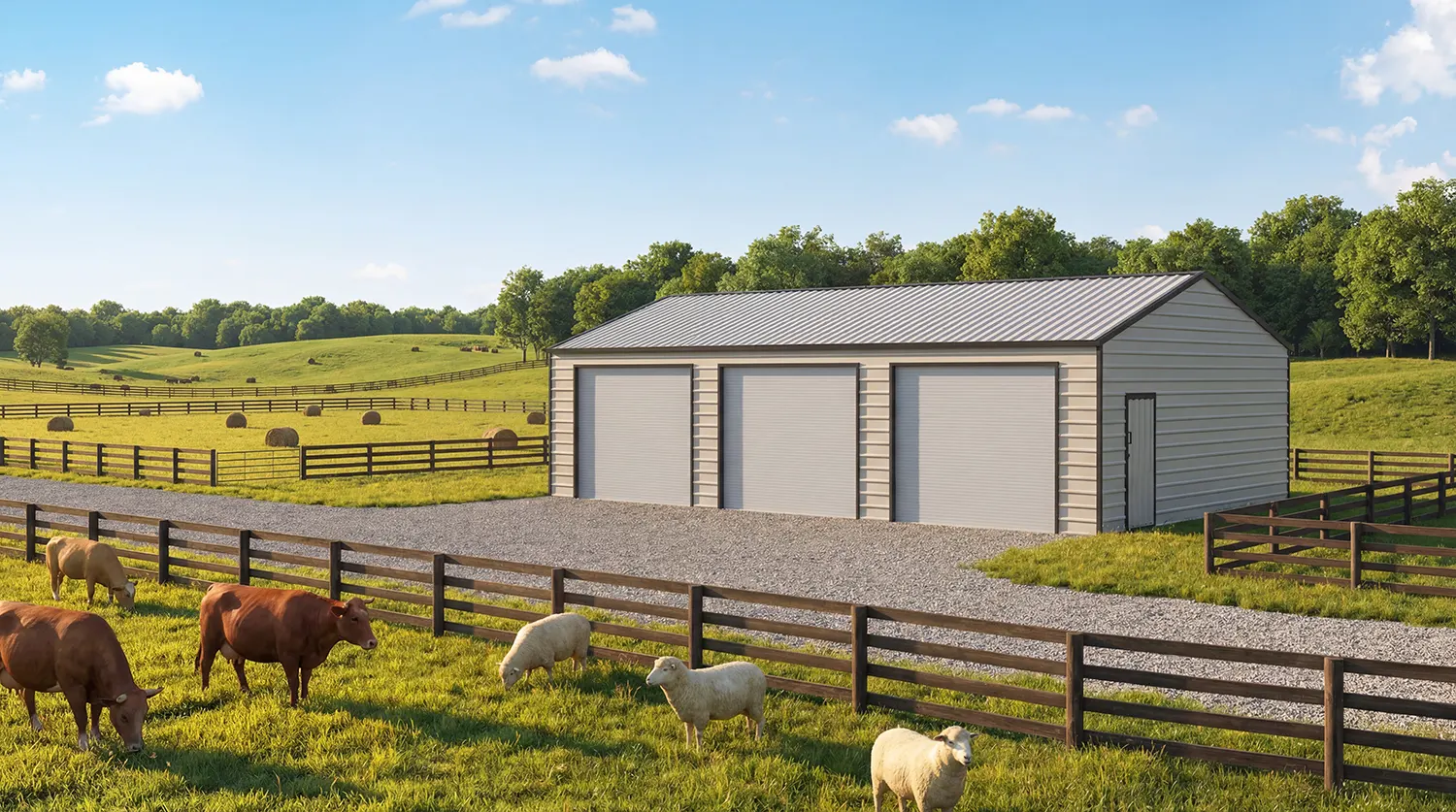
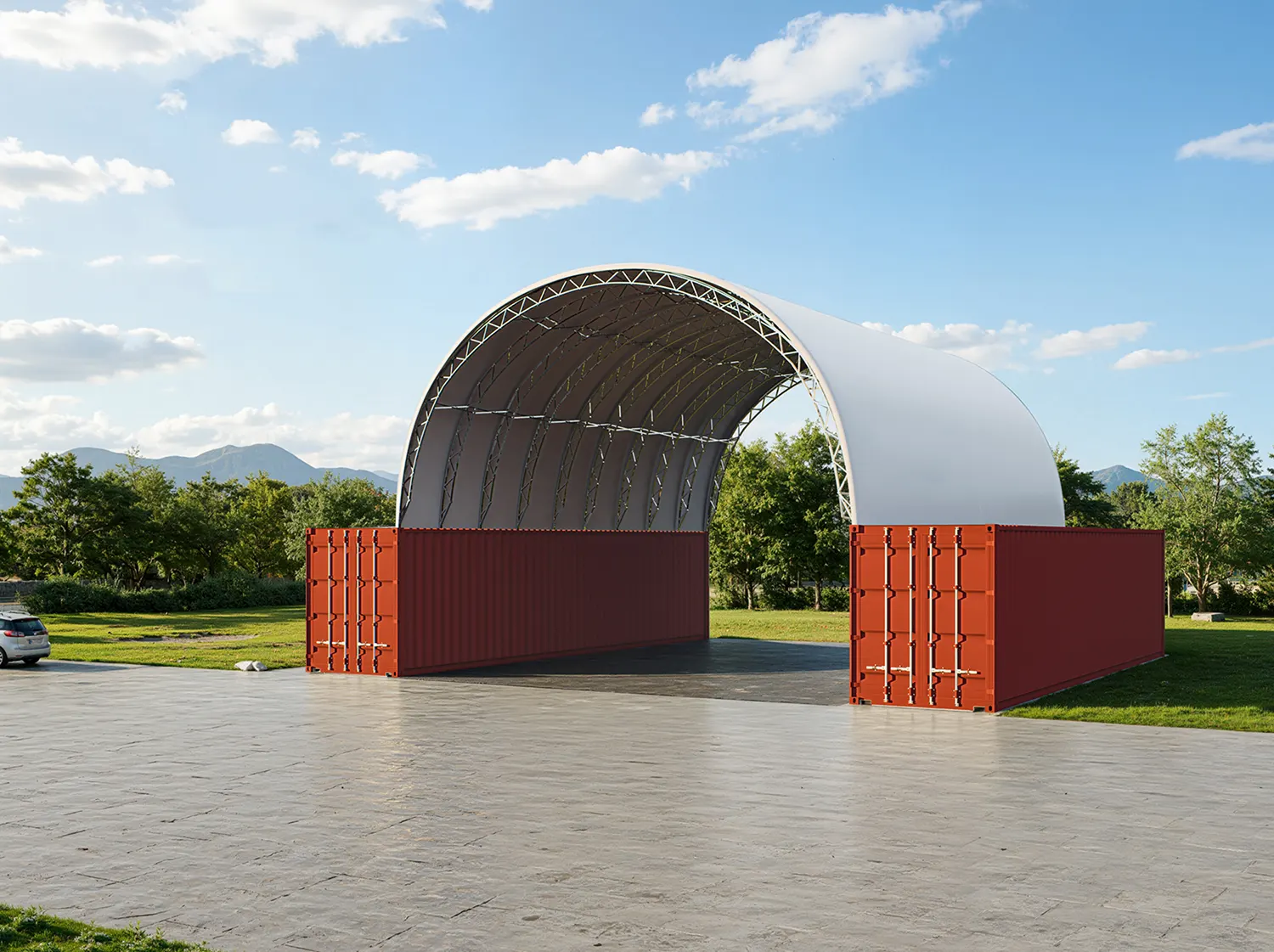
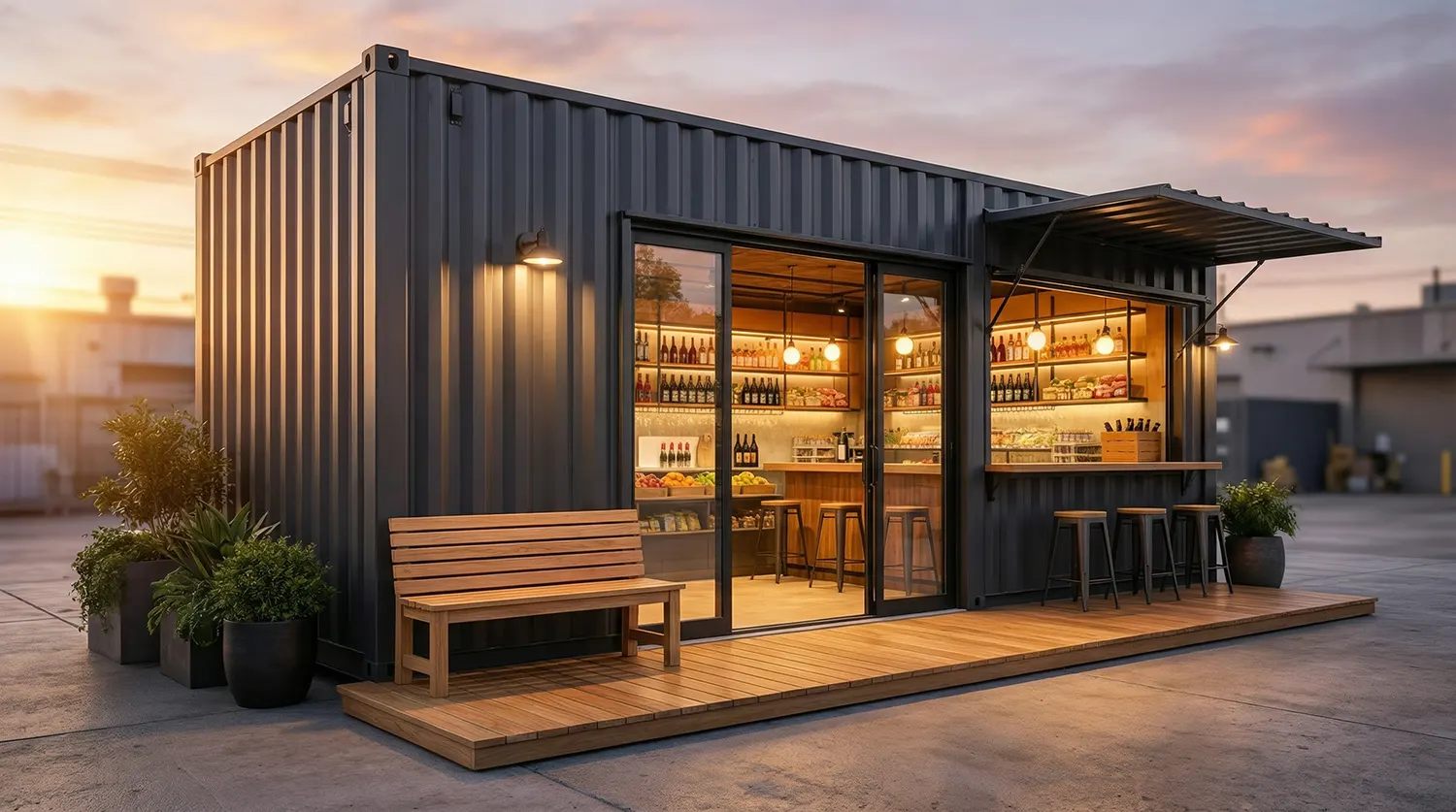
Plan and build a backyard bar shed with practical guidance on materials, layout, foundation, assembly, utilities and finishing touches.
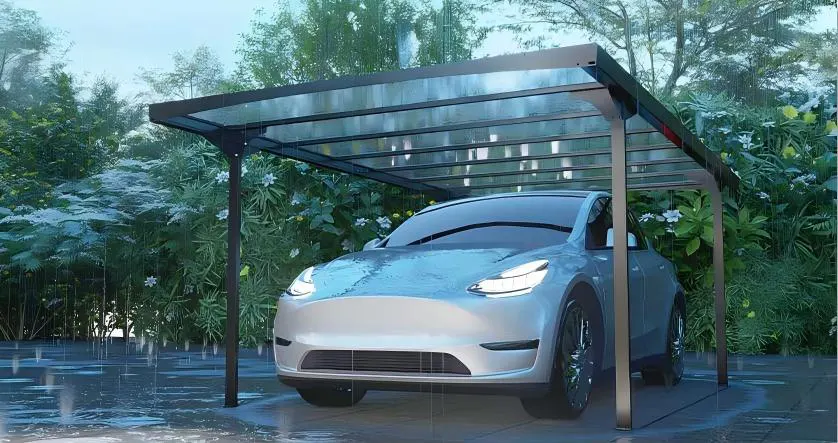
Compare aluminum and steel carports by weight, corrosion resistance, design and installation requirements, then learn what to check before choosing a model.