
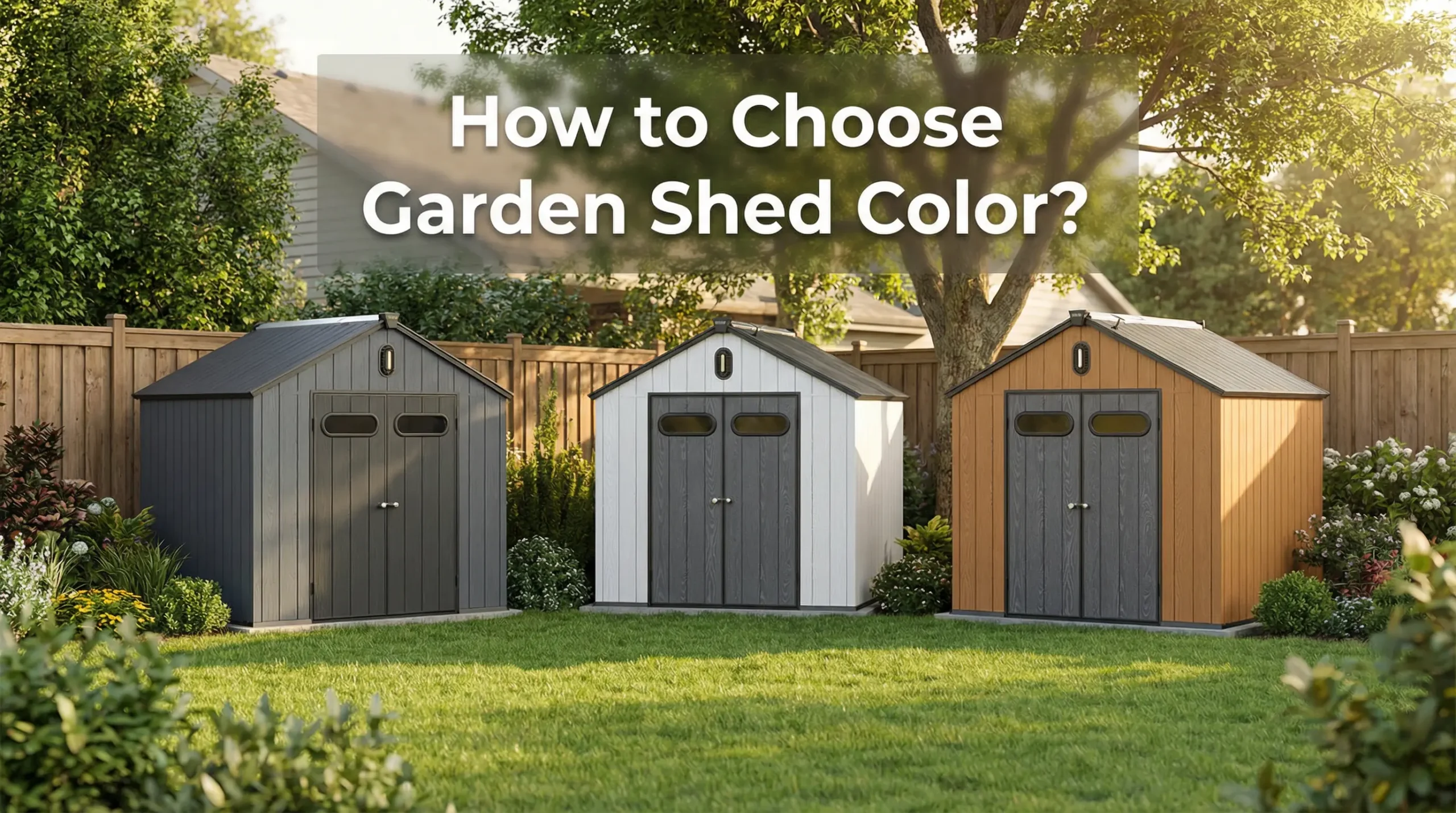
How to Choose Garden Shed Color?
Garden shed is a practical addition to any backyard, serving as storage space, a…
Read MoreTo protect a metal shed from strong winds, secure it to a suitable base with the anchors specified for its design. The shed also needs correctly fitted roof and wall panels, working door latches and regular inspections. A sheltered location may help, but it does not replace anchoring. Check the wind rating and installation conditions for your particular model, along with any local building requirements; no small shed is guaranteed to withstand every storm.
Wind pushes against walls and doors and can create uplift at the roof. An unsecured shed may shift or tip, while loose roof sheets, trim or fasteners may pull away from the frame. An open or poorly latched door can catch wind and strain its hinges and surrounding panels. Damage may start at one connection, so the whole path from roof and walls through the frame to the base matters.

Avoid sites with poor drainage, unstable ground or nearby branches that could fall onto the shed. A wall or fence may offer some shelter, but local wind can swirl around obstacles. Keep the clearances required for assembly, maintenance and local setback rules. Do not place a shed where it blocks access or emergency routes.
A base that settles or twists can loosen the frame and make panels or doors fit poorly. Build the base to the dimensions and specifications in the shed’s manual, and check it is level and square before assembly. Concrete, a framed platform or another approved base may require different anchors. Our guide on metal shed bases explains why this step matters.
Use the anchor type, number and locations specified by the shed manufacturer for the chosen base. The connections must secure the structural frame, not just a thin floor panel or loose blocks. Concrete blocks or stored items placed inside the shed are not a substitute for approved anchors. If the manual does not address your site or wind exposure, consult the manufacturer or a qualified installer before making changes. See our guide to fixing a metal shed to the ground for related options.
Follow the specified panel overlap and fastener pattern. Check that screws, washers, brackets and roof trim are present and seated correctly. Overtightening can deform metal or damage sealing washers; loose fasteners can rattle and allow movement. Confirm that doors close fully and latches engage. Do not drill extra holes or add improvised braces unless the manufacturer approves them, since alterations can weaken panels or create leak paths.
Inspect anchors, roof edges, fasteners, hinges and latches periodically and after severe weather. Replace damaged components with suitable parts. Clear leaves from roof and drainage areas, and repair coating damage to reduce corrosion around connections. For a broader routine, read how to care for a metal shed.
Do not use a metal shed as storm shelter. If a severe event is forecast, follow local emergency instructions and the manufacturer’s guidance for your shed.
Wait until it is safe to approach. Look for movement at the base, missing fasteners, lifted roof edges, bent panels and doors that no longer align. Check for leaks where roof or wall joints may have shifted. If the frame is unstable or electrical equipment is affected, keep people away and seek appropriate professional help. Photograph damage before repairs if you may need a warranty or insurance assessment. Repair the cause before sealing any resulting gaps; our metal shed waterproofing guide can help with leak checks.
That depends on the model’s design and stated rating, its base and anchors, the quality of assembly and the actual conditions. Check the manufacturer’s documentation rather than assuming every metal shed has the same wind resistance.
Loose blocks alone are not a reliable anchoring system. Use the specified anchors to connect the shed’s frame to a suitable base.
No. Some openings are designed for ventilation or drainage. Correct loose or misaligned parts and seal only where the manufacturer’s instructions call for it.
Ask the seller or manufacturer for the model’s documentation and required installation method. Local building rules or an installer can help determine what is appropriate for your site.
The best wind protection starts at installation: match the shed to the site, build a stable base, anchor the frame properly and keep every connection in good condition. These steps reduce avoidable damage without relying on improvised reinforcements.
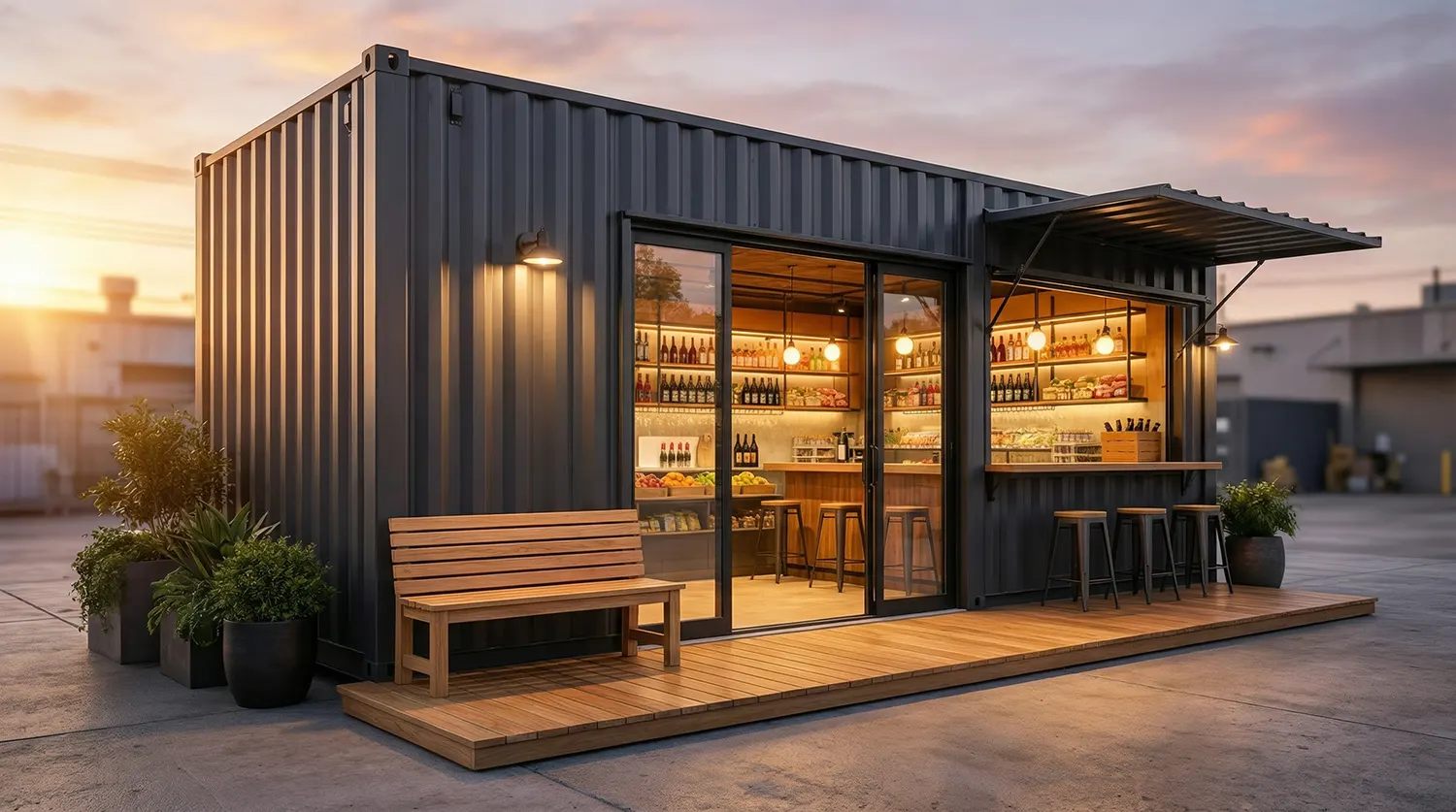
Plan and build a backyard bar shed with practical guidance on materials, layout, foundation, assembly, utilities and finishing touches.

Compare aluminum and steel carports by weight, corrosion resistance, design and installation requirements, then learn what to check before choosing a model.