A beautiful outdoor space can significantly improve the comfort, functionality, and value of your home. Whether you enjoy hosting family gatherings, relaxing with a morning coffee, or dining outdoors on warm evenings, a well-designed patio creates the perfect extension of your indoor living area. However, without proper protection from direct sunlight, rain, and changing weather conditions, your patio may not be as comfortable or practical as you would like.
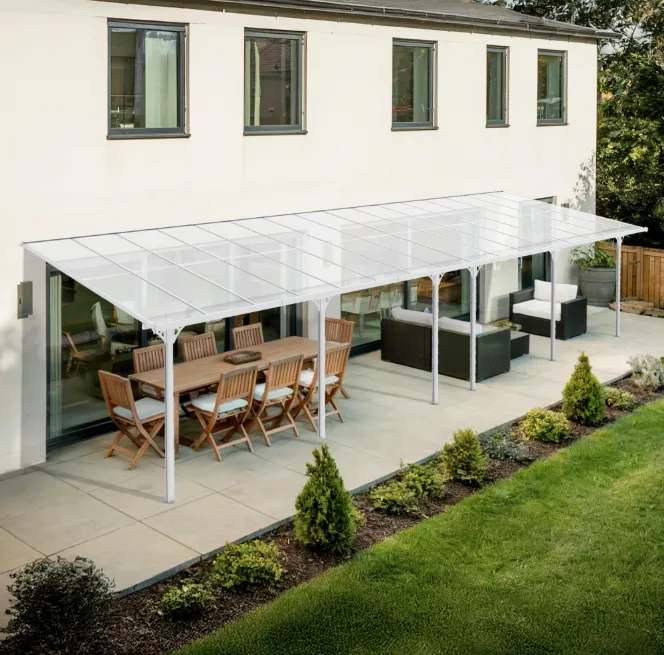
That is where the right patio cover makes a difference.
From modern pergolas and elegant wooden structures to retractable awnings and insulated roof systems, there are countless ways to create a stylish and functional outdoor retreat. The best patio cover ideas combine attractive design, weather protection, durability, and everyday convenience.
In this guide, we explore the top 10 patio cover ideas to transform your outdoor living space, along with their benefits, design possibilities, and practical considerations. Whether you have a small backyard patio or a spacious outdoor entertainment area, these ideas can help you create a space that suits your lifestyle and budget.
Why Should You Add a Patio Cover?
Before exploring different patio cover designs, it is worth understanding why investing in one can improve your outdoor living experience.
A patio cover offers several important benefits:
- Weather protection: It provides shade from intense sunlight and shelter from light rain, making outdoor spaces more usable throughout the year.
- Improved comfort: By reducing direct sun exposure and heat buildup, a patio cover can create a more comfortable environment.
- Extended living space: A covered patio can function as an outdoor dining room, lounge, entertainment area, or relaxation zone.
- Furniture protection: A suitable cover helps protect outdoor furniture, cushions, flooring, and decorative accessories from weather exposure.
- Enhanced property appeal: A thoughtfully designed patio cover can improve your home’s exterior appearance and contribute to its overall appeal.
The right solution depends on your architectural style, available space, local climate, maintenance preferences, and budget.
Patio Cover Ideas: Decision Checklist
Start with the way the patio is used, then choose the structure. A dining area needs enough clear height and circulation; a lounge may prioritize softer daylight; a poolside seating area may benefit from an independent cover. Check sun direction, prevailing rain and wind, the wall or ground that will support the structure, and where roof water will drain. Confirm local installation requirements for the exact project.
| Design goal | Idea to explore | What to verify |
|---|---|---|
| Keep the patio bright | Polycarbonate-roof cover | Panel type, light transmission, glare and cleaning |
| Define a sheltered dining zone | Aluminium or wooden patio cover | Clear width, height, posts and drainage |
| Create a separate garden destination | Freestanding cover | Foundations, access and site setbacks |
| Change shade through the day | Louvered pergola or retractable option | Controls and weather limits of the exact system |
For a full comparison of structure types, use our patio cover buying guide. This ideas article includes inspiration beyond DiBiBi’s current patio cover catalogue; the product examples below identify actual listed configurations.
Explore 10 Patio Cover Ideas
1. Classic Wooden Pergola for a Natural Outdoor Look
A wooden pergola is one of the most popular patio cover ideas for homeowners who appreciate natural materials and timeless outdoor design.
Typically constructed with wooden posts, horizontal beams, and open rafters, a pergola creates partial shade while maintaining an airy and inviting atmosphere. Unlike a fully enclosed roof, its open structure allows sunlight and fresh air to pass through.
Cedar, redwood, and pressure-treated timber are common material choices because of their appearance and outdoor performance.
Why Choose a Wooden Pergola?
- Adds warmth and natural character to your backyard.
- Complements traditional, rustic, farmhouse, and contemporary homes.
- Supports climbing plants such as wisteria and jasmine.
- Can be customized with outdoor curtains, shade fabric, or retractable canopies.
For a more functional design, consider adding weather-resistant curtains or adjustable shade panels. These additions provide greater privacy and sun protection without compromising the pergola’s natural appearance.
Best for: Homeowners who want a stylish, natural-looking outdoor structure with partial shade.
2. Modern Aluminum Patio Cover for Low Maintenance
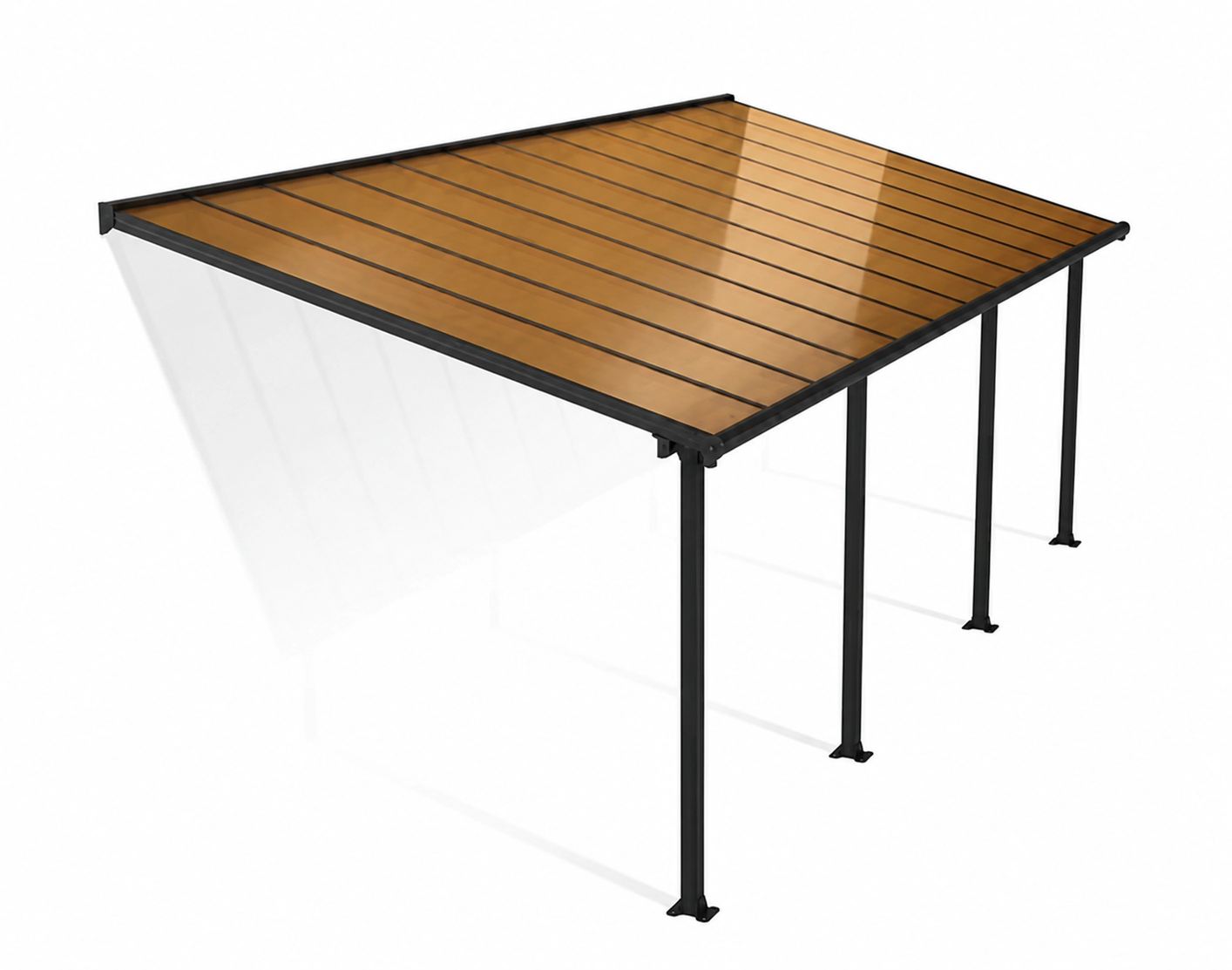
If you prefer a clean architectural appearance and minimal maintenance, an aluminum patio cover is an excellent option.
Aluminum patio covers are lightweight, durable, and resistant to rust. They are available in various finishes, including white, black, bronze, and wood-grain styles, making them suitable for many architectural designs.
Unlike traditional wood structures, aluminum generally does not require regular staining, painting, or sealing.
Key Benefits:
- Excellent resistance to corrosion when properly specified and maintained.
- Lightweight construction.
- Modern and streamlined appearance.
- Relatively low maintenance requirements.
- Available in solid-roof and adjustable-louver configurations.
A solid aluminum roof is particularly useful when you want consistent shade and protection from rain. For a more flexible outdoor environment, consider a louvered aluminum system that allows you to adjust sunlight and ventilation.
Pair the structure with recessed LED lighting and minimalist outdoor furniture to create a sophisticated patio.
Best for: Modern homes and homeowners looking for a durable, low-maintenance patio cover.
3. Retractable Awning for Flexible Sun Protection
A retractable awning is a practical solution for homeowners who want control over how much sunlight enters their outdoor living space.
Unlike permanent patio structures, retractable awnings can extend when shade is needed and fold away when you want to enjoy direct sunlight.
They are available in manual and motorized designs, with fabric options in different colors, patterns, and levels of UV resistance.
Why Retractable Awnings Are Popular
- Adjustable shade throughout the day.
- Space-saving design.
- Available in motorized versions for convenient operation.
- Wide selection of fabric colors and patterns.
- Generally simpler installation than many permanent roof structures.
Motorized retractable awnings can also include wind sensors and remote controls, depending on the system.
One important consideration is weather resistance. Most fabric awnings are designed primarily for sun protection and may not be suitable for heavy rain, strong winds, or snow. Always follow the manufacturer’s operating guidelines.
Best for: Small patios, balconies, and outdoor areas where flexible shade is important.
4. Polycarbonate Roof Patio Cover for Natural Light
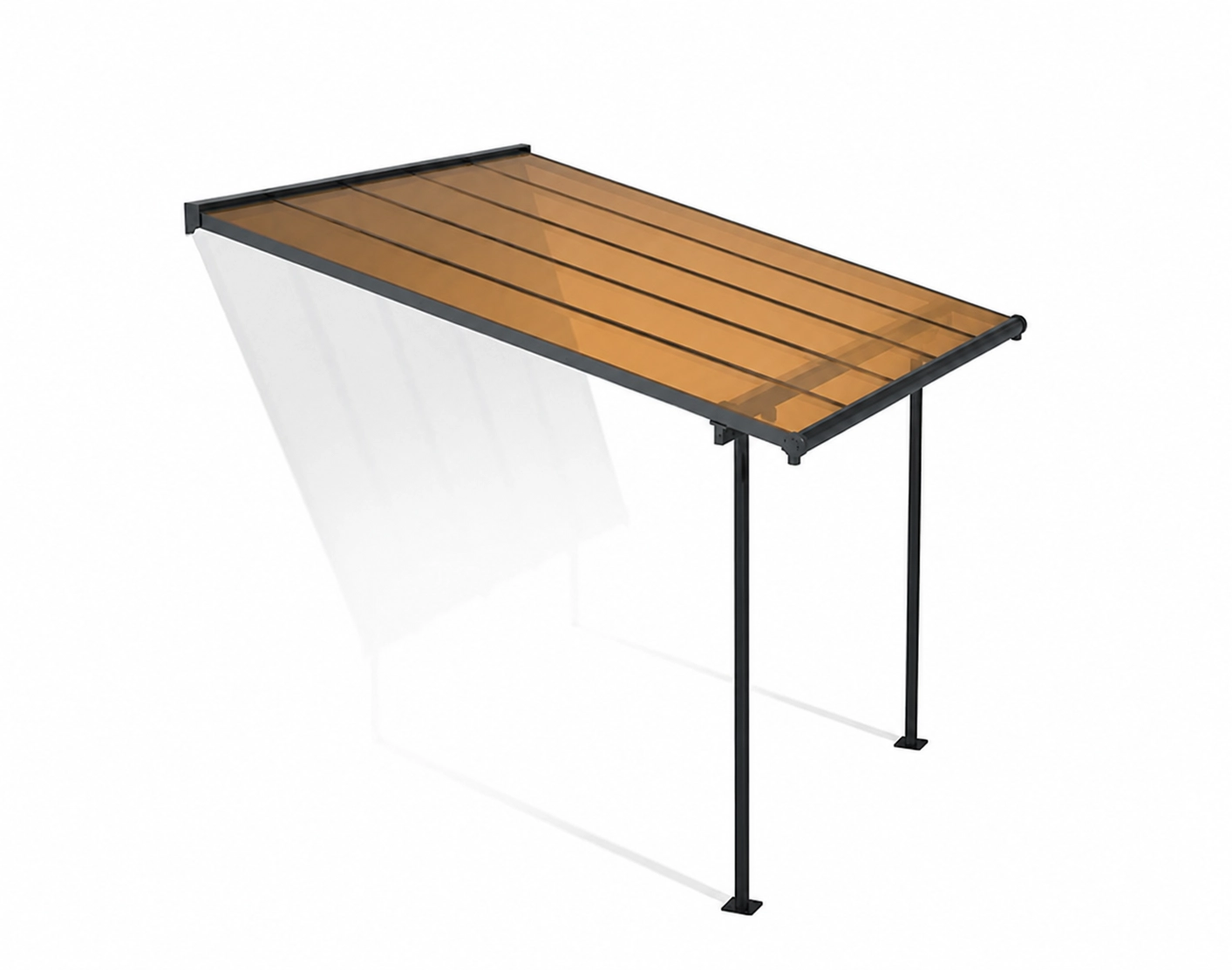
A polycarbonate patio cover is a great option if you want weather protection without making your outdoor space feel dark.
Polycarbonate roofing panels are lightweight, impact-resistant, and available in transparent, translucent, and tinted finishes.
They allow natural daylight to pass through while reducing direct exposure to outdoor weather. Depending on the panel specification, some products also offer UV protection and improved thermal performance.
Design Advantages:
- Allows daylight into the patio area.
- Available in different transparency levels.
- Lightweight compared with many traditional roofing materials.
- Suitable for contemporary and minimalist outdoor designs.
- Can be combined with aluminum or steel framing.
For better comfort, consider multiwall polycarbonate panels or UV-protected roofing products designed to reduce heat transmission.
You can also combine a polycarbonate roof with integrated gutters to manage rainwater more effectively.
Best for: Patios that need overhead weather protection while maintaining a bright, open atmosphere.
5. Louvered Patio Cover for Adjustable Outdoor Comfort
A louvered patio cover offers one of the most versatile solutions for modern outdoor living.
Its roof consists of adjustable horizontal slats, known as louvers, that rotate to control sunlight, airflow, and ventilation.
When the louvers are open, natural light and fresh air can enter the patio. When closed, a properly engineered system can provide overhead rain protection through an integrated drainage design.
Many premium systems feature motorized controls, rain sensors, LED lighting, and optional side screens.
Main Benefits:
- Adjustable sunlight and ventilation.
- Flexible outdoor comfort throughout the day.
- Contemporary architectural appearance.
- Optional smart controls and automation.
- Suitable for outdoor dining and entertainment areas.
A louvered roof can be particularly effective when installed over an outdoor kitchen or dining area, where controlling heat and sunlight is important.
However, installation quality matters. Check the drainage design, wind-load ratings, structural specifications, and warranty before purchasing.
Best for: Homeowners who want premium functionality and greater control over their outdoor environment.
6. Fabric Canopy Patio Cover for a Relaxed Resort Feel
A fabric canopy can instantly give your backyard a relaxed, resort-inspired atmosphere.
This patio cover idea works particularly well in gardens, poolside areas, and outdoor lounges. The fabric creates soft shade while introducing color, texture, and visual interest.
Depending on your needs, you can choose between fixed fabric canopies, tensioned shade sails, or removable canopy systems.
Popular Fabric Choices:
- Solution-dyed acrylic for color retention and outdoor use.
- Polyester fabrics with appropriate UV and weather-resistant treatments.
- High-density polyethylene (HDPE) shade fabric for breathable sun protection.
A neutral-colored canopy creates a sophisticated look, while striped or patterned fabric can add a playful Mediterranean or coastal feel.
For added style, combine the canopy with woven outdoor furniture, potted plants, and warm outdoor lighting.
Keep in mind that breathable shade fabrics are not necessarily waterproof. Choose a suitable fabric and installation system based on your local weather conditions.
Best for: Casual outdoor lounges, poolside patios, and homeowners who enjoy a soft, decorative aesthetic.
7. Solid Roof Patio Cover for All-Weather Protection
If your priority is dependable shelter, a solid roof patio cover may be the most practical choice.
Unlike open pergolas or fabric canopies, a solid roof provides continuous overhead coverage. Depending on the materials and construction, it can offer protection from rain, strong sunlight, and other weather conditions.
Common roofing materials include metal panels, insulated sandwich panels, shingles, and other suitable roofing systems.
Why Consider a Solid Patio Roof?
- Provides consistent shade.
- Offers better rain protection than open structures.
- Protects outdoor furniture from direct weather exposure.
- Creates a more defined outdoor living area.
- Can support ceiling fans, lighting, and other electrical features when properly installed.
An insulated patio roof is particularly useful in regions with significant temperature fluctuations. Insulation can help reduce heat transfer and improve comfort beneath the structure.
For a cohesive design, match the roofing material and color to your home’s existing exterior.
Best for: Homeowners who want a permanent covered patio for dining, entertaining, or everyday relaxation.
8. Glass Patio Cover for a Bright and Elegant Space
A glass patio cover is an attractive option for homeowners who want an elegant outdoor area with plenty of natural light.
Glass roofing creates a sophisticated appearance and allows daylight to pass through, making it particularly suitable for contemporary homes, conservatories, and transitional indoor-outdoor spaces.
Tempered or laminated safety glass should be specified according to the structural design, local building regulations, and intended application.
Advantages of Glass Patio Covers:
- Maximizes natural daylight.
- Creates a premium architectural appearance.
- Offers an unobstructed view of the sky.
- Works well with minimalist metal framing.
- Can visually connect indoor and outdoor spaces.
However, glass can transmit considerable solar heat. To improve comfort, consider tinted, laminated, or solar-control glazing designed for overhead applications.
Proper drainage, structural support, and regular cleaning are also essential.
Best for: Contemporary homes and homeowners who prioritize natural light and elegant outdoor architecture.
9. Green Roof Pergola for an Eco-Friendly Outdoor Retreat
For homeowners who love nature, a green pergola offers a beautiful way to combine outdoor architecture with landscaping.
Instead of relying entirely on conventional roofing materials, this design uses climbing plants to create a living canopy.
Popular choices include:
- Wisteria.
- Jasmine.
- Climbing roses.
- Clematis.
- Grape vines.
As the plants grow, their foliage creates natural shade and adds texture, fragrance, and seasonal interest to the patio.
A green pergola can also support local biodiversity by providing habitat and food sources for pollinators, depending on the plants selected.
Design Tips:
- Choose climbing plants suitable for your local climate.
- Install a strong structure capable of supporting mature plant growth.
- Provide appropriate irrigation and drainage.
- Consider seasonal foliage when planning shade coverage.
- Prune plants regularly to maintain the desired shape.
Remember that living canopies take time to develop and may provide less consistent rain protection than conventional roofs.
Best for: Garden enthusiasts and homeowners who want a natural, environmentally conscious outdoor space.
10. Attached Patio Cover for a Seamless Indoor-Outdoor Extension
If an attached structure does not suit the wall or site, a freestanding cover is another way to define the space.
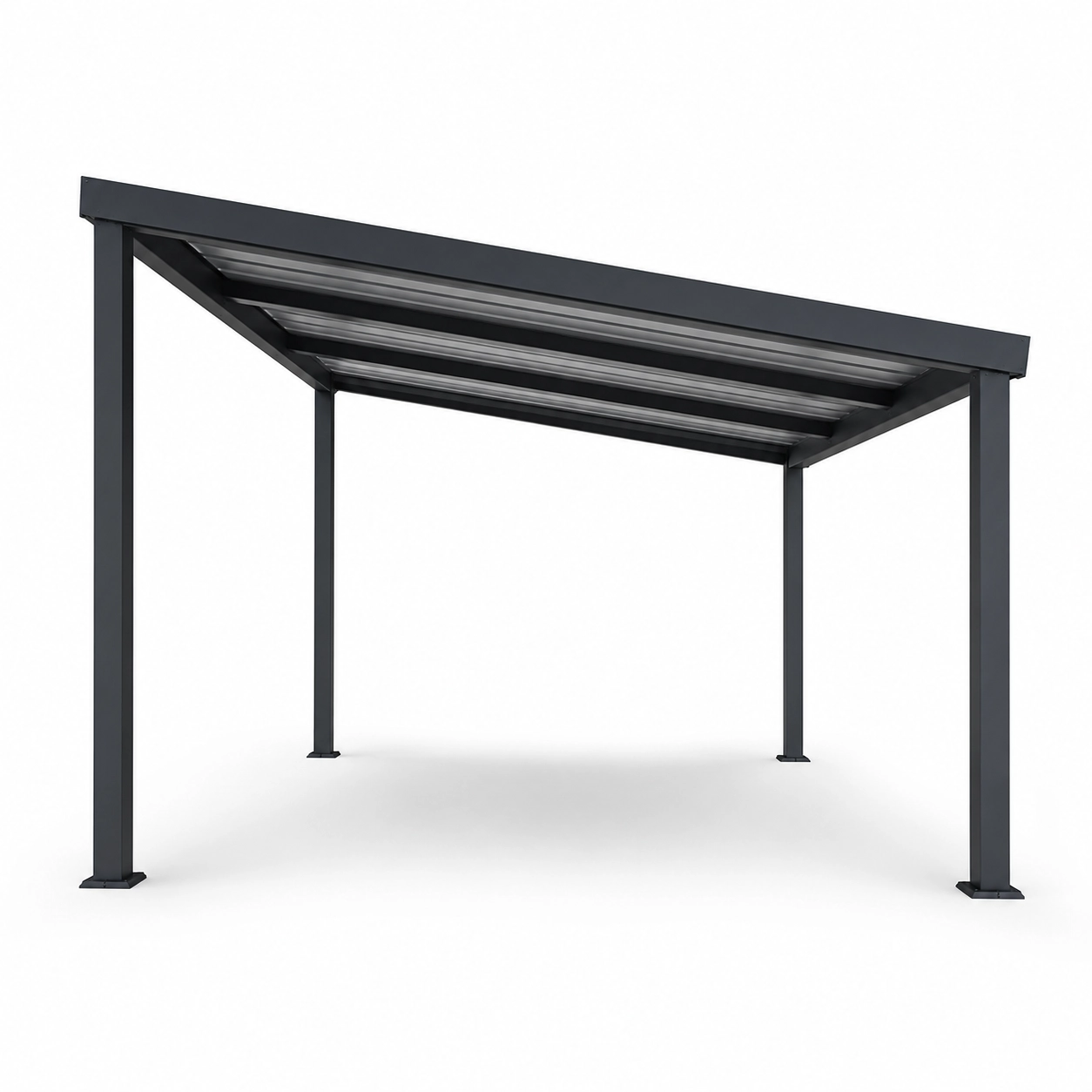
An attached patio cover is designed to connect directly to the exterior wall or roofline of your home.
This creates a seamless transition between indoor and outdoor spaces, making it an excellent choice for homeowners who frequently entertain guests or enjoy outdoor dining.
Attached patio covers can feature timber beams, aluminum framing, solid roofing, polycarbonate panels, or other suitable construction materials.
Why Choose an Attached Patio Cover?
- Creates a natural extension of the home.
- Provides convenient access from indoor living areas.
- Can protect doors and windows from direct sunlight and rain.
- Offers opportunities for integrated lighting and ceiling fans.
- Makes outdoor furniture arrangements easier.
You can transform an attached patio into a complete outdoor living room by adding comfortable seating, an outdoor rug, a dining table, and weather-resistant accessories.
Before installation, make sure the structure is properly engineered and connected to the house. Flashing, waterproofing, drainage, and structural connections are especially important to prevent water intrusion.
Best for: Homeowners who want to create a functional outdoor extension of their existing living space.
How to Choose the Best Patio Cover for Your Home
With so many patio cover designs available, selecting the right option requires more than choosing a style you like.
Consider these five important factors before making a decision.
1. Evaluate Your Local Climate
Your local weather conditions should influence your patio cover selection.
For sunny climates, retractable awnings, louvered roofs, and UV-resistant shade structures can help reduce direct sunlight.
For rainy regions, solid roof systems, properly installed polycarbonate panels, and weather-resistant structures may be more suitable.
If your area experiences strong winds or snow, make sure the structure is engineered to meet the relevant local load requirements.
2. Consider Your Budget
Patio cover costs vary depending on materials, dimensions, structural complexity, installation, and additional features.
A simple shade sail or basic awning may be more affordable than a custom-built insulated roof or motorized louvered system.
When comparing quotations, consider the total installed cost rather than the material price alone.
Include potential expenses for:
- Structural supports and foundations.
- Professional installation.
- Electrical connections.
- Drainage and gutter systems.
- Permits and inspections.
- Long-term maintenance.
3. Match the Design to Your Home’s Architecture
A patio cover should complement your home’s existing exterior.
For example, a wooden pergola works beautifully with rustic and farmhouse-inspired homes, while a sleek aluminum or louvered roof often suits contemporary architecture.
Pay attention to the roofline, exterior colors, window frames, landscaping, and outdoor furniture.
A consistent design creates a more polished and visually appealing result.
4. Think About Maintenance Requirements
Different patio cover materials require different levels of maintenance.
Wood may need periodic sealing, staining, or painting. Fabric canopies require occasional cleaning and may need replacement over time. Aluminum generally requires less routine maintenance, while glass needs regular cleaning to maintain its appearance.
Choose a material that matches the amount of time and effort you are willing to invest in upkeep.
5. Check Building Regulations and Installation Requirements
Before installing a permanent patio cover, check your local planning, building, and property regulations.
Depending on your location, factors such as structure size, height, boundary distance, attachment to the house, and foundation design may affect whether approval is required.
Professional installation is particularly important for attached structures, glass roofs, heavy roofing systems, and motorized louvered covers.
A qualified contractor can help assess structural requirements, drainage, ventilation, and weather resistance.
How to Make Your Covered Patio More Comfortable and Stylish
Choosing the right patio cover is only the first step. The finishing details can make a significant difference to how enjoyable the space becomes.
Here are several ways to upgrade your covered patio:
Add comfortable outdoor furniture: Choose weather-resistant sofas, lounge chairs, and dining sets that suit the available space.
Install layered lighting: Combine recessed lights, wall sconces, and decorative string lights to create a welcoming atmosphere after sunset.
Introduce greenery: Use potted plants, vertical gardens, and climbing vines to soften architectural lines and add natural color.
Improve airflow: Outdoor ceiling fans can help circulate air beneath solid roof structures, particularly in warm climates.
Create privacy: Outdoor curtains, privacy screens, and strategically placed plants can make the patio feel more secluded.
Add outdoor heating: Suitable patio heaters or approved heating systems can extend the usability of your outdoor area during cooler months.
Define different activity zones: If space allows, create separate areas for dining, relaxing, and entertaining. This makes the patio more functional without requiring a larger footprint.
Compare Patio Cover Configurations in the DiBiBi Range
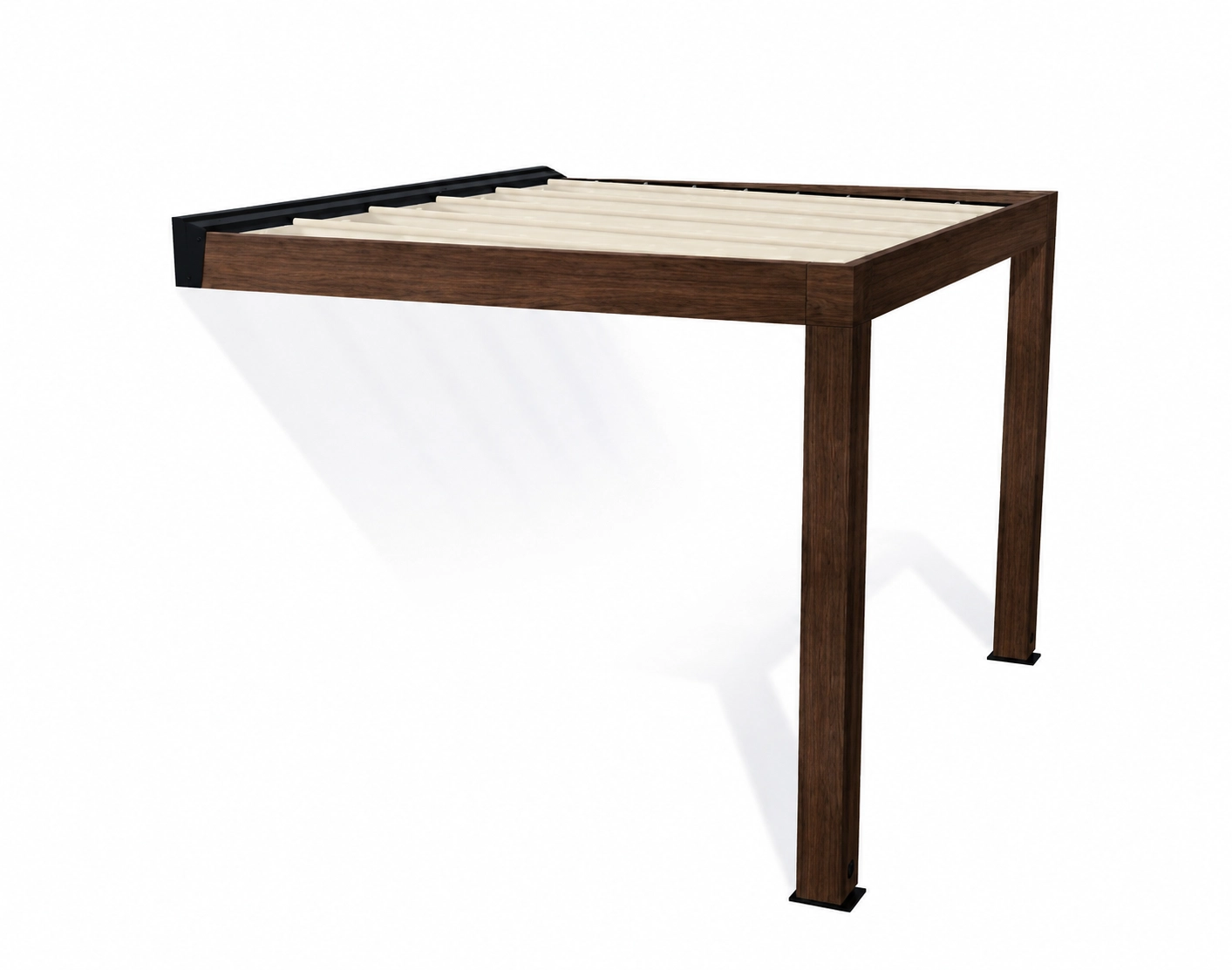
The Patio Covers category includes aluminium and timber-led options in several nominal footprints. For example, the 10 × 10 ft aluminium cover is a compact format, while the 10 × 24 ft aluminium cover provides a longer rectangular layout. The 11 × 17 ft wooden cover provides a warmer material expression. These models use light-transmitting polycarbonate roofing according to their product pages; they should not be described as opaque insulated roofs. Confirm exact clearances, components and performance for the chosen model.
From Inspiration to a Product Brief
For a buyer or outdoor-living brand, turn the preferred idea into a specification: intended use, required roof footprint and usable clearance, frame and roof material, desired finish, site weather conditions, drainage direction, installation type, target market and order quantity. Compare the product pages against that brief, then request the relevant drawings and documentation. DiBiBi’s manufacturing capabilities page explains the production context; About DiBiBi provides company background. The Research & Development page gives additional context for design and development work.
For the next decision, compare aluminium and wood patio covers, review attached versus freestanding layouts, and check patio cover cost factors. You can then browse the full patio cover product range.
Final Thoughts
The right patio cover can completely transform your outdoor living space, making it more comfortable, attractive, and functional.
Whether you prefer the natural beauty of a wooden pergola, the convenience of a retractable awning, the flexibility of a louvered roof, or the dependable protection of a solid patio cover, there is an option for almost every home and lifestyle.
The key is to balance appearance, durability, weather protection, maintenance, and budget.
Before making your final decision, evaluate your outdoor space, consider your local climate, and choose materials that complement your home’s architecture. With thoughtful planning and quality installation, your covered patio can become one of the most enjoyable areas of your home.
Frequently Asked Questions About Patio Covers
1. What is the best type of patio cover?
The best patio cover depends on your needs. A solid roof provides dependable overhead protection, a wooden pergola offers natural beauty and partial shade, and a motorized louvered roof provides adjustable sunlight and ventilation. Consider your climate, budget, and intended use before choosing.
2. What is the most affordable way to cover a patio?
Shade sails, basic fabric canopies, and some manual retractable awnings are generally among the more budget-friendly options. Actual costs depend on the size, materials, installation requirements, and quality of the product.
3. Are aluminum patio covers better than wood?
Aluminum patio covers generally require less maintenance and offer good resistance to corrosion. Wooden patio covers provide a warmer, more natural appearance but usually require periodic sealing or staining. Neither material is universally better; the right choice depends on your design preferences and maintenance expectations.
4. Can a patio cover increase home value?
A professionally designed and properly installed patio cover may improve a property’s outdoor appeal and functionality. It can make the outdoor area more attractive to potential buyers, although the actual impact on resale value depends on the local property market, construction quality, and overall design.
5. Do patio covers protect against rain?
Some patio covers provide excellent rain protection, particularly solid roof systems and properly engineered louvered structures. Open pergolas and breathable fabric canopies generally offer limited or no waterproof protection. Always check the manufacturer’s specifications and drainage design.
6. How do I choose a patio cover for a small backyard?
For a small backyard, consider a wall-mounted retractable awning, compact aluminum pergola, or slim-profile polycarbonate roof. These designs can provide useful shade without making the space feel overcrowded.
7. Do I need a permit to install a patio cover?
Permit requirements depend on your location, the size of the structure, its height, and whether it is attached to your home. Check with your local building authority before beginning construction.
8. How long does a patio cover last?
The lifespan depends on the material, installation quality, climate, and maintenance. Aluminum structures can last for many years with proper care, while timber, fabric, and roofing panels may require periodic maintenance or replacement. Always review the manufacturer’s warranty and maintenance recommendations.
9. What is the difference between a pergola and a patio cover?
A pergola typically has an open or partially covered roof structure designed to provide filtered shade. A patio cover is a broader term that includes structures with solid roofs, fabric canopies, adjustable louvers, and other forms of overhead protection.
10. Can I install a patio cover myself?
Some lightweight shade sails and basic canopy kits may be suitable for DIY installation if you follow the manufacturer’s instructions. However, permanent attached structures, large roof systems, glass covers, and structures exposed to significant wind or snow loads should be assessed and installed by qualified professionals.
Related Patio Cover Guides
- Aluminum vs. Wood Patio Covers: Which Is Better for Your Home?
- How Much Does a Patio Cover Cost? A Complete Pricing Guide
- How to Choose the Best Patio Cover for Your Backyard
Explore the Patio Covers knowledge library or compare our patio cover products.